TL;DR
The Petronio Álvarez Festival, a major celebration of Pacific Colombian culture, has arrived in Bogotá. It aims to showcase regional flavors, traditions, and knowledge, attracting wide public interest. This marks an effort to bring Pacific cultural expressions to the national capital.
The Petronio Álvarez Festival, a prominent event celebrating the cultural richness of Colombia’s Pacific region, has arrived in Bogotá for the first time in recent years. The festival aims to showcase the region’s flavors, music, and traditional knowledge to a broader national audience, emphasizing the importance of Pacific cultural expressions beyond their usual regional settings. This development is significant as it reflects efforts to promote and preserve Pacific heritage on a national scale, attracting attention from cultural enthusiasts and policymakers alike.
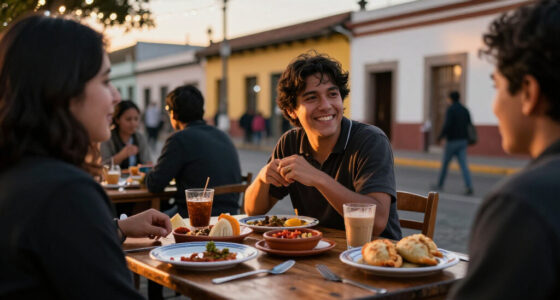
The festival, traditionally held in Cali, has been brought to Bogotá through a series of cultural events, including food tastings, music performances, and workshops, according to organizers. The event features regional dishes such as seafood stews, coconut-based recipes, and traditional snacks, highlighting the unique gastronomic identity of the Pacific coast. In addition to culinary displays, the festival includes performances by musicians specializing in traditional Pacific rhythms like currulao and marimba, as well as dance troupes and craft vendors representing indigenous and Afro-Colombian communities.
Officials from Cali and Bogotá’s cultural departments confirmed that the event aims to foster greater awareness of Pacific traditions and strengthen cultural ties across Colombia. The initiative is part of a broader effort to recognize the region’s cultural contributions, which have historically been underrepresented nationally. The event is open to the public and has attracted significant media coverage and community participation, reflecting a rising interest in regional diversity.
Cultural Promotion and National Visibility of Pacific Heritage
The arrival of the Petronio Álvarez Festival in Bogotá is a strategic move to elevate Pacific culture within Colombia’s national consciousness. It provides an opportunity for Pacific communities to showcase their traditions, knowledge, and culinary arts to a wider audience, fostering greater appreciation and understanding. This event also supports ongoing efforts to recognize and preserve indigenous and Afro-Colombian identities, which are integral to Colombia’s cultural diversity. Experts suggest that such initiatives can contribute to social inclusion, regional development, and the strengthening of cultural identity across the country.
Pacific Colombian seafood stew ingredients
As an affiliate, we earn on qualifying purchases.
As an affiliate, we earn on qualifying purchases.
From Cali to Bogotá: Expanding the Festival’s Reach
The Petronio Álvarez Festival has been a cornerstone of Cali’s cultural scene since its inception, celebrating the music, dance, and cuisine of the Pacific coast. Traditionally held in September, it draws thousands of visitors and has grown into a symbol of regional pride. The festival’s expansion to Bogotá reflects a recent trend of regional cultural festivals seeking to reach a national audience, driven by increased interest in Colombia’s diverse cultural landscape. While the event has historically been confined to Cali, organizers and cultural authorities have expressed a desire to promote Pacific traditions more broadly, especially amid growing recognition of regional identities in national discourse.
Although specific details about the scale and duration of the Bogotá edition are still emerging, the initiative is part of a broader strategy to foster intercultural dialogue and cultural tourism. The move is also seen as a response to the increasing visibility of Pacific communities’ contributions to Colombia’s social fabric, including their music, cuisine, and artisanal crafts.
coconut-based traditional Colombian snacks
As an affiliate, we earn on qualifying purchases.
As an affiliate, we earn on qualifying purchases.
Details of the Bogotá Edition and Future Plans
It is not yet clear how long the Bogotá event will last, whether it will become an annual occurrence, or if it will expand further across other Colombian cities. The scope and scale of activities planned beyond the initial events are still being finalized, and organizers have not provided detailed schedules or participant lists. Additionally, the level of government support and funding remains to be confirmed, as does the involvement of regional communities in ongoing activities.
Colombian regional cuisine cookbook
As an affiliate, we earn on qualifying purchases.
As an affiliate, we earn on qualifying purchases.
Next Steps for the Festival’s Expansion and Impact
Organizers plan to evaluate the reception of the Bogotá edition over the coming weeks and consider making it an annual event or expanding its program. There are also discussions about integrating more indigenous and Afro-Colombian voices into future editions, as well as developing partnerships with cultural institutions nationwide. Meanwhile, local authorities aim to leverage the event to boost cultural tourism and regional pride, with potential media and promotional campaigns planned to sustain interest and engagement.
As an affiliate, we earn on qualifying purchases.
Key Questions
Why is the Petronio Álvarez Festival moving to Bogotá?
The move aims to promote Pacific culture beyond Cali, increase national awareness of regional traditions, and foster intercultural understanding across Colombia.
What kinds of activities are included in the Bogotá edition?
The event features regional cuisine tastings, traditional music and dance performances, craft exhibitions, and workshops on Pacific cultural knowledge.
Will the festival be held regularly in Bogotá?
It is currently uncertain whether the Bogotá edition will become an annual event; organizers are still assessing its reception and future plans.
How does this event support Pacific communities?
By showcasing their traditions and crafts to a wider audience, the festival helps promote regional identity, supports cultural preservation, and encourages regional tourism.
Source: local