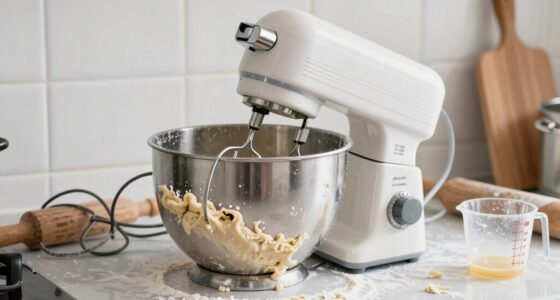
To avoid ruining your dough, start by researching proper ingredient substitutions to prevent inconsistent results. Always clean your mixer thoroughly after each use, paying special attention to sticky ingredients, to maintain hygiene and machine performance. Be mindful of how ingredient changes can affect mixing, ensuring you don’t overmix or undermix your dough. Use the right ingredients and equipment carefully. Keep these tips in mind, and you’ll set yourself up for successful baking every time—more helpful tips await!
Key Takeaways
- Always follow tested recipes and avoid unresearched ingredient substitutions to ensure proper dough consistency and rise.
- Disassemble and thoroughly clean the mixer after each use to prevent residue buildup and contamination.
- Use ingredients that are appropriate for the recipe, paying attention to flour type and yeast quantities.
- Do not overmix or undermix the dough; understand how ingredients affect gluten development for optimal results.
- Regularly inspect and maintain the mixer to ensure it functions properly and prolongs equipment life.
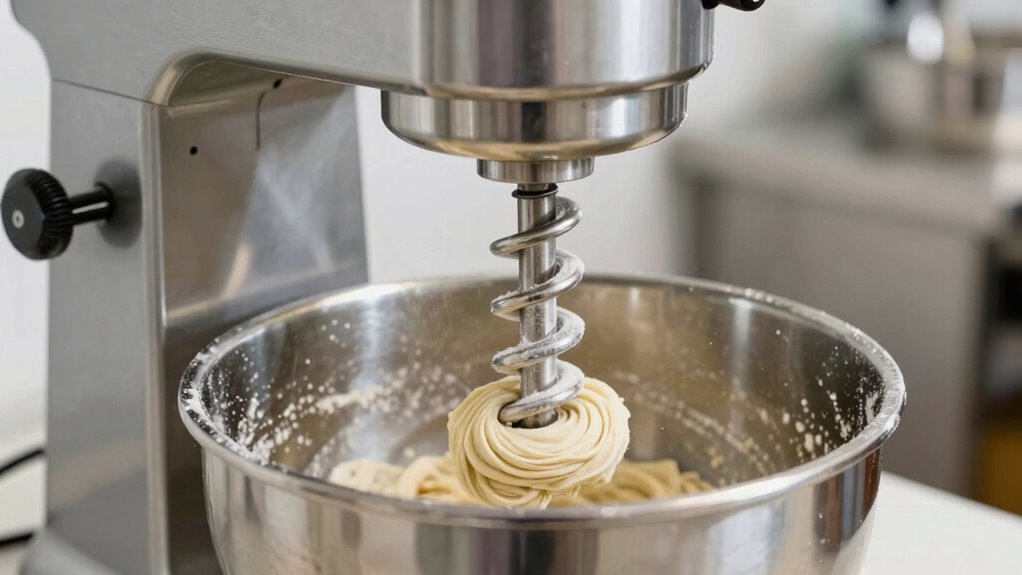
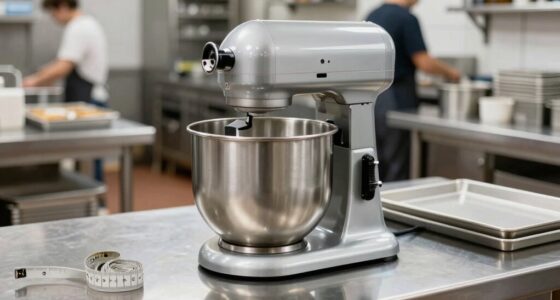
Starting with a spiral dough mixer can be exciting, but beginners often make common mistakes that can affect their baking results. One of the first errors you might make is improper ingredient substitution. It’s tempting to swap ingredients to suit what’s available or to tweak recipes, but doing so without understanding how substitutions interact can ruin your dough. For example, replacing bread flour with all-purpose flour might seem harmless, but it can affect gluten development, leading to a denser texture. Similarly, substituting yeast types or altering quantities without adjusting other ingredients can throw off the fermentation process. Before making any ingredient changes, research how each substitute impacts the dough’s consistency, rise, and flavor. Stick to tested ratios or consult reliable sources to prevent unexpected results. Additionally, understanding how ingredient substitution impacts the mixing process can help you achieve better results and avoid overworking your dough.
Avoid ingredient substitutions without research to ensure consistent, high-quality dough results.
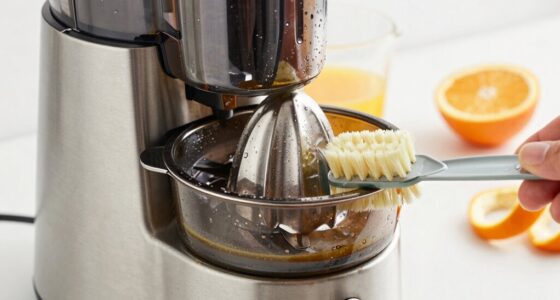
Another critical aspect beginners overlook is following proper cleaning protocols. A spiral dough mixer is a professional tool, and neglecting its cleaning can cause cross-contamination, mold growth, or residual buildup that hampers dough quality. After each use, you should disassemble removable parts, such as the mixing bowl and spiral arm, and wash them thoroughly with warm, soapy water. Wipe down the main body of the machine, paying special attention to areas where dough or flour can get trapped. Always dry all parts completely before reassembling to prevent rust or bacterial growth. Regular cleaning not only ensures food safety but also maintains the machine’s performance, preventing issues like uneven mixing or motor strain caused by debris.
Additionally, understanding how ingredient substitution affects the cleaning process is important. Some ingredients, like honey or certain fats, can be stickier and harder to clean if not washed promptly. Recognizing these differences helps you develop a cleaning routine that keeps your equipment in top shape. Keep in mind that neglecting cleaning protocols can lead to build-up that contaminates future batches, altering the taste and texture of your dough. Establish a routine to clean your mixer immediately after each use rather than letting residues dry and become tougher to remove. Using the right cleaning tools, like brushes and soft cloths, ensures thorough sanitation without damaging the machine.
In short, as you start working with a spiral dough mixer, prioritize understanding ingredient substitution and stick to strict cleaning protocols. This will help you avoid common pitfalls, produce consistent dough, and extend the lifespan of your equipment. Paying attention to these details from the beginning saves you time, money, and frustration, setting you up for successful baking adventures.
As an affiliate, we earn on qualifying purchases.
Frequently Asked Questions
How Often Should I Clean My Spiral Dough Mixer?
You should clean your spiral dough mixer after every use to follow proper maintenance schedule and prevent buildup. Use cleaning tips like unplugging the machine first, removing any leftover dough, and wiping down all surfaces with warm, soapy water. Don’t forget to dry thoroughly to avoid rust. Regular cleaning guarantees your mixer works efficiently, prolongs its lifespan, and keeps your food safe. Make it a habit for the best results.
What Dough Consistency Is Ideal for Spiral Mixers?
Think of your dough like a well-tuned orchestra—perfectly hydrated dough with about 60-65% hydration yields ideal gluten development. In your spiral mixer, aim for a consistency that’s elastic, slightly tacky, but not sticky. Too wet, and it’ll cling; too dry, and gluten won’t form properly. With the right dough hydration, your mixer will work efficiently, giving you a strong, airy bread every time.
Can I Use a Spiral Mixer for Non-Dough Recipes?
Yes, you can use a spiral mixer for non-dough recipes, but you’ll need to think about alternative uses and recipe adaptations. For example, it’s great for mixing heavy batters or thick fillings, but avoid overloading it with liquids or delicate ingredients. Adjust your mixing speed and time accordingly. Always monitor the process to prevent overmixing, and make sure the mixer’s design suits your specific recipe for the best results.
What Safety Precautions Should I Follow When Operating It?
Imagine guiding a powerful steed; safety gear is your armor, protecting you from unexpected kicks. Always wear gloves, eye protection, and an apron. Before starting, familiarize yourself with the emergency shutdown button—think of it as your brake in case of chaos. Never bypass safety features, and keep hands clear of moving parts. These precautions make certain you operate confidently, preventing accidents and keeping your workspace safe and efficient.
How Do I Troubleshoot Common Mixing Issues?
When troubleshooting common mixing issues, start by checking if you’re using the correct mixing speed; too high or low can cause problems. Make certain you add ingredients in the proper order, as rushing this step can lead to uneven mixing or dough inconsistencies. If the mixer isn’t functioning correctly, inspect the power connection and blades for obstructions. Adjust speed and ingredient sequence as needed to achieve smooth, consistent results.
professional dough mixer cleaning tools
As an affiliate, we earn on qualifying purchases.
As an affiliate, we earn on qualifying purchases.
Conclusion
By avoiding these common mistakes, you’ll master your spiral dough mixer in no time. Remember, patience and attention are key—don’t rush like a knight rushing into a joust without a plan. Keep your ingredients precise, clean your machine regularly, and don’t forget to read the manual. With practice, you’ll be kneading perfect dough every time. So, channel your inner Julia Child and turn your kitchen into a bakery—no need for a time machine, just good habits!
bread flour all-purpose flour substitution
As an affiliate, we earn on qualifying purchases.
As an affiliate, we earn on qualifying purchases.
dough mixing and kneading accessories
As an affiliate, we earn on qualifying purchases.
As an affiliate, we earn on qualifying purchases.