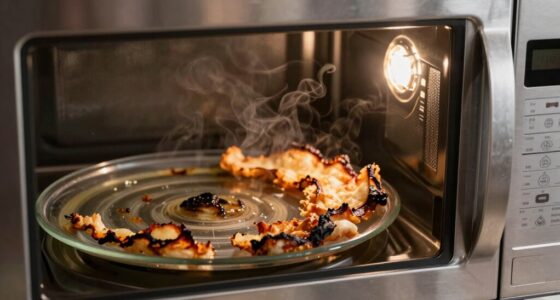
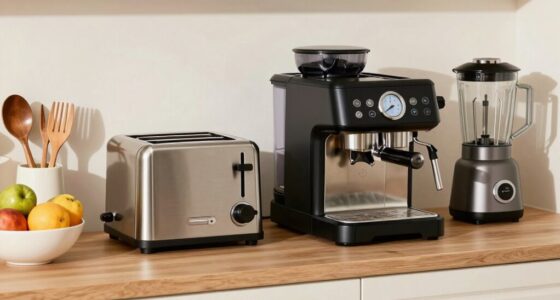
Wattage shows how much power an appliance uses at any moment, but it doesn’t tell you how much energy you’ll actually use each day. To understand your daily energy consumption, you need to take into account how long you run the device. High wattage appliances can still be efficient if used sparingly, while low wattage items can add up if left on all the time. Keep exploring to learn how to manage your energy use better.

Get kitchen staples and gadgets delivered free — and shop member deals
- Fast, free delivery on millions of items
- Access to Prime Big Deal Days deals on October 6–7
- Prime Video, Amazon Music and more included
Key Takeaways
- Wattage indicates the power an appliance consumes at any moment but doesn’t reflect total energy used over time.
- Total daily energy use depends on both wattage and the duration the appliance is operated.
- High wattage appliances running briefly may consume less energy than low wattage devices left on all day.
- Wattage alone doesn’t account for efficiency or usage habits, which significantly impact actual energy consumption.
- Understanding wattage helps estimate potential energy costs, but actual use depends on how long and how often appliances run.

Ever wondered how much energy your household appliances really consume each day? The wattage listed on your devices might give you a hint, but it doesn’t tell the full story. To understand your energy use better, you need to look beyond just the numbers and consider how often and how long you run each appliance. Wattage indicates the power an appliance draws at any given moment, but it’s the combination of wattage and usage time that determines your overall energy consumption. This is where a clear understanding of energy efficiency and cost comparison can make a big difference.
High wattage appliances, like your oven or space heater, use a lot of power when they’re operating, but if you only run them for short periods, their total energy use might be manageable. Conversely, smaller devices like your phone charger or LED light bulbs have low wattage, but if you leave them plugged in all day, they can add up. Knowing this helps you make smarter choices about appliance use and can lead to significant savings on your electricity bill. It’s about balancing wattage with actual daily use, which is essential for a proper cost comparison.
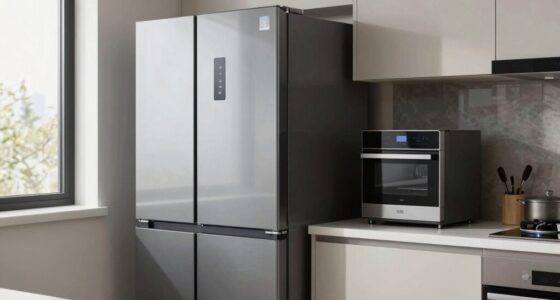
You should also consider the energy efficiency of your appliances. Modern models are often designed to use less power for the same performance, meaning they’re more cost-effective over time. An energy-efficient refrigerator or washing machine, for example, might have a higher wattage rating but consumes less energy because it operates more effectively. Comparing these efficiencies helps you see which appliances offer the best value, especially when factoring in long-term costs. The upfront price might be higher for an energy-efficient model, but it pays off in reduced energy bills over the years. Energy efficiency, in particular, plays a crucial role in reducing overall energy consumption.
When you pay attention to wattage and how long you run each device, you can change your habits to reduce energy waste. For instance, unplugging chargers when not in use or running full loads in your dishwasher minimizes unnecessary power consumption. By doing a cost comparison between appliances based on their wattage and energy efficiency, you can identify which ones are worth investing in and which ones to replace. This approach not only saves money but also helps you reduce your carbon footprint. Being aware of appliance energy consumption and usage habits empowers you to make smarter, environmentally friendly choices.
In the end, wattage alone doesn’t tell you everything about your daily energy consumption. Instead, it’s a key piece of the puzzle when combined with your actual usage patterns and the energy efficiency of your appliances. Being mindful of these factors allows you to make smarter decisions, cut costs, and become a more energy-conscious homeowner.
As an affiliate, we earn on qualifying purchases.
Frequently Asked Questions
How Does Wattage Relate to Appliance Energy Efficiency?
Wattage indicates how much power an appliance uses, but it doesn’t directly measure energy efficiency. Lower wattage appliances often consume less energy, leading to more energy savings over time. Choosing energy-efficient models can also extend your appliance lifespan, saving you money on repairs or replacements. So, while wattage gives you a sense of power consumption, look for ENERGY STAR ratings to guarantee you’re making the most efficient choice for daily use.
Can Lower-Watt Appliances Be More Effective Than Higher-Watt Ones?
Lower-watt appliances can be more effective than higher-watt ones if they have better design, efficiency, and meet your specific needs. They often consume less power, reducing overall power consumption, and may have a longer appliance lifespan due to less strain on components. You should consider how your usage patterns align with an appliance’s efficiency, rather than just wattage, to make certain you’re making the most effective and energy-efficient choice.
Does Higher Wattage Mean an Appliance Consumes More Electricity?
Does higher wattage mean more electricity use? Not necessarily. Power consumption depends on how long you run the appliance, not just its wattage. While wattage myths suggest higher wattage equals higher energy bills, a high-watt device used briefly might use less energy overall than a lower-watt one used all day. Think of wattage as the appliance’s muscle, but your usage habits determine the total power consumption.
How Can I Estimate Total Daily Energy Consumption Based on Wattage?
You can estimate your daily energy consumption by multiplying the appliance’s wattage by its daily usage hours, then dividing by 1,000 to get kilowatt-hours (kWh). This helps you understand the energy cost and how it impacts your appliance’s lifespan. Regularly tracking this info allows you to manage expenses better and extend your appliance’s longevity by avoiding overuse, ultimately saving money and reducing wear and tear.
Are There Safety Concerns With Using High-Wattage Appliances Frequently?
Using high-wattage appliances frequently is like walking a tightrope over a stormy sea—exciting but risky. Safety hazards include electrical fires and shocks, especially if your wiring isn’t up to the task. Overloading risks can cause breakers to trip or wires to overheat, leading to potential damage or danger. Always make certain your circuits can handle the load, and avoid running multiple high-wattage devices simultaneously to keep your home safe.
As an affiliate, we earn on qualifying purchases.
Conclusion
Understanding appliance wattage helps you make smarter choices about daily energy use. Don’t just look at the numbers—consider how often you’ll run each device and what that means for your electricity bills. Remember, a little knowledge goes a long way; it’s the key to avoiding surprises and keeping your energy habits in check. So, don’t put all your eggs in one basket—plan wisely and stay ahead of the game!
smart power strip with energy monitoring
As an affiliate, we earn on qualifying purchases.
As an affiliate, we earn on qualifying purchases.
As an affiliate, we earn on qualifying purchases.
Fall Picks
fall essentials
As an affiliate, we earn on qualifying purchases.