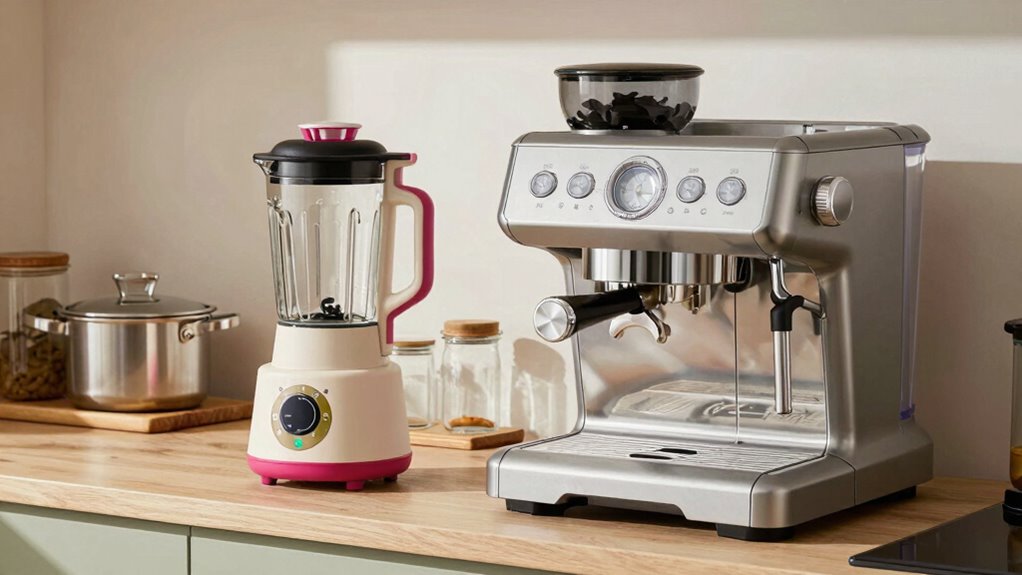

The real difference between consumer and prosumer kitchen gear lies in durability, build quality, and how often you use them. Consumer appliances are designed for casual, infrequent use and focus on affordability, but they may wear out faster with heavy use. Prosumer gear is built for serious or frequent cooking, often using higher-quality materials that last longer. If you want to learn more about choosing the right equipment for your needs, keep exploring these differences.

Get kitchen staples and gadgets delivered free with Prime
- Fast, free delivery on millions of items
- Prime Video, Amazon Music and more included
- Member-only deals all year
Key Takeaways
- Consumer kitchen gear is designed for casual use, prioritizing affordability and convenience, while prosumer gear is built for frequent, heavy-duty use and durability.
- Prosumer appliances use higher-quality materials and reinforced construction, leading to longer lifespan and consistent performance.
- Consumer appliances are lower priced to attract volume sales, whereas prosumer gear commands higher prices reflecting premium quality.
- Long-term, prosumer equipment offers better value through durability and sustained performance, making it ideal for serious home cooks.
- Material quality and construction directly influence the appliance’s lifespan, performance, and suitability for demanding kitchen environments.
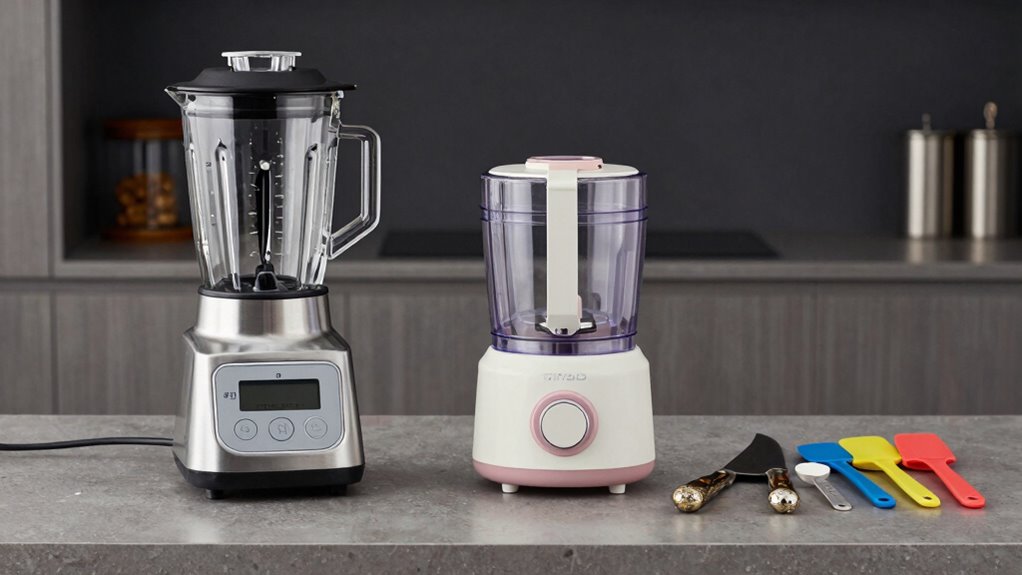
When choosing kitchen gear, many home cooks find themselves torn between consumer-grade appliances and prosumer equipment. The decision often hinges on understanding the core differences—particularly when it comes to appliance durability and pricing strategies. Consumer appliances are designed with the average user in mind. They prioritize convenience and affordability, which often means sacrificing long-term durability for lower upfront costs. These appliances are built to handle occasional use, making them perfect for casual cooks or those on a budget. However, their materials and construction might not stand up to frequent, heavy-duty use. If you’re someone who loves to cook every day or experiment with complex recipes, you might notice these appliances wear out faster or require more repairs over time.
On the other hand, prosumer kitchen gear leans toward durability and performance. These appliances are constructed with higher-quality materials and reinforced components, making them more resistant to wear and tear. You’ll find that prosumer equipment can handle intensive use and last for years, often with fewer issues. This focus on appliance durability translates into a higher initial investment, but it can save you money in the long run because you won’t need to replace or frequently repair your gear. When you compare pricing strategies between the two, it’s clear that consumer appliances follow a more aggressive approach: lower prices attract a broad audience, and manufacturers often offset lower margins with higher sales volumes. Conversely, prosumer brands position themselves as premium options, charging a premium price that reflects the quality and durability of their products.
Choosing between the two comes down to your cooking habits and budget. If you’re just starting out or only cook occasionally, consumer appliances may serve you well without breaking the bank. But if cooking is a serious hobby or even a profession, investing in prosumer gear could be more economical over time. The upfront higher cost is often justified by their long-term durability, which ensures consistent performance even in demanding environments. The trade-off is that with prosumer equipment, you’re paying for better appliance durability and performance, which can make your cooking more efficient and enjoyable. Additionally, durable appliances tend to retain their value longer, making them a worthwhile investment for dedicated home chefs. Understanding the different pricing strategies used by manufacturers can help you better evaluate the long-term value of your purchase. It’s also helpful to recognize that the materials and construction of appliances can significantly impact their lifespan and performance, especially in demanding kitchen environments. Ultimately, understanding your own needs and how each type of gear aligns with your kitchen routine will help you make a wiser choice. Whether you prioritize affordability or long-term reliability, knowing the differences in pricing strategies and appliance durability helps you select the best gear for your culinary journey.
Products Worth Considering

Vitamix Propel Series 750 Professional-Grade Blender, 4 Programs, Black
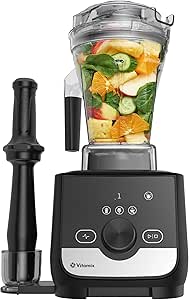
Vitamix Ascent X3 Professional-Grade Blender, 3 Programs, Shadow Black
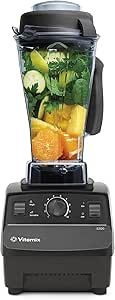
Vitamix 5200 Professional-Grade Blender, 64 oz. Container, Black
As an affiliate, we earn on qualifying purchases.
Frequently Asked Questions
Are Prosumer Kitchen Appliances More Energy-Efficient Than Consumer Ones?
Prosumer kitchen appliances are generally more energy-efficient than consumer ones because they’re designed for higher performance and durability, often with advanced features that reduce energy consumption. By choosing prosumer gear, you can lower your environmental impact and save on energy costs over time. These appliances typically have better build quality and energy-saving technologies, making them a smarter, eco-friendlier choice for serious home chefs and environmentally conscious users.
How Long Do Prosumer Kitchen Gadgets Typically Last?
Think of prosumer kitchen gadgets as sturdy oak trees in your culinary garden—they’re built to last. Usually, they last between 5 to 10 years, thanks to high material quality and durability expectations. They’re designed for frequent use and can withstand the demands of a serious kitchen. With proper care, these tools become reliable companions, offering longevity that surpasses typical consumer appliances, making your investment worth every penny.
Can Prosumer Gear Be Used in Professional Restaurant Kitchens?
Yes, prosumer gear can be used in professional restaurant kitchens, but you should check its commercial suitability and professional certification first. Many prosumer appliances are durable and high-performing, making them suitable for demanding environments. However, not all are designed for constant, heavy-duty use. Ensuring the gear meets industry standards and certifications helps you avoid issues with reliability, safety, and compliance in a professional setting.
What Maintenance Do Prosumer Kitchen Appliances Require?
Prosumer kitchen appliances demand diligent dedication to durable design and regular maintenance schedules. You should clean appliances consistently, checking for wear and tear, and follow manufacturer instructions for servicing. Keep components lubricated, filters replaced, and surfaces sanitized. By performing these proactive practices, you’ll prolong appliance durability, prevent problems, and guarantee your gear stays great. Regular upkeep guarantees your prosumer appliances stay powerful, productive, and prepared for culinary adventures.
Are Prosumer Kitchen Devices Compatible With Smart Home Systems?
Prosumer kitchen devices often support smart home integration, making them compatible with many smart systems. However, you may face compatibility issues depending on the brand or technology. Before purchasing, check the device’s specifications and guarantee it works seamlessly with your existing smart home setup. This way, you can enjoy the convenience of controlling your kitchen gear remotely without dealing with compatibility problems.
Conclusion
Ultimately, choosing between consumer and prosumer kitchen gear depends on your cooking ambitions. If you’re just dabbling or cooking casually, stick with the basics—you don’t want to burn a hole in your pocket. But if you’re serious about elevating your culinary game, investing in prosumer equipment can pay off. Remember, it’s often better to have the right tool for the job than to bite off more than you can chew. Pick what suits your needs best!