
Using a cooling rack properly impacts your baked goods’ texture more than you might think because it helps control moisture and promotes uniform cooling. When you elevate treats off hot surfaces, you allow excess steam to escape, preventing sogginess and maintaining crispness or tenderness. Proper airflow also helps set the final structure, ensuring your baked goods don’t turn out limp or gummy. Keep going, and you’ll discover even more tips to perfect your baking process.

Get kitchen staples and gadgets delivered free — and shop member deals
- Fast, free delivery on millions of items
- Access to Prime Big Deal Days deals on October 6–7
- Prime Video, Amazon Music and more included
Key Takeaways
- Using a cooling rack promotes even air circulation, preventing moisture buildup and sogginess.
- Proper cooling on a rack allows steam to escape, maintaining crispness in baked goods.
- Cooling on a hot baking sheet traps moisture, softening crusts and affecting texture negatively.
- Rapid cooling on a rack helps set the structure, avoiding gummy or dense interiors.
- Timing the cooling process ensures finished texture, especially for crispy or tender baked goods.
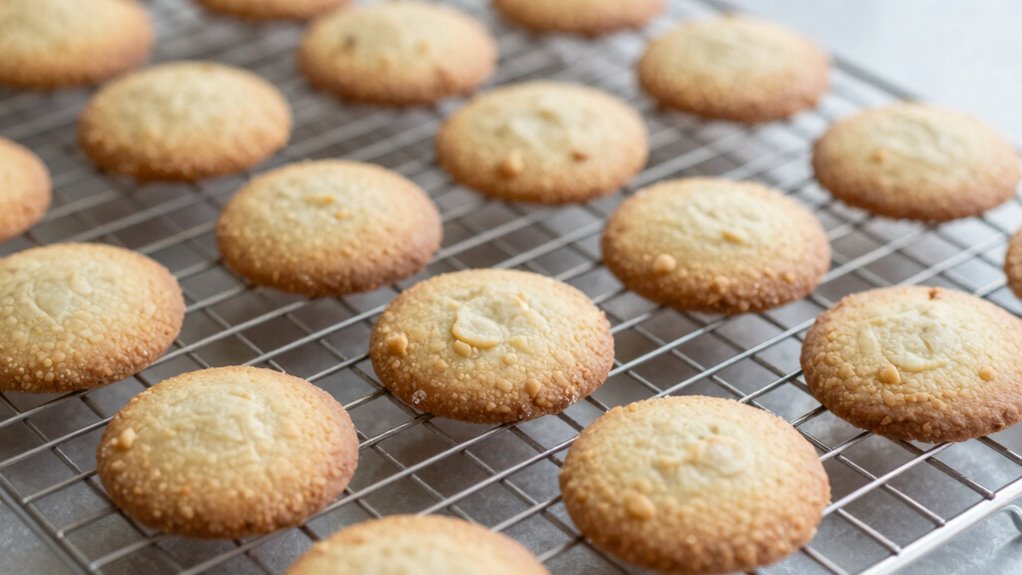
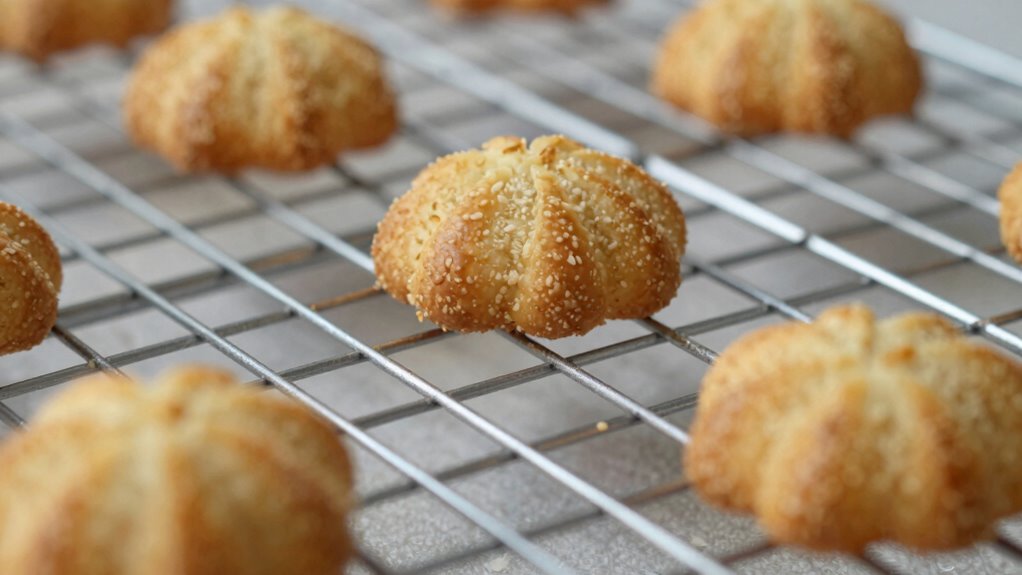
When you’re cooling baked goods, the choice of whether to use a cooling rack can considerably impact their texture. If you let baked items sit directly on a solid surface, moisture tends to get trapped underneath, making the bottom soggy and affecting the overall crunch or tenderness. Using a proper cooling rack ensures air circulates evenly around your treats, helping them set and cool uniformly. This simple step can make a significant difference, especially with cookies, pastries, and bread.
Using a cooling rack prevents sogginess and promotes even cooling for perfectly textured baked goods.
The role of a cooling rack becomes even more critical when considering how oven temperature and baking duration influence texture. During baking, higher oven temperatures or longer baking times can cause the outer layers of your baked goods to become crisp or caramelized while the insides stay moist. If you don’t cool them properly, residual heat can continue to cook the interior, leading to an overly dry or dense texture. A cooling rack allows excess heat and moisture to escape more quickly, preventing overcooking after removal from the oven. Proper moisture management during cooling is essential to maintain the ideal texture of your baked goods.
When you transfer your baked goods to a cooling rack, you’re giving them the chance to finish setting without trapping steam underneath. This is especially important for items like cookies and scones, which are prone to becoming limp if cooled improperly. If they’re left on a hot baking sheet or a flat surface, trapped moisture can soften the exterior, ruining the desired crunch or crumb structure. The air circulation provided by the rack helps maintain the intended texture, whether it’s a crispy crust or a tender crumb. Proper cooling also helps prevent moisture buildup, which can negatively impact the final texture of baked goods. Additionally, moisture control during cooling plays a crucial role in preserving the optimal texture and preventing spoilage. Using a cooling rack also facilitates even cooling, which is vital for achieving the best possible texture and appearance in your baked items.
Another aspect to keep in mind is that the timing of cooling impacts how well the texture develops. If you cut into bread or cakes too soon, the residual heat and moisture can cause them to be gummy or dense. Using a cooling rack encourages rapid cooling, which helps set the structure and prevents moisture from settling into the interior. This is especially vital if you’ve baked at a high oven temperature or for an extended baking duration, both of which can intensify the need for proper cooling to preserve the right texture.
As an affiliate, we earn on qualifying purchases.
Frequently Asked Questions
How Long Should Baked Goods Stay on the Cooling Rack?
You should let baked goods stay on the cooling rack until they reach room temperature, which usually takes about 20-30 minutes. Removing them too early can trap steam, affecting texture, especially if the oven temperature was high or the baking time was long. This cooling process allows moisture to escape gradually, preventing sogginess and maintaining the desired crispness or tenderness of your baked treats.
Can Using a Different Material for the Rack Change the Texture?
Using a different material for your cooling rack can greatly impact the texture of your baked goods. Metal racks promote faster cooling and crispness, while wire racks may cause moisture retention, leading to a softer texture. The material impact influences how quickly heat and moisture escape, altering the final texture. So, choosing the right rack material based on your baked item ensures you achieve the perfect crunch or softness you desire.
Does the Rack’s Grid Size Impact the Cooling Process?
Think of your cooling rack like a city skyline – a tighter grid feels like crowded streets, slowing airflow efficiency, while a larger grid offers open avenues. A small grid size restricts air circulation, making baked goods soggy or unevenly cooled, whereas a bigger grid promotes better airflow, preserving crispness. So, choosing the right grid size directly impacts how quickly and evenly your treats cool down.
Should Baked Items Be Covered While Cooling?
You should generally leave baked items uncovered while cooling to prevent sogginess. Covering baked goods traps steam, which can soften the crust and alter texture. When using cooling racks, consider their materials—metal racks promote airflow, helping items cool evenly without condensation. If you need to cover, do so lightly with a breathable cloth to avoid trapping moisture, ensuring your baked goods maintain their perfect texture.
Can Cooling Racks Be Reused for Different Recipes?
Cooling racks can definitely be reused for different recipes, and they’re your kitchen’s unsung heroes. With their shelf stability and rack versatility, they handle everything from cookies to roasted veggies effortlessly. Think of them as the Swiss Army knives of cooling tools—durable, adaptable, and essential. Just give them a quick wash between uses to maintain their performance, and you’ll keep enjoying perfect textures every time.
oven-safe cooling rack for cookies
As an affiliate, we earn on qualifying purchases.
As an affiliate, we earn on qualifying purchases.
Conclusion
Next time you cool your baked goods on a rack, remember that this step deeply influences their texture. Proper cooling prevents sogginess and helps maintain that perfect crisp or tender bite. Did you know that studies show baked items cooled on a wire rack retain their freshness up to 30% longer? So, don’t just transfer to the rack — give it the attention it deserves. Your treats will thank you with an ideal, satisfying texture every time.
stainless steel cooling rack for bread
As an affiliate, we earn on qualifying purchases.
As an affiliate, we earn on qualifying purchases.
non-stick cooling rack for pastries
As an affiliate, we earn on qualifying purchases.
As an affiliate, we earn on qualifying purchases.
Fall Picks
fall essentials
As an affiliate, we earn on qualifying purchases.