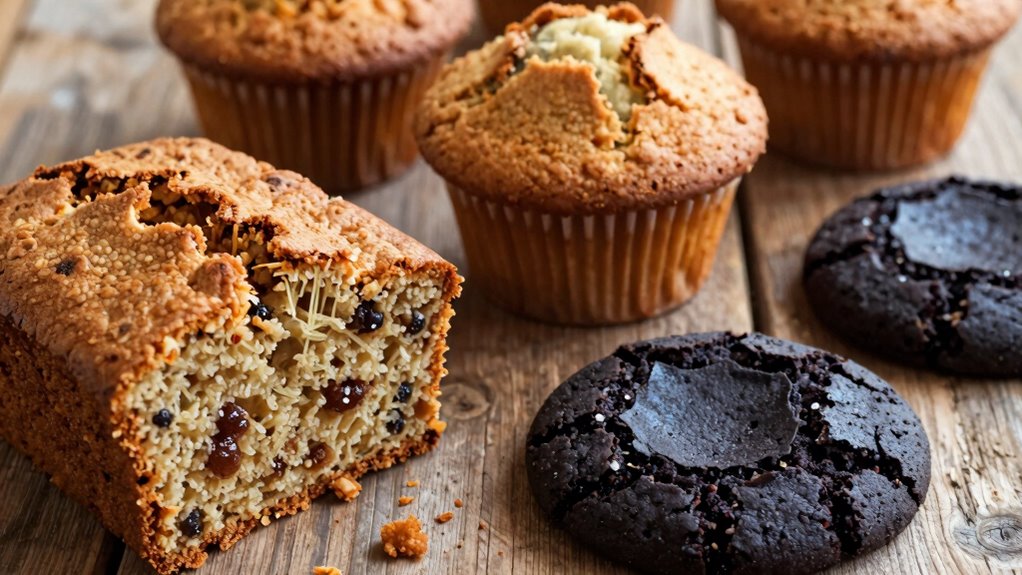

To fix dry cake, try adding moisture-rich ingredients like sour cream, yogurt, or applesauce, and check your oven temperature with a thermometer to prevent overbaking. For dense muffins, avoid overmixing the batter, use fresh leavening agents, and lower your oven temperature for better rise. To prevent tough cookies, reduce baking time, lower oven heat slightly, and incorporate softer ingredients like milk or yogurt. Keep these tips in mind to improve your baked goods and discover more solutions ahead.

Get kitchen staples and gadgets delivered free with Prime
- Fast, free delivery on millions of items
- Prime Video, Amazon Music and more included
- Member-only deals all year
Key Takeaways
- Substitute some butter or oil with moisture-rich ingredients like sour cream, applesauce, or yogurt.
- Avoid overmixing batter to prevent gluten development and dense baked goods.
- Check and adjust oven temperature with a thermometer to ensure proper baking conditions.
- Use fresh leavening agents and proper measurements to promote good rise and light texture.
- Slightly lower oven temperature and bake for shorter times to prevent dryness and toughness.
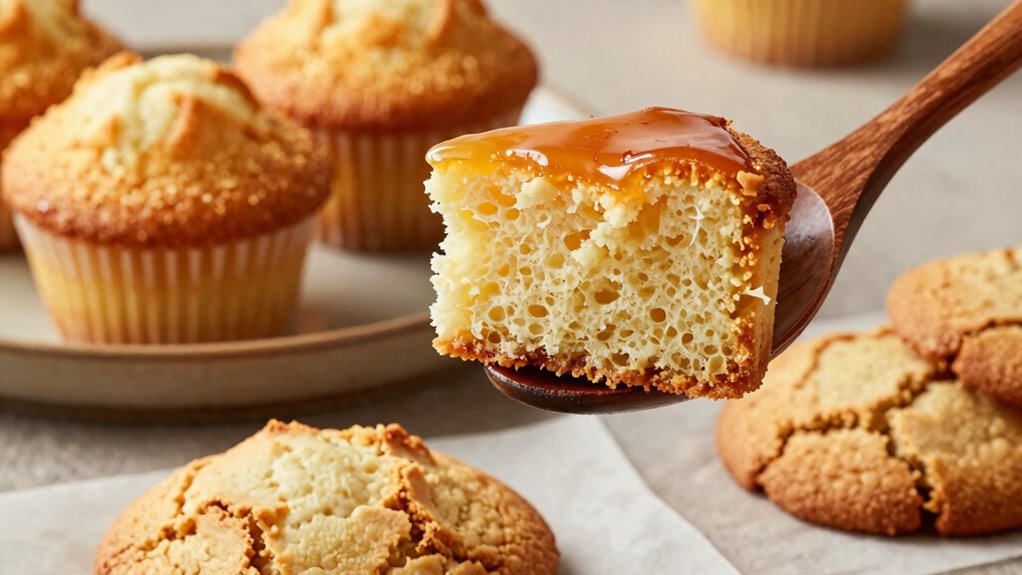
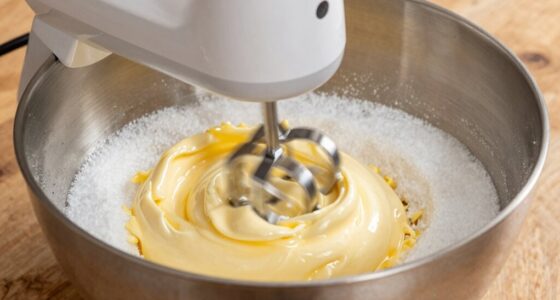
Baking glitches can be frustrating, but many common issues have quick and simple fixes. If you find your cake turning out dry, it’s often because of overbaking or using ingredients that don’t provide enough moisture. To fix this, you can try making baking ingredient substitutions that add moisture, like swapping out some of the butter or oil for sour cream or applesauce. These substitutions help improve the texture without altering the flavor too much. Also, check your oven temperature—if your oven runs hot, your cake might bake too quickly, leading to dryness. Adjust the oven temperature slightly lower or use an oven thermometer to ensure accuracy. Lowering the temperature and baking a little longer can help your cake stay moist and tender. Additionally, understanding how baking ingredients impact moisture can help you make better choices for consistently moist baked goods. For example, incorporating ingredients like yogurt or buttermilk can enhance moisture retention in your baked items. Recognizing the role of leavening agents in baking can also help prevent issues like dense baked goods. Being aware of how these agents work can improve your baking results and prevent overmixing, which can contribute to density. When your muffins come out dense instead of light and fluffy, it’s usually due to mixing or ingredient issues. Overmixing the batter develops gluten, making the muffins heavy. To fix this, gently fold the ingredients just until combined, avoiding overdoing it. Sometimes, adding a pinch more baking powder or baking soda can give the batter a little extra lift, creating a fluffier crumb. If you suspect your leavening agents are old, replace them with fresh ones to ensure proper rising. Also, consider oven temperature adjustments—if your oven runs too hot, it can cause the muffins to set quickly on the outside while remaining dense inside. Lower the temperature slightly to allow even rising and better texture. Proper oven temperature control is crucial for achieving the desired muffin texture and avoiding density issues. In addition, using fresh ingredients and measuring accurately can significantly impact the rise and lightness of your muffins. Being mindful of measuring techniques can help you achieve consistent results and better texture. For tough cookies, the problem often lies in overbaking or using ingredients that make the cookies too stiff. To remedy this quickly, reduce your baking time and keep a close eye on your cookies as they bake. You might also try baking at a slightly lower oven temperature to promote even baking and prevent excessive drying. If your cookies turn out too hard, think about baking ingredient substitutions that add moisture, like replacing part of the butter with a little milk or yogurt. These adjustments can soften the final product. Remember, oven temperature adjustments are key—an oven that’s too hot can make cookies tough, so using an oven thermometer ensures consistent results. By tweaking these variables, you can troubleshoot and fix common baking problems efficiently, turning your mishaps into delicious successes. Understanding baking temperature effects can help you better control your baked goods’ texture and quality.
As an affiliate, we earn on qualifying purchases.
Frequently Asked Questions
Can Ingredient Substitutions Affect Cake Texture?
Yes, ingredient swaps can definitely affect cake texture. When you substitute ingredients, you change the chemical balance, which impacts the final result. For example, swapping butter for oil can make the cake moister, but may alter the crumb. Similarly, using different types of flour or sweeteners impacts the texture impact. So, always consider how ingredient swaps might change your cake’s lightness, moistness, or density.
How Does Altitude Influence Baking Outcomes?
High altitude considerably influences baking outcomes because lower air pressure causes baked goods to rise faster and then collapse. To manage this, you should make baking adjustments like reducing leavening agents, increasing liquid, and shortening baking time. These changes help your cakes and muffins rise properly and avoid dryness or density. With the right altitude-specific baking adjustments, you’ll achieve better, more consistent results at higher elevations.
What’s the Best Way to Store Baked Goods Long-Term?
To guarantee your baked goods stay fresh long-term, focus on improving shelf stability and freezing techniques. Wrap items tightly in plastic wrap or foil, then store them in airtight containers or freezer bags to prevent freezer burn. Label everything with dates. For maximum freshness, freeze baked goods as soon as they cool. When ready to enjoy, thaw at room temperature or reheat briefly in the oven for best texture.
How Do Oven Calibration Issues Impact Baking Results?
Did you know that even a 25°F difference in oven temperature can change baking times and textures considerably? Oven calibration issues directly impact your baking results by causing inaccurate oven temperature readings, leading to under or over-baking. If your oven isn’t properly calibrated, the temperature may fluctuate, making it hard to achieve consistent results. Regular calibration ensures your oven maintains accurate temperature, helping your baked goods turn out perfectly every time.
Are There Natural Remedies for Improving Baked Texture?
You can improve baked textures with natural remedies like herbal remedies and dietary adjustments. Incorporate herbs such as chamomile or ginger to enhance moisture and tenderness naturally. Adjust your diet by adding more healthy fats, like olive oil or avocado, which can improve crumb and moisture. These natural remedies work gradually but effectively, helping you achieve softer cakes, fluffier muffins, and tender cookies without relying on artificial additives.
moisture-rich baking ingredient set
As an affiliate, we earn on qualifying purchases.
As an affiliate, we earn on qualifying purchases.
Conclusion
Next time your baked goods turn out dry, dense, or tough, remember these quick fixes—your go-to solutions for perfect treats. Did you know that over 60% of home bakers have experienced a baking mishap at least once? Don’t let that discourage you; with these simple tips, you’ll be back to baking delicious, flawless goodies in no time. Keep experimenting, and your kitchen will soon be filled with perfect smells and even better results!
leavening agents baking soda baking powder
As an affiliate, we earn on qualifying purchases.
As an affiliate, we earn on qualifying purchases.
baking measurement spoons and cups
As an affiliate, we earn on qualifying purchases.
As an affiliate, we earn on qualifying purchases.
Evergreen bestsellers Picks
bestsellers
As an affiliate, we earn on qualifying purchases.