TL;DR

Get kitchen staples and gadgets delivered free — and shop member deals
- Fast, free delivery on millions of items
- Access to Prime Big Deal Days deals on October 6–7
- Prime Video, Amazon Music and more included
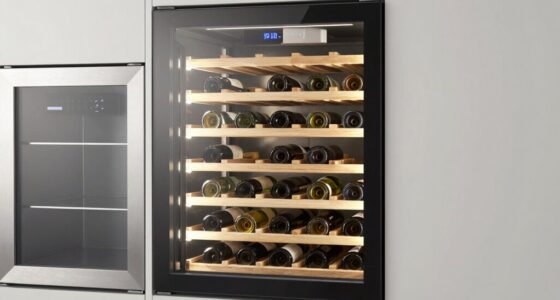
A U.S. restaurant identifying itself as a wine bar won the James Beard Foundation’s best new restaurant award, underscoring the rising visibility of food-focused wine bars. Consultants and operators interviewed by VinePair say the format is also spreading internationally, combining serious cooking and wine with a more casual, social experience. The scale of the trend and its commercial impact are not established by data in the report.
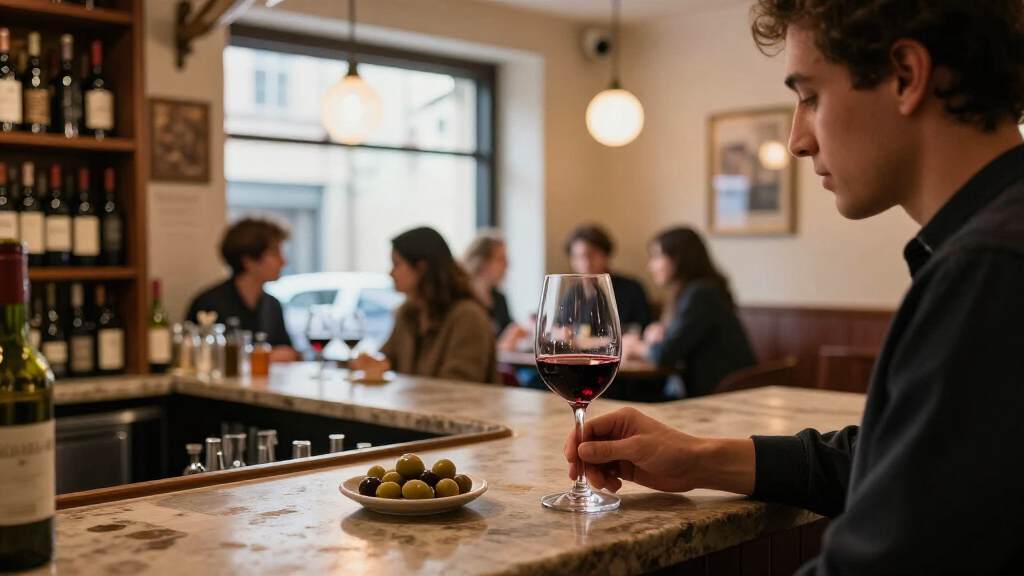
Restaurants that call themselves wine bars while serving full, ambitious menus are gaining recognition in the United States and appearing in international markets, according to a VinePair report. The trend drew fresh attention after New York restaurant Lei, which describes itself as a wine bar, won the James Beard Foundation’s best new restaurant award, highlighting a format that combines a substantial wine program with restaurant-level cooking.
Lei’s award followed positive reviews from outlets including The New York Times, The New Yorker, Eater and Time Out, VinePair reported. The restaurant’s spokesperson told the publication that the wine list came first, and that the food was developed to pair well with a wide range of wines. The recognition suggests that the label “wine bar” no longer necessarily signals a menu limited to snacks or small plates.
Industry consultant Jarl de Vries, managing director of Amsterdam-based Studio Numen and Cocktail Professor, told VinePair that venues using the label increasingly offer food, events and other experiences alongside wine. He said the wording can reassure guests about the broader quality of a venue. The report describes the food at these places as often more developed than the cheese boards and charcuterie associated with older wine-bar models, with smaller, shareable dishes also common.
The approach is not confined to the U.S. In Bruges, Belgium, Cult, which opened in late 2024, describes itself on its website as “Wijnbar & Apero, Restaurant.” Co-founder Kees Dobbelaar told VinePair that the team’s earlier experience at local bar Blend informed its thinking: customers who came for drinks often left after a couple of rounds when there was little food. Blend later began serving small bites. Cult has a full kitchen and serves dishes including dry-aged steak, while retaining its wine-bar identity.
A More Casual Route to Fine Dining
The format matters because it can change what diners expect before they arrive. “Wine bar” can suggest a less formal, more social meal than a conventional fine-dining restaurant, even when the kitchen serves a broad menu. Jonathan Pogash, founder of The Cocktail Guru consultancy, told VinePair that the label signals a more casual and open style of service.
For operators, that positioning may help welcome guests who want a good meal without the formality associated with fine dining. It can also encourage visits centered on drinks as well as food. VinePair’s reporting points to possible business advantages, but it does not provide financial data showing whether the model improves revenue or margins. The practical effect may vary with a venue’s location, menu, pricing and customer base.
The trend also reflects changing ideas about how a restaurant experience is presented. De Vries told VinePair that the concept can shape not only the wine list and menu but also service, design and atmosphere. Some venues, he said, focus on natural, skin-contact and low-intervention wines; that emphasis is a feature of a particular branch of the trend, not a definition of wine bars generally.
As an affiliate, we earn on qualifying purchases.
From Wine Bars to Full Kitchens
Wine bars long predate the current restaurant trend. In the U.S., earlier versions often centered on wine and relatively simple accompaniments. The newer model described by VinePair puts greater emphasis on higher-level cooking alongside a substantial wine program, while retaining a less formal identity.
The shift gained momentum in recent years, although the report does not identify a single starting point. The New York Times’ wine critic Eric Asimov wrote in late 2022 about full-service restaurants calling themselves wine bars and what distinguishes them from other restaurants. Consultant Pogash told VinePair that casualization in dining may be linked to economic pressures and the period after Covid, but that is his explanation, not a measured finding.
The James Beard award adds visibility to the format but does not establish how common it is. Lei’s win is a prominent example, while Cult shows how a venue abroad can combine multiple identities in its own description. The evidence presented by VinePair consists largely of restaurant examples and interviews with consultants and operators, rather than a count of openings or a survey of the industry.
“VinePair reports that Cult’s founders drew on their experience at Blend, where guests often left after a drink or two before the bar began serving small bites.”
— Kees Dobbelaar, Cult co-founder
As an affiliate, we earn on qualifying purchases.
How Far the Trend Has Spread
The scale of the shift is unclear. VinePair cites examples in the U.S. and Europe and interviews industry professionals, but does not provide figures for the number of wine-bar restaurants, their growth rate or how many markets they now reach. It is also unclear whether the label reliably brings in new customers or produces better financial results.
The term itself covers different kinds of businesses. Some venues may build their identity around natural or low-intervention wine, while others may simply use the label to signal a relaxed atmosphere and a food-friendly drinks program. The report does not establish a single definition or show that all restaurants using the description share the same menu, service model or customer profile.
small shareable dishes for wine bar
As an affiliate, we earn on qualifying purchases.
As an affiliate, we earn on qualifying purchases.
More Openings, but No Count Yet
Further openings and industry recognition will help show whether the approach becomes more widespread, but the report identifies no specific upcoming launch, award decision or research milestone. Readers can expect the model to remain visible in restaurant coverage as venues continue to combine wine-led programs with substantial menus.
For now, the next useful measure would be evidence beyond individual examples: opening data, operator results and information on how customers respond. Until that is available, the supported conclusion is limited: the format has gained notable U.S. visibility and has international examples, while its overall reach and commercial performance remain undetermined.
As an affiliate, we earn on qualifying purchases.
Key Questions
What is a wine-bar restaurant?
In the trend described by VinePair, it is a venue that identifies as a wine bar but also serves a developed restaurant menu. The wine program may shape the food, service and atmosphere, but the report does not set a single formal definition.
Why did Lei’s James Beard award draw attention?
Lei won the James Beard Foundation’s best new restaurant award while describing itself as a wine bar. Its spokesperson told VinePair that the wine list was the starting point for designing the food menu.
Is the trend limited to the United States?
No. VinePair points to Cult in Bruges, Belgium, as an international example. The report describes the approach as spreading globally, but provides no data measuring its reach across countries.
Does calling a restaurant a wine bar improve its business?
Industry sources told VinePair that the label can set expectations for a more relaxed experience and may support a venue’s business model. The report does not provide financial results proving that wine-bar branding improves revenue or profit.
Source: rss
NFL season / tailgating Picks
team gear
As an affiliate, we earn on qualifying purchases.