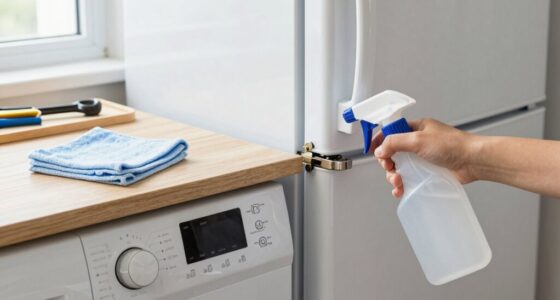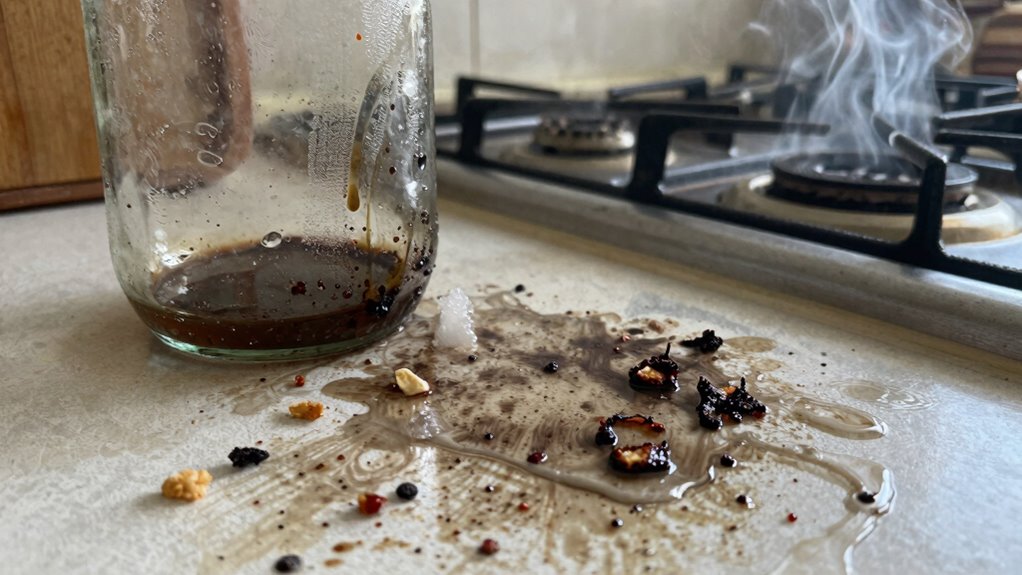

Old crumbs, oil, and condensation turn into weird kitchen smells because they build up over time, creating perfect spots for bacteria and mold to grow. Leftover food particles and greasy films trap odors, while moisture from condensation encourages mold development. If you neglect to clean regularly, these smells can intensify and linger. Staying on top of cleaning and moisture control helps keep your kitchen fresh—stick around to uncover more tips for odor-free cooking spaces.
Listen free for 30 days with Audible
Thousands of audiobooks and originals — cancel anytime.
As an affiliate, we earn on qualifying purchases.
Key Takeaways
- Old crumbs and spills harbor bacteria and mold, which produce foul odors over time.
- Grease and oil residues trap smells and emit unpleasant odors as they break down.
- Condensation creates damp areas that promote mold growth, leading to musty smells.
- Neglected buildup in hidden spots worsens odor due to bacterial and mold activity.
- Lack of regular cleaning allows odors to accumulate and intensify in the kitchen environment.
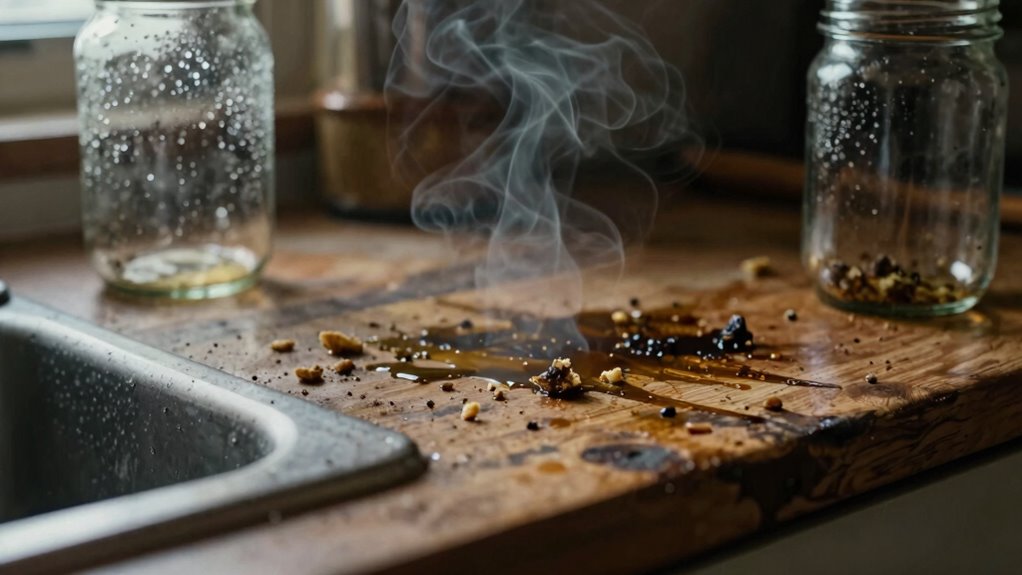
Have you ever noticed strange odors lingering in your kitchen even after cleaning? It’s a common frustration, especially when you feel like you’ve scrubbed every surface but the smell persists. The culprit is often hidden buildup—old crumbs, residual oil, and condensation—that, over time, turns into weird, stubborn smells. These odors are not just annoying; they signal that your kitchen needs better cleaning habits, particularly focused on odor prevention. When you neglect regular kitchen cleaning, tiny crumbs and splatters are left behind, providing a breeding ground for bacteria and mold, which produce unpleasant odors. Oil spills, if not wiped away promptly, settle into surfaces and create a greasy film that traps smells. Similarly, condensation from cooking or cold storage forms damp patches that foster mold growth, releasing musty, stale odors. Regular inspection of kitchen surfaces can help you catch and address potential odor sources early before they become persistent problems.
Persistent kitchen odors often stem from hidden crumbs, residual oil, and condensation buildup over time.
To tackle these issues, you need to be proactive in your kitchen cleaning routine. Regularly sweep or vacuum your countertops and floors to remove crumbs before they accumulate. Wiping down surfaces with a damp cloth and a gentle cleaner can prevent oil from seeping into cracks and crevices. Pay special attention to hidden spots like behind appliances or inside cabinets, where crumbs and spills often go unnoticed. When it comes to oil, using a degreasing cleaner can cut through stubborn residue, reducing the chances of it turning rancid and emitting bad smells. Remember, the key to odor prevention is consistency—cleaning daily if needed, especially after cooking or baking.
Condensation can be trickier, but you can prevent it by ensuring proper ventilation. Use exhaust fans or open windows to allow steam to escape during and after cooking. Wiping down damp surfaces regularly prevents mold from establishing itself and producing that musty smell. Also, consider placing moisture absorbers or silica gel packs in areas prone to condensation, such as inside cabinets or near the sink. These simple steps help keep the environment dry and less hospitable to smell-causing mold or mildew.
In addition to routine cleaning, good kitchen habits go a long way in odor prevention. Store leftovers in airtight containers, clean up spills immediately, and avoid leaving dirty dishes out for long periods. Regularly checking and cleaning your trash bin, as well as the recycling area, prevents lingering odors from spreading into the kitchen. When you combine diligent kitchen cleaning with proper ventilation and storage practices, you can effectively prevent the buildup of smells caused by old crumbs, oil, and condensation. This proactive approach ensures your kitchen stays fresh, clean, and inviting every time you step inside.
As an affiliate, we earn on qualifying purchases.
Frequently Asked Questions
Can Cleaning With Vinegar Eliminate Persistent Kitchen Odors?
Yes, cleaning with vinegar can eliminate persistent kitchen odors. Vinegar’s effectiveness lies in its ability to neutralize and absorb odors through its acidity, making it a natural deodorizer. You should use white vinegar to wipe down surfaces, clean appliances, and soak smelly items. Its odor absorption properties help break down smell-causing residues, leaving your kitchen smelling fresher. Just make certain you rinse surfaces thoroughly afterward to avoid lingering vinegar smell.
How Long Does It Take for Crumbs to Produce Bad Smells?
Crumbs can start producing bad smells within a couple of days if they’re left in a warm, humid environment. Breadcrumb bacteria and mold growth thrive on the moisture and food particles, accelerating the odor. If you don’t clean up crumbs promptly, these microorganisms multiply quickly, leading to unpleasant smells. To prevent this, clean your kitchen regularly, especially areas prone to moisture buildup, and store crumbs in airtight containers.
Are Certain Oils More Prone to Causing Weird Kitchen Odors?
Yes, certain oils are more prone to causing weird kitchen odors. Cooking oil with a shorter shelf life, like vegetable or canola oil, can develop rancid smells faster if left unused. To prevent this, follow crumb storage tips by keeping crumbs in airtight containers and avoiding moisture buildup. Using fresh oils and storing them properly helps minimize unpleasant odors, keeping your kitchen smelling fresh longer.
Does Humidity Level Affect the Development of Strange Kitchen Smells?
Humidity levels can really make a difference in smell formation in your kitchen. When the air’s moist, it’s like adding fuel to a fire, speeding up the development of strange odors from old crumbs, oil, and condensation. High humidity encourages mold and bacteria growth, intensifying bad smells. To keep your kitchen fresh, control humidity with ventilation or dehumidifiers, and clean regularly to prevent these odors from taking hold.
What Are Natural Ways to Neutralize Condensation Odors?
To naturally neutralize condensation odors, you should improve your kitchen ventilation by opening windows or using exhaust fans to circulate fresh air. Place odor absorbers like bowls of baking soda or activated charcoal in affected areas to trap smell particles. Regularly wiping down surfaces and ensuring proper insulation also helps prevent moisture buildup, reducing odors and keeping your kitchen smelling fresh.
As an affiliate, we earn on qualifying purchases.
Conclusion
Imagine your kitchen as a quiet garden that suddenly fills with an odd, sour smell. Just like weeds taking over a garden, old crumbs, oil, and condensation build up over time, transforming into foul odors if neglected. Regular cleaning is your gardener’s tool, preventing these tiny pests from taking over and keeping your kitchen fresh and inviting. Stay vigilant, and your space will remain a place of comfort, not confusion.
As an affiliate, we earn on qualifying purchases.
As an affiliate, we earn on qualifying purchases.
NFL season / tailgating Picks
team gear
As an affiliate, we earn on qualifying purchases.