
Over-extraction happens when your coffee grounds sit in water too long or are ground too fine, making your brew taste bitter, harsh, and dull. Signs include an overly bitter flavor, a rough or unbalanced taste, and a flat aroma. This often results from long brew times or fine grinds. Knowing these clues can help you adjust your method for better flavor. Keep going to discover effective tips to prevent over-extraction and improve your coffee.
Key Takeaways
- Over-extraction causes bitter, harsh flavors due to compounds like tannins and oils being over-released.
- A flat, dull aroma indicates aromatic loss from excessive extraction.
- An overly strong, unpleasant taste with diminished sweetness and acidity signals over-brewing.
- The coffee may taste rough or unbalanced, with a harsh profile and diminished complexity.
- Extended brew times and fine grinds are key causes of over-extraction, leading to “cooked” flavors.

Grinds Coffee Pouches | All-in-One 11 Can Variety Pack
- All-in-One Variety Pack: Includes 11 different coffee flavors
- Nicotine-Free: Contains no nicotine or tobacco
- Clean Energy Boost: Provides caffeine for energy without harmful additives
As an affiliate, we earn on qualifying purchases.
As an affiliate, we earn on qualifying purchases.
What Is Over-Extraction and How Does It Impact Your Coffee?
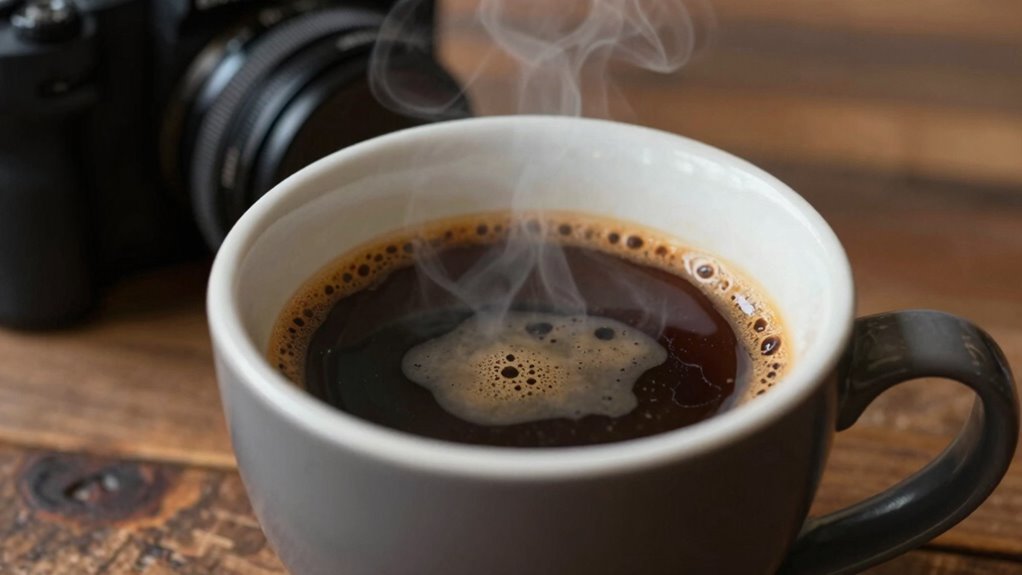
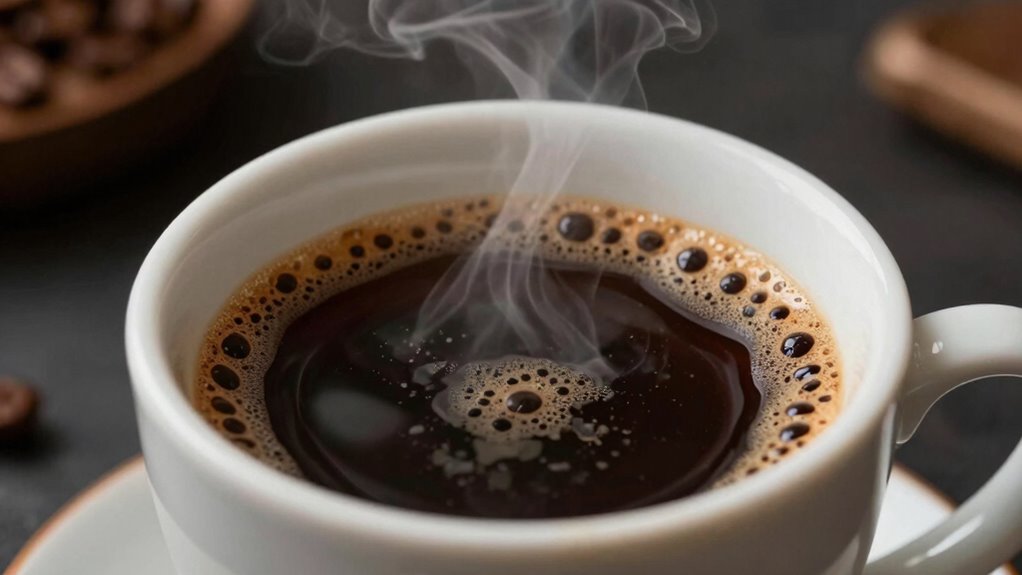
Have you ever tasted a bitter, harsh cup of coffee and wondered what went wrong? That’s often a sign of over-extraction, which disrupts the balance of flavors. Over-extraction occurs when the extraction process pulls too many compounds from the coffee grounds, including bitter and undesirable flavors. This creates a flavor imbalance, making your coffee taste harsh, astringent, or overly strong. During brewing, if water stays in contact with the grounds too long or if the grind is too fine, it causes over-extraction. The result is a cup where the sweet and nuanced flavors are overshadowed by bitterness. Understanding this process helps you recognize when your brewing method is pushing the extraction too far and ruining the taste. Additionally, proper grind size plays a crucial role in controlling extraction levels, helping prevent over-extraction and achieving a balanced flavor profile.
![Teranuvo Hourglass - [4 Minutes][Shock Resistance][Perfect Timer for Medium-Dark Coffee]](https://m.media-amazon.com/images/I/31h++vvAj7L._SL500_.jpg)
Teranuvo Hourglass – [4 Minutes][Shock Resistance][Perfect Timer for Medium-Dark Coffee]
- Timer Duration: 4-minute brewing timer
- Shock Resistance: Durable and shock-resistant design
- Brewing Precision: Ensures consistent coffee extraction
As an affiliate, we earn on qualifying purchases.
As an affiliate, we earn on qualifying purchases.
How Can You Tell If Your Coffee Is Over-Extracted? Recognizing Bitter and Harsh Tastes
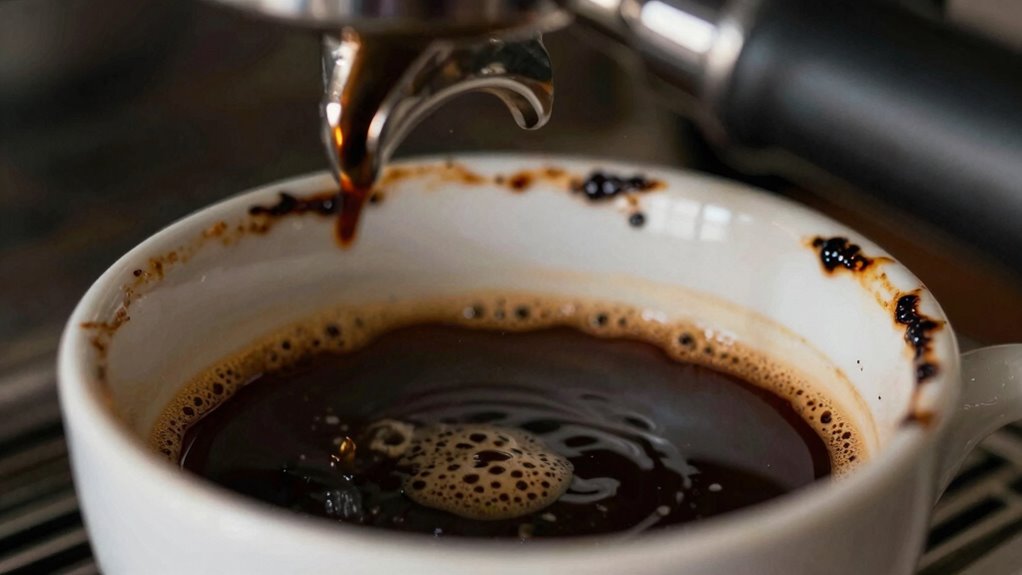
If your coffee tastes excessively bitter or harsh, it’s a strong sign that over-extraction has occurred. You’ll notice a flavor imbalance, where the desirable sweetness and acidity are overshadowed by bitterness. This often accompanies aromatic loss, leaving your brew flat and dull. To identify over-extraction by taste, look for these clues:
| Sign | Description | Effect on Flavor |
|---|---|---|
| Bitter taste | Over-extraction releases tannins and oils | Harsh, unpleasant |
| Harshness | Excessive extraction causes sharpness | Unbalanced, rough |
| Aromatic loss | Dull aroma indicates over-extraction | Flat, flavorless |
Recognizing these signs helps you adjust brewing to avoid overly bitter, harsh coffee with compromised aroma. Additionally, understanding the extraction process and brewing techniques can guide you in refining your method to prevent over-brewing. Properly managing brew time is crucial, as it directly influences the degree of extraction and flavor quality.
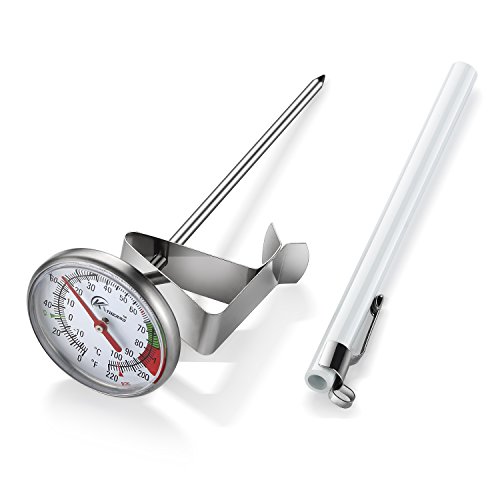
KT THERMO Instand Read 2-Inch Dial Thermometer,Best for The Coffee Drinks,Chocolate Milk Foam
- Multi-stage clip design: Adjusts for easy temperature reading
- Safe, simple measurement: Accurately measures coffee and milk foam
- Wide temperature range: 0°F to 220°F for boiling or freezing
As an affiliate, we earn on qualifying purchases.
As an affiliate, we earn on qualifying purchases.
How Brew Time and Grind Size Cause Over-Extraction: and How to Adjust Them
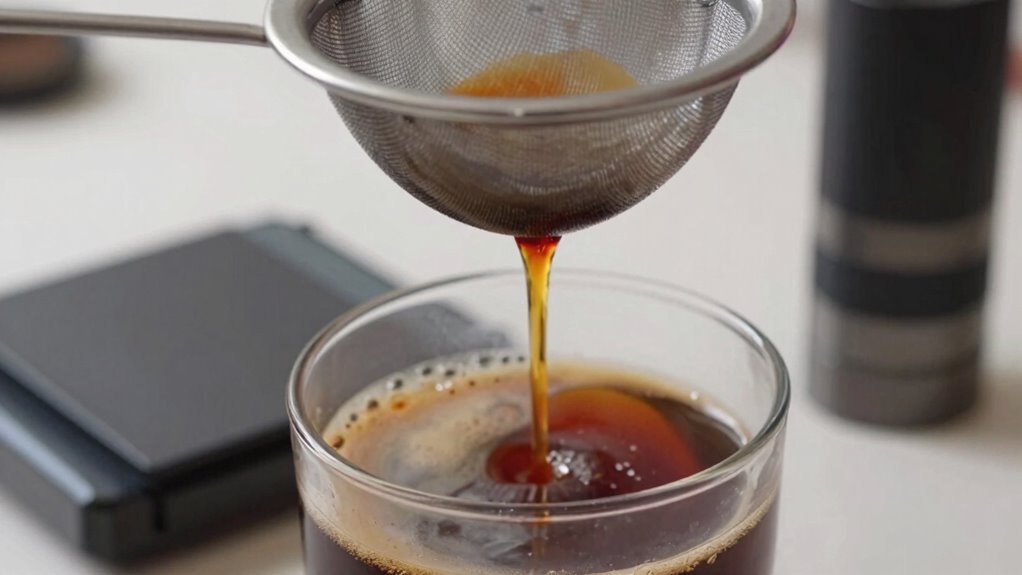
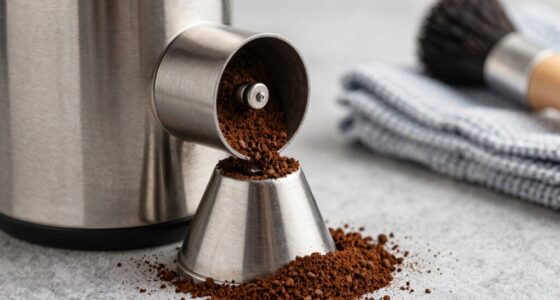
Long brewing times and fine grind sizes can both lead to over-extraction, resulting in bitter and harsh flavors in your coffee. If your grind isn’t consistent, some particles will extract faster than others, increasing bitterness. To fix this, aim for a uniform grind size suited to your brewing method. Additionally, brew temperature plays a vital role; too high a temperature accelerates extraction, making your coffee overly bitter. Adjust your brewing time accordingly—shorten it if you notice over-extraction signs. Using a coarser grind can slow down extraction, while lowering the brew temperature can help prevent over-extraction. Monitoring and controlling these factors ensure a balanced extraction, avoiding the “cooked” taste caused by overdoing it. Proper grind consistency and understanding how brew time and grind size interact are essential for achieving optimal flavor. Paying attention to extraction rate can help you fine-tune your process for a better cup every time. Additionally, selecting a vetted brewing system designed for precise control can further improve your results.
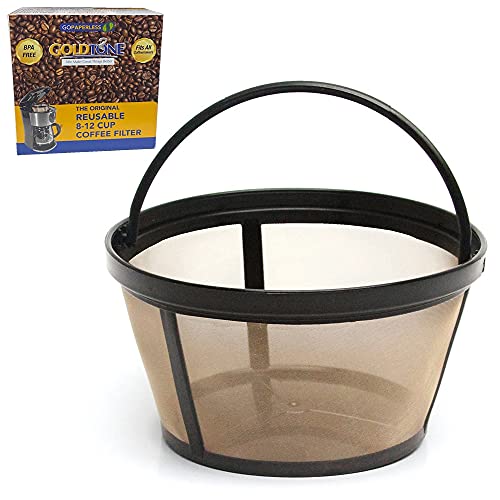
GOLDTONE Reusable 8-12 Cup Basket Coffee Filter fits Mr. Coffee Makers and Brewers, Replaces your Paper Coffee Filters, BPA Free
- Fits Most Mr. Coffee Models: Compatible with 10-12 cup basket-style brewers
- Dimensions: Bottom: 2.25", Top: 4.5", Height: 2.5"
- Eco-Friendly and BPA-Free: Reusable, environmentally safe coffee filter
As an affiliate, we earn on qualifying purchases.
As an affiliate, we earn on qualifying purchases.
Frequently Asked Questions
Can Over-Extraction Be Reversed After Brewing?
Once your coffee is over-extracted, you can’t reverse it after brewing. However, you can adjust your brewing techniques to improve flavor balancing in future cups. Use a shorter extraction time, coarser grind, or lower water temperature to prevent over-extraction. While you can’t fix it post-brew, refining your process helps guarantee your next coffee tastes better, avoiding the bitter, harsh notes caused by over-extraction.
Does Water Temperature Affect Over-Extraction?
Water temperature influences over-extraction like a thermometer affects a stove’s heat—you control it, and it controls the outcome. Using water that’s too hot can lead to over-extraction, resulting in bitter, harsh flavors, while too cool may under-extract, dulling your brew. Maintaining an ideal water temperature enhances brewing efficiency, ensuring your coffee’s flavors are balanced and rich. So, adjusting the temperature is key to perfect extraction and taste.
Are Certain Coffee Beans More Prone to Over-Extraction?
Yes, certain coffee beans are more prone to over-extraction. Beans with lighter roasting levels tend to be more susceptible because their bean characteristics, like higher acidity and delicate flavors, require precise brewing. Conversely, darker roasts have less soluble compounds, making them less prone to over-extraction. To avoid this, adjust your grind size and brewing time based on the roasting level and bean characteristics, ensuring a balanced, flavorful cup.
How Does Storage Affect the Likelihood of Over-Extracted Coffee?
When you store your coffee poorly, you’re asking for trouble. Coffee storage that exposes beans to air, moisture, or heat speeds up staling, leading to less bean freshness and a higher chance of over-extraction. As your beans lose their original oils and flavors, the brew becomes overly bitter and harsh. Keep your coffee in an airtight container in a cool, dark place to maintain freshness and prevent over-extraction.
What Are Quick Fixes for Over-Extracted Coffee?
To fix over-extracted coffee quickly, start with brew adjustments like reducing brew time or lowering the water temperature. Also, tweak your grind size to a coarser setting, which slows extraction. These changes help balance flavors and prevent bitterness. Remember, small adjustments make a big difference, so experiment gradually until you find the perfect balance for your taste.
Conclusion
If you keep over-extracting your coffee, it’s like turning a delicate masterpiece into a charred, bitter mess that could make even the bravest palate run for cover. Remember, a tiny tweak can rescue your brew from tasting like burnt rubber or harsh chemicals. Don’t let over-extraction turn your morning ritual into a caffeine catastrophe. With a little attention to grind size and brew time, you’ll reveal rich, balanced flavors instead of a flavor disaster!