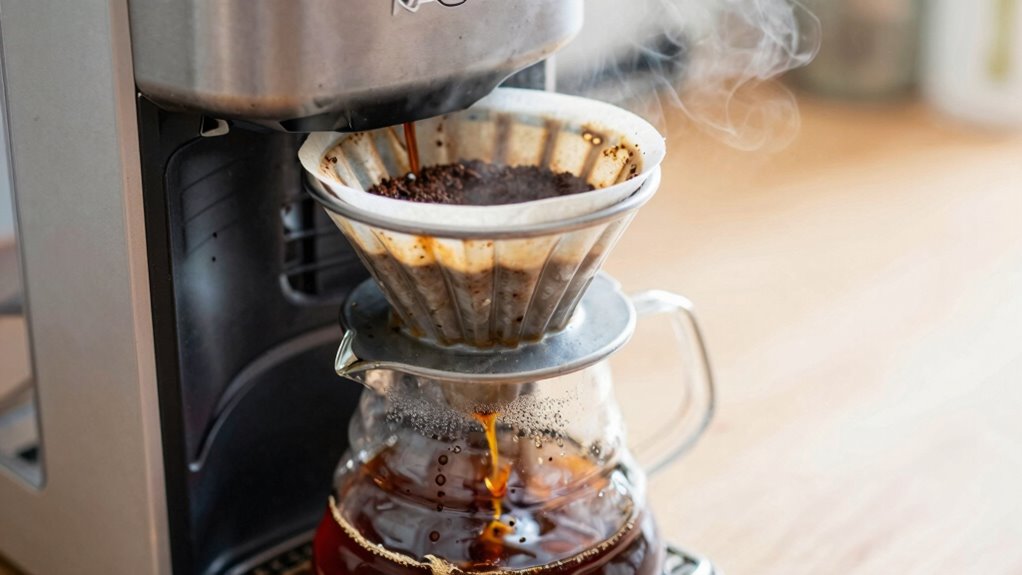
One common mistake is using the wrong grind size, which can cause weak or bitter coffee. Many also forget to pre-wet or properly heat the water, affecting extraction and flavor. Another error is not measuring coffee and water correctly, leading to an imbalanced brew. Neglecting routine maintenance or ignoring your machine’s settings can also harm taste. If you keep these points in mind, you’ll improve your setup and enjoy better coffee from the start.

Get kitchen staples and gadgets delivered free — and shop member deals
- Fast, free delivery on millions of items
- Access to Prime Big Deal Days deals on October 6–7
- Prime Video, Amazon Music and more included
Key Takeaways
- Using an incorrect grind size, especially too coarse or too fine, can lead to poor extraction and flavor.
- Not pre-heating water or using the right water temperature causes weak or bitter coffee.
- Overloading or underloading coffee grounds distorts strength and taste.
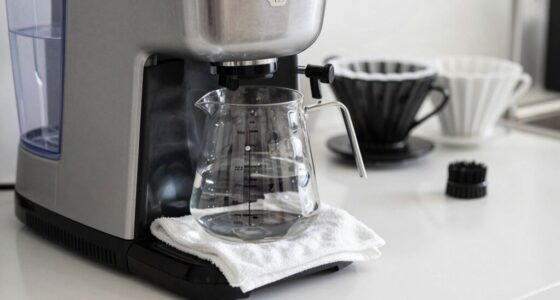
- Failing to clean the machine regularly leads to buildup and flavor issues.
- Ignoring machine settings and adjustments results in inconsistent brewing results.
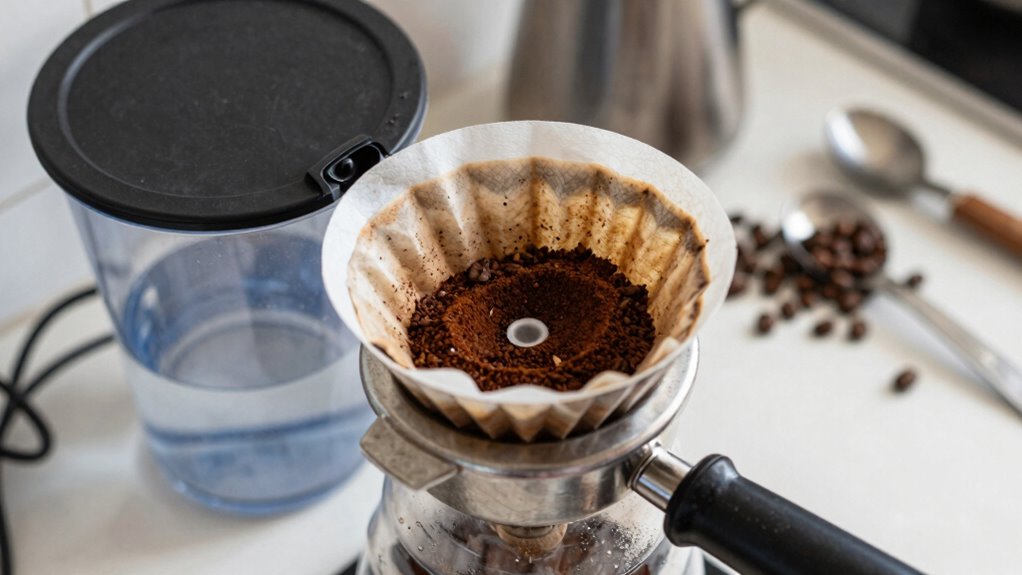
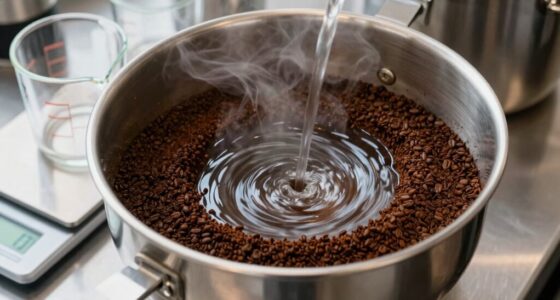
Setting up your drip coffee maker might seem straightforward, but small mistakes can affect the taste and performance of your brew. One of the most common errors involves choosing the wrong coffee grind. Using coffee that’s too coarse can lead to weak, under-extracted coffee because water flows through too quickly, not giving enough time for flavor to develop. Conversely, grinding your beans too fine can cause over-extraction, resulting in bitter, harsh-tasting coffee and even clogging your machine’s filter. To get the best results, aim for a medium grind—similar to sand—so water flows smoothly without rushing or stagnating. Adjusting your grind based on your machine’s specifications can make a significant difference in flavor. Additionally, it’s important to consider the coffee grind size recommended for your specific machine type to optimize extraction.
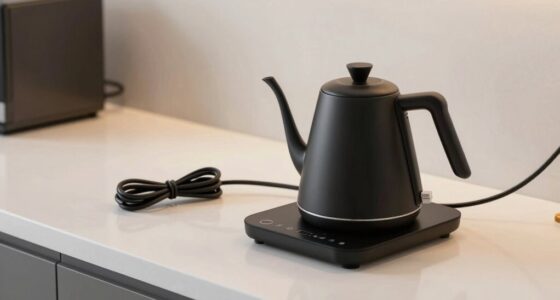
Another mistake many people make is neglecting the importance of water temperature. Your coffee maker’s ability to brew at the right temperature impacts extraction and overall taste. If the water isn’t hot enough, it won’t extract enough flavor from the coffee grounds, producing a weak, flat cup. Too hot, and you risk over-extraction, which can make the coffee taste burnt or bitter. Ideally, your machine should brew at around 195°F to 205°F (90°C to 96°C). Some models automatically handle this, but if you’re using a manual or older machine, double-check the temperature settings or consider pre-heating your water before brewing. Ensuring consistent water temperature is crucial for a balanced extraction, and understanding your machine’s capabilities can help you make adjustments for the best flavor. Proper temperature control is essential for achieving a cup that’s neither under- nor over-extracted.
Many new users overlook the importance of proper water-to-coffee ratios. Using too much coffee can make your brew overly strong and bitter, while too little results in a weak and underwhelming drink. Follow the recommended ratio—typically about one to two tablespoons of coffee per six ounces of water—and adjust according to your taste preferences. Also, ensure the water you use is fresh and clean. Hard water or water with impurities can affect both the taste and the longevity of your machine. Additionally, experimenting with different ratios can help you find your ideal brew strength and flavor profile. By paying attention to your coffee grind, water temperature, and routine maintenance, you set yourself up for a consistently delicious cup. Small adjustments at this stage can elevate your coffee experience and prevent the common setup mistakes that compromise flavor and machine performance.
medium grind coffee beans for drip coffee maker
As an affiliate, we earn on qualifying purchases.
As an affiliate, we earn on qualifying purchases.
Frequently Asked Questions
Can I Use Regular Tap Water Instead of Filtered Water?
Yes, you can use regular tap water, but keep in mind that water quality impacts your coffee’s taste and the longevity of your machine. If your tap water has high mineral content or impurities, it may clog your coffee filters faster and affect flavor. Using filtered water can improve taste, prevent buildup, and help your coffee maker last longer. Always check your water quality and consider using filtered water for the best results.
How Often Should I Descale My Drip Coffee Maker?
You should descale your drip coffee maker every 1-3 months, depending on your water quality and usage. If you have hard water, descaling more frequently helps prevent mineral buildup. Regular descaling maintains ideal water flow and improves coffee flavor. Always follow your manufacturer’s guidelines, but generally, a vinegar or descaling solution every few months keeps your machine in top shape and guarantees consistent, great-tasting coffee.
Does the Type of Coffee Grind Affect Machine Setup?
Yes, the type of coffee grind affects your machine setup. Grind consistency is essential because too fine a grind can clog the filter, while too coarse may result in weak coffee. Adjust your machine calibration accordingly to optimize extraction. Experiment with different grind sizes to find the right balance, ensuring your drip coffee maker brews perfectly every time. Properly calibrated settings and consistent grind size improve taste and prevent potential issues.
Is It Necessary to Pre-Wet the Coffee Grounds Before Brewing?
Pre-wetting your coffee grounds is like giving them a gentle wake-up call, which enhances coffee freshness and flavor. You don’t always need to pre-wet, but doing so helps guarantee grind consistency and even extraction. It’s especially useful if your coffee is stale or your grind is uneven. By pre-wetting, you’re setting the stage for a richer, more balanced brew, making every sip worth savoring.
Can I Brew Decaffeinated and Regular Coffee in the Same Machine?
Yes, you can brew decaffeinated and regular coffee in the same machine, but it’s best to do so separately to preserve their unique coffee flavor profiles. Using different filters or cleaning your machine between brews helps prevent cross-contamination of flavors. Keep in mind that decaffeinated options might have a slightly different aroma or taste, so brewing them separately guarantees you enjoy the authentic qualities of each type.
water temperature thermometer for coffee brewing
As an affiliate, we earn on qualifying purchases.
As an affiliate, we earn on qualifying purchases.
Conclusion
Getting your drip coffee maker set up correctly from the start can save you a lot of hassle and disappointment. Avoid common mistakes like improper filter placement or using the wrong grind size, and you’ll enjoy a better brew every time. Remember, even the best coffee can be spoiled by small errors—sometimes, it’s the little things that make all the difference. Stay attentive, and you’ll have a perfect cup in no time; it’s all about paying attention to the details.
As an affiliate, we earn on qualifying purchases.
coffee to water ratio measuring scoop
As an affiliate, we earn on qualifying purchases.
As an affiliate, we earn on qualifying purchases.
Fall Picks
fall essentials
As an affiliate, we earn on qualifying purchases.