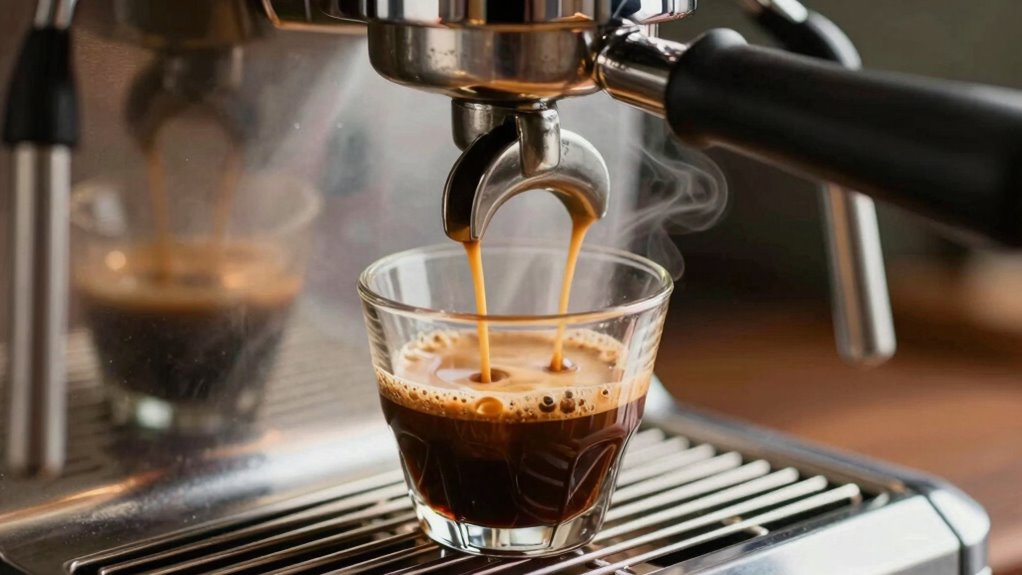
If your espresso shots run too fast, slow, or come out strange at home, it’s often due to grind size, tamping, or machine issues. A coarse grind and loose tamp can cause water to flow too quickly, resulting in weak shots. Too fine or compacted grounds slow down extraction and can cause bitterness. Inconsistent technique and machine calibration also play a role. Keep exploring to discover more tips for perfecting your espresso process.
Key Takeaways
- Inconsistent grind size or tamp pressure can cause shots to run too fast or slow.
- Too coarse grind results in fast, weak shots; too fine leads to sluggish, over-extracted ones.
- Uneven tamping or inadequate tamp pressure creates irregular flow and strange shot results.
- Machine temperature or pressure fluctuations affect extraction timing and flavor consistency.
- Poor water quality or uncalibrated equipment can cause strange or inconsistent espresso shots.
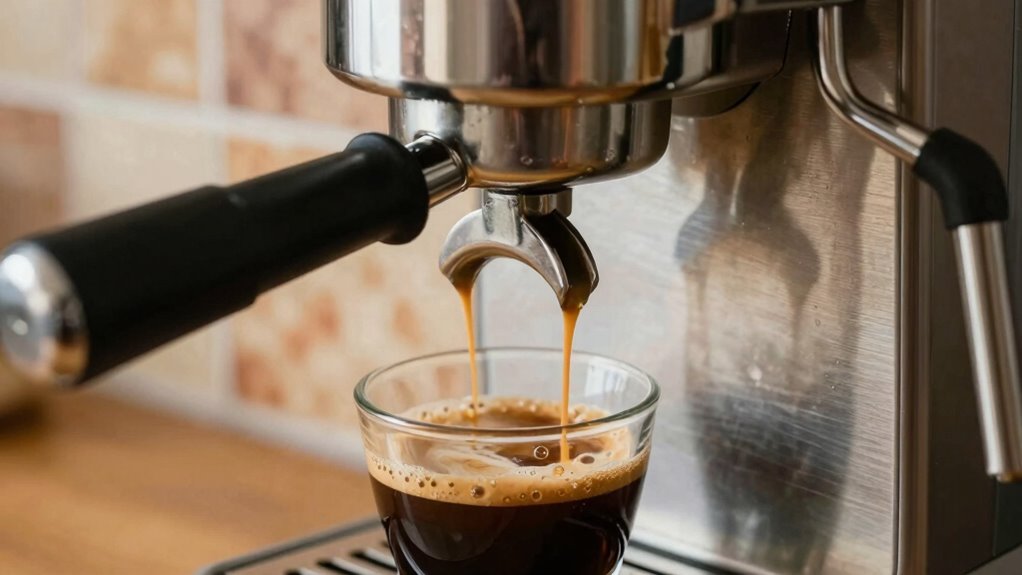
If your espresso shots at home come out runny, too slow, or just plain strange, you’re not alone. Many home baristas face these issues, but understanding the basics of coffee extraction and barista techniques can help you troubleshoot and improve each shot. Coffee extraction is the process of dissolving flavor compounds from coffee grounds into hot water, and the key to a good espresso is controlling this process. When extraction is uneven or poorly managed, your shot can turn out fast, slow, or peculiar in texture and flavor.
Mastering coffee extraction and barista techniques ensures consistent, delicious espresso shots every time.
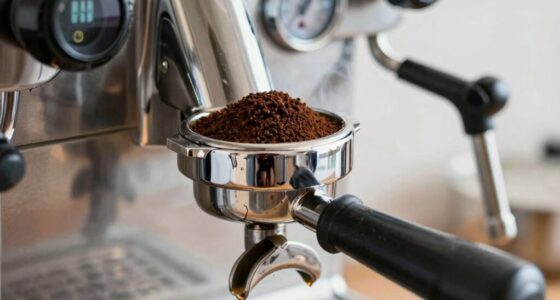
A fast extraction, where the espresso drips out quickly without much body, usually indicates that the grind is too coarse or the tamp isn’t firm enough. Coarser grounds allow water to flow through too rapidly, preventing proper extraction of the coffee’s rich flavors. Conversely, a slow or sluggish shot often points to a grind that’s too fine or overly compacted tamping, which creates resistance and causes the water to struggle to pass through. This can result in over-extraction, making the coffee bitter and overly intense. Achieving a balanced extraction requires fine-tuning your grind size, tamp pressure, and dose.
Your barista techniques play a crucial role here. Consistent dosing—using the same amount of coffee each time—ensures predictable results. When you tamp, apply even pressure to create uniform resistance across the coffee bed; this helps water flow evenly and extract flavors uniformly. If your tamp is uneven, you might get channels where water bypasses coffee grounds, leading to strange or inconsistent shots. Also, pay attention to your machine’s brewing temperature and pressure. Most home espresso machines operate best with around 9 bars of pressure and a temperature of about 195–205°F. If these parameters aren’t dialed in properly, your extraction will be off, causing shots to run too fast or too slow. Additionally, factors like water quality can impact extraction and flavor, making it essential to use clean, filtered water for optimal results.
Pre-wetting or blooming your coffee grounds can improve extraction quality. A quick initial pour allows gases to escape and primes the coffee bed for even extraction. This small step can notably influence the final shot. Proper grind size adjustment is essential because it directly affects water flow and extraction time. Regularly cleaning your equipment helps maintain consistent pressure and flow, preventing issues that cause strange flavors or strange shot timings. Being aware of machine calibration and regularly checking your equipment’s settings can also prevent inconsistencies in your espresso shots. Furthermore, understanding how extraction yield correlates with grind and tamping can help you achieve precise control over your espresso’s flavor profile. Recognizing the importance of temperature stability in your machine can also prevent fluctuations that lead to strange shot outcomes.
In essence, understanding and controlling your coffee extraction process through proper barista techniques transforms inconsistent shots into a reliably delicious espresso. Small adjustments—whether to grind size, tamping, or brewing parameters—can make a big difference in achieving a shot that’s just right, whether it runs fast, slow, or in between.
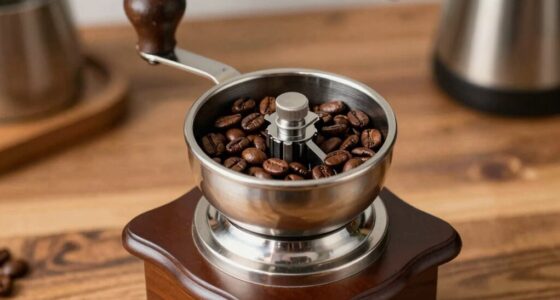
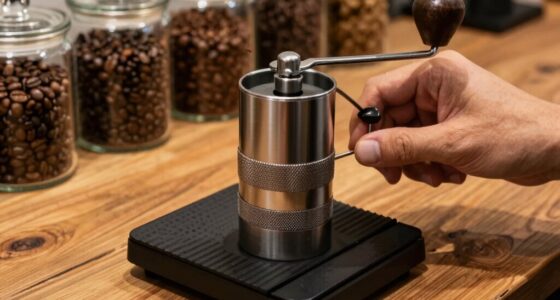
espresso grinder with adjustable grind size
As an affiliate, we earn on qualifying purchases.
As an affiliate, we earn on qualifying purchases.
Frequently Asked Questions
Can Water Quality Affect Espresso Shot Timing?
Yes, water quality affects espresso shot timing. If your water has high mineral content, it can cause uneven extraction, leading to faster or slower shots. Additionally, a low pH level (more acidic water) can alter flavor and extraction speed. Using filtered water with balanced mineral content and neutral pH helps guarantee consistent espresso shots, making your brewing process more predictable and your coffee tastier.
Does Ambient Temperature Impact Espresso Extraction?
Ambient temperature acts like an invisible conductor, influencing your espresso’s symphony. When temperature fluctuates, it throws off extraction consistency, making your shot run fast or slow like a runaway train or a hesitant dancer. Warm environments speed up extraction, while cooler ones slow it down. To keep your brew singing in harmony, maintain a stable ambient temperature, ensuring your espresso’s rhythm remains steady and true.
How Does Grind Size Influence Shot Speed?
Your grind size directly influences shot speed because finer grinds create more resistance, slowing extraction, while coarser grinds increase flow rate. Maintaining grind consistency guarantees uniform particle size, leading to predictable shot timing. If your particles vary in size, shot speed becomes inconsistent, causing strange or uneven espresso. Adjust your grinder to achieve uniform particle size, and you’ll control shot speed more accurately, resulting in better flavor and shot quality.
Do Different Espresso Machines Produce Varying Results?
Different espresso machines definitely produce varying results, and that’s why flavor consistency can be tricky at home. For example, baristas using high-end machines achieve more uniform shots thanks to precise machine calibration. Cheaper or manual machines often struggle with this, leading to inconsistent flavor and shot timing. Your choice impacts not just taste but also how predictable your espresso will be, making calibration key for reliable, delicious results every time.
Is Tamping Pressure Important for Shot Consistency?
Tamping pressure is vital for shot consistency because it directly affects extraction. Using the right tamping technique guarantees even, uniform coffee bed density, which promotes balanced flavors. Too much or too little pressure can lead to over or under-extraction, causing erratic shots. Focus on applying consistent tamping pressure with each shot, as this is a key consistency factor that helps you achieve reliable espresso results every time.
home espresso machine calibration tools
As an affiliate, we earn on qualifying purchases.
As an affiliate, we earn on qualifying purchases.
Conclusion
Now, imagine holding that steaming cup of espresso, each sip a swirl of rich, bold flavors dancing on your tongue. Whether your shot runs fast like a fleeting breeze or slow like a lingering sunset, it’s all about tuning your grind, tamp, and timing. With a little patience and a keen eye, you’ll craft that perfect shot every time—transforming your kitchen into a cozy café where the art of espresso is yours to master.
As an affiliate, we earn on qualifying purchases.

Water Filter Replacement for Breville Espresso Machine Barista Touch BES880
- Compatible Models: Fits Breville Espresso Machines including BES880, BES881, BES990, BES980, BES920, BES878
- Includes 4 Filters: Package contains four water filters for espresso machines
- Easy Activation: Immerse in water 5-10 minutes before use
As an affiliate, we earn on qualifying purchases.
As an affiliate, we earn on qualifying purchases.