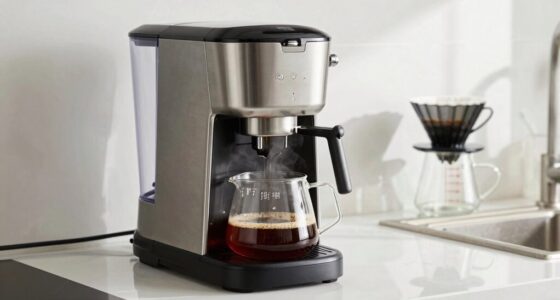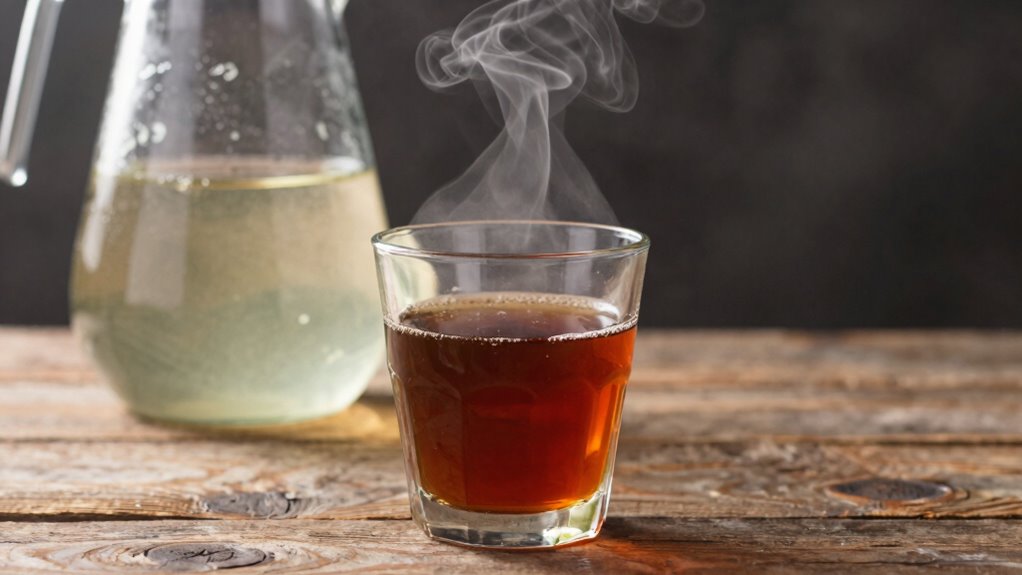

Your water quality can ruin good coffee before the beans even matter because it impacts extraction and flavor. Poor mineral balance or incorrect pH levels cause over or under-extraction, leading to bitterness, sourness, or dullness. Bad water can mask or distort the beans’ natural notes, no matter how high-quality your beans are. By understanding how water influences brewing, you’ll see how small adjustments can make a big difference in your cup—if you keep looking into it.
Open a free Amazon Business account
Business pricing, bulk buying and tax-exempt orders.
As an affiliate, we earn on qualifying purchases.
Key Takeaways
- Poor water quality can introduce off-flavors and dullness, masking the coffee’s true flavor profile.
- Imbalanced minerals in water cause over- or under-extraction, leading to bitterness or flat taste.
- Inappropriate pH levels can result in sour or dull brews, compromising flavor development.
- Bad water quality can lead to equipment scale buildup, affecting extraction consistency and taste.
- Even high-quality beans can’t overcome the negative effects of subpar water used during brewing.

Have you ever wondered how the water you use influences the flavor of your coffee? It might seem like a minor detail, but water quality can make or break your brew before even considering the beans. When it comes to water, two critical factors come into play: mineral balance and pH levels. These elements directly impact the extraction process, ultimately shaping the taste of your coffee.
Mineral balance refers to the types and amounts of minerals dissolved in your water. Too many minerals, especially calcium and magnesium, can cause over-extraction, making your coffee taste bitter or overly robust. Conversely, water that’s too soft, lacking minerals, can lead to under-extraction, resulting in a weak, flat flavor. Striking the right mineral balance ensures that your coffee’s flavor compounds are extracted optimally, highlighting the beans’ unique notes rather than masking them. It’s all about finding that perfect harmony where minerals enhance rather than overpower. Proper mineral composition is crucial for achieving a balanced extraction. Additionally, appropriate mineral levels can help prevent common issues like scale buildup in your brewing equipment, ensuring consistent quality over time.
Proper mineral balance enhances coffee’s flavor without overpowering, ensuring optimal extraction and highlighting the beans’ unique notes.
pH levels are equally vital. The pH scale measures how acidic or alkaline the water is, with pure water sitting around 7, which is neutral. If your water leans too acidic (below 7), it can cause over-extraction, pulling out undesirable flavors and creating a sour or sharp taste. On the other hand, alkaline water (above 7) can hinder extraction, leaving your coffee tasting dull or flat. Ideally, your water’s pH should hover near neutral, around 6.5 to 7, to achieve the best possible extraction. Proper pH levels help your coffee develop its nuanced flavors and maintain balance, ensuring no single note dominates or gets lost. Adjusting water pH levels can significantly impact the final taste. Being aware of water quality factors allows for better control over the brewing process. Recognizing how pH interacts with mineral content can help you fine-tune your water for an ideal brew.
The importance of mineral balance and pH levels becomes even clearer once you realize that water acts as the solvent for coffee extraction. If the water’s quality isn’t right, no matter how high-quality your beans are, the final cup will suffer. Bad water can introduce off-flavors, dull the clarity of your brew, or intensify undesirable bitterness. Even the freshest beans can’t compensate for poor water quality, making it essential to pay attention to these factors.
In essence, your water’s mineral content and pH balance set the stage for a great cup of coffee. They determine how well flavors are extracted and how balanced the final taste will be. If you want to elevate your coffee experience, start by ensuring your water has the right mineral balance and pH. It’s a simple change that can dramatically improve every cup you brew.
As an affiliate, we earn on qualifying purchases.
Frequently Asked Questions
How Does Water Temperature Affect Coffee Extraction?
You’ll notice that water temperature directly impacts your coffee extraction. When it’s too hot, extraction occurs quickly, risking over-extraction and bitterness; too cold, and it’s under-extracted, leaving it weak. Maintaining temperature stability guarantees consistent extraction timing, giving you a balanced, flavorful brew. The right temperature, usually around 195-205°F, helps you control extraction timing, revealing the best flavors without overdoing or underdoing it.
Can Mineral Content in Water Change Coffee Flavor?
You might think water’s just water, but mineral content can truly change your coffee’s flavor. The right mineral balance enhances extraction, highlighting nuanced notes, while poor water purity can dull or distort taste. Too many minerals, like calcium and magnesium, may make your brew bitter, whereas too few leave it flat. Attaining a balanced mineral content ensures your coffee’s rich, complex flavors shine through, making each cup a delightful experience.
What Is the Ideal Water pH for Brewing Coffee?
The ideal water pH for brewing coffee is between 6.5 and 7.0, ensuring proper pH balance and water purity. When your water is within this range, it helps extract the best flavors from your beans without overpowering bitterness or acidity. If the pH is too low or too high, it can distort taste. Use filtered water to maintain the best pH and enjoy a perfectly balanced, flavorful brew every time.
How Does Water Hardness Impact Coffee Taste?
They say, “You are what you drink,” and water hardness directly impacts your coffee’s flavor. Hard water, rich in minerals, can cause over-extraction, leading to a bitter or flat taste, while soft water may under-extract, resulting in weak coffee. Water mineralization and water purity are key; too many minerals can overshadow the beans’ nuances. To savor the true flavor, aim for balanced mineral content and clean, pure water.
Are Filtered Water or Spring Water Better for Brewing?
Filtered water is generally better for brewing coffee because it removes impurities and excess minerals that can interfere with flavor. Spring water, with its natural mineralization, can add desirable complexity but varies in mineral content, which might affect taste consistency. Using water filtration guarantees consistent mineralization levels, so you get a clean, balanced brew every time. Ultimately, choose filtered water if you want control, or spring water for a naturally rich flavor.
As an affiliate, we earn on qualifying purchases.
Conclusion
Your coffee’s journey begins with water, the silent guardian or the unseen villain. When water’s purity falters, it’s like a cracked mirror distorting the true reflection of your beans’ potential. Remember, just as a clear sky reveals the stars, pristine water exposes the true essence of your brew. Treat it with care, for in its clarity lies the promise of a perfect cup — a symbol of your dedication to excellence from start to finish.
As an affiliate, we earn on qualifying purchases.
As an affiliate, we earn on qualifying purchases.
Flea & tick season Picks
flea and tick prevention
As an affiliate, we earn on qualifying purchases.