The key to crispy reheated pastries is avoiding trapped steam, which makes them soggy. Microwaving is a common culprit because it traps moisture inside, so opt for dry heat methods like baking in the oven or skillet. Place pastries on a wire rack and reheat at around 375°F for 10-15 minutes to restore crunch. Keep exploring for more tips on how to keep your pastries perfectly crispy every time.
Key Takeaways
- Avoid covering pastries with foil or plastic wrap during reheating to prevent trapping steam.
- Use dry heat methods like oven or toaster oven instead of microwave to keep pastries crispy.
- Place pastries on a wire rack to allow moisture to escape and promote even crisping.
- Reheat at around 350°F for 10-15 minutes to restore crunch without moisture buildup.
- Store pastries in airtight containers and avoid excess moisture to prevent sogginess before reheating.

Cooling Racks for Cooking and Baking – 2 PCS 10" x 15" Grid Wire Baking Rack for Oven Cooking, Baking, Grilling, Roasting – Dishwasher Safe Bacon Rack – Fits Jelly Roll Cookie Sheet Pan
STURDY STAINLESS STEEL CONSTRUCTION: Our baking cooling rack is made of quality materials, prevents bending or deformation when…
As an affiliate, we earn on qualifying purchases.
As an affiliate, we earn on qualifying purchases.
Why Your Reheated Pastries Turn Soggy and How to Fix It
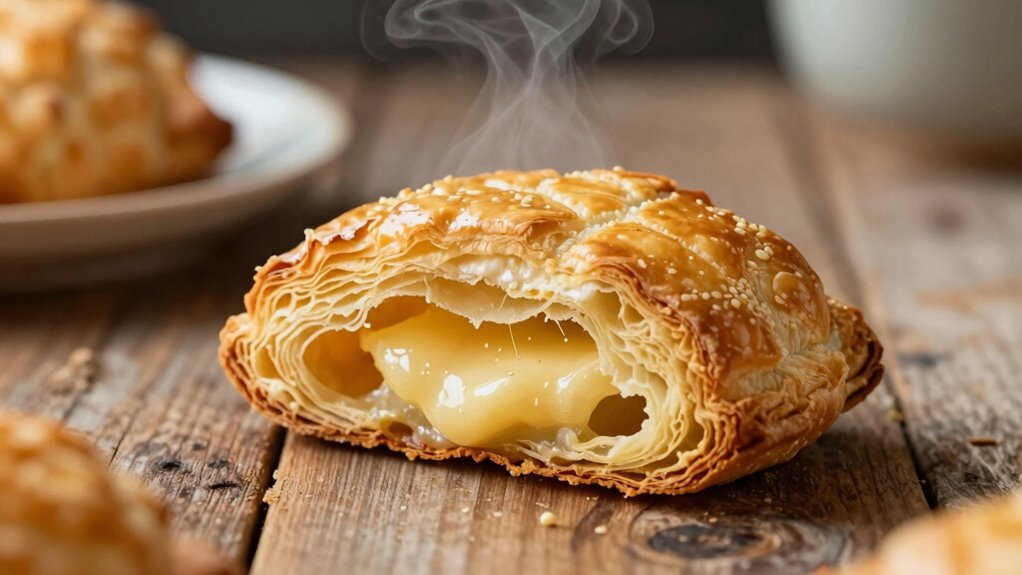
You might notice that your pastries often come out soggy after reheating, and this happens because moisture from the filling or steam gets trapped during the process. Pastry packaging can influence this; if it traps humidity, your pastry absorbs it, leading to sogginess. Ingredient variations also matter—moist ingredients like fresh fruit or custards release more moisture, making reheated pastries less crispy. To fix this, avoid tightly sealed packaging before reheating, which can trap steam. Instead, remove or open the packaging to allow moisture to escape. Using a paper towel or a wire rack during reheating helps keep the air circulating, preventing moisture buildup. Additionally, understanding thermal management can help optimize reheating techniques to maintain crispiness. Proper moisture control is essential in preserving the flaky texture of your pastry. By controlling packaging and ingredient moisture levels, you’re more likely to enjoy a crispy, flaky pastry every time. Incorporating techniques that facilitate effective heat distribution can further improve reheating results and help keep your pastries crisp. Proper airflow, such as using a convection oven or adjusting microwave settings, can also make a significant difference in maintaining texture. Being aware of humidity levels in your environment can also impact how well your pastry stays crispy after reheating.

E-far Toaster Oven Tray, 10.5x8x1 Inch Nonstick Baking Cookies Sheet Pan for Oven, Small Metal Carbon Steel Baking Pan for Bacon Steak, Nontoxic & Easy Clean, Heat & Warp Resistant
DURABLE & FOOD GRADE MATERIAL: The baking sheet made of premium high carbon steel core, Great choice to…
As an affiliate, we earn on qualifying purchases.
As an affiliate, we earn on qualifying purchases.
How Microwaving Traps Moisture and Ruins Crispy Pastries
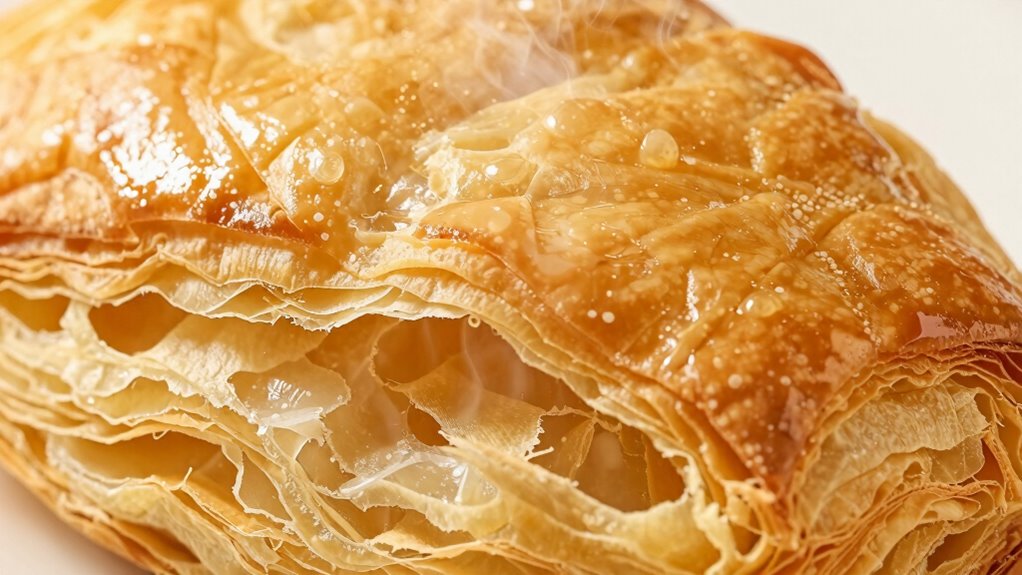
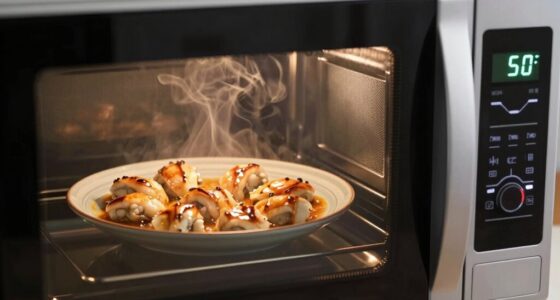
Microwaving pastries often leads to sogginess because this method traps moisture instead of allowing it to escape. The microwave magic creates an environment where moisture infiltration occurs rapidly, turning your once crispy pastry into a limp, damp mess. Unlike oven reheating, which uses dry heat to evaporate excess moisture, microwave heat penetrates quickly and evenly, but without a way for moisture to escape. This trapped steam soaks into the pastry, ruining that desirable crispy texture. To prevent this, it’s helpful to consider how sustainable weight loss techniques improve overall food choices and habits, which can also influence how you reheat and enjoy leftovers. For example, choosing low-calorie cooking methods can promote healthier eating patterns. As a result, your pastry becomes chewy and loses its crunch. Additionally, understanding moisture management is key to maintaining crispiness, so avoiding microwave reliance and opting for reheating methods that allow moisture to escape or use techniques that prevent moisture buildup altogether, such as using a dry heat method like the oven or toaster oven.

ROTTAY Baking Sheet with Rack Set (2 Pans + 2 Racks), Stainless Steel Cookie Sheet with Cooling Rack, Nonstick Baking Pan, Warp Resistant & Heavy Duty & Rust Free, Size 16 x 12 x 1 Inches
【Healthy Material】 The baking sheet with wire rack are made of high quality stainless steel without any chemical…
As an affiliate, we earn on qualifying purchases.
As an affiliate, we earn on qualifying purchases.
Best Techniques and Tools to Reheat Pastries and Keep Them Crispy

To keep pastries crispy when reheating, choosing the right techniques and tools makes all the difference. Use baking techniques that prioritize dry heat, such as reheating in an oven or toaster oven, to promote pastry preservation. Preheat your oven to around 375°F (190°C) and place the pastries on a wire rack to allow even heat circulation. Avoid covering them with foil, which traps moisture. For small pastries, a skillet on medium heat can also work well, provided you keep a close eye. Steer clear of microwaves, as they introduce steam and make pastries soggy. The key is dry heat, which restores crispiness without sacrificing flavor or texture. Understanding the science behind heat transfer can help you choose the most effective method for maintaining pastry texture. Additionally, using proper tools like a baking stone or pizza steel can help distribute heat more evenly and enhance crispiness. Employing thermal conduction techniques with the right tools ensures your pastries stay deliciously crunchy after reheating.

BLACK+DECKER TO3250XSBD 8-Slice Extra Wide Convection Countertop Toaster Oven, Includes Bake Pan, Broil Rack & Toasting Rack, Stainless Steel/Black
Fits Most Oven Pans – Use the pans you already have! This spacious oven fits most standard 9”x13”…
As an affiliate, we earn on qualifying purchases.
As an affiliate, we earn on qualifying purchases.
Step-by-Step: How to Reheat Pastries for Perfect Crunch

Reheating pastries to achieve that perfect crispy texture requires a straightforward, step-by-step approach. First, verify your pastry storage kept your treats fresh and dry. Preheat your oven to about 350°F (175°C) to ensure even heating. Remove the pastry from the fridge and let it sit at room temperature for a few minutes. Place the pastry directly on an oven rack or a baking sheet to allow hot air to circulate. Avoid covering it with foil or plastic, which can trap steam and soften the crust. Proper reheating techniques are essential for maintaining the desired texture and flavor. Bake for 10-15 minutes, until the pastry is warmed through and the crust is crisp. This oven reheating method preserves the pastry’s texture, making each bite just as satisfying as when it was first baked. For optimal results, consider using modern kitchen technology like smart ovens with precise temperature controls to consistently achieve perfect crunch, especially since steam is the enemy when re-crisping pastries.
Extra Tips for Storing and Reheating Pastries to Maintain Freshness
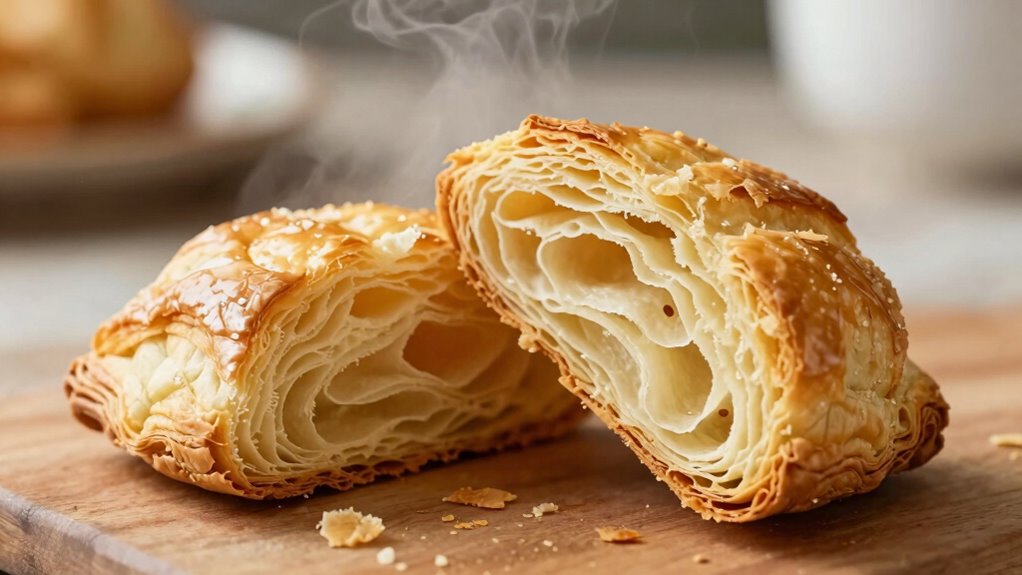
Proper storage is key to keeping your pastries fresh and preserving their texture. Use airtight containers or resealable bags to prevent moisture loss and exposure to air, which can cause staleness. Wrap pastries individually with plastic wrap or foil to protect them from drying out. Keep pastries at room temperature if you’ll consume them within a day, but for longer storage, refrigerate to slow mold growth. When reheating, ensure pastries are at room temperature first, as cold pastries may not reheat evenly. Avoid storing pastries near strong-smelling foods to prevent flavor transfer. Additionally, air circulation in your storage area can help maintain optimal conditions and prevent moisture buildup. Proper temperature control is essential for extending the freshness of baked goods and preventing spoilage. Using a temperature monitor can help you maintain ideal storage conditions and further prolong freshness. Proper humidity levels in your storage space also play a crucial role in preventing your pastries from becoming soggy or dry. For ideal freshness preservation, consume leftovers within a few days, and always reheat using dry heat methods like an oven or toaster oven instead of steam-based techniques. These tips help maintain your pastries’ crispiness and flavor. Incorporating connected equipment such as smart kitchen gadgets can also help monitor storage conditions and optimize reheating processes for better results.
Frequently Asked Questions
Can Freezing Affect the Crispiness of Reheated Pastries?
Freezing can affect the crispiness of reheated pastries by causing ice crystals to form, which may alter the texture. These freezing effects can lead to sogginess or a loss of crunch if not stored properly. To preserve their texture, wrap pastries tightly before freezing and reheat them using methods that maintain crispness, like baking rather than microwaving. Proper handling helps keep your pastries tasting fresh and crispy.
Are There Specific Pastry Types That Reheat Better Than Others?
Certain pastries, like croissants and puff pastries, reheat better because their flaky, layered texture holds up well with proper reheating techniques. To maintain their crispiness, avoid microwaving, which can turn them soggy, and instead use an oven or toaster oven. These methods help preserve the pastry texture, ensuring your reheated treats stay flaky and delicious. Stick to these reheating techniques for the best results.
How Does Altitude Influence the Reheating Process?
Altitude effects can make reheating pastries tricky, so you should make reheating adjustments if you’re high above sea level. At higher altitudes, the lower air pressure causes moisture to evaporate faster, risking sogginess. To combat this, reduce reheating time and use a lower oven temperature. Keep an eye on your pastry, and don’t rely solely on standard times—these tweaks help you restore crispiness despite altitude effects.
Is It Safe to Reheat Pastries Multiple Times?
It’s generally safe to reheat pastries multiple times if you follow proper food safety guidelines. You should reheat only once, ensuring the pastry reaches a safe internal temperature to prevent bacteria growth. Repeated reheating increases the risk of foodborne illness, so it’s best to store leftovers properly and consume them promptly. Always check for signs of spoilage before reheating, and avoid reheating pastries multiple times to stay safe.
Can Reheating Methods Vary Based on Pastry Filling?
Yes, reheating methods should vary based on pastry filling to guarantee ideal reheating consistency and manage filling moisture. For custard or fruit-filled pastries, you should reheat gently at lower temperatures to prevent sogginess and preserve filling texture. For savory, meat-filled pastries, a higher heat can work better. Adjust your approach to maintain the right balance of crispiness and prevent filling from becoming too moist or dry.
Conclusion
To keep your pastries crispy, avoid steaming and choose the right reheating method. While microwaving might seem quick, it’s often the enemy of crunch, turning your treat soggy. Instead, using an oven or skillet restores that perfect crunch, creating a satisfying contrast between the warm, flaky interior and the crispy exterior. So, embrace the crispness you crave, and let your pastries shine—because sometimes, the best textures come from the simplest techniques.