
TL;DR

Get kitchen staples and gadgets delivered free with Prime
- Fast, free delivery on millions of items
- Prime Video, Amazon Music and more included
- Member-only deals all year
The USDA has recalled 25,000 pounds of chicken products in five states over possible contamination. The recall aims to prevent foodborne illness, but details on the specific issue are limited. Consumers are advised to check for recalled products and follow safety guidance.
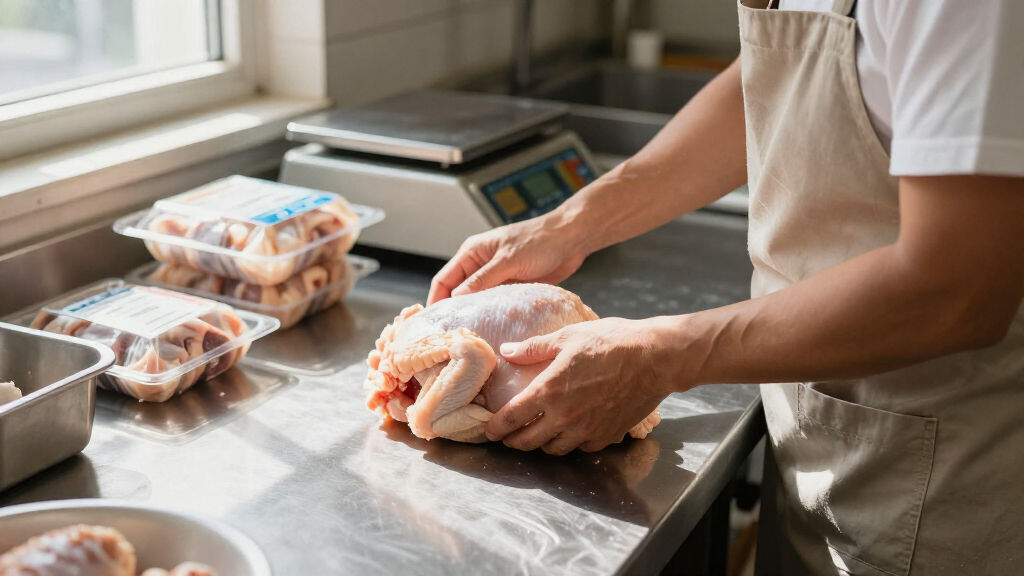
The United States Department of Agriculture (USDA) has issued a recall of approximately 25,000 pounds of chicken products across five states due to potential food safety concerns, the agency announced today. This action was taken to prevent possible foodborne illness among consumers. The recall affects specific chicken products that may be contaminated or improperly processed, according to USDA officials. The announcement underscores ongoing efforts to ensure food safety and protect public health.
The recall involves chicken products distributed in California, Nevada, Arizona, New Mexico, and Texas. The USDA’s Food Safety and Inspection Service (FSIS) stated that the affected products were produced by a single processing facility and may contain contaminants or foreign material, although the exact nature of the issue has not been fully disclosed. The products were shipped to retail stores and foodservice establishments within these states. Learn more about recent food recalls at USDA food safety alerts.
Consumers are advised to check their purchases for specific product details, which include brand names, packaging dates, and lot numbers. For more information, see the USDA alert on chicken. The USDA has provided a list of the affected products on its website and urged consumers to dispose of or return any recalled items. No reports of illness related to this recall have been confirmed at this time, but health officials emphasize caution.
The company responsible for the products has cooperated with authorities, and the recall is classified as a Class I, which indicates a health risk that could cause serious injury or death if consumed. The USDA has not yet revealed whether the issue is related to bacterial contamination, foreign objects, or other processing problems, citing ongoing investigations.
Why This Recall Is Important for Consumers
This recall highlights the ongoing challenges in maintaining food safety standards in meat processing. Although no illnesses have been reported, the potential presence of contaminants in a large quantity of chicken products poses a serious health risk. The recall serves as a reminder for consumers to remain vigilant about food labels and to stay informed through official channels.
For public health, timely recalls like this are critical to preventing foodborne illnesses, which can cause symptoms ranging from mild gastrointestinal discomfort to severe, life-threatening conditions. The USDA’s prompt action demonstrates its commitment to safeguarding the food supply, but it also underscores the importance of strict oversight and quality control in meat processing operations.
Consumers who may have purchased these products should follow guidance from the USDA and local health authorities to avoid potential health risks. The recall may also impact supply chains and local businesses, emphasizing the need for thorough inspection and oversight in food production.
food safety gloves for handling raw chicken
As an affiliate, we earn on qualifying purchases.
As an affiliate, we earn on qualifying purchases.
Background on Recent Food Recalls and Safety Measures
Food recalls involving poultry and other meats are not uncommon, often prompted by contamination, foreign material, or processing errors. In recent years, the USDA has increased its surveillance and testing protocols to identify and address safety issues more rapidly. This recall follows similar actions in the past, where contamination concerns led to large-scale product withdrawals.
The specific circumstances leading to this recall are still under investigation, but the USDA’s announcement indicates a proactive approach to prevent potential health hazards. Historically, recalls of this size and scope are part of broader efforts to improve food safety compliance across the industry.
Prior incidents have shown that timely recalls can prevent widespread illness, but they also highlight vulnerabilities in the supply chain. The USDA continues to emphasize the importance of rigorous inspection and adherence to safety standards among producers and processors.
reusable food storage containers for raw meat
As an affiliate, we earn on qualifying purchases.
As an affiliate, we earn on qualifying purchases.
Details of the Contamination or Issue Still Unclear
It is not yet clear what specific contamination or processing issue prompted the recall. The USDA has not disclosed whether the concern involves bacterial contamination, foreign objects, or other hazards. The investigation is ongoing, and further details are expected to be released as they become available.
As an affiliate, we earn on qualifying purchases.
Next Steps in the Recall and Ongoing Investigation
The USDA and the company involved will continue to investigate the cause of the contamination and monitor the situation. Additional recalls or safety alerts may be issued if further issues are identified. Consumers are encouraged to stay informed through official USDA updates and to check their purchases carefully.
Food safety officials will review processing procedures at the implicated facility to prevent future incidents. The company is expected to cooperate fully with authorities to resolve the matter and restore consumer confidence.
As an affiliate, we earn on qualifying purchases.
Key Questions
Which chicken products are affected by the recall?
The USDA has provided a detailed list of affected products, including specific brands, packaging dates, and lot numbers, on its official website. Consumers should check their purchases carefully.
Are there reports of illnesses from this recall?
No, there have been no confirmed reports of illness related to these products at this time. However, health officials advise caution and recommend disposing of or returning affected items.
How can I identify the recalled products?
Recalled products will match the descriptions, lot numbers, and packaging details listed by the USDA on their recall notice. Consumers should compare their packaging carefully.
What should I do if I have purchased these chicken products?
If you have bought any of the affected products, dispose of them properly or return them to the point of purchase for a refund. Follow USDA guidance and monitor for updates.
Will there be further recalls or safety alerts?
It is possible, depending on the investigation’s findings. The USDA will issue updates if additional actions are necessary, so consumers should stay informed via official channels.
Source: hn
Fall Picks
fall essentials
As an affiliate, we earn on qualifying purchases.