You should never leave cold brew out at room temperature for more than two hours. Bacteria can grow quickly in warm, moist environments, making the beverage unsafe to drink after that time. If it’s been longer, especially in hot conditions, it’s best to discard it to avoid health risks. Want to know how to spot spoiled cold brew and keep it fresh? Keep going; you’ll find all the tips you need.
Key Takeaways
- Cold brew should not be left out at room temperature for more than 2 hours to prevent bacterial growth.
- Refrigerate cold brew immediately after brewing or serving to maintain safety and freshness.
- Leaving cold brew out longer than 2 hours increases risk of spoilage, mold, and potential health issues.
- Signs of spoiled cold brew include sour smell, cloudiness, mold, or unusual taste; discard if observed.
- Proper storage in airtight containers and prompt refrigeration extend cold brew’s safe shelf life.
What Is Cold Brew Coffee and Why Does Storage Matter?
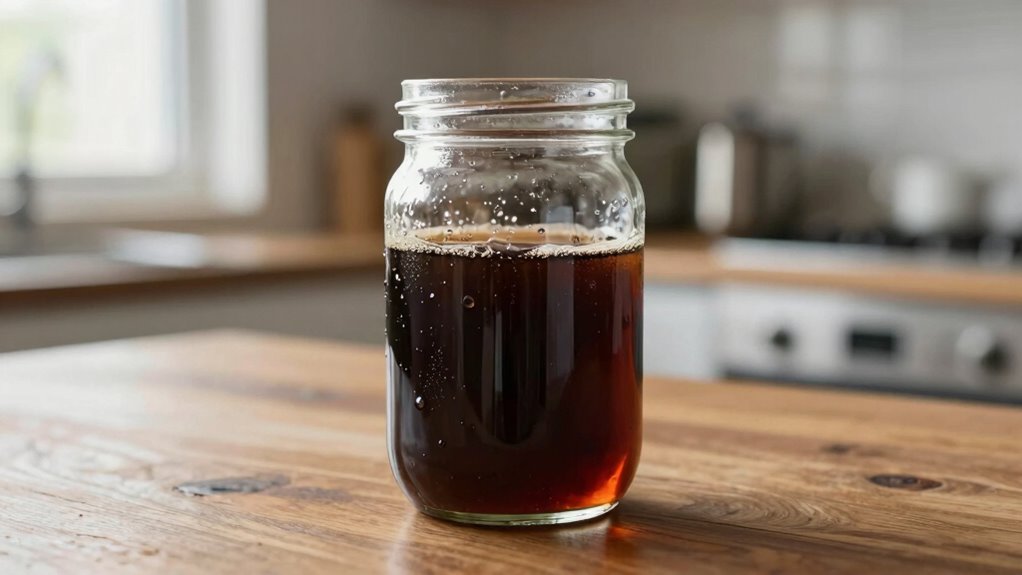
What exactly is cold brew coffee, and why is proper storage so important? Cold brew coffee is made through a brewing process that involves steeping coarsely ground beans in cold water for 12 to 24 hours. This slow extraction results in a smooth, rich flavor with less acidity than hot brewed coffee. Proper storage is vital because it helps preserve these flavors and prevents spoilage. When you store cold brew correctly in a sealed container, it maintains its freshness longer, ensuring you enjoy the best taste each time. Without proper storage, exposure to air and temperature fluctuations can degrade the flavor and increase the risk of bacterial growth. Additionally, using appropriate storage containers designed for beverages can further help maintain quality. So, keeping your cold brew fresh isn’t just about safety—it’s about preserving the quality you love. Proper storage techniques are also important because temperature control can significantly impact the longevity and safety of your cold brew. Moreover, understanding the shelf life of cold brew helps prevent accidental consumption of spoiled beverages. Additionally, being aware of storage duration guidelines ensures you enjoy your cold brew at its best without risking health concerns.
How Long Can Cold Brew Sit Out at Room Temperature?
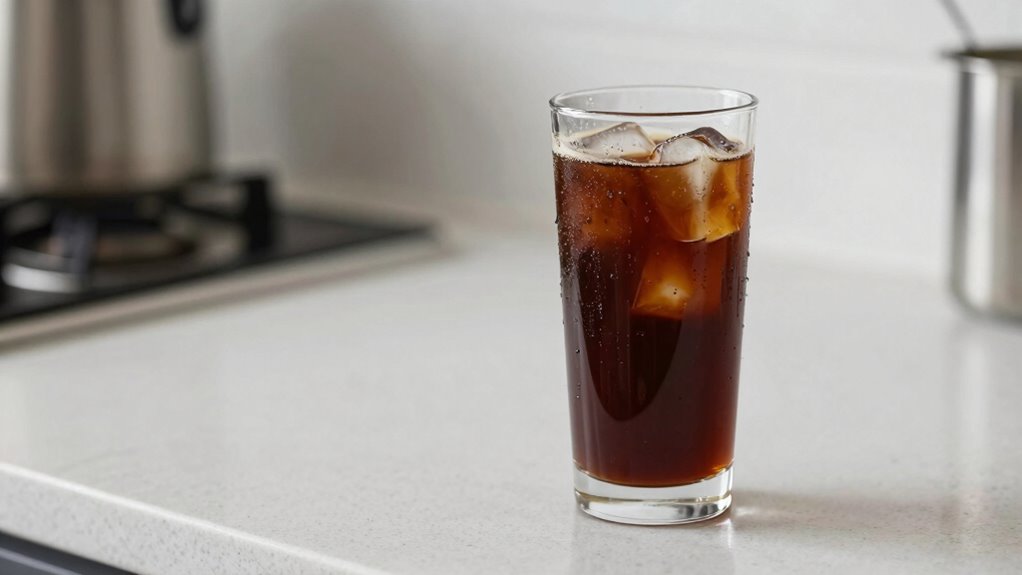
Cold brew coffee should not be left out at room temperature for more than two hours, as bacteria can quickly grow in the warm, moist environment. If you’re concerned about flavor preservation, it’s best to refrigerate your cold brew promptly to maintain its freshness and taste. Leaving it out longer risks not only spoilage but also potential health issues. When serving cold brew, plan to consume it within this two-hour window to keep it safe and flavorful. For your favorite cold brew recipes, always store leftovers in airtight containers in the fridge to preserve their aroma and profile. Avoid prolonged exposure at room temperature, as this can degrade quality and compromise safety. Proper storage ensures you enjoy your cold brew at its best. Additionally, understanding temperature control and proper storage techniques can help prevent bacterial growth and preserve the quality of your cold brew longer. Maintaining a consistent room temperature can also help extend its freshness and safety.
How to Recognize If Your Cold Brew Has Gone Bad
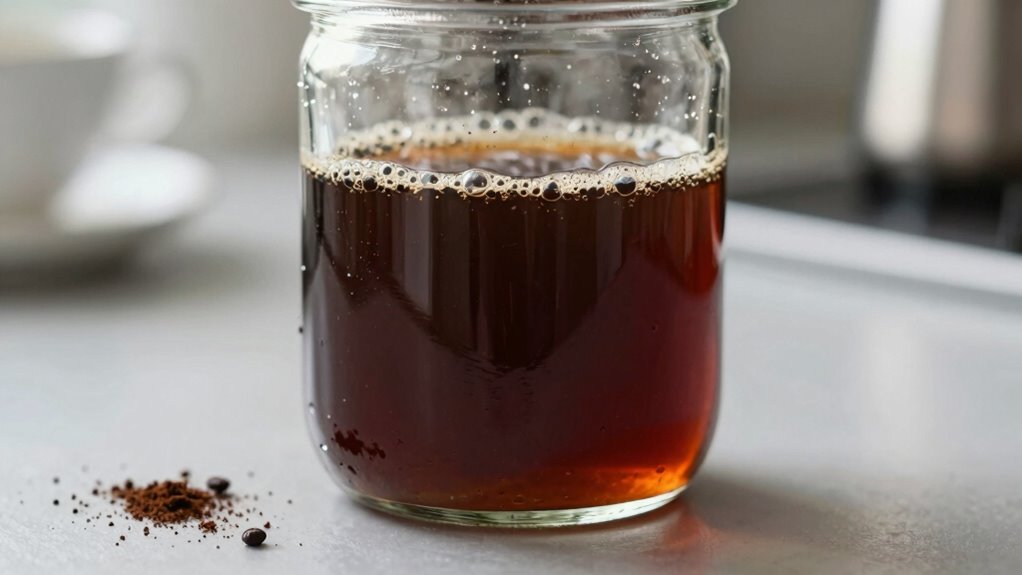
You should always check your cold brew for signs it’s gone bad before drinking. Look for changes in appearance, like cloudiness or discoloration, and smell or taste it for any unusual odors. Also, watch for mold or bubbles that indicate fermentation, signaling it’s time to discard it.
Changes in Appearance
Even if your cold brew still smells and tastes okay, changes in its appearance can indicate it’s gone bad. Conduct a visual inspection to catch signs of spoilage early. Look for a noticeable color change; fresh cold brew should maintain a consistent, dark hue. If it appears murky, cloudy, or has sediment that wasn’t there before, it may be spoiled. Additionally, watch for any surface film or mold growth, which are clear indicators to discard it. Changes in clarity or the presence of unusual particles suggest the cold brew is no longer safe to consume. Your storage conditions can significantly impact the freshness and safety of your cold brew, so proper storage is essential. Proper handling and storage techniques help prevent contamination and spoilage. Maintaining an optimal temperature can slow bacterial growth and extend freshness. Additionally, regularly checking for signs of fermentation can help identify if the cold brew has gone bad before consumption. Remember, your eyes can reveal important clues about freshness and safety, so don’t ignore visual cues when evaluating your cold brew’s freshness. Regularly monitor storage conditions to prevent spoilage and ensure safety.
Unusual Smell or Taste
Unusual odors or flavors are reliable signs that your cold brew may no longer be safe to drink. If you notice an unusual smell, such as a sour or off-putting aroma, it’s a strong indicator that bacteria or spoilage has set in. A strange taste—bitterness, sourness, or a metallic note—also suggests the brew has gone bad. Trust your senses; if it smells or tastes different from when you first brewed it, it’s best to discard it. Cold brew that has developed an unusual smell or strange taste isn’t worth risking your health. Always prioritize freshness and inspect your cold brew before drinking, especially if it’s been sitting out longer than recommended. When in doubt, throw it out.
Mold or Bulping Presence
Mold or bulging in your cold brew are clear signs that it has gone bad and should be discarded. Mold growth appears as fuzzy spots or discoloration on the surface, indicating contamination. Bulging containers suggest gas buildup from fermentation or spoilage, making the container unsafe to open. If you notice either sign, it’s best to throw out the cold brew immediately to prevent health risks.
- Fuzzy, discolored spots on the brew surface
- Containers that feel swollen or bulging
- Unusual smell or slimy texture accompanying these signs
Always check for visual cues like mold growth or bulging containers before drinking cold brew stored on the counter. When in doubt, discard to stay safe.
Tips for Properly Storing Cold Brew to Keep It Fresh

To keep your cold brew fresh and flavorful, proper storage is essential. First, choose the right container—preferably airtight and made of glass or BPA-free plastic—to prevent oxygen exposure and preserve flavor. Keep the cold brew refrigerated at all times; avoid leaving it out on the counter for extended periods. Transfer your cold brew into a clean container soon after brewing to maintain ideal freshness. When storing, fill the container as much as possible to minimize air space, which can lead to flavor degradation. Label the container with the date brewed so you can track freshness. Regularly clean your storage container to prevent any off-flavors or contamination. Using Suprem fabric for storage containers can offer added durability and sustainability benefits. Proper food storage techniques also help prevent spoilage and maintain quality over time. Additionally, be mindful of the shelf life of your cold brew, as it can vary depending on storage conditions. Understanding storage conditions can help you determine the best timeframe for consumption. Maintaining optimal temperature control during storage can further extend freshness. Following these tips helps maximize flavor preservation and keeps your cold brew tasting fresh longer.
What Are the Risks of Drinking Spoiled Cold Brew?

Drinking spoiled cold brew can expose you to harmful bacteria and toxins that develop as it spoils. These microorganisms can cause food poisoning and other health issues if ingested. Additionally, mold and fungi may grow on the surface, posing further risks to your health. Using proper storage techniques and understanding the importance of using the right oil can help prevent spoilage and maintain safety. Proper storage practices are essential to inhibit microbial growth and keep your cold brew safe to consume.
Bacterial Growth Risks
If cold brew is left unrefrigerated or stored for too long, bacteria can quickly multiply, increasing the risk of foodborne illness. Bacterial growth thrives in warm, moist environments, making improper storage dangerous. When using inadequate storage containers or neglecting refrigeration tips, you create a perfect environment for bacteria to flourish. Drinking spoiled cold brew can cause symptoms like stomach cramps, nausea, or diarrhea. To minimize risks, always transfer your cold brew into airtight storage containers and refrigerate promptly. Be mindful of how long it sits on the counter; generally, cold brew should be refrigerated within two hours. Regularly check for signs of spoilage, and when in doubt, discard it to stay safe. Proper storage and refrigeration are your best defenses against bacterial growth. Temperature control is essential to inhibit bacterial proliferation and keep your cold brew safe to enjoy. Additionally, understanding proper storage practices helps prevent bacterial contamination and ensures your beverage remains safe. Maintaining a consistent food safety routine is crucial for preventing the growth of harmful bacteria in your cold brew.
Potential Toxin Formation
When cold brew sits out too long or becomes spoiled, harmful toxins can develop, posing serious health risks. These toxins may not be visible but can impact your well-being, especially if you prioritize flavor preservation and proper temperature control. As bacteria and other microorganisms proliferate, they can produce dangerous substances that you might unknowingly consume. To understand the risks better, consider this table:
| Toxin Type | Source | Effects |
|---|---|---|
| Biogenic Amines | Bacterial activity | Headaches, nausea |
| Mycotoxins | Mold growth | Gastrointestinal issues |
| Endotoxins | Bacterial remnants | Fever, inflammation |
| Contaminants | Spoiled liquids | Food poisoning |
Maintaining proper storage conditions and practicing good hygiene are key to preventing microbial growth in your cold brew. Keeping your cold brew refrigerated helps prevent toxin formation, ensuring safe, flavorful drinks. Additionally, understanding food safety guidelines can help you recognize when your beverage is no longer safe to consume.
Mold and Fungi Development
Spoiled cold brew often harbors mold and fungi that can pose serious health risks if ingested. Fungi proliferation occurs when mold spores land on the beverage, leading to the growth of visible mold colonies. Consuming spoiled cold brew contaminated with mold can cause allergic reactions, respiratory issues, or gastrointestinal discomfort. To prevent these issues, mold prevention is key—discard any cold brew that develops an off smell, unusual appearance, or slimy texture. Mold spores can be microscopic, making it easy to overlook contamination. Keep your cold brew refrigerated and consume it within a safe timeframe. Regularly cleaning your containers helps reduce mold growth. Being vigilant about mold and fungi development ensures you avoid the health risks associated with spoiled cold brew.
How to Extend Cold Brew’s Shelf Life at Room Temperature

To extend cold brew’s shelf life at room temperature, proper storage methods are essential. Keep it in a sealed, airtight container to minimize exposure to air, which can accelerate flavor degradation and nutrient loss. Store the cold brew in a cool, dark place away from direct sunlight and heat sources to slow down spoilage and preserve its quality. Avoid leaving it out for extended periods, as warmth encourages microbial growth, leading to faster deterioration. If you plan to keep it longer than a day or two, consider refrigerating it instead, which markedly prolongs freshness and maintains flavor. By following these steps, you reduce the risk of flavor degradation and nutrient loss, ensuring your cold brew stays safe and enjoyable for as long as possible.
Common Questions About Cold Brew Safety and Storage
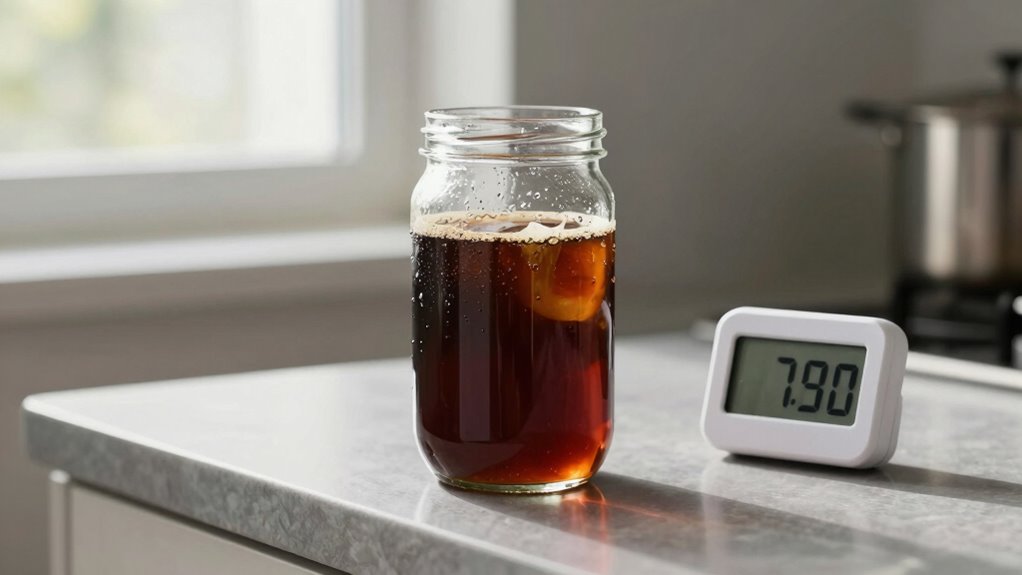
Understanding the safety and proper storage of cold brew is essential to enjoy it at its best. Many questions arise about maintaining its freshness, safety, and nutritional value. Cold brew nutrition can degrade if stored improperly, so knowing how long it stays fresh is key. Also, the origins of coffee beans impact flavor and safety; beans from reputable sources reduce contamination risk.
To keep your cold brew safe, consider these points:
- Store it in an airtight container in the refrigerator, ideally within 24 hours of brewing.
- Avoid leaving cold brew at room temperature for more than 2 hours to prevent bacterial growth.
- Be mindful of the coffee bean origins, as beans from trusted suppliers tend to be safer and fresher, preserving both flavor and nutritional quality.
Frequently Asked Questions
Can I Freeze Cold Brew to Extend Its Freshness?
Yes, you can freeze cold brew to extend its freshness. For proper cold brew storage, transfer it into an airtight container and freeze it promptly. Freezing cold brew helps preserve its flavor and prevents spoilage. Just remember to leave some space in the container for expansion. When you’re ready to enjoy it, thaw it in the fridge or serve over ice. This way, you maximize freshness and enjoy your cold brew longer.
How Does Refrigeration Impact Cold Brew’s Flavor?
Refrigeration acts like a time capsule, locking in your cold brew’s flavor and aroma. It preserves the rich, smooth taste and keeps the enticing aroma from fading away. When you store it properly, you prevent flavor deterioration and aroma loss, ensuring each sip remains fresh and delightful. So, refrigeration isn’t just a storage technique; it’s a guardian that protects your cold brew’s essence from fading into the past.
What Are Common Signs of Cold Brew Contamination?
You’ll notice contamination symptoms like a sour or off smell, a strange taste, or visible mold on your cold brew. Spoilage indicators also include a slimy texture or unusual cloudiness. If any of these signs appear, it’s best to discard the drink. Don’t risk consuming cold brew that shows these contamination symptoms, as it could cause stomach upset or other health issues. Always trust your senses before drinking.
Does Adding Milk or Sweeteners Affect Cold Brew’s Shelf Life?
Adding milk or sweeteners can affect your cold brew’s shelf life. Milk spoilage occurs faster, so once added, your cold brew might only stay fresh for 24 hours if refrigerated. Sweetener stability varies; some may degrade quickly, impacting taste. Always check for off smells or flavors, and if in doubt, it’s safest to discard cold brew with milk or sweeteners after a day or two to prevent health risks.
Is It Safe to Reheat Cold Brew Before Drinking?
Yes, you can reheat cold brew before drinking, but you should do so safely. Cold brew storage makes reheating safety important; avoid overheating, which can alter flavor or create bacteria. Reheat gently on the stove or in the microwave until steaming hot, then enjoy. Always store cold brew properly, and reheat only what you’ll drink immediately to maintain freshness and safety.
Conclusion
Now that you know how long cold brew can safely sit out, are you ready to keep your coffee fresh and tasty? Proper storage is key to avoiding spoilage and enjoying your cold brew anytime. Remember, when in doubt, trust your senses—if it smells or tastes off, it’s better to discard it. Isn’t a fresh, safe cold brew worth a little extra effort? Keep these tips in mind, and sip safely every time.