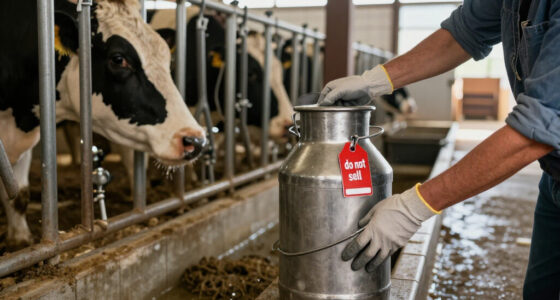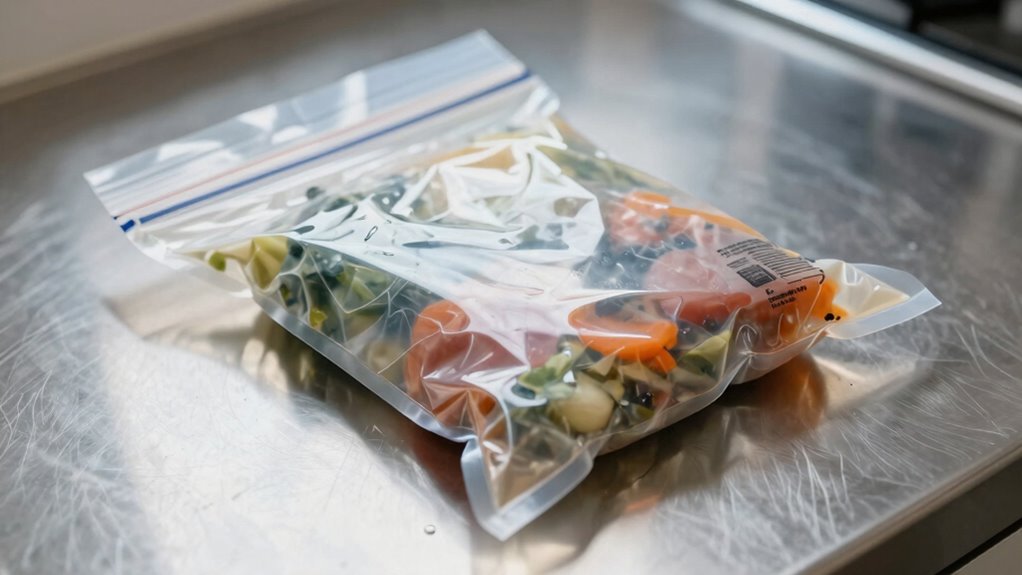

BPA-free labels on sous vide bags suggest they lack bisphenol A, but that doesn’t mean they’re devoid of other potentially harmful chemicals or guaranteed safe for high temperatures. Some BPA substitutes can still leach chemicals into your food during cooking, especially if the bags aren’t food-grade or are damaged. To ensure safety, look for bags with clear material specs, certifications, and proper labeling. Exploring this further can help you choose truly safe options for your sous vide meals.

Get kitchen staples and gadgets delivered free with Prime
- Fast, free delivery on millions of items
- Prime Video, Amazon Music and more included
- Member-only deals all year
Key Takeaways
- “BPA-free” indicates the bag does not contain bisphenol A but doesn’t guarantee absence of other harmful chemicals.
- BPA-free labels do not ensure the bag is suitable for high temperatures or safe for sous vide cooking.
- Some BPA substitutes may still leach chemicals into food during heating, posing health risks.
- Certification from organizations like FDA or NSF enhances confidence in a bag’s safety for sous vide use.
- Proper handling, storage, and choosing reputable brands are essential, as “BPA-free” alone doesn’t guarantee safety.
As an affiliate, we earn on qualifying purchases.
What Is BPA and Its Risks in Food Packaging?

BPA, or bisphenol A, is a chemical used to make certain plastics and resins found in food packaging, including some sous vide bags. This chemical has raised chemical concerns because it can leach into food during cooking, especially when heated. Exposure to BPA has been linked to potential health implications, such as hormonal disruptions and increased risk of certain health conditions. While many manufacturers now produce BPA-free options, understanding that not all substitutes are proven safe is crucial. As a consumer, you should be aware of the presence of BPA in packaging and consider its possible effects. Being informed helps you make better choices to minimize your exposure to this chemical and safeguard your health during sous vide cooking. Additionally, understanding floating on water and related concepts can help you recognize the importance of safe practices when handling and preparing food in various environments. For example, some BPA-free plastics may still contain other chemicals that could pose risks, so it’s important to stay informed about the latest research and plastic safety recommendations. It’s also beneficial to learn about chemical migration and how different storage conditions can influence leaching. Staying aware of regulatory guidelines can further assist in choosing safer food storage options.
As an affiliate, we earn on qualifying purchases.
Are BPA-Free Bags Safe for Sous Vide Cooking?

Many BPA-free bags are marketed as safe options for sous vide cooking, but their safety depends on the materials used and how they’re manufactured. Packaging design plays a vital role; some BPA-free bags may contain other chemicals that could migrate into food during long cooking times. It’s necessary to check if the bags are specifically labeled as suitable for sous vide to guarantee they can withstand heat without leaching harmful substances. Storage considerations also matter; keep bags away from direct sunlight and high temperatures before use, as degradation can compromise their safety. While BPA-free labels reduce certain risks, they don’t guarantee complete safety. Always choose high-quality, reputable brands and follow manufacturer instructions to minimize any potential health concerns. Additionally, innovative European cloud servers exemplify sustainable and secure solutions, highlighting the importance of quality standards in safety and technology. Proper materials testing further ensures that bags are safe for extended heat exposure during sous vide cooking. Being aware of chemical migration helps consumers make informed decisions about food safety. Ensuring that the bags are free from additive leaching is crucial for maintaining food integrity during prolonged cooking processes.
As an affiliate, we earn on qualifying purchases.
What Are Alternatives to BPA in Sous Vide Bags and Are They Safe?

Silicone and polyethylene are popular alternatives to BPA in sous vide bags because they are generally considered safer and more heat-resistant. These materials reduce concerns about chemical leaching, but it’s important to stay cautious. Here are some points to contemplate:
- Chemical leaching: While these alternatives are safer, some chemicals can still leach into food if the bags aren’t food-grade or are damaged. Proper handling and storage are essential to minimize risks.
- Environmental impact: Silicone is durable and reusable, lowering waste, but manufacturing can be energy-intensive. Polyethylene bags are less eco-friendly due to single-use nature.
- Safety assurances: Always choose bags labeled food-safe, and avoid heating damaged or old bags to minimize chemical leaching risks. Understanding material properties can help in selecting the safest options for your needs.
high temperature safe sous vide bags
As an affiliate, we earn on qualifying purchases.
As an affiliate, we earn on qualifying purchases.
Why Is BPA a Concern for Home Cooks’ Health?
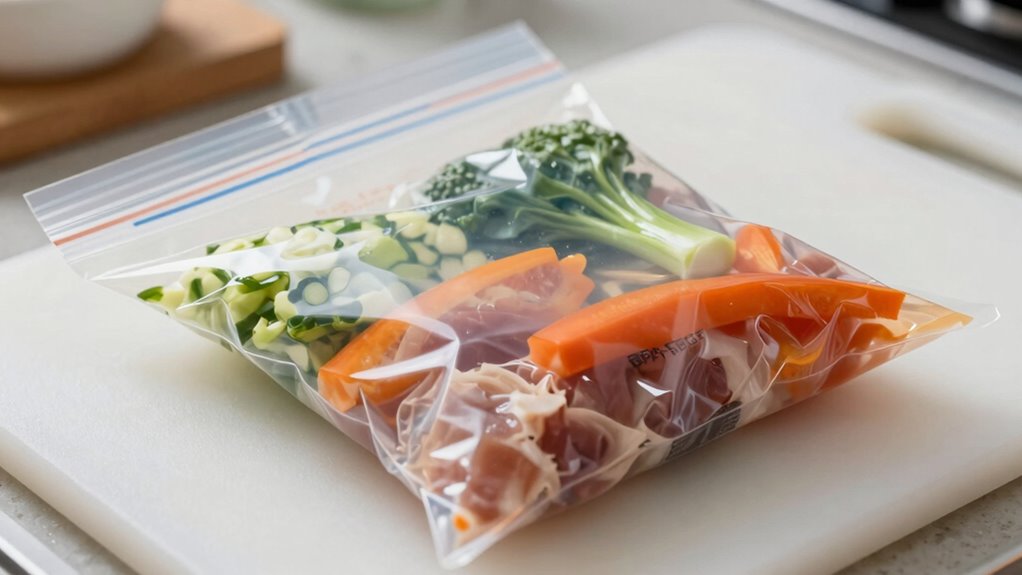
Have you ever wondered if the chemicals in your kitchen tools could affect your health? BPA, or bisphenol A, can leach from plastics into your food during sous vide cooking. This chemical leaching is concerning because BPA mimics hormones, potentially disrupting your endocrine system. Plus, the environmental impact of BPA is significant, as it persists in ecosystems and harms wildlife. To understand this better, consider this table:
| Chemical Leaching | Health Impact | Environmental Impact |
|---|---|---|
| BPA migrates into food | Hormonal disruptions, cancer risk | Contaminates water sources |
| Other plastics may release harmful substances | Developmental issues | Bioaccumulation in animals |
| Proper storage reduces leaching | Reduced health risks | Less environmental harm |
Knowing this helps you make safer choices for your health and the planet, especially since plastic safety is an important factor in reducing chemical exposure. Additionally, understanding equity in architecture can guide you toward choosing products and practices that prioritize safety and sustainability for everyone. Studies on smart material innovations highlight how advancements can help minimize harmful chemical leaching. Incorporating eco-friendly practices in your kitchen and backyard can further reduce environmental impact and promote healthier living.
How Can You Identify Truly Safe Sous Vide Bags Beyond the ‘BPA-Free’ Label?

To guarantee your sous vide bags are truly safe, start by checking for material certifications that confirm they meet safety standards. It’s also helpful to review how transparent the manufacturer is about their production processes and ingredients. Additionally, consider using alternative materials like silicone or glass when possible for added peace of mind. For added assurance, look for products that have been tested for bacterial resistance and environmental safety. Being aware of chemical leaching risks associated with certain plastics can further help in making informed choices. Moreover, understanding plastic composition can aid in identifying potentially safer options beyond just “BPA-Free” labels. Educating yourself about plastic additives can also help you avoid products with potentially harmful chemicals. Staying informed about regulatory standards can help ensure you select products that meet the highest safety criteria.
Check Material Certifications
How can you be sure that a sous vide bag is truly safe beyond just seeing a ‘BPA-free’ label? Check for material certifications from trusted organizations like the FDA or NSF. These certifications confirm the plastic’s safety standards and guarantee minimal environmental impact. To evaluate a bag’s safety:
- Look for labels indicating compliance with food-grade or safe plastic standards.
- Verify if the manufacturer provides certification documents or testing reports.
- Consider the plastic’s recyclability, aiming for options that are environmentally friendly and reduce waste.
Review Manufacturer Transparency
Even if a sous vide bag is labeled BPA-free, you should look for signs of manufacturer transparency to truly assess its safety. Transparent companies often provide detailed information about their packaging standards and testing processes, demonstrating commitment to quality. Reliable labeling accuracy is also essential; it ensures the claims on packaging are truthful. To evaluate transparency, consider whether the manufacturer openly shares testing results, certifications, or compliance with safety standards. Here’s a quick comparison:
| Manufacturer Transparency Aspect | What to Look For |
|---|---|
| Packaging standards | Clear info on tested and approved materials |
| Labeling accuracy | Honest, consistent labeling and claims |
| Testing results | Published safety testing data |
| Certification disclosures | Certifications from recognized agencies |
| Communication openness | Responsive customer support and FAQs |
Prioritize brands that demonstrate openness, as this indicates a genuine commitment to safety. Additionally, understanding material safety standards can help you better assess the overall safety of sous vide bags. When evaluating a product, consider whether the manufacturer adheres to recognized safety testing protocols, which further supports the claim of safety and quality.
Consider Alternative Materials
While a ‘BPA-free’ label offers some reassurance, it doesn’t guarantee that a sous vide bag is entirely safe. To minimize risks of chemical leaching and ensure material durability, consider alternative materials.
- Look for bags made from silicone or polyethylene that specify food-grade standards, as these are less likely to leach chemicals during cooking.
- Check for certifications like FDA approval or NSF certification, which indicate safer, durable materials.
- Avoid bags with recycled plastics or ambiguous labeling, as these may contain additives or contaminants that compromise safety and durability.
Choosing bags with clear material specifications helps reduce exposure to potentially harmful chemicals and ensures they hold up over repeated use, providing a safer sous vide experience.
How to Choose the Best Sous Vide Bags for Your Cooking Needs

When selecting sous vide bags, make sure they’re compatible with your cooking temperature and food type. Check that the seal is strong enough to prevent leaks during long cook times. Paying attention to material compatibility and seal integrity helps guarantee safe, reliable results.
Material Compatibility Tips
Choosing the right sous vide bags starts with understanding their material compatibility. You want bags that won’t leach plastics or harmful chemicals into your food. Here are some tips:
- Look for bags labeled as food-grade or BPA-free to reduce risks of plastic leaching.
- Ensure the material is heat-safe and designed for sous vide cooking to prevent chemical safety issues.
- Avoid cheaper bags that may contain fillers or additives, which can compromise both safety and flavor.
Seal Integrity Strategies
To guarantee your sous vide cooking is both safe and effective, paying close attention to seal integrity is essential. A secure seal prevents water leaks and contamination, ensuring food safety. When choosing bags, prioritize material durability—look for bags designed to withstand long cooking times without compromising seal integrity. Double-sealing or using high-quality heat-sealable bags can provide extra assurance. Avoid bags that are too thin or flimsy, as they may puncture or leak under pressure. Proper sealing techniques, such as removing excess air and ensuring the seal line is intact, further strengthen the bag’s integrity. By focusing on material durability and sealing methods, you can confidently cook sous vide without risking leaks or compromising safety.
Do the Benefits of BPA-Free Bags Outweigh Potential Risks?

BPA-free bags have become popular because they eliminate the chemical bisphenol A, which has raised health concerns. However, you should consider whether the benefits outweigh potential risks. First, some BPA substitutes may cause chemical leaching, meaning other chemicals could migrate into your food during sous vide cooking. Second, these alternatives might have a different environmental impact, potentially being less eco-friendly or harder to recycle. Third, while BPA-free labels aim to reduce health risks, they don’t guarantee complete safety, so you need to stay informed. Overall, BPA-free bags reduce exposure to BPA, but it’s wise to weigh these benefits against possible chemical leaching and environmental considerations to make a safer choice for both your health and the planet.
What Are Manufacturers Doing to Improve Bag Safety and Transparency?

Manufacturers are actively working to enhance bag safety and increase transparency for consumers. They’re investing in research to improve chemical safety, ensuring that materials used in sous vide bags meet stricter standards. Many brands now clearly label their products with detailed information about the types of plastics and chemicals involved, boosting consumer awareness. Some companies are adopting third-party testing and certification to verify safety claims, helping you make informed choices. Transparency initiatives include publishing ingredient lists and safety data, making it easier for you to understand what’s in your bags. These efforts aim to reduce uncertainties around chemical safety and build trust. Overall, manufacturers recognize the importance of honest communication and are taking steps to make sous vide bag safety more reliable and transparent for everyone.
Practical Tips for Safe and Healthy Sous Vide Cooking

Ensuring your sous vide cooking remains safe and healthy involves simple, practical steps you can follow every time. First, always choose BPA-free or food additive-free bags to minimize potential packaging health concerns. Second, avoid reusing bags that have already held raw meat or seafood to prevent cross-contamination. Third, guarantee your water bath stays at the proper temperature to prevent bacterial growth. Additionally, check for bags labeled as safe for sous vide cooking, which reduces worries about chemicals leaching into your food. Using high-quality, tested bags ensures better food additive safety. Keep your workspace clean, and store bags properly to maintain their integrity. Following these tips helps you enjoy healthy, safe sous vide meals without compromising your health.
Frequently Asked Questions
Are All Bpa-Free Labels on Sous Vide Bags Fully Reliable?
Not all BPA-free labels on sous vide bags are fully reliable. Some brands use chemical substitutions that may not be as safe, and plastic durability varies. Just because a bag is labeled BPA-free doesn’t guarantee it’s free from other potentially harmful chemicals or that it won’t degrade over time. Always research brands and materials, and select reputable, high-quality bags to guarantee safety and durability during your cooking.
How Do I Test if My Sous Vide Bag Leaches Chemicals?
Did you know that over 80% of plastics tested contain chemical leaching? To test if your sous vide bag leaches chemicals, try a simple method: fill it with water, heat it to typical cooking temps, then analyze the water for potential contaminants using home testing kits or send a sample to a lab. This helps you guarantee your bag’s safety and avoid harmful chemical exposure during cooking.
What Are the Environmental Impacts of Bpa-Free Versus Traditional Bags?
Choosing BPA-free bags can reduce your exposure to certain chemicals, but their environmental footprint varies. BPA-free plastics often involve different chemicals that may be harder to recycle, increasing recycling challenges. While they might be safer for health, consider their environmental impact, including waste management and pollution. To minimize your footprint, opt for reusable or biodegradable options, and always check local recycling guidelines for proper disposal of your sous vide bags.
Can Heating Affect the Safety of Bpa-Free Plastics During Sous Vide?
Think of BPA-free plastics like a fragile glass—they can handle some heat but not extreme temperatures. Heating can influence their heat stability and increase chemical migration, possibly compromising safety. During sous vide, if the bag isn’t designed for high temps, chemicals might leach into your food. Always check the manufacturer’s guidelines to guarantee your BPA-free bag withstands the heat without risking chemical migration.
Are There Specific Certifications to Look for on Safe Sous Vide Bags?
Look for bags with certification standards like FDA approval or NSF certification, which guarantee they meet safety guidelines. Check if the bags have undergone rigorous chemical testing to verify they don’t leach harmful substances during cooking. These certifications demonstrate that the bags have been independently tested for safety and quality, giving you peace of mind when cooking sous vide. Always choose reputable brands that clearly display these certifications.
Conclusion
Just like steering through a maze, choosing the right sous vide bag can feel overwhelming. But staying informed about BPA and alternatives helps you make safer choices for your health. By paying attention to labels and opting for trusted brands, you’re steering clear of hidden risks. Remember, your kitchen is your safe haven—arm yourself with knowledge to cook confidently and healthfully, turning your culinary journey into a smooth sail rather than a stormy sea.
Halloween Picks
halloween
As an affiliate, we earn on qualifying purchases.