Using a microwave cover helps prevent splatters, keeps your microwave cleaner, and preserves moisture in your food for better texture. However, covering can sometimes trap too much moisture, making food soggy, or cause pressure buildup if not vented properly. Cooking uncovered reduces the risk of sogginess and may promote crispiness, but it can lead to messier cleanup and uneven heating. To discover which option suits your needs best, explore the tips that follow.

Get kitchen staples and gadgets delivered free with Prime
- Fast, free delivery on millions of items
- Prime Video, Amazon Music and more included
- Member-only deals all year
Key Takeaways
- Using a cover prevents microwave splatters, keeping it cleaner and reducing cleanup time.
- Covers help retain moisture, ensuring food stays tender and heats evenly.
- Uncovered food may heat faster and develop crisp textures but risks splatter and uneven heating.
- Proper venting and material choice are essential to prevent sogginess and safety hazards with covers.
- For minimal mess, stir food midway and select containers that reduce splatter when microwaving uncovered.
As an affiliate, we earn on qualifying purchases.
Should You Cover Your Food in the Microwave? Pros and Cons Explained
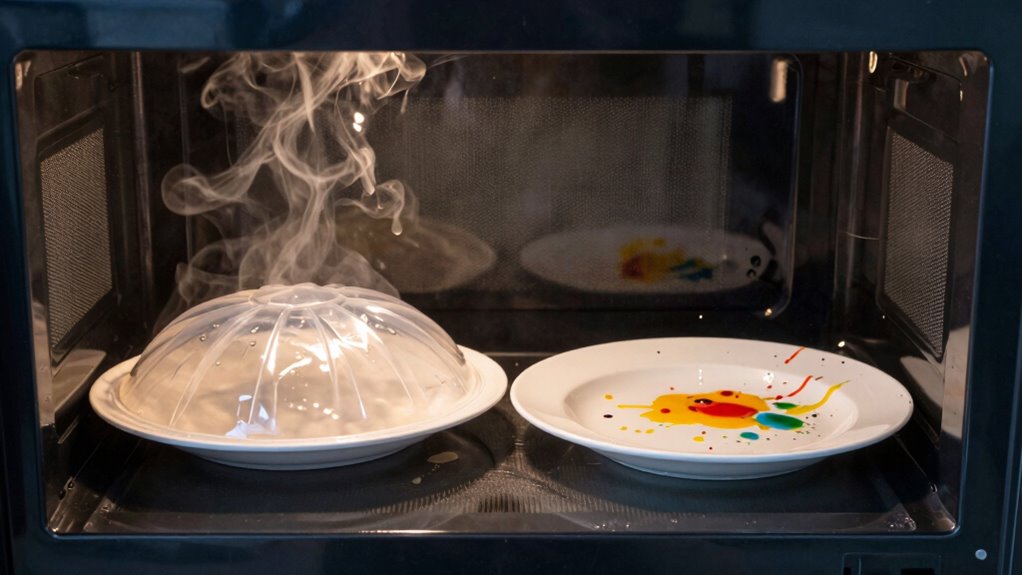
Deciding whether to cover your food in the microwave depends on several factors. Microwave safety is a primary concern, as covering food can prevent splatters that might cause messes or even minor damage. Additionally, covering helps maintain kitchen hygiene by reducing airborne food particles and spills. However, some covers can trap steam, which might lead to uneven heating or even cause the cover to burst if not vented properly. If you choose to cover your food, ensure it’s microwave-safe and vents correctly to avoid accidents. Proper ventilation is essential to prevent pressure buildup and ensure even heating. Without proper ventilation, there’s a risk of pressure buildup, which could cause the cover to pop off or shatter. Ultimately, balancing microwave safety and kitchen hygiene will guide your decision on whether to cover your food during heating.
As an affiliate, we earn on qualifying purchases.
How Does Covering Food Help Keep Your Microwave Clean?
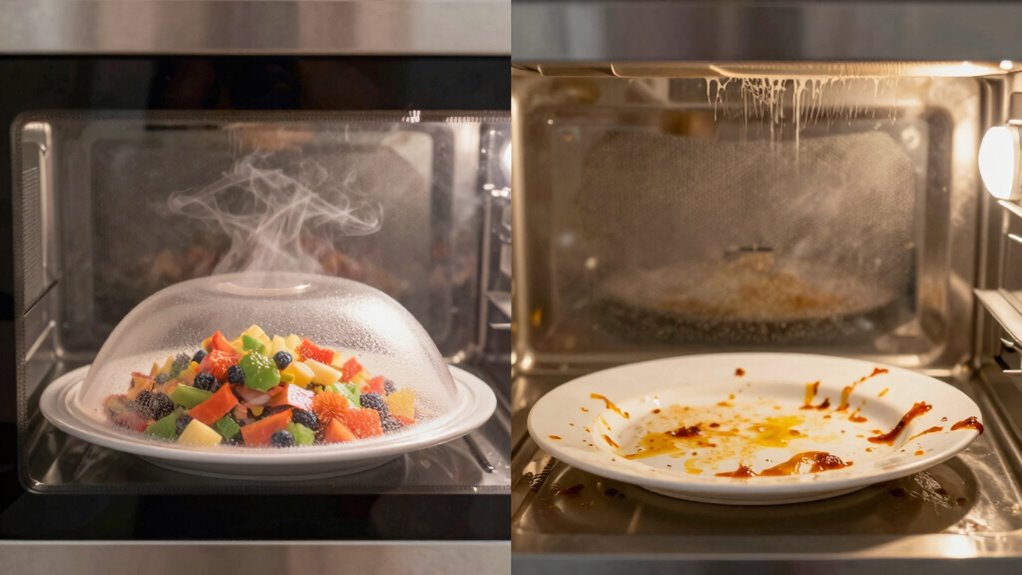
When you cover your food, it prevents splatters from spreading all over your microwave, keeping it cleaner. Plus, the cover helps retain moisture, so your food stays juicy and cooks evenly. This simple step can save you time on cleaning and make microwave maintenance much easier. Additionally, using microwave-safe cover materials ensures safety and prevents potential hazards during heating. Choosing the right material for microwave covers can also influence how well heat is distributed and how effectively splatters are contained. Selecting safe and effective covers can further enhance your microwave experience and safety, especially when considering features like smart kitchen appliances that promote safer cooking practices. Employing proper microwave cover techniques can further improve cooking results and reduce mess.
Containment of Splatter
Covering your food in the microwave prevents most splatters from escaping onto the walls and ceiling. This containment directly supports food safety by reducing airborne bacteria and prevents messes that can harbor germs. Keeping splatter confined also promotes better microwave hygiene, saving you cleaning time and effort. When you use a cover, you minimize the risk of cross-contamination between different foods. It also helps prevent lingering odors from splattered food particles. Plus, it maintains a cleaner cooking environment, ensuring your microwave stays in top condition. Using microwave covers can also contribute to energy efficiency by reducing the need for extra cleaning and maintenance. Additionally, utilizing a cover helps preserve the microwave’s interior components, extending its lifespan and performance. Proper use of covers can also improve your cooking results, leading to more evenly heated meals and reducing the likelihood of food drying out or overcooking. Employing a cover can also enhance microwave safety by decreasing the chances of accidental splatters that could cause burns or messes during cleaning. Moreover, using a cover can promote user safety by reducing the need for frequent cleaning and minimizing contact with hot splatters.
Moisture Retention Benefits
By trapping moisture during heating, a microwave cover helps prevent food from drying out and creating stubborn splatters. This steam retention maintains moisture preservation, keeping your food tender and flavorful. When you cover your dish, the trapped steam circulates, reducing evaporation and drying. This not only improves food quality but also minimizes cleanup. To understand this better, consider this:
| Benefit | Effect on Food | Impact on Cleanup |
|---|---|---|
| Steam retention | Keeps food moist | Less splatter, easier cleaning |
| Moisture preservation | Prevents drying out | Fewer stubborn stains |
| Even heating | Promotes uniform warmth | Less need for scrubbing |
| Reduced splatter | Contains mess | Maintains microwave cleanliness |
Using a cover leverages steam retention for better moisture preservation, benefiting both your food and your microwave. Additionally, microwave technology has advanced to optimize heat distribution, further enhancing performance. Moreover, modern microwave covers are designed to reduce heat buildup, which helps in maintaining a consistent temperature and prevents overheating. This thoughtful design also helps reduce the release of harmful indoor air pollutants, contributing to a healthier kitchen environment.
As an affiliate, we earn on qualifying purchases.
Does Leaving Food Uncovered Help It Cook Evenly?
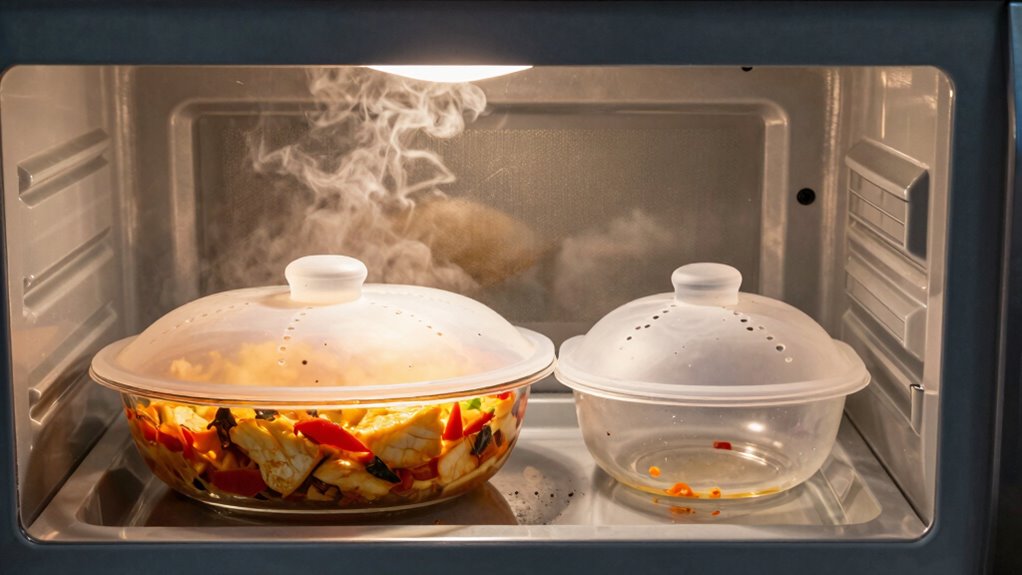
Leaving food uncovered can sometimes allow heat to distribute more evenly, but it also risks uneven cooking or drying out your meal. When you microwave without a cover, heat may escape, causing hot spots and prolonging cooking time. This uneven distribution can sometimes be mitigated by proper container selection, which influences how heat spreads within the dish. Using microwave-safe cover materials can help trap heat and moisture, promoting more uniform heating. This can impact food safety, as uneven heating might leave parts undercooked. However, uncovered heating can promote evaporation, preventing excess moisture buildup. Additionally, microwave power settings can influence whether uncovered heating results in better or worse outcomes. To better understand, consider these points:
- Promotes faster evaporation of excess moisture
- Can lead to uneven temperature distribution
- Helps achieve crispier textures in some foods
- Reduces the risk of sogginess
- May cause food to dry out if left too long
- Microwave heating dynamics are affected by whether a cover is used or not
- Proper ventilation can help control moisture levels during uncovered heating
Ultimately, whether uncovered helps depends on your goal—speed, texture, or safety.
As an affiliate, we earn on qualifying purchases.
What Are the Benefits and Drawbacks of Using Microwave Covers?
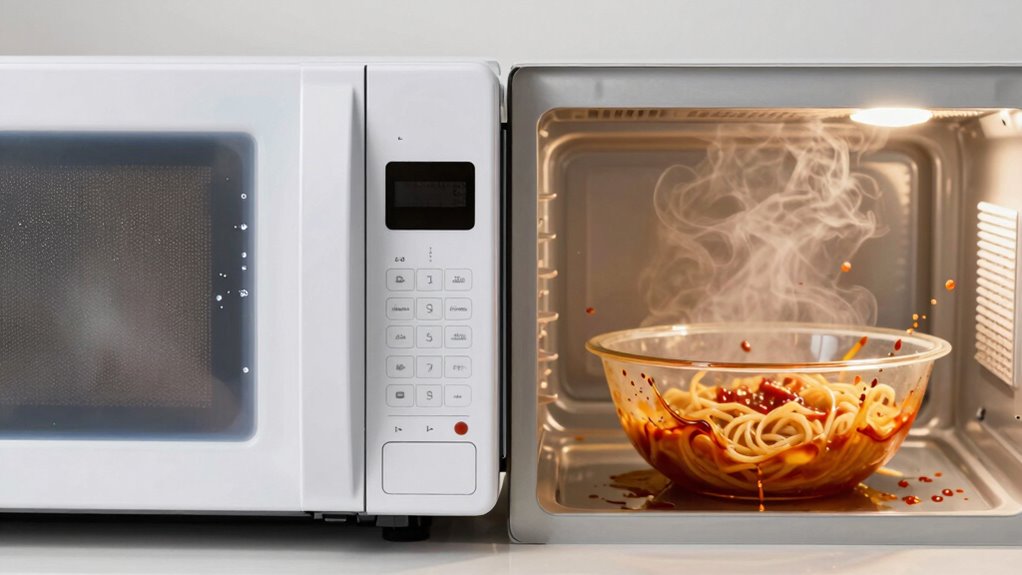
Using a microwave cover helps prevent food splatter, keeping your microwave cleaner. However, it can also trap moisture, which might make your food soggy. Considering these factors can help you decide if a cover suits your cooking needs. Additionally, choosing the right cleaning appliances can make maintenance easier and ensure your microwave stays in good condition. Being aware of kitchen safety practices can also help prevent accidents while using microwave covers.
Prevents Food Splatter
Microwave covers are effective at preventing food splatter, which keeps your microwave cleaner and reduces the need for frequent scrubbing. Using a cover helps contain liquids and food particles, minimizing mess and potential odor buildup. Plus, it promotes food safety by preventing cross-contamination from splattered food. The right cover materials—such as microwave-safe plastic or silicone—ensure durability and safety during heating. When choosing a cover, consider its size, venting options, and ease of cleaning. A well-designed cover not only keeps your microwave tidy but also preserves the flavor and moisture of your food. Keep in mind, a cover’s primary benefit is reducing splatter, but it’s essential to select one that’s safe, effective, and compatible with your cooking habits for the best results.
May Trap Moisture
While microwave covers effectively prevent splatter, they can also trap moisture inside, which may lead to food becoming soggy. This moisture buildup occurs because steam can’t escape easily, creating a humid environment. Over time, excess moisture can promote mold growth on food or the cover itself, especially if not cleaned regularly. The trapped humidity might also affect the texture of your leftovers, making them less appealing. However, using a microwave cover can be beneficial for steaming vegetables or reheating foods that need moisture retention. To balance these effects, consider venting the cover slightly to release excess steam. Regularly cleaning your cover and avoiding over-tightening can help prevent mold growth and reduce moisture buildup, ensuring both safety and improved food quality.
Which Types of Microwave Covers Are Best for Different Foods?
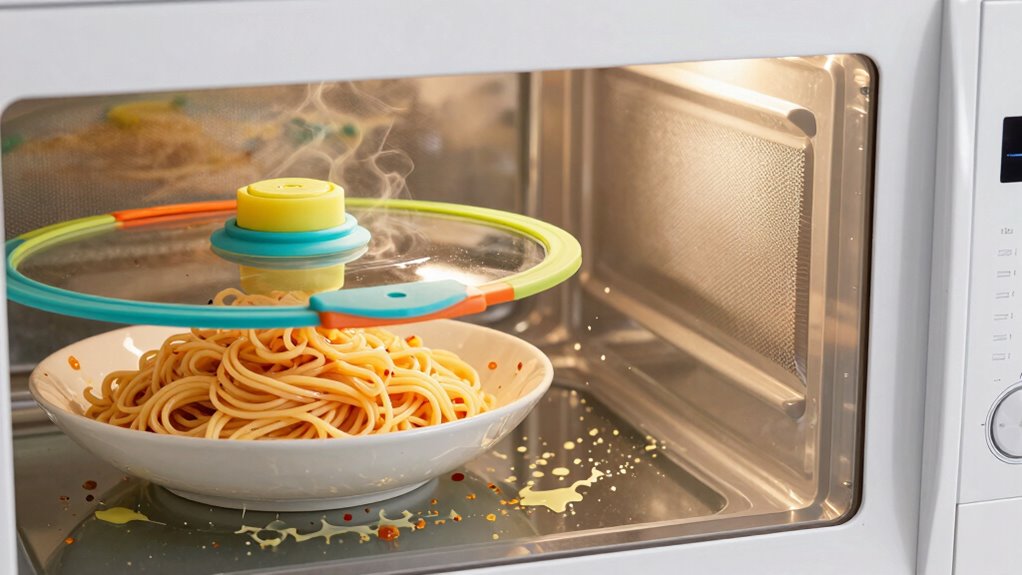
Have you ever wondered which microwave cover works best for different types of foods? Choosing the right cover guarantees food safety and keeps your microwave maintenance hassle-free. For moist foods like soups or stews, use a vented cover that allows steam to escape. For dry items like leftovers or baked goods, a loose-fitting cover prevents splatter without trapping too much moisture. When reheating greasy foods, opt for microwave-safe glass covers to avoid melting plastics. Soft silicone lids are ideal for irregular shapes, while microwave-safe paper covers can be handy for quick tasks. Remember, selecting the proper cover minimizes splatter, preserves food quality, and maintains your microwave’s cleanliness. Proper cover choices help prevent messes and support safe, efficient reheating.
How Can You Prevent Microwave Splatters Without Covering Food?
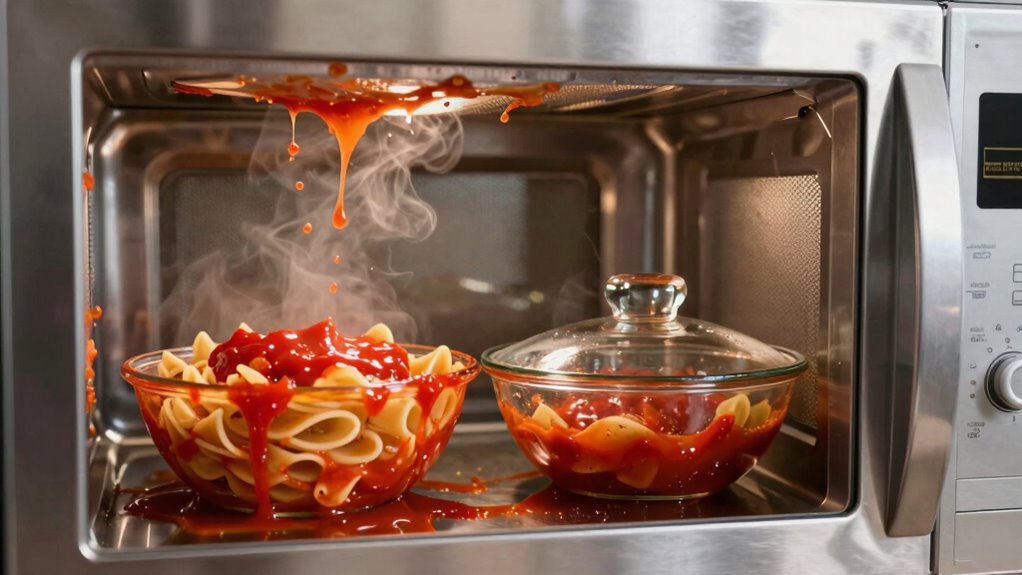
Even if you prefer not to use a cover, there are effective ways to prevent splatters during microwave reheating. First, stir food halfway through heating to distribute heat evenly, reducing the risk of boiling over and mess. Covering dishes loosely with a microwave-safe paper towel or microwave-safe plastic wrap without sealing tightly can also help contain splatters while maintaining food texture. Using lower power settings and shorter intervals minimizes rapid boiling and splatter formation. Additionally, selecting microwave-safe containers with smooth sides makes cleaning easier if splatters occur. Always monitor your food closely, especially when reheating liquids or foods prone to bubbling over. These practices enhance microwave safety and help preserve your food’s texture, keeping your microwave cleaner without the need for a cover.
How to Choose the Right Microwave Cover for Your Kitchen
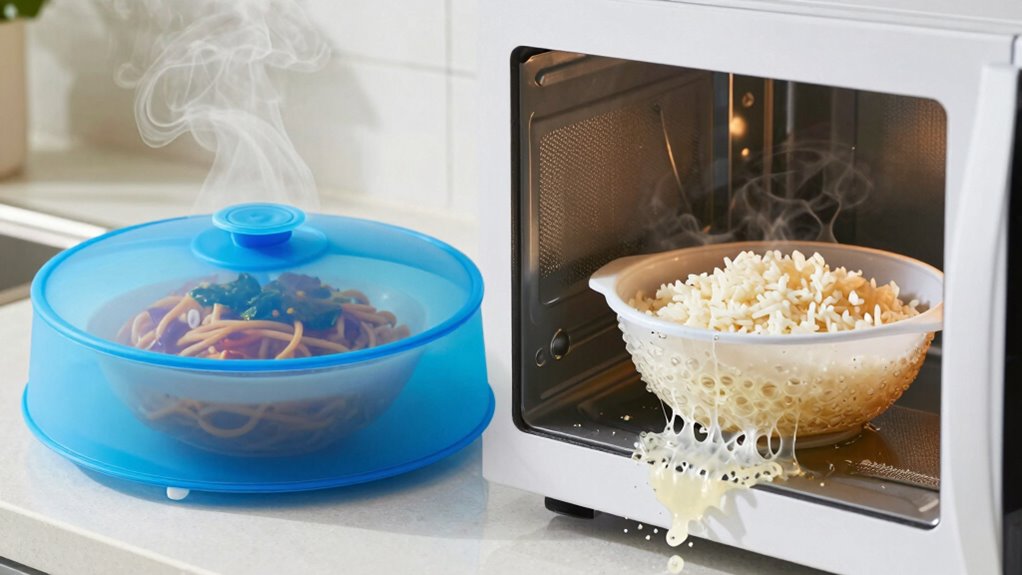
Choosing the right microwave cover can make a significant difference in keeping your microwave clean and preventing splatters. To select the best fit, consider your kitchen organization and microwave aesthetics. Look for covers that are easy to clean, space-saving, and durable. Think about materials like silicone or vented plastic that prevent moisture buildup. Match the cover’s size and style with your microwave to maintain a sleek look. Also, consider features such as collapsibility for storage or adjustable vents for steam release. A well-chosen cover enhances your kitchen’s overall appearance while reducing mess. Keep in mind, a good fit ensures effective splatter control without sacrificing style or convenience. Ultimately, the right microwave cover streamlines your kitchen routine and keeps your space looking tidy.
FAQs: Common Questions About Microwave Covering and Safety
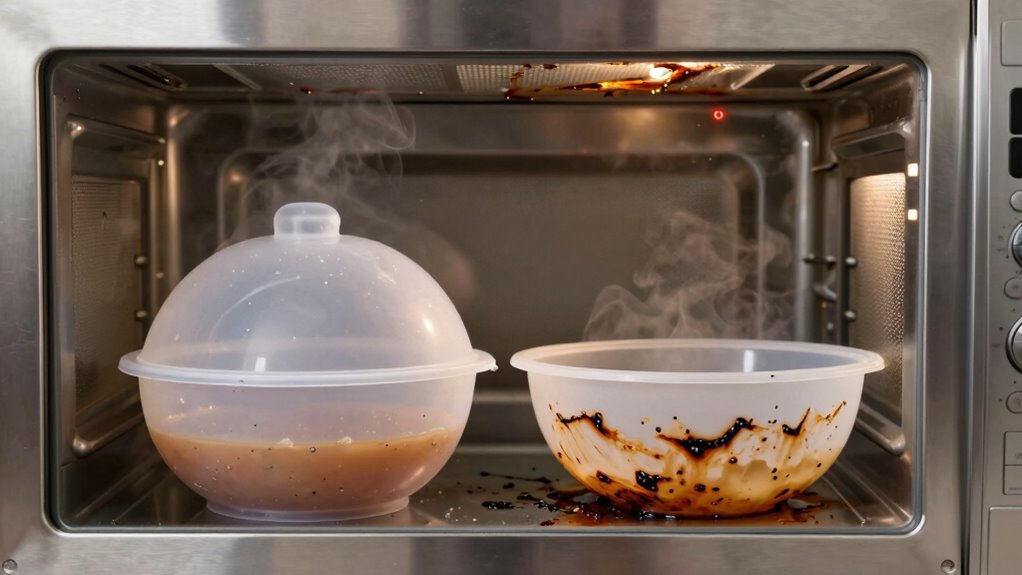
Many people wonder if using a microwave cover is safe and how it affects cooking. The key to microwave safety is selecting the right cover materials, such as BPA-free plastic or glass. These materials resist heat and won’t leach chemicals. Here’s a visual to help you imagine:
| Cover Material | Benefits | Safety Tips |
|---|---|---|
| Plastic | Lightweight, affordable | Ensure microwave-safe label |
| Glass | Durable, easy to clean | Avoid thermal shock |
| Silicone | Flexible, heat resistant | Check for microwave-safe mark |
| Metal | Not recommended | Never use in microwave |
| Paper | Temporary covers, minimal splatter | Use only for short periods |
Choosing the right cover enhances microwave safety and reduces splatter, ensuring safe and efficient cooking.
Frequently Asked Questions
Can Microwave Covers Affect Cooking Times or Food Texture?
Microwave covers can impact your cooking times slightly, often helping food heat more evenly and reducing splatter, but they don’t drastically change cooking durations. They can also influence food texture alteration, especially by trapping moisture, which keeps food moist and tender. Using a cover might make your meals cook a bit faster and preserve a better texture, but be mindful that too much moisture can lead to sogginess.
Are Microwave Covers Safe to Use With All Types of Food?
Think of microwave covers as shields for your food. They’re generally safe if made from microwave-safe materials, but not all covers suit every dish—some materials aren’t compatible with certain foods or microwave settings. Always check food safety labels and material compatibility before using them. If you use a cover designed for microwave use, it helps prevent splatters without risking safety, keeping your meals both clean and secure.
How Often Should I Replace or Clean My Microwave Cover?
You should replace your microwave cover if it shows signs of damage or wear, but generally, cleaning it regularly keeps it maintainable. Aim to clean your cover after every few uses or weekly, depending on how often you microwave. Use warm, soapy water and avoid harsh chemicals. Proper cleaning maintains its cover durability and ensures it stays safe and effective, preventing buildup and lingering odors.
Do Microwave Covers Impact Energy Efficiency During Heating?
Did you know that using a microwave cover can boost energy efficiency by up to 20%? When you cover your food, it retains heat better, reducing cooking time and conserving energy. This simple step enhances microwave efficiency and supports energy conservation efforts. So, next time you heat your meal, use a cover to save power and cook more efficiently—it’s a small change with a big impact.
Are There Any Materials I Should Avoid When Choosing a Microwave Cover?
You should avoid microwave covers made from non microwave-safe plastics or metals, as they can pose safety risks or damage your appliance. Focus on materials with proven material safety, like BPA-free plastics or silicone, which also guarantee cover durability. These materials withstand heat well and won’t warp or crack over time. By choosing the right material, you protect yourself and your microwave, making your cover both safe and long-lasting.
Conclusion
Ultimately, whether you cover your food in the microwave depends on your priorities. If you want to keep your microwave spotless, using a cover is a smart move, but it might slightly affect even heating. Remember, a little prevention goes a long way, so weigh the pros and cons and choose what works best for you. After all, it’s better to be safe than sorry—don’t let splatters become a stubborn stain!
Halloween Picks
halloween
As an affiliate, we earn on qualifying purchases.