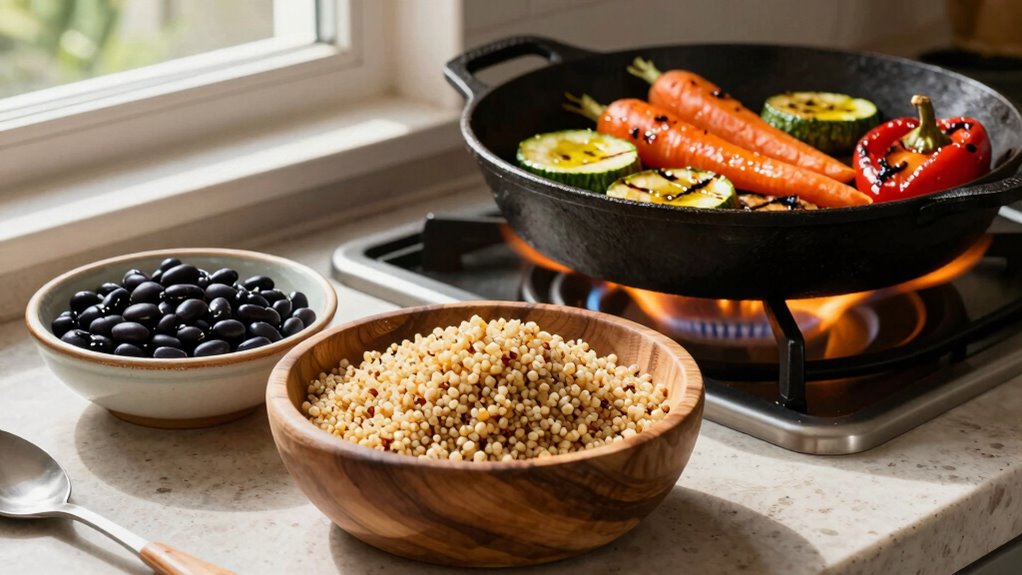
To prep grains, beans, and roasted vegetables together, start by rinsing quick-cooking grains like quinoa or brown rice thoroughly. Soak dried beans overnight, then simmer until tender or rinse canned beans for added freshness. Roast vegetables such as sweet potatoes and zucchini at 400°F for 20-30 minutes, seasoning as you like. Combine everything in a bowl, toss gently, and adjust spices as needed. Keep going for more tips to perfect this easy, nutritious meal.

Get kitchen staples and gadgets delivered free — and shop member deals
- Fast, free delivery on millions of items
- Access to Prime Big Deal Days deals on October 6–7
- Prime Video, Amazon Music and more included
Key Takeaways
- Rinse grains thoroughly and cook according to package instructions for fluffy texture.
- Soak dried beans overnight and simmer until tender for creaminess; rinse canned beans before use.
- Roast vegetables at 400°F for 20-30 minutes with seasoning to enhance flavor and texture.
- Combine cooked grains, beans, and roasted vegetables in a large bowl, tossing gently to mix evenly.
- Adjust seasonings after mixing, adding herbs, spices, or flavor enhancers to suit taste preferences.
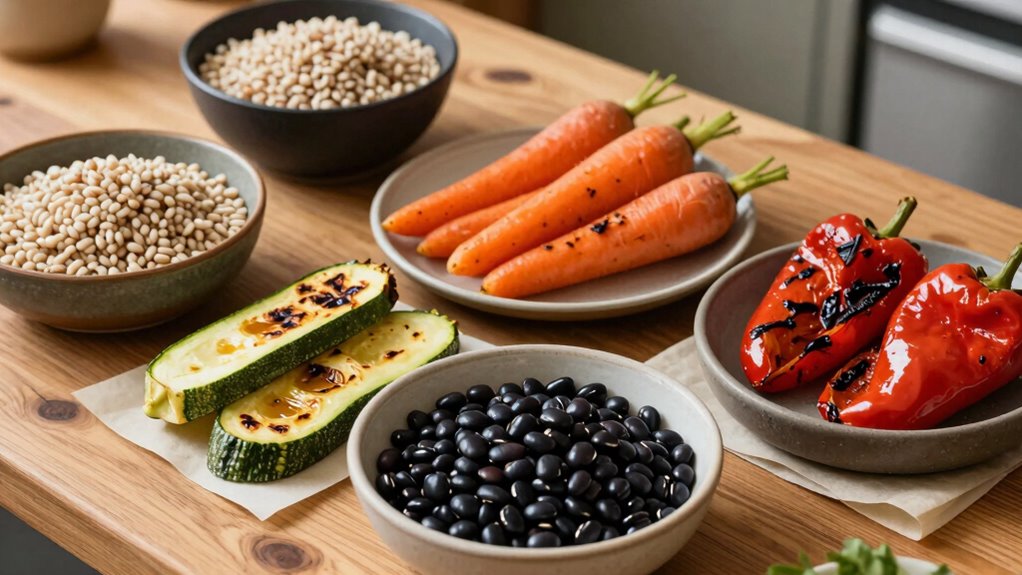
Getting started with preparing grains, beans, and vegetables is essential for creating flavorful and nutritious meals. When you combine these ingredients thoughtfully, you unlock a world of flavor combinations and textures that make every bite satisfying. The key is to plan your prep work so that each component complements the others, whether you’re aiming for a hearty bowl or a vibrant side dish. Using the right cooking techniques ensures that each element retains its best qualities while blending harmoniously in your dish.
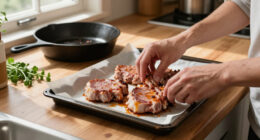
First, choose your grains—quinoa, brown rice, or farro work well because they cook quickly and hold their texture nicely. Rinse them thoroughly to remove any excess starch or dirt, then cook according to package instructions. For beans, opt for dried varieties if you want to control salt and additives, or canned beans for convenience. If using dried beans, soak them overnight to reduce cooking time and improve digestibility, then simmer until tender. Canned beans just need a quick rinse. Vegetables should be roasted to bring out natural sweetness and deepen flavor. Popular choices include sweet potatoes, bell peppers, carrots, or zucchini. Toss them with olive oil, salt, and your favorite spices—paprika, garlic powder, or thyme work beautifully—and spread them evenly on a baking sheet. Roast at 400°F until caramelized and tender, about 20-30 minutes.
Choose quick-cooking grains and roasted, seasoned vegetables for wholesome, flavorful meals.
While each ingredient is cooking, consider your flavor combinations. For instance, pairing roasted sweet potatoes with cumin and a squeeze of lime creates a warm, tangy profile, while a sprinkle of fresh herbs like parsley or cilantro can brighten the dish. When it comes to cooking techniques, roasting vegetables enhances their sweetness, boiling grains keeps them fluffy and light, and simmering beans makes them creamy and hearty. These methods are straightforward but impactful, ensuring each element is perfectly cooked without losing its integrity. Additionally, understanding how cooking techniques impact flavor and texture can help you customize dishes to your preferences, especially when considering the role of seasoning in elevating simple ingredients. Incorporating different seasoning combinations allows for endless variations tailored to your taste.
Once everything is cooked, combine the grains, beans, and roasted vegetables in a large bowl. Toss gently to mix and adjust seasonings as needed. A drizzle of tahini, a splash of vinegar, or a dash of chili flakes can elevate the dish, adding layers of flavor. Remember, the beauty of this prep lies in flexibility—you can switch out vegetables or seasonings based on what you have or what flavor profile you’re after. By mastering these cooking techniques and exploring different flavor combinations, you’ll be able to prepare wholesome, delicious meals that are both satisfying and nutritious, all made in a way that’s simple and efficient.
As an affiliate, we earn on qualifying purchases.
Frequently Asked Questions
Can I Cook Different Grains Together in One Pot?
Yes, you can cook different grains together in one pot, but it depends on their cooking times and flavors. Use proper cooking techniques like rinsing and adjusting water ratios. For flavor pairings, consider complementary herbs or spices to blend the grains’ tastes. Keep in mind that some grains, like rice and barley, cook well together, but others may need separate cooking to avoid uneven textures or overcooking.
How Do I Store Cooked Grains, Beans, and Vegetables?
Storing your cooked grains, beans, and roasted vegetables is like saving treasures in a chest. Use airtight storage containers to lock in freshness and prevent spills. For longer storage, employ freezing techniques—dividing portions into freezer-safe bags or containers, then label and date them. This way, your healthy meals stay flavorful and ready to heat up whenever you need a quick, nutritious boost.
What Are Some Flavor Variations for Prepping These Ingredients?
You can add exciting flavor variations by experimenting with different flavor pairings and seasoning ideas. Try blending garlic, cumin, and lemon juice for a Mediterranean twist, or sprinkle with smoked paprika, chili powder, and lime for a smoky, spicy kick. Fresh herbs like cilantro or parsley brighten the dish, while a dash of soy sauce or balsamic vinegar adds depth. Play around with seasonings to match your preferred cuisine and elevate your prep.
How Long Can I Keep Prepped Grains, Beans, and Veggies?
Time is your silent partner in meal prep, but it’s also a thief of freshness. You can keep prepped grains, beans, and veggies in the fridge for 3 to 5 days, following good storage safety practices. Use airtight containers, label your meals, and reheat thoroughly. For longer storage, freeze them up to 3 months. Meal prep tips like these help you enjoy healthy, ready-to-eat foods without sacrificing flavor or safety.
Are There Any Dietary Restrictions to Consider When Prepping Together?
If you’re prepping grains, beans, and roasted vegetables together, consider dietary restrictions like gluten sensitivity. Choose gluten-free grains such as quinoa or rice to keep it safe. For vegan options, skip animal-based products and focus on plant-based ingredients. Always check labels for hidden gluten or animal derivatives, and label your prepped items clearly. This way, you guarantee your meals suit your dietary needs without risking cross-contamination or unwanted ingredients.
As an affiliate, we earn on qualifying purchases.
Conclusion
By mastering the art of prepping grains, beans, and roasted vegetables together, you not only save time but also create versatile, nutritious meals. Did you know that combining these ingredients can boost your fiber intake by up to 25%? This simple prep method keeps your meals vibrant and healthy, making it easier to stick to your nutrition goals. So next time, double or triple your batch—you’re set for tasty, wholesome dishes all week long!
roasting vegetables baking sheet
As an affiliate, we earn on qualifying purchases.
As an affiliate, we earn on qualifying purchases.
As an affiliate, we earn on qualifying purchases.
NFL season / tailgating Picks
team gear
As an affiliate, we earn on qualifying purchases.