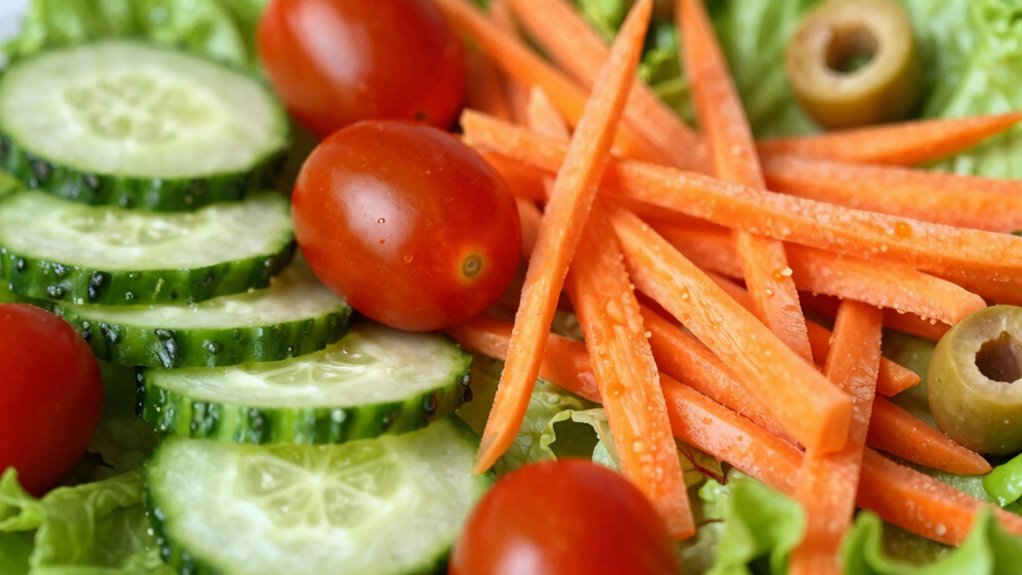

To make repeated ingredients feel less repetitive, use subtle texture rotations—about 15° to 45°—to add visual variety without creating new textures. This simple trick affects how light reflects off surfaces, creating more realistic shadows and highlights. It keeps the overall design cohesive while giving each element subtle uniqueness. Incorporating small rotations can elevate your texture work and make your scenes more engaging. If you keep exploring, you’ll discover even more ways to enhance your textures effectively.

Get kitchen staples and gadgets delivered free — and shop member deals
- Fast, free delivery on millions of items
- Access to Prime Big Deal Days deals on October 6–7
- Prime Video, Amazon Music and more included
Key Takeaways
- Small rotations (15°-45°) introduce subtle variation, making repeated textures appear more natural and less monotonous.
- Rotating textures alters light reflection, creating dynamic shadows and highlights that enhance realism.
- Strategic texture rotation diversifies surface appearance without needing multiple unique textures.
- Incorporating rotation into workflow adds visual interest while maintaining design coherence.
- Minor adjustments through rotation significantly improve environment immersion and overall visual polish.
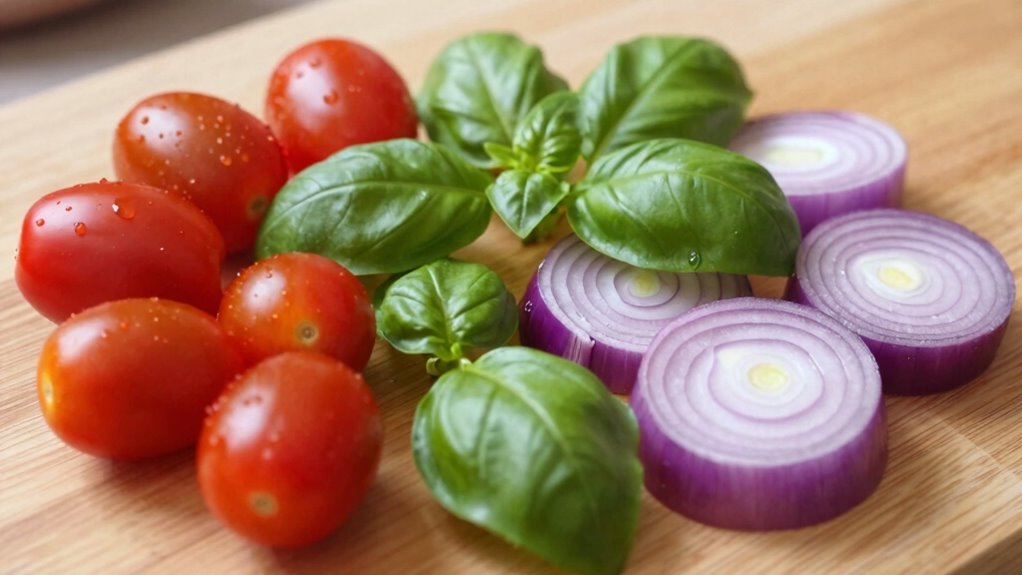
If you’ve ever wanted to add dynamic visual effects to your 3D models or textures, the Texture Rotation Trick is a simple yet powerful technique to master. It’s especially useful when working with repeated ingredients or textures that can feel monotonous. By rotating textures strategically, you can create visual variety without changing the underlying models or textures entirely. This approach keeps your designs fresh and engaging, making each element stand out even if it’s technically the same material.
Rotating textures adds visual variety and depth, keeping designs engaging without creating new materials.
When applying this trick, think of it like flavor pairing in cuisine—just as a surprising combination enhances a dish, a subtle rotation can elevate your visual presentation. For example, in plating techniques, chefs often rotate ingredients or adjust their placement to generate visual interest and balance. Similarly, rotating textures in your 3D scenes or textures on surfaces prevents the repetition from becoming dull. The key is in subtle variations; small rotations—say, 15 to 45 degrees—can make a big difference, giving each repeated element a unique appearance. This method avoids the need to create entirely new textures for every instance, saving you time and effort while maintaining a high-quality look.
Texture rotation also influences how light interacts with surfaces, adding depth and realism. When textures are rotated, the way light reflects changes, creating nuanced shadows and highlights. This effect enhances the overall authenticity of your models, especially when combined with effective lighting and shading techniques. In terms of visual storytelling, this trick helps break the monotony, making repeated elements more dynamic and less predictable. It’s akin to how plating techniques in fine dining elevate simple ingredients into a visual feast—rotation adds that extra layer of sophistication and visual appeal.
Furthermore, texture rotation can be integrated into your workflow as part of a larger design strategy. Whether you’re texturing a landscape, a character’s clothing, or architectural surfaces, rotating textures at different angles creates a pattern variation that feels intentional and well-thought-out. It also offers flexibility if you want to experiment with different compositions or themes in your project. Just like pairing flavors enhances a dish, combining rotation with other texturing methods—such as bump mapping or procedural textures—can amplify the richness and complexity of your visuals. Additionally, understanding how texture interaction affects surface appearance can help you optimize your use of this technique.
In the end, mastering the Texture Rotation Trick empowers you to craft more immersive, less repetitive environments and models. It’s a simple, elegant way to bring subtle diversity to your work, making every repeated element feel fresh and intentional. Just remember, like with good plating or flavor pairing, the details matter—small rotations can make a big difference.
As an affiliate, we earn on qualifying purchases.
Frequently Asked Questions
Can Texture Rotation Be Applied to All Types of Ingredients?
Texture rotation can be applied to most ingredients, but its effectiveness depends on ingredient variety and your cooking techniques. You can rotate textures in vegetables, proteins, or grains to add visual interest and complexity. However, some ingredients might not benefit as much if they don’t hold shape well or don’t respond to certain techniques. Experimenting with texture rotation helps keep dishes fresh and engaging, no matter the ingredients you choose.
How Does Texture Rotation Affect Flavor Perception?
Texture rotation enhances flavor perception by creating sensory variation in your dishes. When you vary the texture, you stimulate different taste receptors and mouthfeel experiences, which amplifies flavor perception and prevents monotony. This technique boosts flavor enhancement by engaging your senses more fully, making each bite feel fresh and interesting. So, applying texture rotation keeps your palate intrigued, making your meals taste more dynamic and satisfying.
Are There Specific Tools Needed for Texture Rotation?
You don’t need special tools for texture rotation; simple techniques and mindful ingredient pairing work best. Use tools like tweezers or small tongs to arrange ingredients precisely, enhancing plating aesthetics. By rotating textures and pairing contrasting ingredients, you create visual interest and variety in each dish. This approach elevates the overall presentation, making even repetitive ingredients feel fresh and exciting without requiring complex equipment.
How Long Does It Take to Master This Technique?
You’ll master this in no time—you might even get bored of it! Achieving good texture variety with rotation timing usually takes a few days to weeks of practice. The key is experimenting with different angles and speeds to keep ingredients lively. With consistent effort, you’ll intuitively know when to rotate for the freshest look. So, patience pays off, making your dishes more dynamic without much hassle.
Does Texture Rotation Impact Nutritional Value?
Texture rotation doesn’t impact nutritional value profoundly, as it mainly involves altering the appearance or feel of ingredients without changing their core composition. This technique focuses on texture alteration, which can enhance visual appeal without compromising nutritional preservation. You can confidently use texture rotation to diversify your dishes, knowing it keeps nutrients intact while making repeated ingredients feel more exciting and less monotonous.
As an affiliate, we earn on qualifying purchases.
Conclusion
By rotating textures, you can transform repetitive ingredients into visually enthralling elements that keep your dishes exciting. This simple trick not only adds variety but also elevates your presentation effortlessly. Imagine how your guests will marvel at your creativity—don’t you want your culinary creations to stand out? Embrace the texture rotation trick and turn ordinary into extraordinary; after all, isn’t a little visual surprise what makes dining memorable?
As an affiliate, we earn on qualifying purchases.
3D texturing software accessories
As an affiliate, we earn on qualifying purchases.
As an affiliate, we earn on qualifying purchases.
Fall Picks
fall essentials
As an affiliate, we earn on qualifying purchases.