
Choosing between a two-day and four-day meal prep depends on your schedule and priorities. If you want more meal variety and fresh options, a two-day plan keeps things flexible and exciting. If you’re busy and prefer saving time, prepping for four days minimizes weekly cooking and cleaning. Your choice shapes your routine and how often you enjoy fresh meals. To find the best fit for your lifestyle, discover the details of each approach and what suits you best.
Listen free for 30 days with Audible
Thousands of audiobooks and originals — cancel anytime.
As an affiliate, we earn on qualifying purchases.
Key Takeaways
- Two-day prep offers more meal variety and freshness through frequent cooking, while four-day prep maximizes efficiency with fewer sessions.
- Longer prep periods save time but may lead to meal monotony, whereas shorter cycles support experimentation and diversity.
- Shorter prep cycles require more frequent kitchen time, while longer prep reduces daily cooking and cleaning efforts.
- Proper storage and food safety are crucial for extended prep periods to maintain meal quality and freshness.
- Choose based on lifestyle: busy schedules benefit from longer prep, while those valuing variety prefer shorter, more frequent sessions.
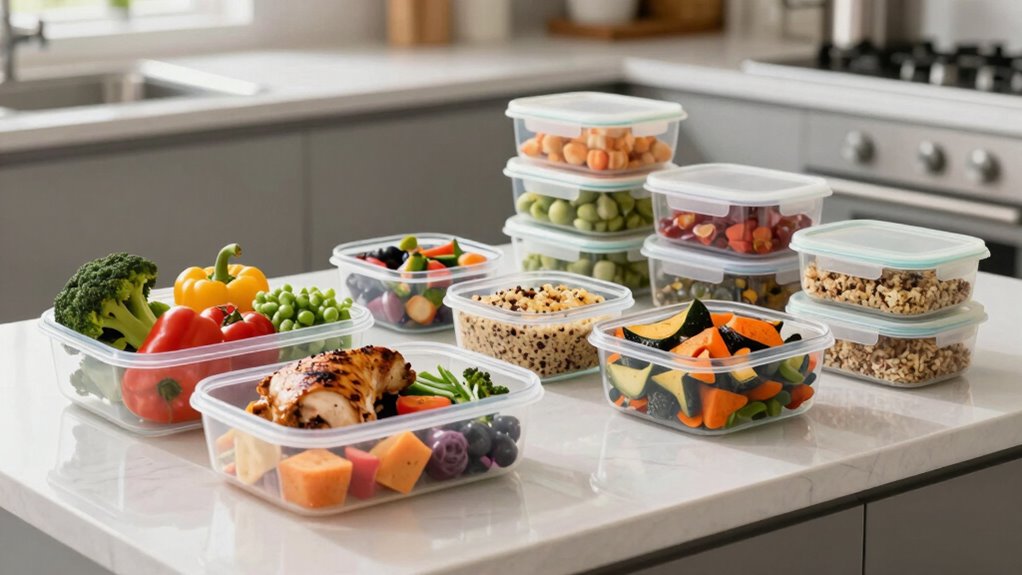
Deciding between meal prepping for two days or four days can considerably impact your weekly routine and time management. This choice influences how much time you spend in the kitchen, the variety of meals you enjoy, and how smoothly your week flows. When you opt for a two-day prep, you’re likely to prioritize fresh ingredients and greater meal variety, since you’re cooking more frequently. You might find that preparing smaller batches allows you to incorporate more fresh vegetables, fruits, and different proteins, keeping your meals interesting and less monotonous. However, this approach can also mean more time spent cooking and cleaning during the week, which could cut into other activities or relaxation.
On the other hand, a four-day prep emphasizes prep efficiency. When you cook for more days at once, you maximize your time by reducing the number of cooking sessions needed each week. This can free up hours, making it easier to stick to a routine if your schedule is busy. With larger batch cooking, you tend to prepare more of the same meals, which simplifies your shopping list and minimizes cooking time. Yet, this method might limit meal variety, leading to some repetitiveness. If you’re someone who values variety in meals to stay motivated, a four-day prep might feel too restrictive, making you crave different flavors and textures throughout the week.
Your decision should also consider how well you handle leftovers and meal freshness. If you prefer eating food at its peak freshness, a shorter prep cycle might suit you better. Conversely, if you’re comfortable with reheating and don’t mind some meal repetition, longer prep periods can be a real time-saver. Additionally, understanding meal prep strategies can help you optimize your approach based on your specific needs and preferences. Think about your weekly schedule—if you have unpredictable days or busy mornings, fewer cooking days can help you stay on track without feeling overwhelmed. Incorporating meal storage techniques can also extend the freshness of your prepared meals, making longer prep periods more feasible.
Furthermore, considering food safety is essential when planning for extended periods between meals, especially if you are preparing in bulk for multiple days. If you enjoy cooking as a hobby or want to experiment with a variety of recipes, shorter prep cycles give you more opportunities to try new dishes. Ultimately, your choice hinges on balancing meal variety with prep efficiency. You can experiment with both methods and see which aligns best with your lifestyle. Some people even combine approaches—doing a small two-day prep for fresh meals and a larger batch for convenience. The key is to tailor your meal prep strategy to what makes your week smoother, more enjoyable, and sustainable in the long run.
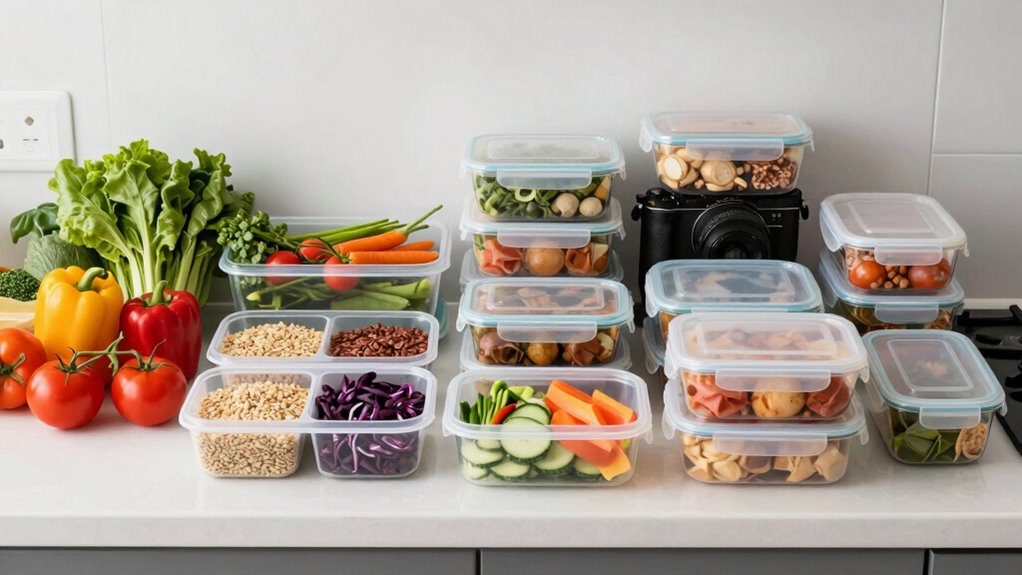
meal prep containers for freshness
As an affiliate, we earn on qualifying purchases.
As an affiliate, we earn on qualifying purchases.
Frequently Asked Questions
How Do Meal Prep Choices Affect Long-Term Health Goals?
Your meal prep choices directly impact your long-term health goals by helping you maintain portion control and optimize nutrient timing. Preparing meals in advance allows you to regulate serving sizes, preventing overeating. Additionally, it guarantees you consume nutrients at the right times to support energy levels and recovery. Consistent meal planning encourages healthier habits, making it easier to stay on track with your goals and sustain long-term well-being.
What Are the Environmental Impacts of Different Meal Prep Schedules?
If you think meal prep schedules don’t impact the environment, think again. Choosing a longer schedule means fewer trips to the store, reducing your carbon footprint. Opt for sustainable packaging to cut waste, but remember, more frequent prep could mean more packaging and energy use. You hold the power—by planning smarter, you lessen environmental impacts, proving that even meal prep is a tiny but mighty battle in saving the planet.
How Do Personal Cooking Skills Influence Prep Frequency Decisions?
Your cooking confidence and ingredient versatility greatly influence how often you should prep meals. If you’re confident in your skills, you can handle more complex recipes, making longer intervals like four-day prep feasible. With versatile ingredients, you can adapt meals easily, reducing the need for frequent prepping. Conversely, if you’re still building confidence, shorter intervals like two-day prep help ensure freshness and minimize cooking stress, making meal prep more manageable.
Can Meal Prep Timing Impact Food Safety and Freshness?
Meal prep timing can greatly influence food safety and freshness. If you store cooked meals too long, food spoilage becomes a risk. Using proper storage techniques, like airtight containers and refrigeration at the right temperatures, helps maintain freshness. Generally, prepping for two days is safer, but if you plan for four, make sure you cool foods quickly and consume them within safe timeframes. Proper storage techniques are key to preventing spoilage.
How Do Family or Household Dynamics Influence Meal Prep Planning?
Your family routines and household size shape your meal prep plans in surprising ways. Larger households mean you need more food, so prepping for several days is practical. Conversely, smaller families might prefer shorter prep cycles to keep everything fresh and minimize waste. Unexpected schedule shifts or differing preferences add complexity, forcing you to modify your plan constantly. Mastering these dynamics ensures your meals stay timely, nutritious, and perfectly suited to your household’s unique rhythm.
large batch food storage containers
As an affiliate, we earn on qualifying purchases.
As an affiliate, we earn on qualifying purchases.
Conclusion
Ultimately, whether you choose two days or four for meal prep, the key is consistency. Did you know that prep sessions lasting just 2-3 hours can save you over 10 hours a week? That’s more time for yourself or to enjoy with loved ones. So, pick the schedule that fits your lifestyle, and remember, the real win is making meal prep work for you—saving time and reducing stress every day.
As an affiliate, we earn on qualifying purchases.
As an affiliate, we earn on qualifying purchases.
Flea & tick season Picks
flea and tick prevention
As an affiliate, we earn on qualifying purchases.