
If your air fryer suddenly makes new or louder noises, it could be due to loose parts, debris, or mechanical issues like worn bearings or motor problems. Normal sounds include steady hums or gentle buzzing, but if you hear rattling, banging, or squealing, it’s a sign something’s off. Catching these changes early can prevent damage. Keep an eye on these sounds, and you’ll find out what they really mean.
Key Takeaways
- Sudden noise changes may indicate loose parts, debris, or components needing tightening or cleaning.
- Rattling or banging often signals loose screws, foreign objects, or internal damage.
- Sizzling or buzzing sounds could suggest moisture contact, food drippings, or electrical issues.
- Mechanical grinding or whining may point to motor wear, bearing problems, or mechanical failure.
- Persistent or worsening noises require inspection or professional repair to prevent further damage.
Why Does My Air Fryer Make Noise?
If your air fryer is making noise, it’s often due to normal operation, but understanding the cause can help you determine if it’s something to worry about. Common noise sources include the motor, fan, or heating element, which work together to cook your food efficiently. During sound diagnosis, listen carefully to identify if the noise is a steady hum, a rattling, or a clicking sound. Rattling might indicate loose parts or debris, while a loud buzzing could signal a mechanical issue. Normal operation usually produces consistent sounds, but sudden or loud noises can point to problems needing attention. Recognizing these noise sources helps you distinguish between routine sounds and potential issues, so you can address them promptly and keep your air fryer functioning smoothly. Additionally, understanding the component wear can also aid in early detection of mechanical failures before they become more serious. Regularly inspecting the device’s performance metrics can help you better assess its overall longevity and efficiency. Being aware of potential mechanical failures can help prevent more costly repairs down the line.
What Normal Air Fryer Sounds Like
You’ll notice your air fryer makes familiar sounds during operation, like gentle hums or occasional clicks. These typical noises follow a consistent pattern and usually happen at specific times, such as when it’s heating or circulating air. Sometimes, you’ll experience silence, which is normal when the appliance pauses or is turned off. Understanding normal sounds can help you distinguish between usual operation and potential issues. Recognizing these standard operational noises ensures you can identify when your device is functioning correctly or if it needs attention. Additionally, some noise variations may indicate a need for maintenance or troubleshooting.
Typical Operating Noises
When your air fryer is operating normally, it produces a variety of consistent sounds that signal it’s working as intended. These sounds include gentle humming, the quiet whir of the fan, and occasional clicking noises. You might also notice the slight crackling sound of hot air circulating, which is normal during cooking. These noises are part of regular kitchen appliance maintenance and don’t indicate a problem. If you hear these typical operating sounds, it’s a good sign your air fryer is functioning properly. Just remember, regular air fryer cleaning helps keep these sounds steady and prevents unusual noises caused by grime buildup or loose parts. Listening for these normal sounds gives you peace of mind during your cooking sessions. Understanding appliance sounds can help you better recognize the difference between normal operation and potential issues.
Normal Sound Patterns
Ever wonder what your air fryer should sound like during normal operation? Typically, you’ll hear a steady hum or gentle buzzing as it runs efficiently. During cooking, the fan’s noise is consistent, and the heating element might produce soft clicking sounds when cycling on and off. These sounds often vary depending on the recipe tips you follow, like using different accessories or cooking times. Regular cleaning routines help maintain these normal sounds, preventing buildup that could cause unusual noises. You might also notice occasional rattling or minor vibrations, which are normal if the air fryer is on a stable surface. Understanding these patterns can help you identify when sounds are part of normal operation versus signs of a problem. Routine maintenance is essential for keeping your air fryer operating smoothly and quietly. Additionally, being aware of proper ventilation can prevent overheating and reduce abnormal noises during use. Ensuring securely attached parts can also minimize unexpected noises and ensure safe operation.
When to Expect Silence
While your air fryer is in standby mode or not actively cooking, it’s normal to hear little to no sound at all. During silent periods, your appliance is performing noise-free operation, which is expected when it’s not heating or circulating air. You might notice the device remains completely silent for stretches of time, especially between cooking cycles or when idle. This silent phase indicates the air fryer isn’t working, and it’s functioning properly. Knowing what normal silence looks like helps you distinguish it from unusual sounds. Expect silence when the device is cooling down or if the timer has paused. These quiet moments are part of the regular operation cycle, confirming your air fryer is safe and functioning correctly. Understanding normal operation can help you better interpret the appliance’s sounds and identify potential issues early. Additionally, awareness of home appliance noise levels can guide you in recognizing when sounds deviate from the norm. Recognizing typical sound patterns can help you detect if something is amiss with your device.
Unusual Noises in Your Air Fryer and What They Mean

If your air fryer starts making rattling, sizzling, or grinding noises, it could signal an issue. Rattling or banging might mean loose parts, while sizzling sounds often indicate moisture or food contact. Grinding or whining noises could point to motor problems or a need for maintenance. To prevent further damage, it’s important to properly maintain your appliance and ensure all components are securely in place. Regularly inspecting electrical components can also help identify potential issues early and extend the lifespan of your device. Additionally, unusual sounds can sometimes result from seasonal variations affecting the appliance’s operation, similar to how room‑size wattage guides help optimize heating performance in different spaces. Being aware of air purifier maintenance dos and don’ts can also help you keep your appliance running smoothly and avoid noise issues caused by dust buildup or filter neglect.
Rattling or Banging Sounds
Rattling or banging sounds from your air fryer often indicate loose components or objects caught inside. These noises happen when parts aren’t secured properly or foreign objects are lodged within the unit. To fix this, check for loose screws or panels and tighten them as needed. Also, inspect the basket and interior for any foreign objects like small utensils or debris that may have fallen in. If you hear banging during operation, it’s likely that something is shifting or hitting the sides. Make sure all parts are securely assembled before using your air fryer again. Addressing loose components and removing foreign objects can prevent further damage and ensure quiet, efficient operation. Additionally, understanding the Gold IRA Markets can help you make informed investment choices if you’re considering long-term financial planning.
Sizzling or Buzzing Noises
Sizzling or buzzing noises from your air fryer often indicate that something unusual is happening inside the unit. These sounds are common during normal operation, but if they become loud or irregular, it could signal a problem. Sizzling noises may occur when grease or food drippings cause small splatters, which is usually harmless but can affect air fryer operation if not cleaned properly. Buzzing sounds might result from loose components or vibrating parts. To reduce these noises, try noise reduction techniques like tightening loose screws, ensuring the basket is correctly positioned, and cleaning any buildup. If the sounds persist or worsen, it’s best to inspect your air fryer thoroughly to prevent potential damage and maintain efficient operation.
Grinding or Whining Sounds
Grinding or whining sounds from your air fryer can indicate that a component is struggling or worn out. You might notice a loud blade noise or a persistent motor hum, signaling something’s off. These sounds often mean the blade is hitting debris or the motor bearings are wearing down. Ignoring these noises can lead to further damage or failure.
Consider these possibilities:
- The blade is misaligned or jammed with food particles.
- The motor bearings are degrading, causing a high-pitched motor hum.
- The fan or other moving parts need lubrication.
- The fan blade is hitting the casing due to improper assembly.
Addressing these issues promptly can prevent costly repairs and keep your air fryer running smoothly.
How to Troubleshoot Sudden Noises in Your Air Fryer

Sudden noises from your air fryer can be concerning, but many issues are easy to diagnose and fix. Start by identifying potential noise sources, such as loose parts, debris, or misaligned components. Check the basket and heating element for any obstructions or debris that could cause rattling or banging. Verify all screws and panels are securely fastened, as loose parts can generate unusual sounds. If you hear squealing or high-pitched noises, inspect the fan and motor for obstructions or wear. Follow troubleshooting steps methodically: turn off and unplug the air fryer, then examine and clean key parts. Address any loose or damaged components before testing the appliance again. Proper troubleshooting helps you quickly pinpoint the problem and restore quiet operation.
When to Be Concerned and Seek Repairs
While some noises from your air fryer are normal during operation, it’s important to recognize when sounds indicate a problem that needs professional attention. Unusual or loud noises can compromise air fryer safety and may signal a mechanical issue. If you notice grinding, squealing, or banging sounds that persist, it’s time to seek repairs.
Consider these warning signs:
- Persistent, loud rattling or banging during cooking
- A grinding or screeching noise that worsens over time
- Unusual vibrations or excessive movement
- Any sounds accompanied by burning or electrical burning smells
Ignoring these signs can risk further damage or safety hazards. Proper noise troubleshooting and prompt repair ensure your air fryer operates safely and efficiently. When in doubt, consult a professional to avoid potential safety concerns.
Tips to Keep Your Air Fryer Quiet and Well-Maintained
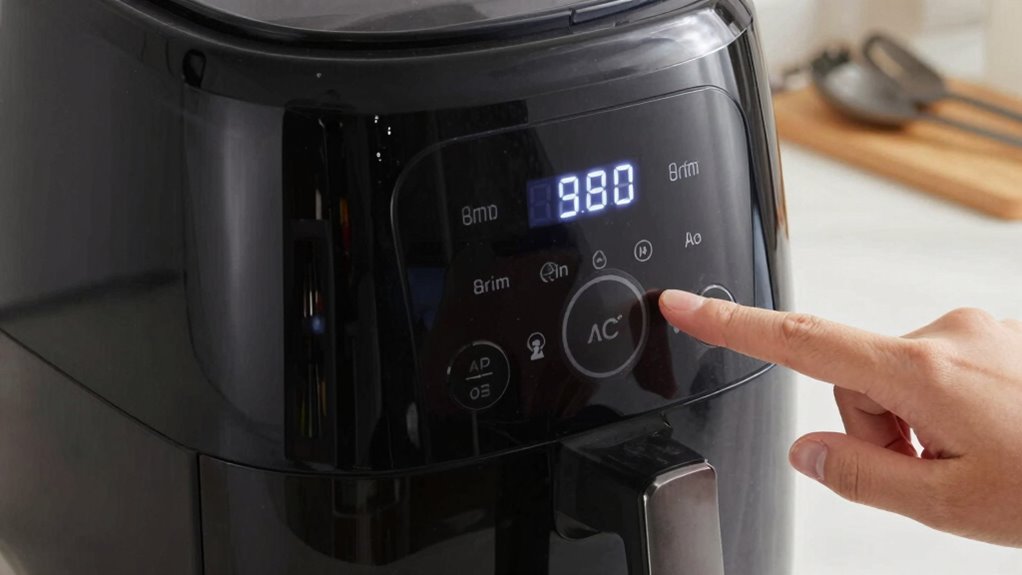
To keep your air fryer running quietly and efficiently, regular maintenance is essential. Start with cleaning tips like removing crumbs, grease, and food debris after each use to prevent buildup that can cause noise. Check the fan and heating element for dust or obstructions, and wipe down the exterior to avoid rattles. Consider upgrading parts, such as replacing worn-out baskets or seals, to improve performance and reduce noise. Using quieter air fryer models or adding sound-dampening accessories can also help. Avoid overloading the basket, as this strains the motor and increases noise. Regularly inspecting and maintaining your air fryer ensures it operates smoothly, prolongs its lifespan, and keeps noise levels low. Consistent care makes your cooking experience more enjoyable and less disruptive.
Frequently Asked Questions
Can a Noisy Air Fryer Affect Cooking Performance?
A noisy air fryer can impact cooking performance if the noise indicates a mechanical issue or obstruction. While some noise is normal, excessive or unusual sounds might reduce efficiency or cause uneven cooking. To address this, you should try noise reduction through user troubleshooting, like checking for loose parts or debris. If the noise persists, it’s best to consult the manufacturer or a technician to prevent further damage and guarantee ideal performance.
Are Certain Sounds Normal for Specific Air Fryer Models?
Your air fryer is your kitchen superhero, but certain sounds are normal for specific models. Some models produce clicking, buzzing, or whirring noises during operation, which are usually harmless. Always check manufacturer warnings to verify these sounds aren’t unusual. If you hear irregular or loud noises, it might be a sign of trouble. Knowing your model’s typical sounds helps you spot issues before they become major problems, keeping your air fryer running smoothly.
How Often Should I Clean My Air Fryer to Prevent Noise?
You should clean your air fryer at least once every few weeks to prevent noise issues. Regular maintenance tips include removing and washing the basket and tray, checking for stuck debris, and wiping down the interior. Proper cleaning helps prevent noise troubleshooting problems like rattling or buzzing sounds caused by food particles or grease buildup. Staying consistent with cleaning keeps your air fryer operating smoothly and quietly, reducing sudden noise changes.
Does Loud Noise Indicate a Need for Replacement Parts?
Loud noise in your air fryer often indicates a need for replacement parts or a noise diagnosis. You should inspect the fan, motor, and heating element for wear or damage. If parts are loose or broken, replacing them can resolve the issue. Ignoring loud sounds might worsen internal damage, so address the problem promptly. Regular maintenance helps prevent the need for costly replacements and keeps your air fryer running smoothly.
Can Using Different Accessories Change the Noise Level?
Using different accessories can change your air fryer’s noise level, especially if they aren’t fully compatible. Improper accessory compatibility may cause vibrations or rattling sounds, increasing noise. To minimize this, verify your accessories fit properly and follow noise reduction techniques, like placing a silicone mat underneath or avoiding overcrowding. These steps help maintain quieter operation and prevent potential damage or unusual sounds during use.
Conclusion
Now that you know what those sudden noises mean, you can listen to your air fryer’s symphony or warning signals. Think of it as your kitchen’s heartbeat—sometimes lively, sometimes a call for help. By tuning in and caring for your appliance, you’ll keep it humming smoothly, like a well-oiled orchestra. With a little attention, your air fryer will continue to serve up crispy delights without missing a beat.