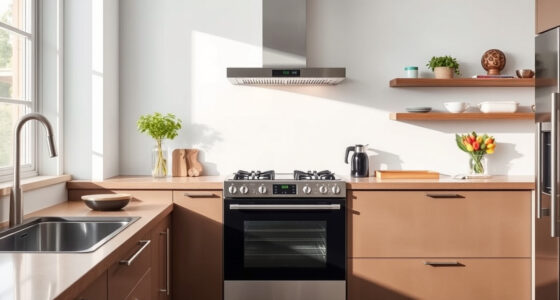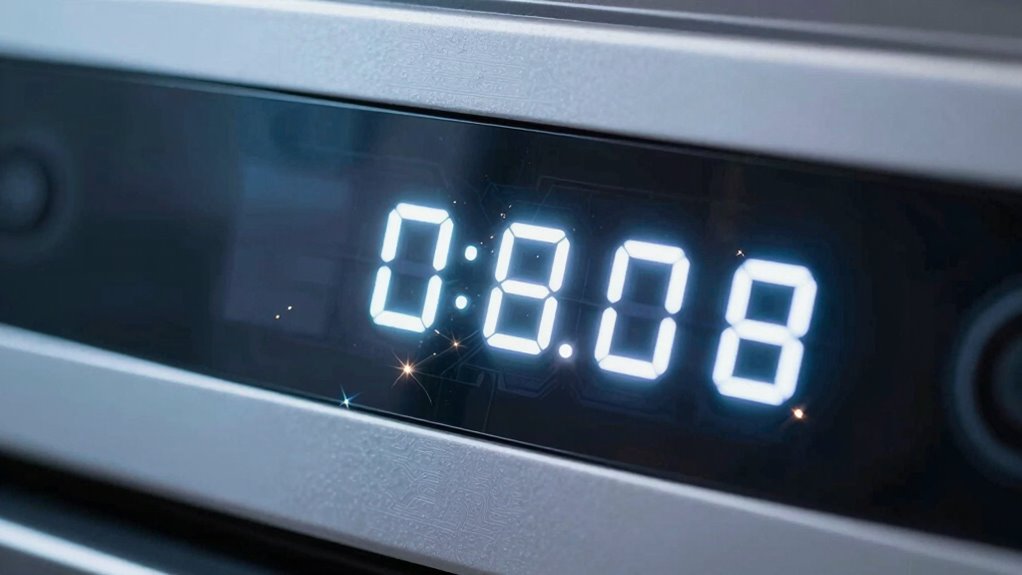

If your appliance display flickers, it often signals electrical issues like unstable power supply, faulty wiring, or aging internal components. Loose cords, overloaded outlets, or power fluctuations can disrupt the display. Internal parts such as capacitors or circuit boards might be weakening over time, causing irregular operation. Environmental factors like dust or moisture also play a role. Understanding these causes can help pinpoint the problem; keep exploring to learn how you can fix it and prevent future issues.
Open a free Amazon Business account
Business pricing, bulk buying and tax-exempt orders.
As an affiliate, we earn on qualifying purchases.
Key Takeaways
- Power supply fluctuations or unstable voltage can cause display flickering or resets.
- Faulty or damaged internal electronic components, like capacitors, may lead to flickering issues.
- Outdated or damaged wiring increases electrical fluctuations, affecting display stability.
- Environmental factors such as dust, moisture, or extreme temperatures can interfere with internal electronics.
- Regular maintenance and timely repairs prevent internal component failure and ensure consistent display performance.
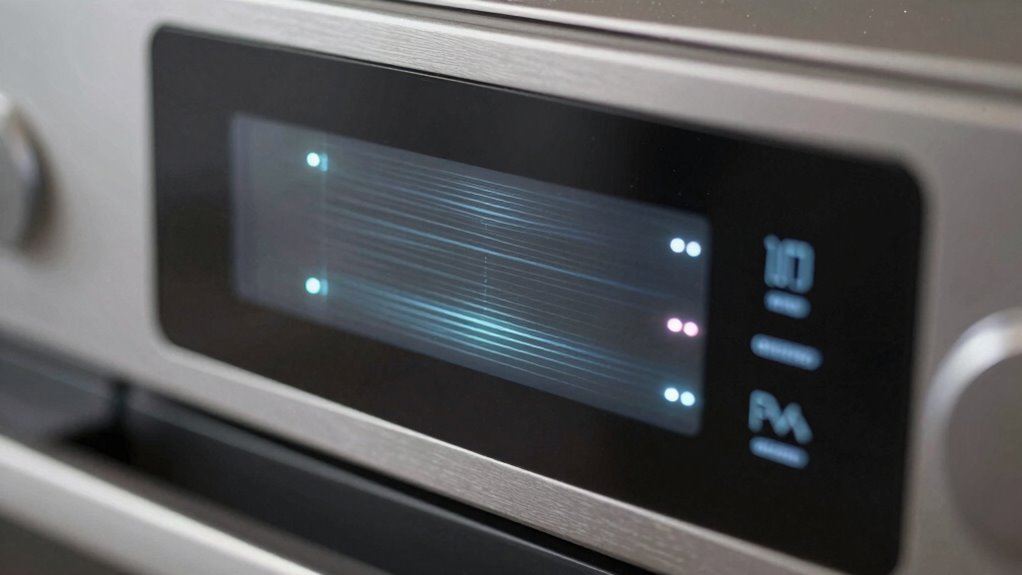
If your appliance display starts flickering unexpectedly, it can be frustrating and confusing. You might wonder whether it’s a minor glitch or something more serious. Flickering displays often indicate underlying problems, and understanding the common causes can help you determine whether you need professional repair or simple troubleshooting. One of the primary reasons for flickering is power supply issues. When your appliance isn’t receiving a stable voltage, the display can flicker or reset unexpectedly. This instability may be caused by loose power cords, faulty outlets, or inconsistent electrical current from your home’s wiring. If your appliance shares an outlet with other devices, those devices could be drawing power simultaneously, leading to voltage fluctuations that result in flickering. Ensuring your appliance is plugged directly into a dedicated, stable power source can sometimes eliminate flickering caused by power supply inconsistencies. Additionally, fluctuating electrical current can be a sign of broader electrical issues within your home that might require professional attention. Sometimes, electrical wiring problems such as outdated or damaged wiring can contribute to these fluctuations, increasing the risk of appliance malfunction. Problems with home electrical systems can also be complex and dangerous, making professional diagnosis advisable. Addressing electrical system issues early can prevent further damage to your appliances. Another common cause is electronic component failure. Over time, internal parts like capacitors, resistors, or circuit boards can weaken or become damaged. Capacitors, in particular, play a *vital* role in smoothing out electrical signals, and if they fail, the display might flicker or behave erratically. This type of failure often happens gradually, so you might notice the flickering worsening over time or accompanied by other issues like unresponsive controls or error messages. When electronic components fail, it affects the internal stability of the device’s circuitry, causing the display to flicker. Sometimes, a simple reset or power cycle can temporarily fix the problem, but persistent flickering typically indicates a need for professional inspection and repair. It’s also important to consider internal electronic components and whether they are prone to wear over time, which can be mitigated by regular maintenance. Regularly inspecting and replacing aging parts can help prevent unexpected malfunctions. Additionally, keeping internal components free of dust and moisture can help prevent premature failure and ensure consistent operation. Environmental factors such as moisture, extreme temperatures, or dust can also interfere with internal electronic connections, leading to inconsistent signals and flickering. Regular cleaning and ensuring your appliance is used in a suitable environment can reduce these risks. However, if the flickering persists despite these measures, it’s often a sign of a *fundamental* internal issue that requires attention.
As an affiliate, we earn on qualifying purchases.
Frequently Asked Questions
Can Flickering Displays Damage My Appliance?
Flickering displays typically won’t damage your appliance, but they can indicate underlying issues like power fluctuations or display calibration problems. Power fluctuations might stress electronic components over time, potentially causing long-term damage. To prevent this, make sure your power supply is stable and consider recalibrating the display if it appears inconsistent. Addressing the root cause helps protect your appliance and keeps its display functioning properly.
Is Flickering a Sign of Imminent Appliance Failure?
Flickering displays can definitely signal imminent appliance failure. When you see this, it’s often due to power fluctuation or display calibration issues. Power fluctuations can overload circuits, causing screens to flicker wildly—like a strobe light at a rock concert. If ignored, it could lead to complete device failure. You should check your power supply and recalibrate the display immediately to prevent a potential disaster.
How Often Should I Service a Flickering Appliance Display?
You should service a flickering appliance display as soon as you notice the issue, ideally every 1-2 years, to prevent further problems. During service, professionals often check display calibration and examine power supply issues, which are common causes. Regular maintenance guarantees the display functions correctly and helps catch potential problems early. If flickering persists despite calibration and power checks, seek immediate professional assistance to avoid appliance failure.
Do Different Brands Have Unique Flickering Issues?
Imagine each brand as a different tune in a symphony; some notes strike a discordant chord. Yes, different brands have unique flickering issues due to manufacturer variations. These issues often stem from design differences, component quality, or circuit layouts. While some brands might experience more frequent flickering, others remain steady. Understanding these brand-specific issues helps you identify whether flickering signals a minor glitch or a serious problem needing repair.
Can I Fix Flickering Displays Myself?
Yes, you can often fix flickering displays yourself with some DIY troubleshooting. Start by unplugging the appliance and checking for loose connections or damaged wires. You might also try display calibration, adjusting settings to stabilize the screen. If the flickering persists, replacing the power supply or updating firmware can help. Always consult your appliance’s manual and exercise caution to avoid electric shocks or further damage.
capacitor replacement kit for appliances
As an affiliate, we earn on qualifying purchases.
As an affiliate, we earn on qualifying purchases.
Conclusion
So, next time your appliance display flickers, just remember—it’s not a sign of imminent doom, but maybe it’s just trying to keep you on your toes. After all, who needs a stable screen when life’s already full of surprises? Embrace the flicker; it’s just your appliance’s way of saying, “Hey, I’m still alive… barely.” Because in the grand scheme, a flashing display is just a tiny reminder that nothing’s perfect—except maybe your patience.
appliance circuit board repair kit
As an affiliate, we earn on qualifying purchases.
As an affiliate, we earn on qualifying purchases.
electrical outlet tester for appliances
As an affiliate, we earn on qualifying purchases.
As an affiliate, we earn on qualifying purchases.
Flea & tick season Picks
flea and tick prevention
As an affiliate, we earn on qualifying purchases.