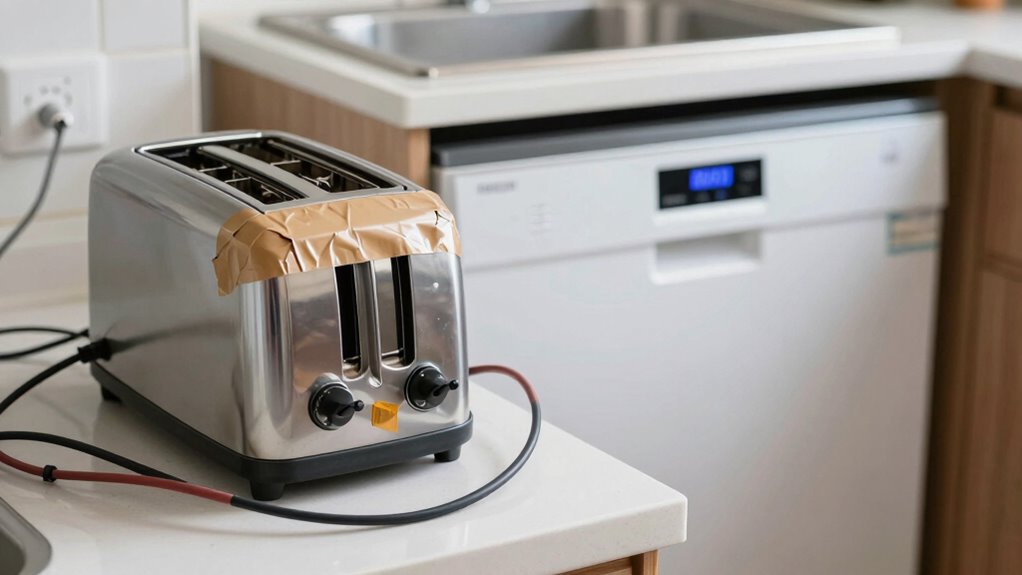

A quick fix may temporarily solve an issue, but it often hides underlying appliance problems that need proper diagnosis and repair. You might see a quick patch work for a leak or a strange noise, but these could be signs of deeper malfunctions, like faulty components or safety hazards. Ignoring these could lead to bigger damage or safety risks later. Keep exploring to understand how recognizing true problems saves you time, money, and ensures safety.
Open a free Amazon Business account
Business pricing, bulk buying and tax-exempt orders.
As an affiliate, we earn on qualifying purchases.
Key Takeaways
- Quick fixes only address surface issues, while real problems involve internal components or systems requiring proper diagnosis.
- Temporary solutions may hide hazards or cause further damage, unlike proper repairs that ensure safety and long-term reliability.
- Identifying signs of internal failure (e.g., leaks, overheating) indicates a genuine problem needing professional attention.
- Proper diagnosis reveals root causes, preventing recurring issues and avoiding costly repeat repairs.
- Prioritizing safety over convenience ensures that repairs restore full appliance functionality safely and effectively.
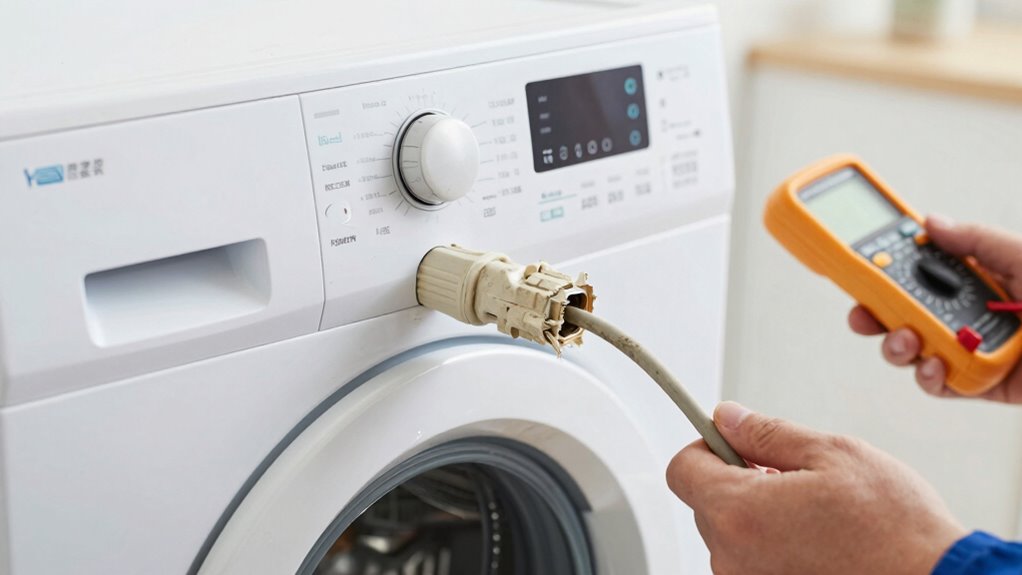
When your appliance suddenly stops working, it’s tempting to reach for a quick fix, but not every problem is that simple. Sometimes, a simple reset or cleaning can temporarily get your appliance back in action, but it might hide underlying issues that need proper attention. Recognizing the difference between a quick fix and a real appliance problem is crucial for maintaining appliance safety and ensuring you don’t end up spending more in the long run. Quick fixes might seem like a cost-effective solution initially, but they can sometimes lead to safety hazards if overlooked. For example, a frayed power cord or overheating components can pose serious electrical risks if not properly addressed. It’s better to pause and assess whether the issue requires a professional inspection rather than risking damage or injury from a hasty repair.
Quick fixes may hide serious issues—always assess if professional repair is necessary to ensure safety and long-term reliability.
A true appliance problem often involves internal components that wear out or malfunction over time. These issues usually require a thorough diagnosis and, sometimes, replacement parts. While it might seem more cost-effective to keep patching up an appliance yourself, neglecting proper repairs can cause further damage and higher expenses down the line. Professional repairs ensure that your appliance operates safely and efficiently, preventing potential hazards like electrical fires or leaks. When you opt for a genuine repair, you’re investing in appliance safety, which should always be a priority. Additionally, understanding appliance diagnostics can help you determine when a problem is beyond simple troubleshooting and warrants professional attention. Being aware of internal component failure can help you recognize when an appliance issue is more serious than it appears on the surface. Moreover, knowing how to perform regular preventive maintenance can extend the lifespan of your appliances and reduce unexpected repairs. Recognizing the signs of malfunctioning parts early can help you avoid costly replacements later.
Understanding when to call in a technician can save you money and prevent dangerous situations. For example, if your washing machine leaks or your refrigerator isn’t cooling properly, a quick fix might temporarily stop the problem, but it’s unlikely to solve the root cause. A professional will diagnose whether the issue stems from a faulty compressor, a broken timer, or a clogged drain—problems that can’t be fixed with just a quick adjustment. Although professional repairs might seem costly upfront, they’re often more cost-effective in the long run, especially when you consider the potential damage or safety risks of ignoring the root cause. Additionally, familiarizing yourself with common appliance issues can help you identify when a repair is necessary before the problem worsens.
Ultimately, your goal should be to prioritize appliance safety over immediate convenience. Quick fixes can sometimes be helpful, but they shouldn’t replace proper diagnosis and repair. Recognizing the difference between a minor glitch and a serious malfunction can save you money and keep your home safe. When in doubt, it’s wise to consult a professional who can identify the true problem and deliver cost-effective repairs that restore your appliance’s full functionality without compromising safety.
As an affiliate, we earn on qualifying purchases.
Frequently Asked Questions
How Can I Tell if My Appliance Needs Professional Repair?
You can tell if your appliance needs professional repair by noticing persistent issues despite DIY troubleshooting. If your appliance’s performance declines sharply, or if it’s nearing the end of its typical lifespan, it’s time to call in an expert. Don’t ignore strange noises or leaks. Addressing problems early helps extend the appliance’s lifespan, but complex or recurring issues often require professional diagnosis and repair to prevent further damage.
What Are Common Signs of a Serious Appliance Issue?
Like a warning bell ringing in the distance, signs of a serious appliance issue include strange noises, persistent leaks, or sudden power loss. These problems can shorten your appliance’s lifespan and reduce energy efficiency, signaling you need professional help. If your appliance’s performance declines despite troubleshooting, don’t ignore it. Addressing these signs early prevents costly repairs and keeps your appliance running smoothly for years to come.
When Should I Replace an Appliance Instead of Repairing It?
You should replace an appliance when it’s near the end of its typical lifespan or if repairs become costly and frequent. If repairs exceed about 50% of the appliance’s value or don’t address underlying issues, substituting is more cost-effective. Consider replacing if the appliance no longer performs efficiently, consumes excessive energy, or if newer models offer significant benefits. Doing so saves money long-term and ensures reliable performance.
Are DIY Repairs Safe for All Appliance Types?
DIY repairs aren’t safe for all appliance types—they can turn a small problem into a disaster! You might think you’re boosting appliance longevity, but improper DIY safety measures can cause electric shocks, fires, or further damage. For complex appliances, it’s smarter to call in the pros. Save yourself the headache and potential hazard—know when to DIY and when to leave repairs to the experts to keep your home safe.
How Often Should I Schedule Professional Maintenance?
You should schedule professional maintenance for your kitchen appliance at least once a year to guarantee peak performance and energy efficiency. Regular check-ups help identify potential issues early, prevent costly repairs, and keep your appliance running smoothly. If you notice signs of trouble, like strange noises or decreased efficiency, it’s wise to schedule maintenance sooner. Proper upkeep keeps your appliance energy-efficient and prolongs its lifespan, saving you money in the long run.
professional appliance repair parts
As an affiliate, we earn on qualifying purchases.
As an affiliate, we earn on qualifying purchases.
Conclusion
Think of your appliance like a ship on the ocean. A quick fix is like patching a small leak—temporary and often misleading. But a real problem is the storm that threatens to sink it if left unaddressed. By understanding the difference, you steer clear of false calm and navigate toward true solutions. Don’t just patch the surface—invest in fixing the root, so your ship stays afloat, sailing smoothly for miles to come.
leak detection kits for appliances
As an affiliate, we earn on qualifying purchases.
As an affiliate, we earn on qualifying purchases.
appliance safety inspection tools
As an affiliate, we earn on qualifying purchases.
As an affiliate, we earn on qualifying purchases.
Flea & tick season Picks
flea and tick prevention
As an affiliate, we earn on qualifying purchases.