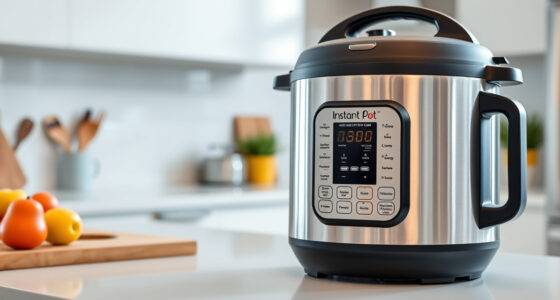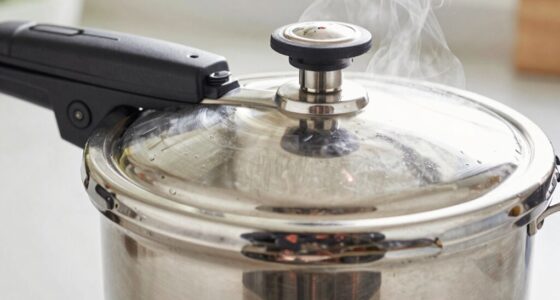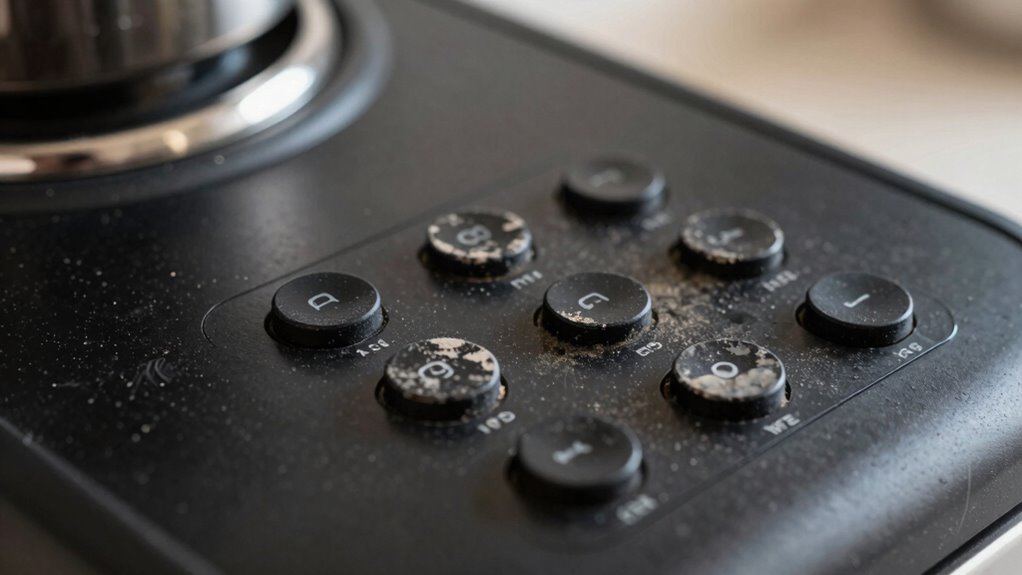

Buttons on your kitchen appliances may stop responding due to wear and tear, dust, or grease buildup preventing proper contact. Mechanical issues like jammed or broken buttons can also cause problems, while electrical faults such as damaged wiring or circuit issues disrupt function. Power surges may damage internal components, making buttons unresponsive. Regular cleaning and maintenance can help prevent these issues. To find out more about fixing or preventing button problems, keep exploring these tips.
Open a free Amazon Business account
Business pricing, bulk buying and tax-exempt orders.
As an affiliate, we earn on qualifying purchases.
Key Takeaways
- Wear and mechanical wear can cause buttons to jam or lose contact over time.
- Dust, grease, or food particles buildup can prevent proper button operation.
- Electrical issues like damaged wiring or circuit faults may lead to unresponsiveness.
- Power surges can damage internal components, affecting button functionality.
- Mechanical damage or dirt accumulation can hinder touch or physical button responsiveness.

Power button issues are another common reason your appliance’s buttons aren’t working. The power button is typically a physical switch, and over time, it can become worn out, jammed, or dirty. Dust, food particles, or grease can accumulate around the button, preventing it from making proper contact. When that happens, your appliance might not turn on at all, or it could turn off unexpectedly. In some cases, pressing the power button might not do anything, leaving you frustrated. To fix this, you can try cleaning around the button carefully with a soft cloth or compressed air to remove debris. If cleaning doesn’t help, the button might need to be replaced, which is often a straightforward repair if you’re comfortable with minor disassembly. Additionally, electrical faults such as damaged wiring or circuit issues can also cause unresponsiveness, so inspecting these components might be necessary. Both touchscreen malfunctions and power button issues can be caused by electrical or mechanical faults. Sometimes, a power surge or voltage fluctuation can damage internal components, leading to unresponsive buttons. Other times, aging parts simply wear out over time. To prevent these issues, regular maintenance and gentle handling go a long way. Keep your appliances clean and free of excess moisture, and avoid pressing buttons with excessive force. Proper circuit board inspection and maintenance can help identify potential problems early. Checking for signs of wear and corrosion can help prevent future failures. Using diagnostic tools can assist in identifying electrical issues more efficiently. If problems persist despite your efforts, consulting a professional technician is a wise choice. They can diagnose the root cause — whether it’s a faulty circuit board, a worn-out button, or a software glitch — and recommend the appropriate fix. Addressing these issues promptly ensures your kitchen appliances stay reliable, so you can focus on cooking without hassle.
kitchen appliance button replacement kit
As an affiliate, we earn on qualifying purchases.
As an affiliate, we earn on qualifying purchases.
Frequently Asked Questions
Can Button Responsiveness Be Restored Without Professional Repair?
Yes, you can restore button responsiveness through DIY troubleshooting and preventative maintenance. Start by unplugging the appliance and cleaning the control panel with a soft, damp cloth to remove dirt and grime. Check for loose or damaged connections, and if needed, gently reseat or replace buttons. Regularly perform preventative maintenance, like cleaning and inspecting parts, to keep buttons functioning smoothly and avoid future issues without needing professional repair.
Do Different Brands Have Unique Button Issues?
Around 60% of appliance users report brand-specific button issues, highlighting that different brands often have unique button problems. Some brands struggle with compatibility issues, where button design doesn’t suit all users or environments, leading to unresponsive buttons. You’ll find that brand compatibility and button design play vital roles in responsiveness. When choosing appliances, consider these factors to reduce the risk of unresponsive buttons and guarantee smoother operation.
How Long Do Appliance Buttons Typically Last?
Typically, appliance buttons last about 5 to 10 years, depending on usage and build quality. The button lifespan is affected by wear and tear, which can cause them to become unresponsive over time. Heavy or frequent use accelerates this process, while well-maintained buttons tend to last longer. Regular cleaning and gentle handling can help extend their functionality, but eventually, replacement may be necessary as wear and tear take their toll.
Are There Safety Risks When Buttons Stop Working?
Like a car without brakes, unresponsive buttons can pose safety risks. If your appliance buttons stop working, it’s essential to follow safety protocols and emergency procedures to prevent accidents. You might risk burns, electrical shocks, or fires if you can’t turn off the appliance quickly. Always unplug the appliance and seek professional repair. Staying cautious guarantees you avoid potential hazards and keeps your kitchen safe.
Can Environmental Factors Cause Button Failures?
Environmental factors like moisture damage and dust accumulation can definitely cause your kitchen appliance buttons to stop working. Moisture can seep inside, corroding internal components, while dust buildup can interfere with electrical contacts, leading to unresponsive buttons. To prevent this, keep appliances dry and clean regularly. Using covers or placing appliances in less dusty areas can also help maintain proper button function and extend their lifespan.
appliance control panel cleaning kit
As an affiliate, we earn on qualifying purchases.
As an affiliate, we earn on qualifying purchases.
Conclusion
So, next time your kitchen appliance buttons stop responding, remember it might just be a simple issue like dirt, grime, or a faulty sensor. Regular cleaning and gentle maintenance can often prevent these problems. Don’t immediately assume the worst—many issues are fixable with a little effort. Understanding how these buttons work and what causes them to fail helps you enjoy your appliances longer, making cooking more convenient and less frustrating.
touchscreen repair kit for kitchen appliances
As an affiliate, we earn on qualifying purchases.
As an affiliate, we earn on qualifying purchases.
electric appliance circuit board tester
As an affiliate, we earn on qualifying purchases.
As an affiliate, we earn on qualifying purchases.
Flea & tick season Picks
flea and tick prevention
As an affiliate, we earn on qualifying purchases.