
TL;DR

Get kitchen staples and gadgets delivered free with Prime
- Fast, free delivery on millions of items
- Prime Video, Amazon Music and more included
- Member-only deals all year
A Good Housekeeping report lists 10 fruits that provide some protein alongside fiber, vitamins and plant compounds. Dietitians quoted in the report stress that fruit can add to daily protein intake but should not be treated as a main protein source; the supplied source gives no protein figure for pomegranate.
A Good Housekeeping report recommends 10 fruits that contribute protein to everyday meals, while dietitians quoted in the article caution that fruit is not a replacement for more concentrated protein sources such as meat, eggs, beans or tofu. The list also highlights nutrients including fiber, vitamins and plant compounds, but the protein amounts vary and the supplied material does not give a figure for every fruit.
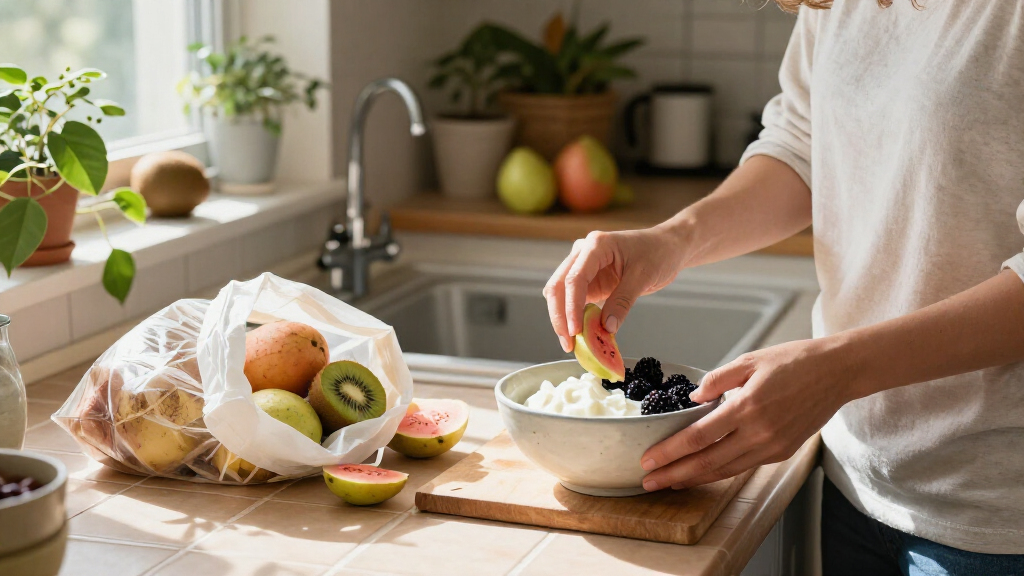
The report gives serving-based protein estimates for eight entries or groupings. One cup of passion fruit has about 5 grams of protein, while a cup of guava has more than 4 grams. A cup of cubed avocado and a cup of jackfruit each provide about 3 grams; kiwi has roughly 2 grams per cup. Blackberries provide 2 grams per cup, and raspberries come in just below that. Cherries have just under 2 grams per cup, while chopped or sliced tomatoes provide roughly 2 grams per cup.
The article also names pomegranate, but the source material provided for this article ends before giving its protein amount or detailed nutrition information. It would be misleading to supply a number without that information. Serving sizes and preparation matter, and the figures reported are not a direct comparison of protein in equal weights of each fruit.
Dietitian Michelle Routhenstein told Good Housekeeping that fruit can contribute to total protein intake, while offering antioxidants and flavanols. Brittany Werner, a registered dietitian and coaching director at Working Against Gravity, also describes ways to use the fruit: guava in salsa, berries in chia jam, and jackfruit as a meat-textured ingredient. These are meal ideas, not evidence that the fruits provide protein amounts equivalent to conventional protein foods.
Adding Fruit Without Replacing Protein
The list may help shoppers find additional ways to include fruit and modest amounts of protein in meals and snacks. But its main practical distinction is between contributing protein and serving as a primary protein source: the amounts cited are generally a few grams per cup, and the dietitian quoted by the report explicitly cautions against relying on fruit alone to meet protein needs.
Fruit can also bring nutrients beyond protein. The report points to fiber in berries, avocado and jackfruit, and vitamin C in passion fruit. It also discusses antioxidants such as anthocyanins in berries and cherries, and carotenoids in guava. Those details can help readers choose fruit for varied reasons, but the article does not establish that eating any specific fruit prevents or treats a health condition.
For shoppers, the suggestions are flexible: eat fruit on its own, add it to yogurt or oatmeal, or use it in savory dishes. Pairing fruit with foods richer in protein can make a snack or meal more substantial while keeping the role of each ingredient clear.
fresh passion fruit guava and kiwi fruit
As an affiliate, we earn on qualifying purchases.
As an affiliate, we earn on qualifying purchases.
What the Nutrition Figures Show
The source frames fruit as part of a broader diet, not a stand-alone protein plan. It contrasts fruit’s modest protein contribution with meat, eggs, beans and tofu, and notes that fruit also supplies fiber, vitamins and minerals. Its figures are expressed per cup, but the excerpt does not provide a standardized nutrient table or explain whether every measurement refers to the same preparation state.
Some of the report’s food suggestions illustrate how fruit can fit into familiar meals. Routhenstein suggests passion fruit pulp in yogurt or oatmeal and mashed avocado in place of mayonnaise in tuna salad. Werner suggests diced guava in salsa. The report also describes using berries in chia jam and jackfruit in dishes that call for shredded meat. These examples are serving ideas; they do not mean the fruit itself matches the protein content of the foods it accompanies or replaces.
“You’re not going to be using fruit as your main protein source, but it will contribute to your overall protein intake.”
— Michelle Routhenstein, MS, RD, preventive cardiology dietitian, quoted by Good Housekeeping
freeze dried berries cherries and guava no added sugar
As an affiliate, we earn on qualifying purchases.
As an affiliate, we earn on qualifying purchases.
Missing Details in the Fruit List
The supplied source excerpt names pomegranate as the tenth fruit but provides no protein amount or accompanying details for it. It also does not identify the full measurement method behind each per-cup estimate, so readers should not treat the figures as exact comparisons across different fruits or preparations. The excerpt does not provide a complete nutrition table, recommended daily protein targets, or individual guidance for people with specific dietary needs.
The report discusses possible health benefits associated with nutrients in fruit, including fiber and antioxidants. Those descriptions should not be read as proof that eating a particular fruit will prevent or treat heart disease, inflammation, high blood pressure, cholesterol concerns or sleep problems. The supplied material does not report a new clinical study or other evidence establishing such effects.
chia seeds for homemade berry chia jam
As an affiliate, we earn on qualifying purchases.
As an affiliate, we earn on qualifying purchases.
Using the List at the Store
Shoppers can use the figures as a guide to fruits that add some protein, then include other protein-rich foods when planning meals. Choose fruit according to availability and preference, and check product labels for packaged or prepared items, since portions and added ingredients can differ. For tailored protein guidance, people with medical conditions or specific nutrition needs can consult a registered dietitian or clinician.
The source material does not identify a follow-up study, policy change or next publication milestone. Further details would be needed to fill in the pomegranate figure and clarify how the report’s serving estimates were compiled.
high protein Greek yogurt for fruit bowls
As an affiliate, we earn on qualifying purchases.
As an affiliate, we earn on qualifying purchases.
Key Questions
Which fruit in the report has the most protein?
Passion fruit is listed at about 5 grams of protein per cup. Guava follows at more than 4 grams per cup, according to the Good Housekeeping report.
Can fruit be my main source of protein?
The dietitian quoted in the report says fruit can contribute to total protein intake but should not be used as a main protein source. The article compares fruit with more concentrated sources such as meat, eggs, beans and tofu.
How much protein does pomegranate provide?
The supplied source excerpt names pomegranate but does not include its protein amount. A figure cannot be confirmed from the material provided.
How can I add these fruits to meals?
The report suggests adding passion fruit to yogurt or oatmeal, using guava in salsa, putting berries in chia jam, and using jackfruit in dishes with a shredded-meat texture. These are serving ideas; they do not make fruit nutritionally equivalent to the foods it accompanies or replaces.
Source: rss
NFL season / tailgating Picks
team gear
As an affiliate, we earn on qualifying purchases.