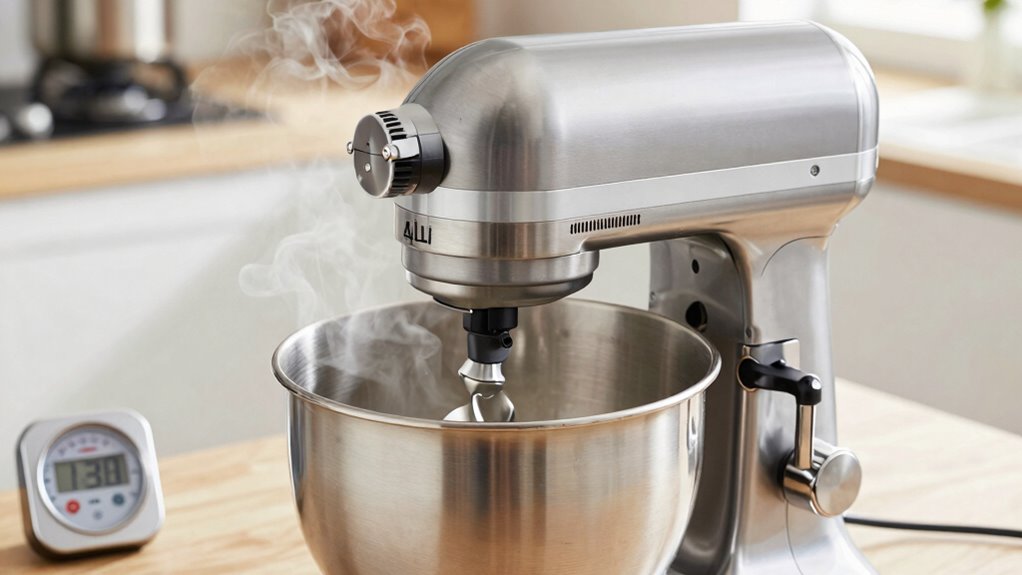

To prevent your stand mixer from overheating during long mixes, use lower speeds and avoid running it at maximum for extended periods. Take regular breaks to let the motor cool down, and prepare ingredients in batches to reduce strain. Keep vents clean and place the mixer in a cool, well-ventilated area. Using external fans or cooling pads can help too. If you’re interested in more tips, you’ll find practical ways to keep your mixer running smoothly.
Key Takeaways
- Use lower or moderate speeds and avoid maximum settings during extended mixing sessions.
- Incorporate short breaks to allow the motor to cool down periodically.
- Keep the mixer in a well-ventilated, cool environment to facilitate heat dissipation.
- Regularly clean vents and remove obstructions to ensure proper airflow.
- Opt for a high-capacity, durable mixer with heat-resistant components suitable for long use.

Motor Cooling Fan Replacement for KitchenAid — Replacement Motor Fan for Stand Mixer (Compatible with 6qt KP26M1XLC), Easy Install Cooling Impeller
- Direct Replacement: Snug fit for stand mixers
- Restores Cooling: Maintains proper motor temperature
- Precision Fit: Wobble-free performance on motor shaft
As an affiliate, we earn on qualifying purchases.
As an affiliate, we earn on qualifying purchases.
Why Does My Stand Mixer Overheat During Long Bakes?
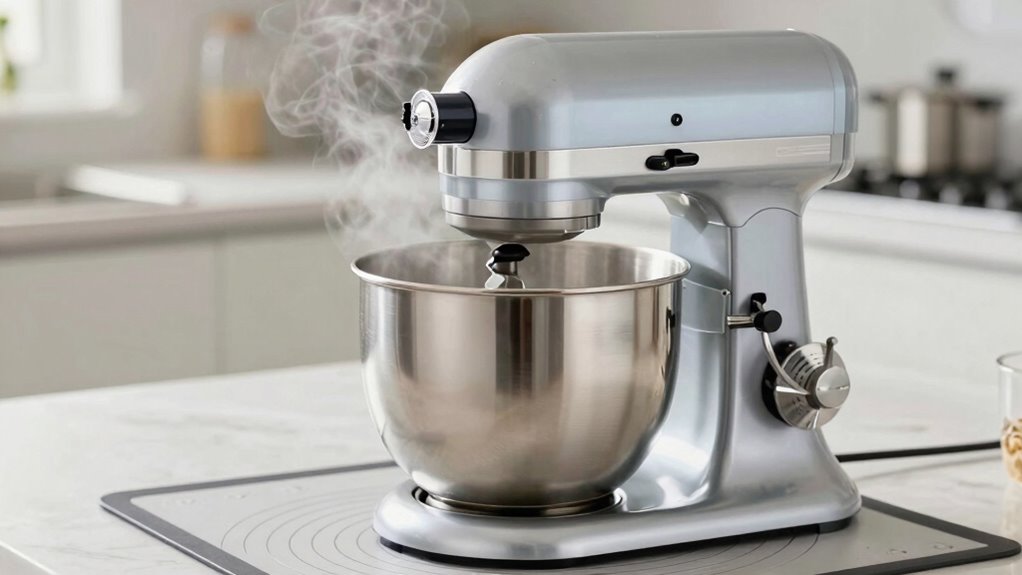
When you run your stand mixer for extended periods, it can overheat because the motor works continuously without enough breaks to cool down. The mixing speed you choose directly impacts the motor temperature; higher speeds generate more heat. If you keep the mixer on a fast setting for too long, the motor’s temperature rises quickly, risking overheating. This happens because the motor’s internal components struggle to dissipate heat efficiently during prolonged use. Overheating not only slows down your baking process but can also cause damage to the motor. To prevent this, it’s essential to monitor the mixing speed and give your mixer occasional breaks, allowing the motor to cool down and operate smoothly without risking overheating. Additionally, understanding the thermal management of your appliance can help you optimize operation and extend its lifespan. Incorporating proper heat dissipation techniques can further aid in maintaining the motor’s temperature within safe limits during long mixing sessions. Regularly cleaning the ventilation vents can also improve airflow and reduce heat buildup, ensuring your mixer stays cool during prolonged use. Being aware of your mixer’s thermal capacity can guide you in setting appropriate mixing durations and speeds to avoid overheating. Moreover, using accessories like cooling fans or placing the mixer in a well-ventilated area can help enhance heat dissipation during intensive tasks.

4pcs Flexible Cleaning Brush Set for Dryer Vents, Fridge Coils, HVAC Systems & Tight Spaces – Multi-Use Lint and Dust Remover with Crevice Brush and Detailing Tools
- Flexible Stainless-Steel Shafts: Bends into hard-to-reach areas
- Detachable Mini Tweezer: Removes stubborn lint and hair
- Versatile Cleaning Set: Suitable for home and vehicle use
As an affiliate, we earn on qualifying purchases.
As an affiliate, we earn on qualifying purchases.
How to Use Mixing Speeds Properly to Prevent Overheating
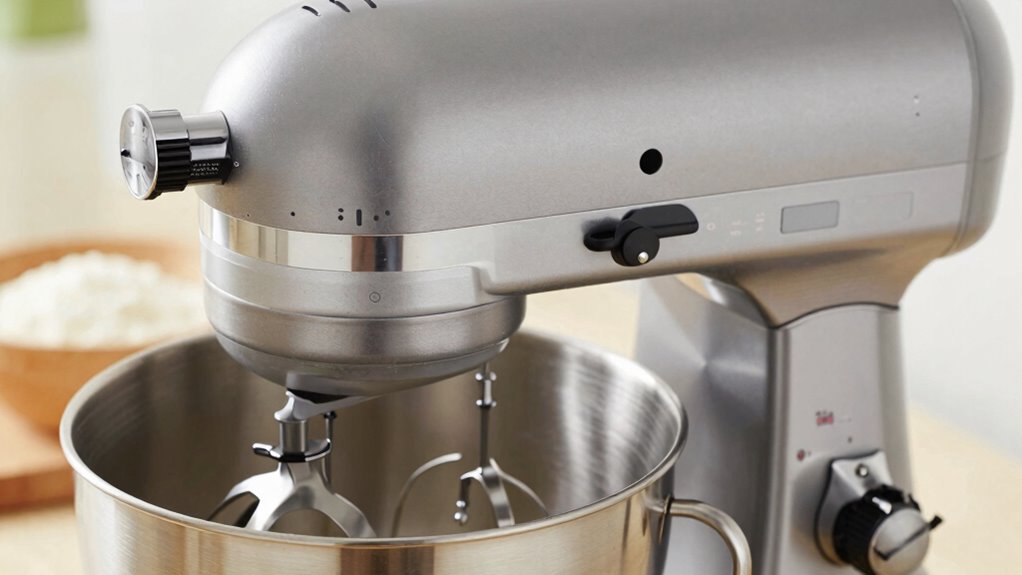
Using mixing speeds wisely is key to preventing your stand mixer from overheating. Always start at the lowest speed to gently combine ingredients and gradually increase as needed. High mixing speeds generate more motor heat, which can lead to overheating if sustained for long periods. When mixing thick or heavy doughs, avoid running the mixer at full speed unless necessary. Instead, use moderate speeds to reduce stress on the motor. If you notice the mixer slowing down or making unusual noises, lower the speed immediately. Managing your mixing speeds effectively helps keep motor heat in check and prolongs your mixer’s lifespan. Additionally, proper maintenance such as cleaning and inspecting vents can help prevent overheating issues. Remember, patience and gradual speed adjustments are essential to prevent overheating during lengthy mixing tasks. Proper speed management is essential for maintaining your appliance’s longevity and performance.
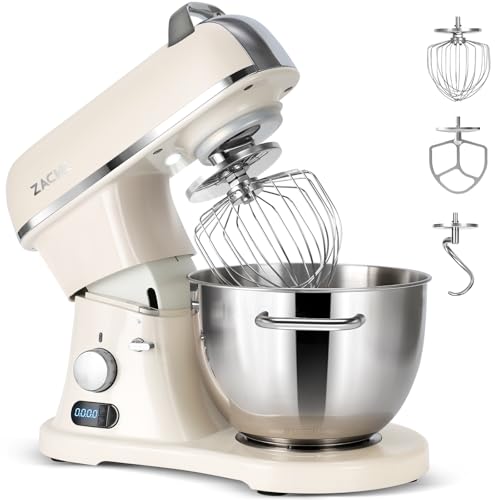
8.4QT Commercial Stand Mixer 800W with Aluminum Die Casting Meets the Standard of NSF/ANSI 8-2023, Mixers Kitchen Electric Stand Mixer with Stainless Steel 8L Bowl, Dough Hook, Whisk and Beater
- High Capacity: Handles up to 3 kg dough
- Powerful Motor: 800W DC motor for efficient mixing
- Multiple Speed Settings: 11 adjustable speed levels
As an affiliate, we earn on qualifying purchases.
As an affiliate, we earn on qualifying purchases.
Shorten Mixing Sessions With Breaks and Batch Preparation
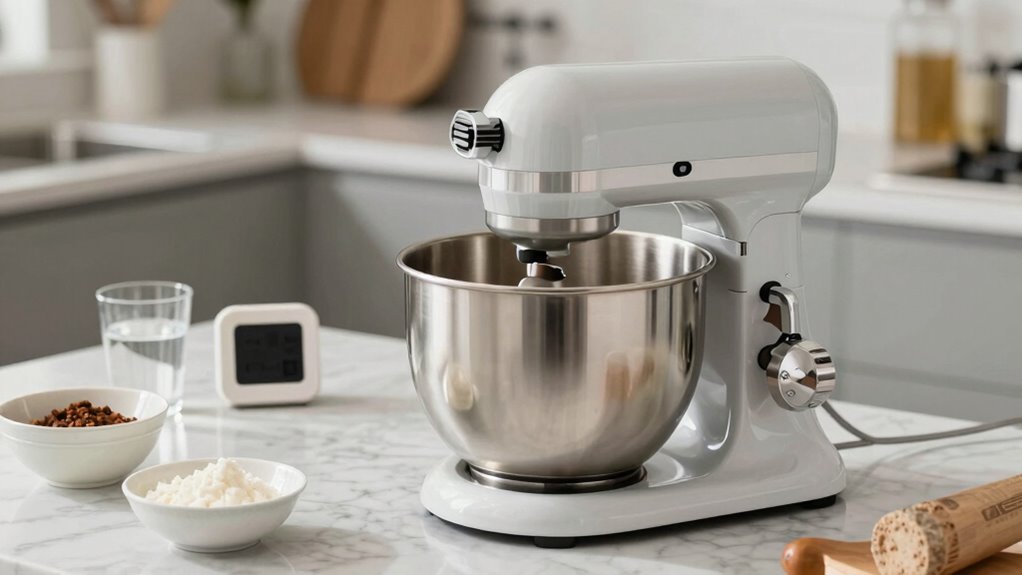
Taking regular breaks during mixing sessions can substantially reduce the risk of overheating your stand mixer. Instead of running continuous long mixes, break your tasks into smaller batches and prepare ingredients beforehand. Batch preparation helps streamline the process, so you don’t need to keep the mixer running longer than necessary. During mixing breaks, turn off your appliance and give it a few minutes to cool down, especially after intense or extended use. Implementing proper maintenance and breaks into your routine can help keep your stand mixer running smoothly. Additionally, understanding the herbal properties of your ingredients can guide you in choosing suitable preparation methods to avoid unnecessary strain during mixing. Recognizing motor strain and adjusting your techniques accordingly can also prolong your mixer’s lifespan. Incorporating routine inspections can further identify potential issues before they lead to overheating. Regularly cleaning and lubricating moving parts can also help prevent excess mechanical stress, ensuring optimal performance during long mixing sessions.

Wathai Cooling Case Fan for Receiver Xbox TV Box Router 120mm x 25mm 5V USB
- Effective Electronics Cooling: Cools various electronic devices and components
- Versatile Mini Box Fan: Suitable for routers, consoles, and PCs
- Easy USB Installation: Quick setup with simple USB connection
As an affiliate, we earn on qualifying purchases.
As an affiliate, we earn on qualifying purchases.
Maintain Your Mixer Regularly to Keep It Cool and Efficient
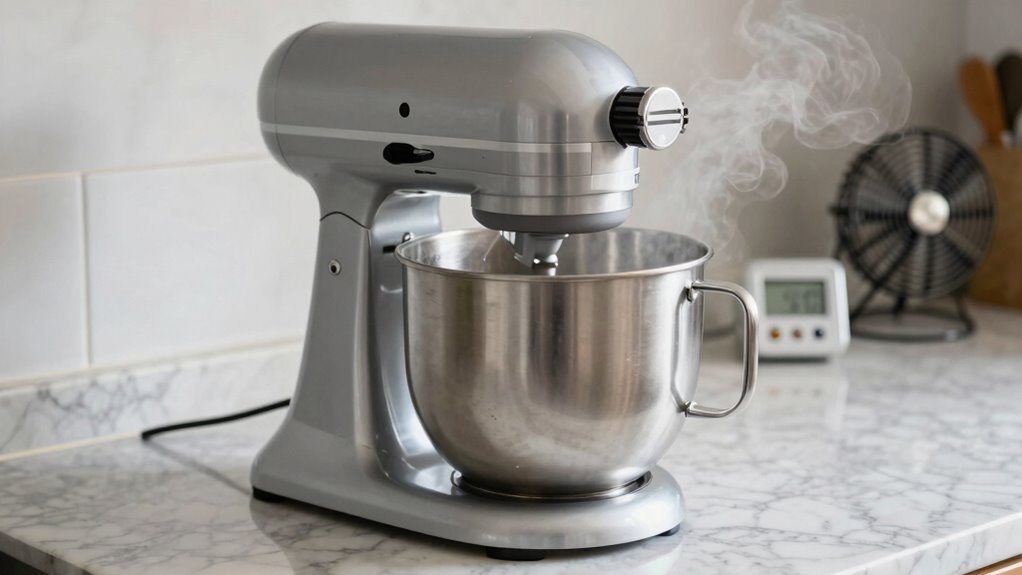
Regularly maintaining your stand mixer is essential for keeping it cool and running efficiently. Start by inspecting the beater attachment and mixing bowl for any residue or buildup, as debris can cause the motor to work harder and overheat. Clean these parts thoroughly after each use to prevent clogs and ensure smooth operation. Check the beater attachment for signs of wear or damage, replacing it if necessary. Lubricate moving parts as recommended by the manufacturer to keep everything operating smoothly. Additionally, periodically examine the ventilation vents and motor housing for dust or dirt, wiping them clean to promote proper airflow. Understanding airflow and ventilation can help you optimize your cleaning routine and maintain your mixer’s cooling efficiency. Proper tool maintenance not only extends the lifespan of your mixer but also enhances its overall performance during long mixing sessions. Regularly inspecting and cleaning the ventilation system ensures optimal airflow, preventing overheating during extended use.
External Cooling Tips to Keep Your Mixer From Overheating
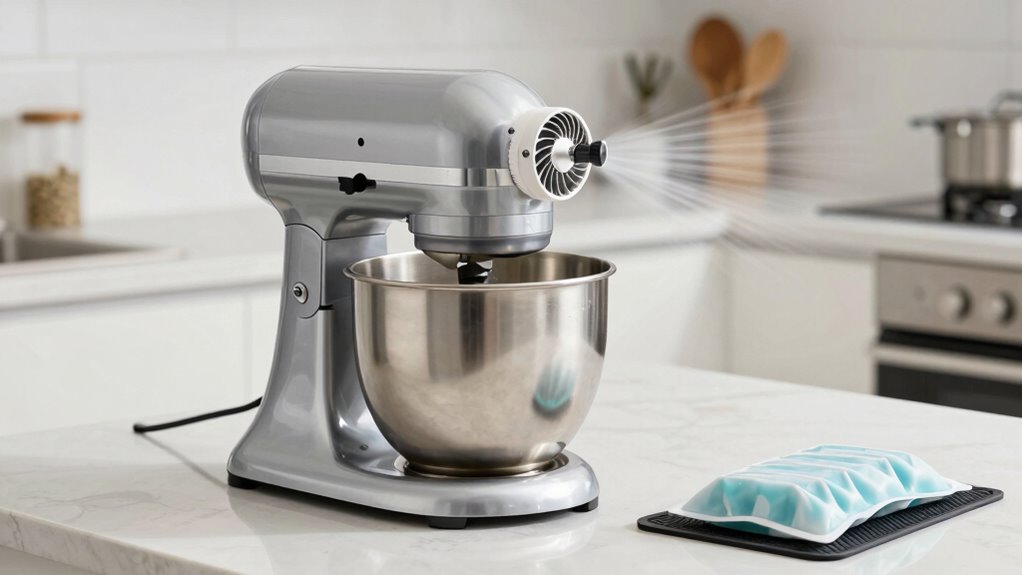
To prevent your stand mixer from overheating during extended use, external cooling methods can be highly effective. Enhancing airflow around your mixer helps dissipate heat quickly. Using external fans directed at the motor housing increases airflow, reducing temperature buildup. Position your mixer in a well-ventilated area and consider placing a small fan nearby to boost cooling. Avoid obstructing air vents, ensuring unobstructed airflow. Proper ventilation practices are essential for maintaining optimal mixer performance during long mixing sessions. Additionally, choosing a location with good airflow facilitates more efficient heat dissipation. Incorporating proper placement techniques can significantly improve cooling efficiency. Ensuring your workspace has adequate climate control can also prevent overheating issues. Here’s a quick overview:
| Tip | Benefit |
|---|---|
| Use external fans | Enhance airflow, cool motor efficiently |
| Keep in ventilated space | Prevent heat accumulation |
| Regularly clean vents | Maintain ideal airflow |
| Place on a cool surface | Reduce heat transfer from surroundings |
| Avoid clutter around mixer | Ensure unobstructed airflow and cooling |
Implementing these external cooling tips helps keep your mixer running smoothly during long mixing sessions. Incorporating smart home fitness technology concepts, such as monitoring temperature with connected devices, can further optimize your equipment’s performance.
How to Recognize Overheating Signs and Protect Your Appliance
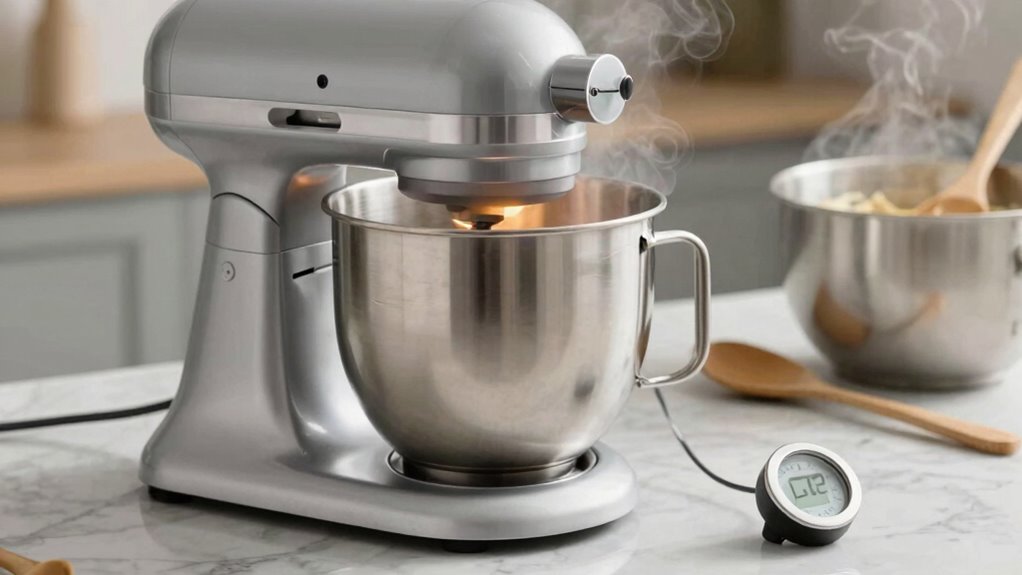
You need to watch for signs that your mixer is overheating, like unusual noises or a burning smell. Regular maintenance, such as cleaning vents and checking cords, helps prevent issues before they start. Recognizing these symptoms early can save your appliance from damage and keep it running smoothly. Additionally, understanding appliance overheating risks can help you take proactive steps to protect your mixer during long use. Being aware of ventilation needs ensures proper airflow, which is crucial for preventing overheating. Ensuring adequate cooling methods can further extend your mixer’s lifespan and performance.
Identifying Overheating Symptoms
Overheating in a stand mixer often shows up through noticeable signs that you shouldn’t ignore. If the motor feels unusually hot to the touch or emits a burning smell, it’s a clear warning. Pay attention to unusual noises, such as grinding or squealing, which indicate strain. Your mixing technique can also contribute—pushing the machine too hard or using high speeds constantly increases heat. Additionally, ingredient compatibility matters; thick or sticky ingredients can overload your mixer quickly. If you notice the motor slowing down or the sound changing during operation, stop immediately. Recognizing these symptoms early helps prevent damage. Regularly monitor your mixer, and adjust your mixing approach accordingly to keep it running smoothly without overheating.
Preventive Maintenance Techniques
Regularly inspecting your stand mixer for early signs of overheating can save you from costly repairs and downtime. As part of preventive maintenance, pay attention to how your mixer handles different baking techniques and ingredient considerations. For example, overloading with thick dough or incorporating ingredients that require high mixing speeds can strain the motor. Make certain you’re using the correct speed settings and avoiding prolonged mixing times. Regularly clean air vents and check for dust buildup, which can cause overheating. Using ingredients at room temperature rather than cold can reduce motor stress. Also, consider giving your mixer periodic breaks during long tasks. These simple maintenance habits help keep your appliance cool, extend its lifespan, and ensure consistent performance during long mixes.
Choosing a Heavy-Duty Mixer for Extended Baking Sessions
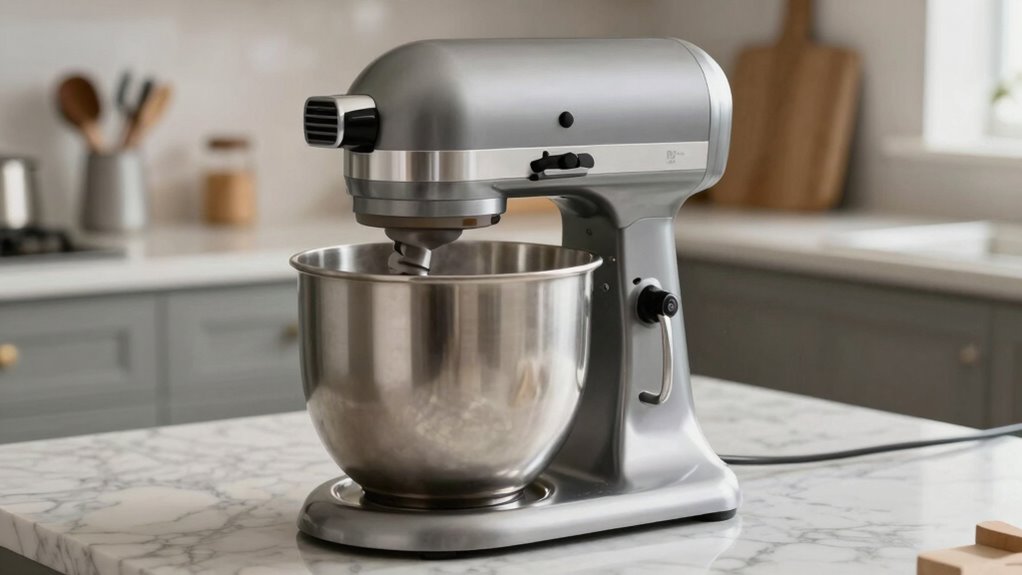
When choosing a heavy-duty mixer for prolonged baking sessions, focus on motor power and capacity to handle tough tasks without overheating. Look for durable build materials that withstand extended use and provide reliable performance. Also, check the warranty and support options to guarantee you get assistance if your mixer needs repairs or replacements.
Motor Power and Capacity
Choosing a heavy-duty mixer with the right motor power and capacity is essential for extended baking sessions. Your motor capacity determines how much dough or batter the mixer can handle without straining, reducing the risk of overheating. Look for models with high power ratings, typically between 500 to 1000 watts, for continuous use. Higher power ratings ensure the motor can sustain long mixing times without overheating or losing performance. A mixer with sufficient motor capacity provides the necessary torque to knead thick doughs and mix large batches efficiently. Avoid underpowered models, as they often overwork the motor, leading to overheating and potential damage. Selecting a mixer with appropriate motor power and capacity helps maintain consistent performance and prolongs the lifespan of your appliance.
Durable Build Materials
A mixer built with resilient materials can withstand the demands of extended baking sessions and help prevent overheating. Look for models made with sturdy, high-quality materials like metal or reinforced plastics, which are less likely to warp or break under prolonged use. Durable build materials ensure structural integrity, supporting the weight of heavy ingredients and continuous operation. Heat resistant components, such as metal gears and motor housings, help dissipate heat more effectively, reducing the risk of overheating during long mixes. Investing in a mixer with these features means you’ll experience fewer breakdowns and longer-lasting performance. Prioritizing durable build materials not only enhances the mixer’s longevity but also promotes safer, more reliable operation during extended baking sessions.
Warranty and Support
Have you considered how warranty and support can protect your investment in a heavy-duty mixer? Good warranty coverage guarantees you’re covered if the mixer encounters issues during extended baking sessions. Support options, like customer service and technical assistance, help you troubleshoot and resolve problems quickly, minimizing downtime. When choosing a mixer, look for extensive warranty plans and accessible support channels. Here’s a quick comparison:
| Brand | Warranty Coverage | Support Options |
|---|---|---|
| Model A | 3 years parts and labor | Phone, email, live chat |
| Model B | 5 years limited warranty | In-store, online support |
| Model C | 2 years warranty + extended plan | 24/7 helpline |
| Model D | Limited coverage, optional add-on | On-site repairs |
| Model E | Lifetime support for parts | Remote troubleshooting |
Choosing the right support options and warranty coverage ensures your mixer performs reliably during long mixes.
Quick Tips to Cool Down Your Mixer During Long Mixes
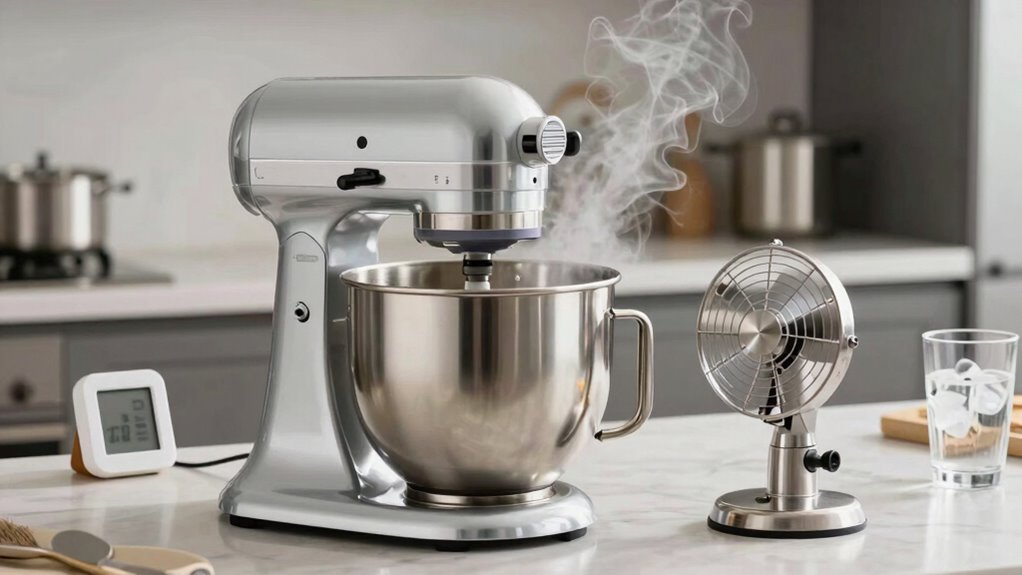
When your mixer starts to run longer than usual, it’s important to take quick action to prevent overheating. One effective tip is to use cooling accessories, such as fans or cooling pads, to help dissipate heat. Additionally, lowering the ambient temperature around your mixer can make a big difference; try to keep it in a cool, well-ventilated area. Taking short breaks during extended mixing sessions allows the motor to cool down naturally. You can also pause occasionally to give your mixer a rest, especially if it feels warm to the touch. Monitoring the temperature and adjusting your environment accordingly helps prevent overheating and extends your mixer’s lifespan, ensuring it continues to perform well during long mixes.
Frequently Asked Questions
Can Overloading the Mixer Cause Overheating?
Yes, overloading your mixer can cause overheating. When you put too much weight or thick ingredients into the bowl, it puts motor strain on the machine. This extra effort can lead to component wear over time and increase the risk of overheating. To prevent this, avoid overloading your mixer and mix in smaller batches if needed. This helps keep the motor running smoothly and extends its lifespan.
Are There Specific Ingredients That Increase Overheating Risk?
Like a tempest in a teapot, certain ingredients can stir the pot of overheating risk. You should be cautious with thick batters, like bread dough or heavy cookie mixes, which create intense ingredient interactions. Complex recipes with multiple ingredients can also strain your mixer, causing it to heat up faster. To keep your mixer cool, simplify recipes when possible, and add ingredients gradually to prevent unnecessary overheating.
How Does Ambient Temperature Affect Mixer Cooling?
Ambient heat greatly impacts your mixer’s cooling efficiency. When the surrounding temperature is high, your mixer struggles to dissipate heat effectively, increasing overheating risks during long use. To prevent this, keep your workspace cool and well-ventilated, avoiding direct sunlight or hot environments. Lowering ambient heat helps your mixer maintain ideal cooling, ensuring it runs smoothly and safely during extended mixing sessions.
Is It Safe to Use a Fan to Cool the Mixer During Operation?
Using a fan to cool your stand mixer during operation can be effective, but safety considerations are vital. You should ensure the fan is positioned safely, away from moving parts, and that it doesn’t cause any electrical hazards or interfere with the mixer’s operation. Keep the fan at a safe distance, avoid direct airflow into the motor vents, and always follow the manufacturer’s safety guidelines to prevent damage or accidents.
What Are the Long-Term Effects of Frequent Overheating?
Frequent overheating can shorten your mixer’s lifespan and increase repair costs over time. When a stand mixer overheats often, it wears out internal components faster, leading to more frequent breakdowns. You might find yourself paying for repairs or even needing a replacement sooner than expected. To avoid this, give your mixer regular breaks, keep it well-ventilated, and don’t push it beyond its limits, ensuring it stays reliable for years.
Conclusion
To keep your stand mixer running smoothly, think of it as a marathon runner needing proper pacing and care. By understanding overheat signs, using the right speeds, and giving your mixer occasional breaks, you’ll prevent burnout and extend its lifespan. A well-maintained mixer is like a trusted partner in your kitchen, ready to help you conquer long baking sessions without breaking a sweat. Keep it cool, and your baked goods will thank you for it!