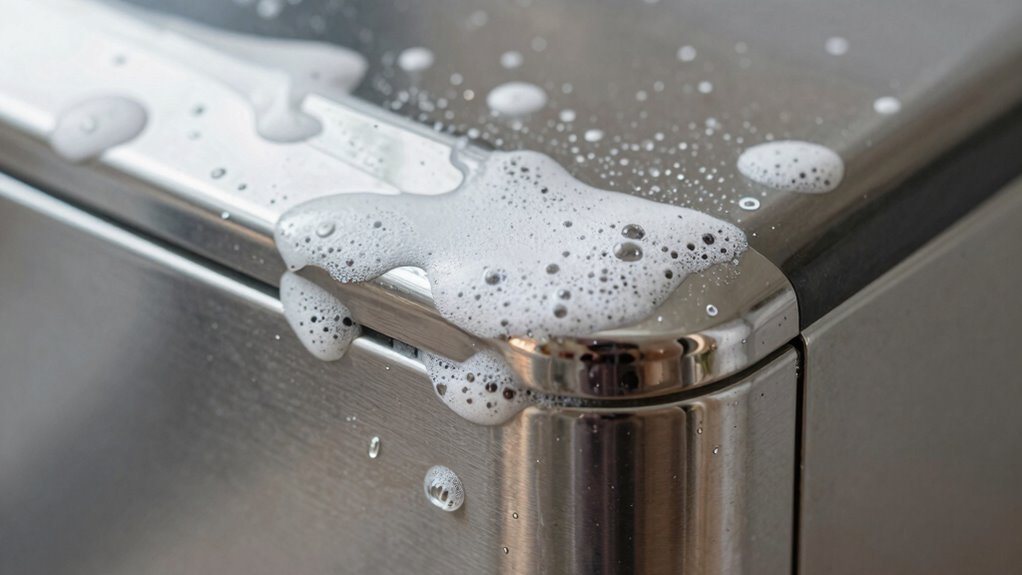

Soap taste can linger on appliance parts because residual detergents stay behind, especially on porous materials like plastics and rubber, which absorb these chemicals. To stop this, rinse thoroughly with water, soak parts in vinegar or baking soda, and dry completely to remove trapped residues. Using milder, food-safe cleaning agents also helps prevent buildup. If you want to discover more tips to eliminate lingering soap taste, keep exploring the best cleaning methods for your appliance.

Get kitchen staples and gadgets delivered free with Prime
- Fast, free delivery on millions of items
- Prime Video, Amazon Music and more included
- Member-only deals all year
Key Takeaways
- Porous materials like plastic and rubber can absorb soap residues, causing lingering taste.
- Inadequate rinsing leaves behind residuals that leach out during appliance use.
- Using excessive or harsh detergents increases soap residue buildup on surfaces.
- Proper soaking with vinegar or baking soda helps break down embedded soap residues.
- Thorough drying prevents moisture from trapping residual soap and reduces taste persistence.

If you’ve ever noticed a soapy taste lingering on your appliance parts after cleaning, you’re not alone. It’s a common issue that can leave you puzzled and frustrated. The primary reason behind this phenomenon is the presence of cleaning chemical residuals. When you clean your appliances, especially with detergents or soaps, tiny traces of these chemicals can remain on the surfaces. These residuals often contribute to that unpleasant soapy taste, especially when the appliance is used again soon after cleaning. The taste may seem minor at first, but over time, it can become more noticeable.
Understanding why this happens involves recognizing the material absorption properties of the appliance parts. Some materials, such as plastics, rubber, or certain metals, have porous or semi-porous surfaces that can absorb cleaning chemicals. These materials hold onto residuals more than non-porous surfaces like glass or stainless steel. As a result, even after rinsing, small amounts of soap or cleaning agents can stay trapped within these materials. When you use the appliance, those residuals can leach out, giving you that lingering soap flavor. Material absorption plays a crucial role in how long these residues remain embedded. Additionally, the frequency and manner of cleaning can influence how much residue builds up over time. Regular cleaning habits can either help prevent buildup or, if done improperly, contribute to it. Incorporating proper cleaning techniques can help minimize chemical retention and improve appliance freshness.
Porous materials like plastics and rubber can absorb cleaning chemicals, causing lingering soap flavors in appliances.
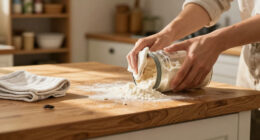
To stop this from happening, you need to focus on thorough rinsing and choosing the right cleaning methods. First, make sure to rinse your appliance parts thoroughly with clean water after washing. Don’t just wipe or quick-rinse—use a steady stream of water to dislodge and wash away any remaining chemicals. If your appliance parts are made of absorbent materials, consider soaking them in warm water with a splash of vinegar or baking soda. This can help break down soap residues and reduce their absorption. Using proper cleaning techniques can also prevent the buildup of cleaning residues over time.
Another effective step is switching to milder, less residue-prone cleaning agents. Look for cleaning products labeled as food-safe or designed for appliances that contact consumables. These tend to leave fewer residuals and are less likely to cause that soapy aftertaste. Additionally, avoid using excessive amounts of soap—more isn’t necessarily better, and overuse can lead to more residue left behind. Proper drying techniques can significantly reduce the risk of residual chemicals being trapped and causing lingering tastes. Proper drying techniques ensure that all moisture is gone and residues are less likely to be trapped. By paying attention to the materials and ensuring proper rinsing, you can greatly reduce or eliminate that soapy flavor. With a little extra care, your appliances will be cleaner and tasteless, making your experience more pleasant and safe.
appliance parts cleaning brushes
As an affiliate, we earn on qualifying purchases.
As an affiliate, we earn on qualifying purchases.
Frequently Asked Questions
Can Soap Residue Damage My Appliance Over Time?
Yes, soap residue can damage your appliance over time. Residue buildup from soap can cause chemical reactions that corrode parts or impair functionality. If you don’t regularly clean or rinse away soap residue, it can lead to clogging or corrosion, shortening your appliance’s lifespan. To prevent this, regularly clean your appliance parts thoroughly, ensuring no soap residue remains, and avoid using excessive soap to reduce buildup.
Are Certain Soap Brands More Likely to Cause Lingering Taste?
Certain soap brands are more likely to cause lingering taste because of their formulation, affecting flavor retention on appliance parts. Brands with strong fragrances or higher detergent concentrations tend to leave residues that cling to surfaces, resulting in a lasting soap taste. To minimize this, opt for milder, fragrance-free options and thoroughly rinse parts after washing. This reduces flavor retention and keeps your appliances tasting fresh, not soapy.
How Often Should I Clean Appliance Parts to Prevent Soap Taste?
You should clean appliance parts at least once a month to prevent soap residue buildup. Regular cleaning helps maintain residue prevention, ensuring no soap taste lingers on parts. If you notice a soap flavor after use, increase cleaning frequency to bi-weekly. Consistent maintenance keeps soap residue from accumulating, preserving the appliance’s taste and performance. Staying diligent with cleaning schedules is the best way to avoid lingering soap flavors.
Does Water Temperature Affect Soap Residue Buildup?
Yes, water temperature affects soap residue buildup. Hotter water helps soap dissolve more effectively, reducing residue left on appliance parts. When you use warm or hot water, soap rinses away better, preventing lingering soap taste. Conversely, cold water may leave behind soap residue because it doesn’t dissolve soap as well. To minimize buildup and improve soap effectiveness, always use the recommended water temperature for cleaning your appliances.
Can Using Less Soap Reduce Lingering Flavors Effectively?
A little goes a long way—like the saying “less is more.” Using less soap can effectively reduce lingering flavors because lower soap concentration means less flavor absorption into appliance parts. When you cut back, you’re preventing soap residue from clinging and building up. This simple change helps keep your appliances tasting fresh, avoiding that stubborn soap taste. So, try using less soap and see the difference it makes!
vinegar baking soda cleaning kit
As an affiliate, we earn on qualifying purchases.
As an affiliate, we earn on qualifying purchases.
Conclusion
So, next time soap seems to cling to your appliance parts like a stubborn guest, remember that thorough rinsing and regular cleaning are your best allies. Think of it as sweeping away the soap’s lingering shadow, leaving your appliances fresh and scent-free. With a little attention, you’ll keep that pesky soap taste at bay, ensuring every use feels as clean as a whistle. Don’t let soap’s stubbornness dampen your appliance’s shine—stay vigilant and enjoy spotless results.
As an affiliate, we earn on qualifying purchases.
As an affiliate, we earn on qualifying purchases.
Fall Picks
fall essentials
As an affiliate, we earn on qualifying purchases.