To keep your food processor performing well, clean all removable parts with warm, soapy water after each use, avoiding abrasive scrubbers. Check blades regularly for dullness or damage, and sharpen or replace them when needed. Store blades and accessories properly in designated containers, and dry parts thoroughly to prevent rust. Process softer foods first and rinse blades immediately to prevent residue buildup. Maintaining these practices consistently will help you prevent performance drops—learn more for long-lasting efficiency.
Key Takeaways
- Disassemble and wash all removable parts with warm, soapy water immediately after use.
- Regularly inspect blades for dullness or damage and sharpen or replace as needed.
- Rinse blades promptly after juicing to prevent residue buildup and maintain sharpness.
- Store blades and accessories properly in designated containers to avoid damage and loss.
- Dry all parts thoroughly to prevent rust and ensure longevity of metal components.
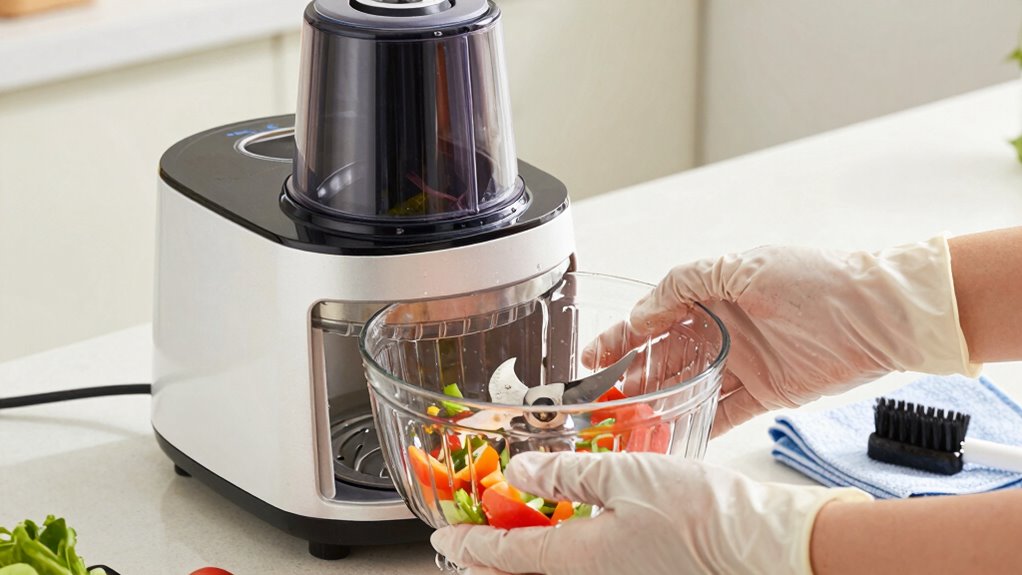
Keeping your food processor clean and well-maintained is essential for ensuring it works efficiently and lasts longer. When you regularly clean your machine, you prevent buildup of food particles, which can cause clogs or reduce performance over time. Proper maintenance also involves understanding juicing techniques if you use your processor for fresh juice, as certain methods can keep blades sharper longer and improve juice extraction. After juicing, always rinse the blades immediately to prevent pulp and residue from drying and becoming difficult to remove. Using gentle scrubbing with a soft brush helps maintain the blades’ sharpness, ensuring your juicing remains efficient and flavorful. When you’re done, consider using storage solutions like airtight containers for leftover pulp or juice, which keeps your work area tidy and prevents cross-contamination. Storing blades and accessories properly also reduces the risk of damage or loss, making it easier for you to access what you need when preparing your next batch. Regularly inspecting and cleaning all removable parts after each use is crucial for maintaining optimal performance. Disassemble the blades, bowls, and lids, then wash them with warm, soapy water. Avoid abrasive scrubbers that could scratch or dull the blades, as this impacts their ability to cut and process food effectively. For stubborn residues, soak parts in warm water or vinegar to loosen debris before washing. Dry everything thoroughly before reassembling to prevent rust, especially on metal blades. Regularly inspecting the blades for dullness or damage allows you to sharpen or replace them promptly, maintaining peak performance. When you’re storing your processor and its parts, choose storage solutions that keep everything organized and protected. Use designated drawers or containers with compartments so blades and accessories don’t get tangled or lost, and avoid stacking heavy items on top of delicate parts. Mastering juicing techniques not only enhances the quality of your drinks but also prolongs your equipment’s lifespan. For example, processing softer fruits first and then harder vegetables prevents overload on the motor, reducing wear and tear. When you’re done juicing, clean the processor immediately to prevent pulp from drying and sticking, which can be tough to remove later. Proper storage solutions, like sealed containers and organized drawers, make it easy to keep your accessories clean and accessible. This way, you’re more likely to stick to your cleaning routine and keep everything in good condition. Additionally, understanding blade maintenance and how it impacts your processor’s longevity can help you avoid unnecessary replacements and keep performance optimal. A consistent cleaning routine not only extends the lifespan of your equipment but also ensures safe and hygienic food preparation. Regularly checking and using appropriate storage methods also prevents damage to blades and accessories, extending their life. When you treat your food processor with care—cleaning it promptly, storing parts correctly, and using proper juicing techniques—you’ll find it continues to perform well and serve you reliably for years.
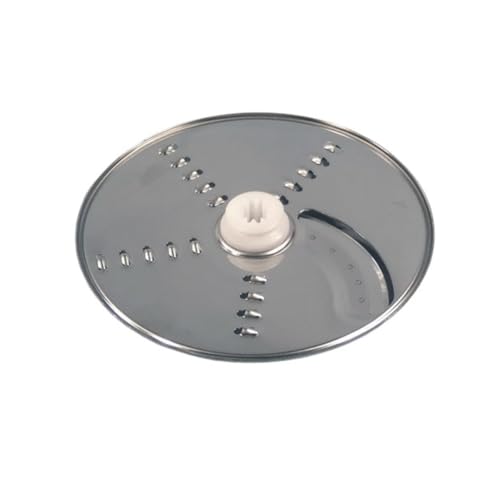
Thin Slicer Shredder Disc Plate Blade compatible with Kenwood Food Processor
- Includes one slicer shredder disc: Thin Slicer Shredder Disc Plate Blade
- Compatible with Kenwood AT264: Model AT264
- Also known as KW706848: Model KW706848
As an affiliate, we earn on qualifying purchases.
As an affiliate, we earn on qualifying purchases.
Frequently Asked Questions
Can I Put All Food Processor Parts in the Dishwasher?
You can put some food processor parts in the dishwasher, but check your model’s manual first. Usually, BPA concerns are minimized with dishwasher-safe plastics, but avoid high heat settings to prevent warping. Not all parts are dishwasher safe, especially blades and seals, so hand wash those. Dishwasher safety varies, so always verify which parts are safe to clean this way to maintain your processor’s performance and longevity.
How Often Should I Replace the Blades?
You should replace your food processor blades when they become dull or chipped, which usually happens after about a year of regular use. Instead of endlessly sharpening blades, embrace the modern solution: replacement frequency. Sharpening blades often isn’t worth the effort, and dull blades can ruin your recipes. So, keep an eye on performance, and don’t hesitate to swap out those blades for fresh, sharp ones to keep your processor humming.
What’s the Best Way to Remove Stubborn Stains?
To remove stubborn stains from your food processor, start with effective stain removal and cleaning techniques. Mix a paste of baking soda and water, then apply it to the stained areas. Let it sit for a few minutes before scrubbing gently with a soft brush or sponge. Rinse thoroughly with warm water. For tough stains, repeat the process or use a mild vinegar solution to break down residue and restore cleanliness.
Are There Any Foods I Should Avoid Processing Regularly?
You should avoid processing processed foods and hard vegetables regularly in your food processor. Processed foods often contain additives that can gum up blades and mechanisms, reducing performance over time. Hard vegetables, like carrots or potatoes, put extra strain on the motor and blades, leading to faster wear. To keep your processor running smoothly, save these items for occasional use and focus on softer ingredients for regular processing.
How Do I Troubleshoot Common Motor Issues?
Troubleshooting motor mishaps starts with quick checks: feel for overheating, which indicates motor stress. If the motor stalls or won’t start, delve into electrical troubleshooting—inspect cords, plugs, and switches for damage or disconnection. Clear blockages or jammed blades can also cause issues, so make certain nothing’s obstructing movement. Regularly cleaning and inspecting your processor helps prevent these problems, keeping your machine humming harmoniously and avoiding costly repairs.

Buenalife Heavy Duty Cleaning Brushes Set of 4 – Extra Long Straw Cleaners for Metal and Plastic Reusable Drinking Straws, to Clean Small Spaces, Sippy Cups, Water Bottles – Sturdy Hard Brush Bristles
- Sturdy Bristles: Food-grade nylon, 0.01 inch thick
- Durable Steel Rod: 1/8 inch thick stainless steel spiral
- Ergonomic Handles: Comfortable grip with hanging feature
As an affiliate, we earn on qualifying purchases.
As an affiliate, we earn on qualifying purchases.
Conclusion
By diligently disinfecting, delicately dismantling, and consistently caring for your food processor, you guarantee it stays sharp, swift, and sensational. Regularly rinse, remove residue, and restore its readiness, so it won’t waver or weaken with wear. With simple, steady steps, you safeguard its superb performance, prolonging its life and preserving your culinary creations. Keep your kitchen’s core clean and your culinary companion confident — because caring for your food processor keeps your cooking consistently clever and carefree.

CROTIRAD Food Processor Cover for Ninja BN601 and 8-14 Cup Food Processors
- Material: Water-resistant nylon for protection
- Protection: Keeps food processor free from dust and bugs
- Closure: Zippered for secure sealing
As an affiliate, we earn on qualifying purchases.
As an affiliate, we earn on qualifying purchases.
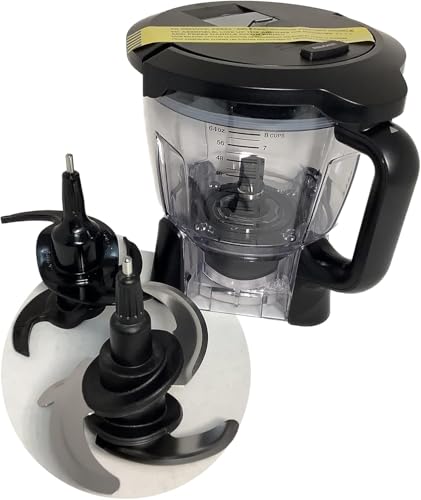
64oz (8 Cup) Food Processor Bowl Locking Lid Blade Kit ONLY for Ninja BL640 BL641 BL642 BN750 BN751 BN800 BN801 BN805A BL910 Blender – MUST READ Details, NO EXCEPTION
- Compatibility Warning: Check all pictures and warnings
- Compatible Models: Ninja Auto-iQ Duo BL680A to BL910
- Package Includes: Bowl, lid, blades, tips, recipes
As an affiliate, we earn on qualifying purchases.
As an affiliate, we earn on qualifying purchases.