
Crisp food softens quickly after cooking because moisture from the air and the food itself seeps back in, weakening the crust’s structure. As moisture penetrates, it causes the crispy exterior to lose its crunch and become tender. Proper cooking methods, temperature control, and storing in a dry environment help slow this process. If you want to discover how to keep your food crispy longer, there’s more to uncover below.

Get kitchen staples and gadgets delivered free with Prime
- Fast, free delivery on millions of items
- Prime Video, Amazon Music and more included
- Member-only deals all year
Key Takeaways
- Moisture from air penetrates the surface, softening the crust and reducing crispness.
- Cooling or sitting out allows internal moisture to seep out, making the exterior less dry and brittle.
- Excessive oil absorption during frying creates a greasy barrier, trapping moisture and causing sogginess.
- Improper storage conditions expose food to humidity, accelerating moisture and oil ingress that softens the crust.
- Lower frying temperatures or temperature drops increase oil absorption, leading to a loss of crispness.
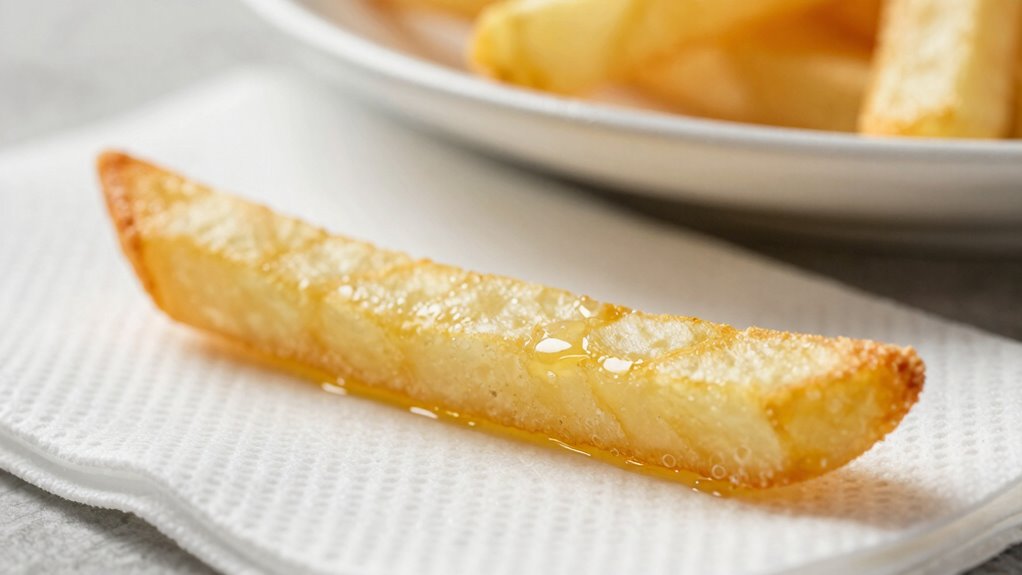
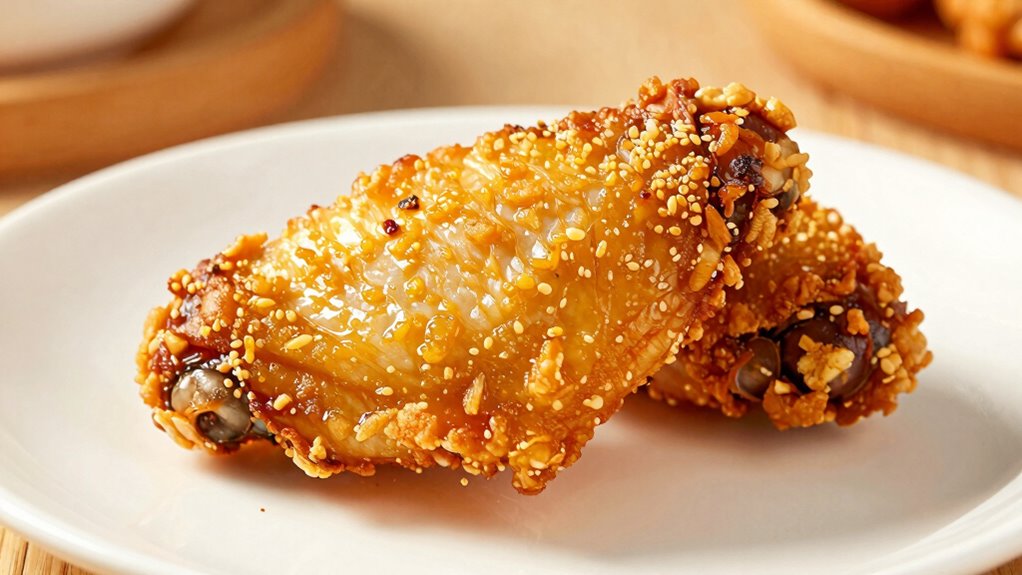
You’ve probably noticed that crispy foods, like fried chicken or potato chips, often lose their crunch after cooking or sitting for a while. This happens because maintaining that perfect crunch isn’t just about how you cook the food but also about how it interacts with its environment afterward. Two main factors play a vital role in why your crispy snacks turn soft so quickly: texture retention and oil absorption.
When you first fry or bake a food item, the goal is to create a firm, dry exterior that traps moisture inside, giving you that satisfying crunch. Texture retention is essential here, and it depends largely on removing excess moisture and controlling the temperature during cooking. But once the food cools or sits out, moisture from the surrounding air begins to seep in. The surface of the food absorbs this moisture, which softens the crispy layer and diminishes its crunch. The more the surface absorbs water, the faster your food loses its crispness.
Crispy foods lose crunch as moisture from the air penetrates and softens their exterior.
Oil absorption also contributes markedly to the softening process. During frying, some oil seeps into the crust or surface layer of your food. While a small amount of oil can enhance flavor and help create a crispy texture, excessive oil absorption makes the exterior greasy and heavy. Over time, the oil can cause the crust to become soggy because it creates a barrier that traps moisture inside. When the crispy crust is coated with too much oil, it loses the ability to stay dry and brittle, leading to quick softening. Additionally, the frying temperature significantly impacts how much oil is absorbed and how well the crust maintains its crispness. Proper temperature control during frying is therefore essential to minimize oil uptake and preserve texture.
Furthermore, the type of oil used and the frying temperature influence both texture retention and oil absorption. High temperatures help create a rapid, crisp crust that’s less prone to oil soaking and moisture penetration. However, if the temperature drops or the food is left sitting out, the crust becomes vulnerable to moisture and oil ingress. Even with proper frying, if you don’t serve the food promptly or store it correctly, the crust will absorb moisture and oil from the environment or residual moisture within the food itself, accelerating the softening process. Proper storage techniques are crucial to maintaining crispness for as long as possible.
Products Worth Considering

KitchenAid 13-Cup Food Processor, KFP1318, Black Matte
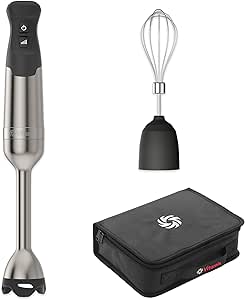
Vitamix 5-Speed Immersion Blender 3-Piece Bundle with Whisk and Storage Case

Instant Pot Rio 6-Quart 7-in-1 Electric Pressure Cooker, Black
As an affiliate, we earn on qualifying purchases.
Frequently Asked Questions
How Can I Keep Food Crispy for Longer?
To keep food crispy longer, you should store it properly and reheat it correctly. Use a paper towel-lined container to absorb moisture and avoid sealing it airtight, which traps steam. When reheating, prefer an oven or air fryer over a microwave, as they help preserve flavor retention and texture. This way, your food stays crispy, maintaining its original texture and delicious flavor for a longer period.
Does Microwave Reheating Affect Food’s Crispiness?
A stitch in time saves nine, and when it comes to microwave reheating, it can affect food’s crispiness. Microwave effects often cause moisture to trap, making crispy foods soggy quickly. To preserve crispiness, avoid overheating and use methods like reheating in an oven or skillet. This way, you maintain that crunch, preventing your food from losing its appealing texture too fast.
Are There Specific Storage Methods to Maintain Crunch?
To maintain crunch, you should use proper refrigeration techniques and innovative packaging. Store crispy foods in airtight containers or resealable bags to prevent moisture buildup. Consider packaging innovations like vented or moisture-absorbing packaging to keep foods dry. Avoid stacking items directly and keep them away from humidity. These methods help preserve the crispiness longer by controlling moisture and airflow, ensuring your snacks stay crunchy even after storage.
Can Certain Oils Help Preserve Crispness?
Using certain oils can help preserve crispness, as some oils create a barrier that slows moisture absorption. Notably, a study shows that oils like rice bran or grapeseed have high smoke points and can enhance flavor, making your food taste better while maintaining crunch. Oil preservation not only extends the crunch but also boosts flavor enhancement, keeping your crispy snacks fresh longer. Always choose the right oil for your cooking needs!
How Does Humidity Impact Food Texture Over Time?
Humidity effects cause food to soften over time because moisture absorption from the air penetrates the food’s surface. When you leave crispy items exposed in humid environments, they absorb this moisture, losing their crunch. To maintain texture, keep foods in airtight containers or in dry areas, reducing moisture exposure. Controlling humidity levels helps preserve the crispness, preventing it from fading too quickly as the food interacts with the surrounding air.
Conclusion
Ever wonder why your crispy fries turn soggy so quickly? It’s because moisture from the air or your food seeps in, breaking down the crispy crust. Did you know that nearly 60% of people admit to losing their perfect crunch within just 10 minutes of cooking? Keep your food crispy longer by storing it properly and avoiding excess moisture. With these tips, you can savor that satisfying crunch a little longer and enjoy your favorite crispy treats!