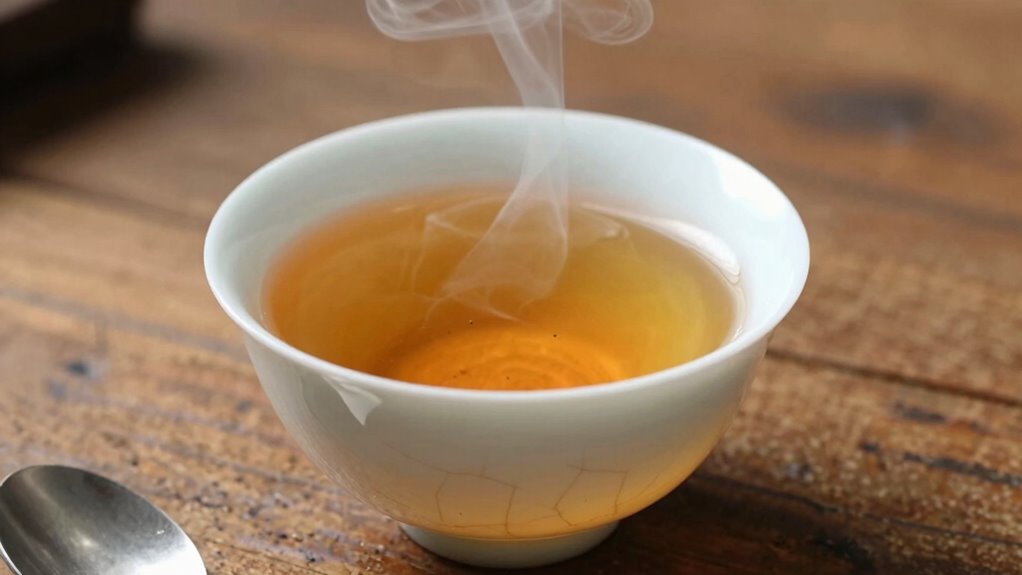

If your tea tastes flat when the temperature is slightly off, it’s because the extraction process isn’t happening ideally. Too low, and flavor compounds, oils, and aromatic volatiles don’t dissolve fully, leaving your tea dull and weak. Too high, and over-extraction causes bitterness and harshness, dulling the subtle notes. Maintaining the right temperature guarantees even extraction and preserves delicate flavors. Keep exploring to discover how to perfect your brewing for a more vibrant, balanced cup.
Listen free for 30 days with Audible
Thousands of audiobooks and originals — cancel anytime.
As an affiliate, we earn on qualifying purchases.
Key Takeaways
- Slight temperature deviations can lead to under-extraction, preventing full flavor compounds from dissolving.
- Small temperature changes can disrupt the balance of aromatic and flavor compounds.
- Inconsistent temperature affects even extraction, resulting in a dull, flat taste.
- Incorrect temperature may cause insufficient release of volatile aromatic compounds.
- Proper temperature stability ensures full development of tea’s nuanced flavors.
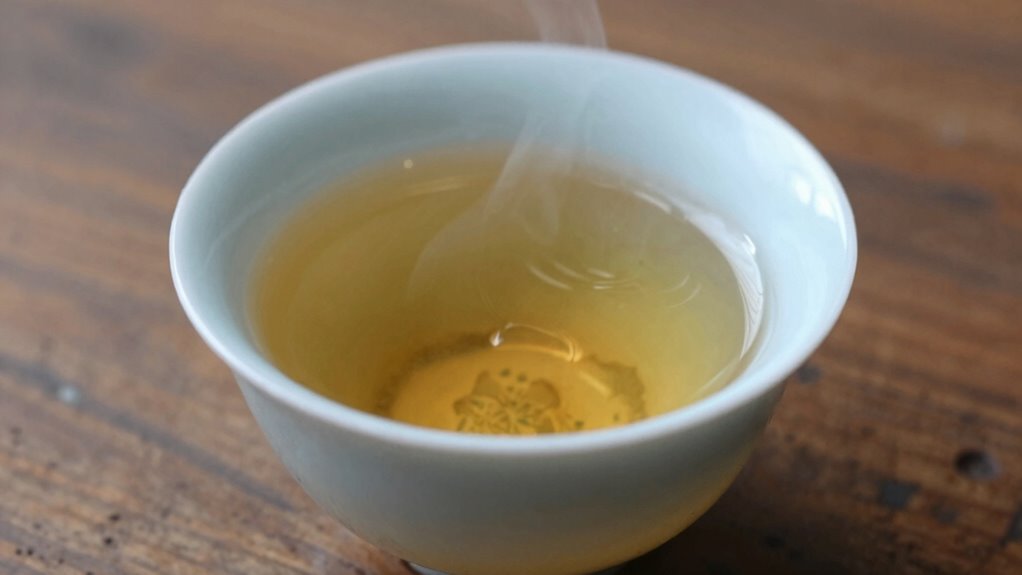
Have you ever noticed that your favorite cup of tea tastes dull or flat when the temperature isn’t quite right? It’s a common experience, and the reason lies in how temperature affects flavor extraction. When you brew tea, hot water pulls out the flavors, oils, and tannins from the leaves. If the water’s temperature is too low, the extraction process slows down, and you miss out on the full spectrum of flavors. The tea might taste weak, flat, or insipid because essential compounds haven’t dissolved properly. Conversely, if the water’s too hot, it can over-extract certain elements, leading to bitterness or astringency that masks the tea’s delicate notes. Striking the right balance in temperature is crucial because it directly influences how well flavors develop and blend, giving you a rich, balanced sip.
Temperature stability plays a vital role in maintaining the optimal environment for flavor extraction. When your water temperature stays consistent throughout the brewing process, the tea leaves can release their flavors evenly. Fluctuations—say, if the water cools too quickly or heats unevenly—disrupt this delicate process. As a result, you end up with a tea that lacks complexity or depth. This is why controlling the temperature during steeping is so important; it ensures that the extraction proceeds smoothly, preserving the nuanced flavors that make each type of tea unique. Maintaining temperature consistency is essential for achieving the best flavor extraction in tea brewing. Proper temperature control can also prevent the loss of volatile aromatic compounds that contribute to the tea’s overall aroma and taste. Additionally, the use of precise heating tools can help in maintaining this stability more effectively. A consistent temperature also aids in preventing over-extraction, which can lead to bitterness and diminish the tea’s subtle qualities.
Another factor to consider is that different teas require different temperature ranges for optimal flavor extraction. Green teas, for example, need lower temperatures to avoid bitterness, while black teas thrive at higher temperatures to release their robust flavors. If you ignore these specifics and use the wrong temperature, the tea’s flavor profile can become dull or off-balance, leading to that flat taste you want to avoid. Using a thermometer or a temperature-controlled kettle can help you maintain consistent heat, ensuring that the tea’s flavors are fully unlocked without overdoing it. This precision not only enhances flavor extraction but also helps preserve temperature stability throughout the brewing process. Properly adjusting your brewing method based on the type of tea can significantly improve the overall experience. Additionally, understanding the ideal temperature for each tea type can help you avoid common mistakes that result in a flat or dull taste.
In the end, paying attention to the water temperature and keeping it stable throughout steeping can make all the difference in how your tea tastes. When you get these elements right, you’ll enjoy a richer, more vibrant cup that truly reflects the complexity of the leaves. That’s when your tea stops tasting flat and starts delivering the full, satisfying flavor you’re after.
temperature-controlled tea kettle
As an affiliate, we earn on qualifying purchases.
As an affiliate, we earn on qualifying purchases.
Frequently Asked Questions
Does the Type of Tea Affect Temperature Sensitivity?
Yes, the type of tea affects temperature sensitivity. Different teas, like green or black, have unique brewing temperature requirements that influence their aroma and flavor. If you don’t hit the right brewing temperature, you might notice a flat taste or dull aroma. Paying attention to the ideal temperature for each tea helps preserve its delicate flavors and aroma, ensuring a richer, more satisfying experience.
How Does Water Quality Impact Tea Flavor at Different Temperatures?
Did you know water mineralization can change tea flavor by up to 25%? Water quality impacts tea at different temperatures because mineral composition influences extraction. Hard water, rich in calcium and magnesium, can dull flavors, especially if water isn’t heated properly. Using well-balanced, filtered water guarantees minerals enhance your tea’s taste, regardless of temperature. So, pay attention to your water’s mineral content to enjoy a richer, more vibrant brew.
Can Steeping Time Influence Flat-Tasting Tea?
Yes, steeping time can influence flat-tasting tea. If you steep too long, it can cause over-extraction, leading to a loss of aroma retention and a dull flavor. On the other hand, too short a steeping time may result in incomplete flavor extraction, making the tea taste weak and flat. Finding the right steeping duration guarantees the best flavor extraction and aroma retention, enhancing your tea’s overall richness and complexity.
Are There Specific Teas More Forgiving to Temperature Variations?
Some teas, like black and herbal varieties, are more forgiving to temperature variations because they have better flavor preservation and tolerate slight fluctuations in temperature. These teas maintain their flavor stability even if the temperature isn’t perfectly controlled. However, delicate teas like green and white are more sensitive, so maintaining precise temperature stability is essential for extracting their nuanced flavors and avoiding flatness.
Does the Shape of the Teapot Affect Temperature Consistency?
Yes, the shape of your teapot affects temperature consistency. Teapot design influences how heat is retained and distributed, with thicker walls and rounded shapes promoting better insulation. Material insulation also plays an essential role; porcelain or ceramic teapots typically hold heat longer than glass or metal ones. By choosing a well-designed teapot with good insulation, you can maintain a more stable brewing temperature, ensuring your tea tastes just right.
As an affiliate, we earn on qualifying purchases.
Conclusion
So, next time your tea tastes flat, remember that even a slight temperature deviation can affect its flavor. Maintaining the right temperature guarantees you extract the perfect balance of flavors, making every sip more enjoyable. Did you know that studies show water temperature influences up to 90% of tea’s aroma and taste? Paying attention to this small detail can elevate your tea-drinking experience, turning a mediocre cup into a delightful one with just a little precision.
tea brewing temperature control device
As an affiliate, we earn on qualifying purchases.
As an affiliate, we earn on qualifying purchases.
electric kettle with temperature settings
As an affiliate, we earn on qualifying purchases.
As an affiliate, we earn on qualifying purchases.
Fall Picks
fall essentials
As an affiliate, we earn on qualifying purchases.