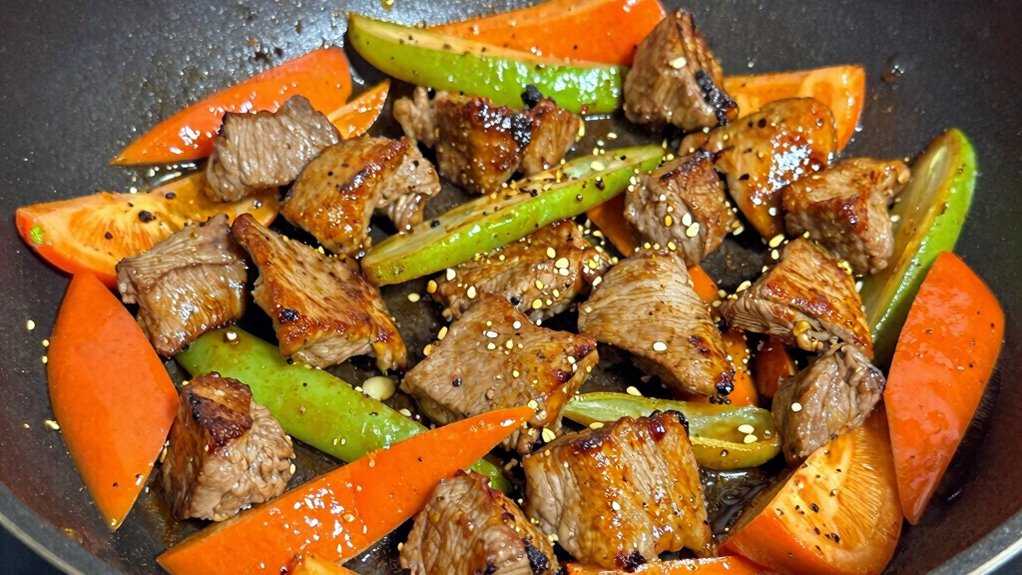
Seasoning in layers allows you to control flavor development throughout cooking, creating a more balanced and complex dish. By adding aromatics early, you build a solid flavor foundation, while seasoning at each stage helps prevent over- or under-seasoning. This gradual process enhances depth, brightness, and richness that aren’t achieved with just a final sprinkle. If you want to understand how timing makes all the difference, keep exploring how layering transforms your cooking results.
Open a free Amazon Business account
Business pricing, bulk buying and tax-exempt orders.
As an affiliate, we earn on qualifying purchases.
Key Takeaways
- Layering seasoning allows for better flavor control and prevents over-seasoning.
- It enhances flavor complexity by adding spices and herbs at optimal stages.
- Building flavors gradually creates a more nuanced and well-rounded dish.
- Tasting and adjusting throughout ensures a balanced, vibrant final profile.
- It elevates the overall dish by adding depth, richness, and sophistication.
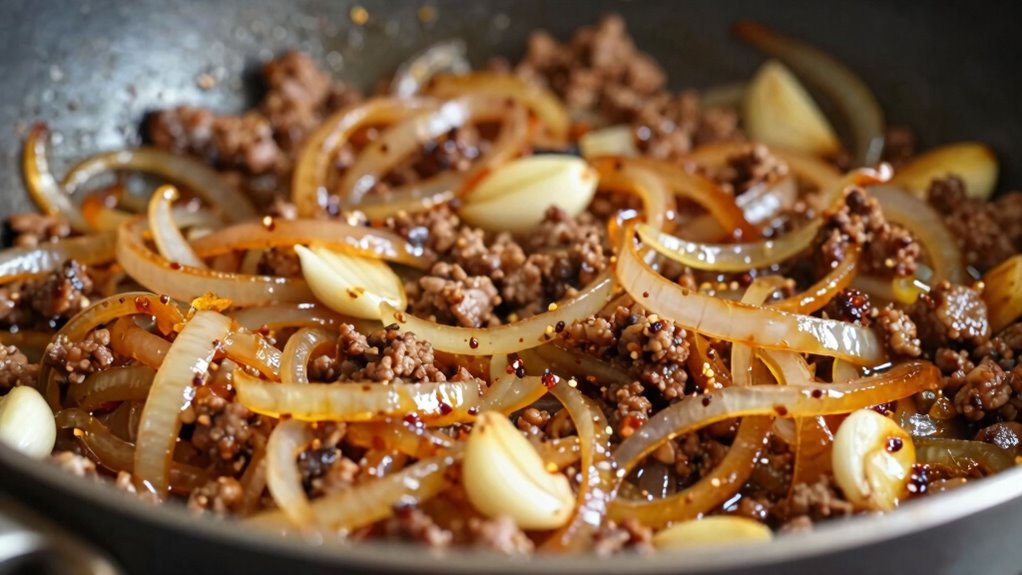
Using layering as a cooking technique allows you to control the intensity and balance of each flavor component. For example, starting with aromatics like onions, garlic, and herbs early in the process lays a foundation that infuses the entire dish. As you add other ingredients, these initial flavors meld and deepen, creating a more cohesive taste. When you season at different stages, you’re fundamentally giving each ingredient its moment to shine, which results in a well-rounded final product. This technique also helps to avoid over-seasoning, as you can taste and adjust gradually instead of risking an oversalted or overly spicy dish at the end.
Layering flavors from the start ensures a balanced, cohesive, and well-rounded dish.
Another advantage of seasoning in layers is that it offers more opportunities for flavor enhancement. When you season throughout cooking, you can incorporate various seasonings—spices, acids, herbs—at just the right times to maximize their impact. For instance, adding a splash of vinegar or a squeeze of lemon early on can brighten the dish, while finishing with fresh herbs provides a burst of freshness. These small, deliberate steps help you create complexity and nuance, turning an ordinary meal into something memorable. Incorporating layered seasoning can also help you develop a more sophisticated palate, as you become more attuned to how flavors evolve during cooking.
Furthermore, layering seasoning aligns with proven cooking techniques that emphasize building flavor over time. It encourages patience and attentiveness, allowing you to taste and adjust as you go. This method also makes it easier to achieve the desired flavor profile, as each addition builds upon the last, rather than masking flavors with a single dose of seasoning at the end. In addition, understanding the science of flavor can help you make more informed seasoning decisions throughout the process. By thinking of seasoning as a series of steps rather than a one-time act, you gain more control and precision. The result is a dish that tastes more vibrant, well-balanced, and satisfying.
In principle, seasoning in layers transforms the cooking process into an art form, where each step enhances the next. It’s a technique that elevates your dishes, providing depth, complexity, and a richer flavor profile that simply can’t be achieved by seasoning only at the end.
As an affiliate, we earn on qualifying purchases.
Frequently Asked Questions
Can Layering Seasoning Make Dishes Too Salty?
Layering seasoning can increase the saltiness risk if you’re not careful, but it actually helps maintain flavor balance. By adding small amounts gradually, you control the salt level and avoid over-seasoning. This method allows you to build complex flavors without making the dish too salty. Just remember to taste as you go, and you’ll enjoy rich, balanced dishes without the risk of overpowering saltiness.
How Do I Prevent Over-Seasoning When Layering?
You can prevent over-seasoning when layering by tasting as you go, ensuring you maintain flavor balance and seasoning control. Coincidentally, many cooks find that adding small amounts gradually helps avoid overpowering dishes. By building flavors in steps, you get a clearer sense of each seasoning’s impact. This approach lets you fine-tune your seasoning, preventing saltiness and keeping the dish well-balanced and flavorful without the risk of over-seasoning.
Is Layering Seasoning Suitable for All Types of Cuisine?
Layering seasoning works well across many cuisines, including fusion cuisines, but it’s not suitable for all. Traditional methods often rely on specific seasoning techniques that are best added at particular stages. You should consider the cuisine’s nature; delicate dishes might require minimal seasoning at each layer, while bold flavors in fusion cuisines benefit from building complexity. Adjust your layering approach based on the dish’s style and flavor profile.
How Does Layering Affect Cooking Time?
Did you know that layering flavors can increase cooking time by about 10-15%? When you use flavor infusion techniques through layering, it often requires a slight cooking time adjustment to make sure the seasonings meld properly. This method allows flavors to develop gradually, enhancing taste. So, be patient and plan for a bit more time to achieve deeper, more complex flavors that come from well-executed layering.
Can Seasoning Layers Improve the Flavor of Vegetarian Dishes?
Yes, seasoning layers can greatly improve the flavor of vegetarian dishes. By adding spices and herbs at different stages, you build vegetarian flavor and enhance seasoning complexity. This approach guarantees each ingredient absorbs balanced, well-rounded flavors, making your dish more vibrant and satisfying. Layering seasonings also prevents overpowering one element, resulting in a richer, more nuanced taste that elevates even simple vegetarian meals.
As an affiliate, we earn on qualifying purchases.
Conclusion
So, if you want your dishes to explode with flavor and leave everyone begging for more, layering your seasoning isn’t just a tip—it’s the secret weapon of culinary geniuses! Don’t just sprinkle and hope; build flavor like a master architect stacking bricks of deliciousness. Trust me, seasoning in layers transforms a bland meal into a taste explosion so powerful, it’ll practically dance on your taste buds and make your kitchen the envy of all.
As an affiliate, we earn on qualifying purchases.
As an affiliate, we earn on qualifying purchases.
NFL season / tailgating Picks
team gear
As an affiliate, we earn on qualifying purchases.