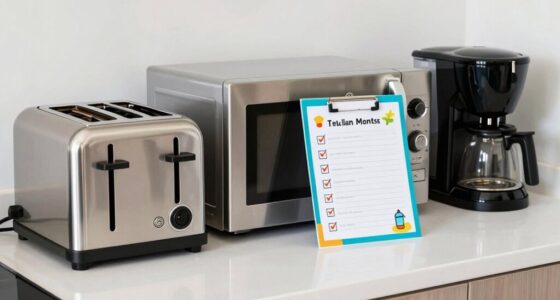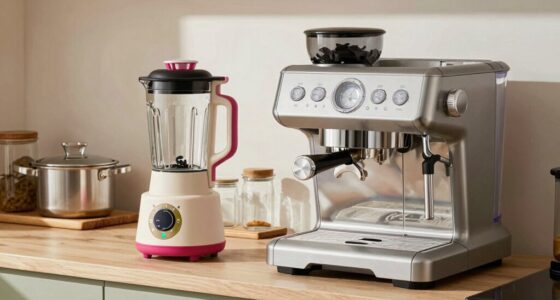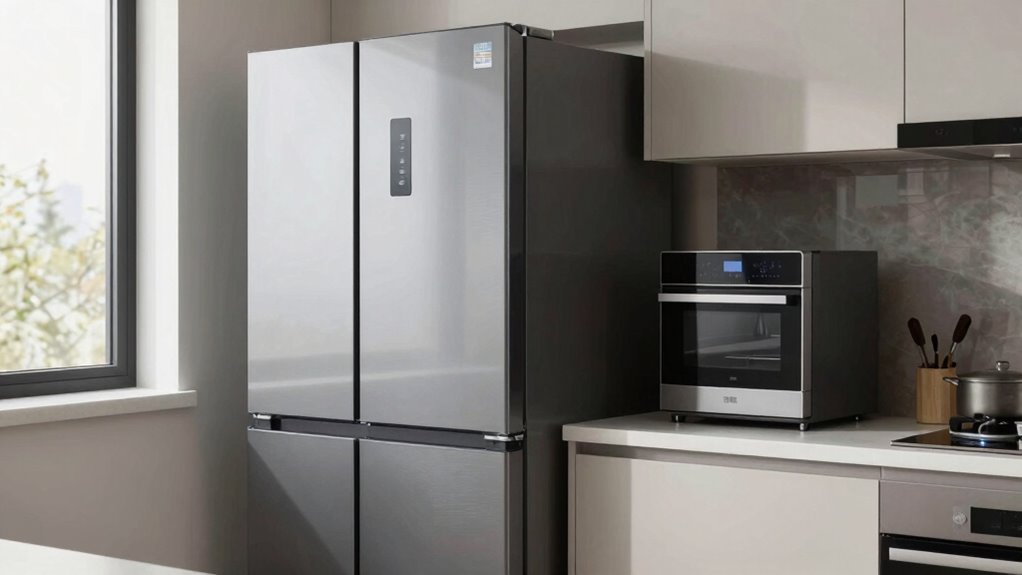

Choosing an oversized appliance may seem like a smart move to save time, but it often leads to higher energy bills and unnecessary waste. Bigger models consume more power and water, even when you don’t need all that capacity. They can also wear out faster and cost more upfront. The key is to match appliances to your actual needs for efficiency and savings. Stick around, and you’ll discover how selecting the right size makes a real difference.
Key Takeaways
- Larger appliances often consume more energy and may not operate efficiently at their full capacity.
- Oversized appliances can lead to higher upfront costs and increased maintenance needs.
- Properly matching appliance size to actual household needs reduces energy waste and operational costs.
- Bigger isn’t always better; overcapacity can cause wear, shorten lifespan, and decrease efficiency.
- Choosing appropriately sized appliances promotes sustainability, cost savings, and reliable performance.
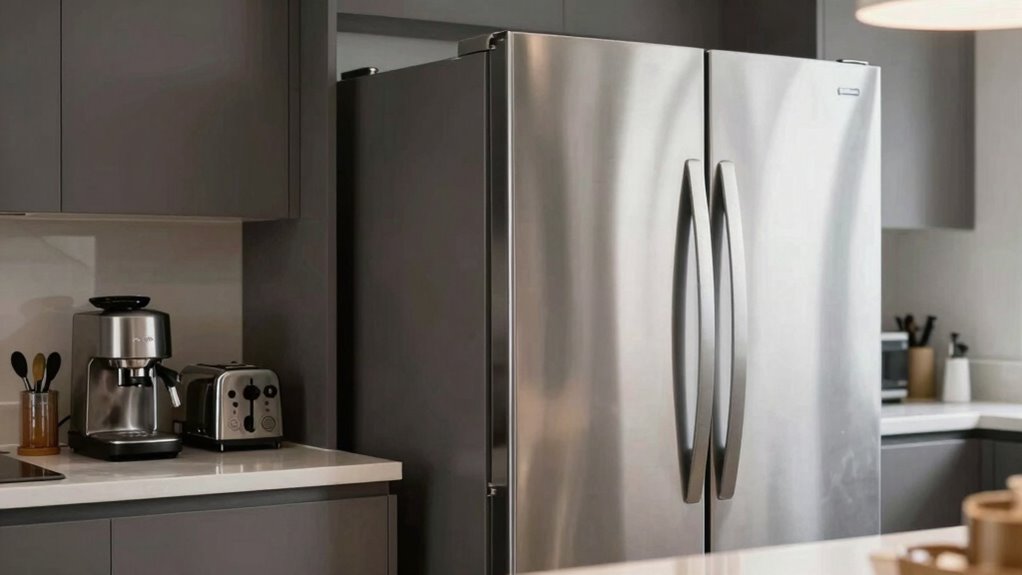
Have you ever bought an appliance that seemed perfect in the store only to find it falling short of your needs later? It’s a common mistake—initially, a larger capacity appliance might seem like the best choice, promising to handle everything you throw at it. But bigger isn’t always smarter. When you opt for a larger model, you might notice that it doesn’t deliver the efficiency you expect, especially in terms of energy use. Larger appliances often consume more power, which can lead to higher energy bills over time. This increased consumption impacts not just your wallet but also the environment, making energy efficiency a vital factor to weigh before making a purchase.
Choosing a bigger appliance might seem like a way to avoid frequent emptying or washing, but it can backfire in terms of cost implications. Larger capacities often mean higher upfront costs, and they tend to be less efficient in their energy consumption. Instead of saving money, you could end up spending more on electricity and maintenance. For example, a bigger washing machine might handle more laundry, but it also uses more water and electricity per cycle, making it less cost-effective in the long run. Likewise, larger refrigerators may provide ample space, but they often require more energy just to keep everything cool, increasing your monthly utility bills. Additionally, oversized appliances can lead to energy waste if they are not properly matched to your actual needs, further emphasizing the importance of selecting appropriately sized appliances. Being aware of energy consumption habits can help you make better decisions when selecting appliances that suit your lifestyle.
Choosing larger appliances can increase costs and energy use, making them less efficient and more expensive over time.
Furthermore, oversizing appliances can contribute to inefficient operation because they rarely operate at their optimal capacity, which can cause unnecessary wear and tear. Selecting an appliance that is too large for your needs may also result in shortened lifespan, as the appliance is pushed beyond its ideal working parameters. Additionally, understanding cost-effectiveness can guide you toward appliances that truly meet your needs without overspending or wasting resources. Instead of automatically opting for the largest model, it’s better to assess your actual needs. Think about your typical usage, the size of your household, and your energy consumption habits. An appliance that fits your specific requirements will function more efficiently, saving you money and reducing your carbon footprint. Remember, choosing the right size isn’t just about capacity; it’s about balancing convenience, cost implications, and energy efficiency. Being mindful of these factors helps you avoid the appliance capacity trap and makes smarter, more sustainable choices in the long run.

Kenmore 4.5 cu. ft. Top Load Washer with Triple Action Impeller for Tough Dirt & Stains – Reduce Laundry Time with Accela Wash & Express Wash – LED – White
Tough Action for Tough Stains: Our top load clothes washer features a Triple Action Impeller to tackle your…
As an affiliate, we earn on qualifying purchases.
As an affiliate, we earn on qualifying purchases.
Frequently Asked Questions
How Can I Determine the Optimal Appliance Size for My Home?
To find the ideal appliance size, consider your household’s actual needs and lifestyle. Choose a size that matches your typical usage to avoid unnecessary energy consumption and appliance wear, which can shorten the appliance lifespan. Also, pay attention to noise levels—larger appliances often produce more noise, which might be disruptive. Properly sizing your appliances guarantees efficiency, longevity, and a quieter home environment.
Are Larger Appliances More Energy-Efficient?
Larger appliances are like oversized sails—they may seem efficient but often catch more wind than needed. They typically consume more energy, increasing your overall energy consumption, and may not last as long due to overuse. While bigger appliances can handle more, they often lead to higher utility bills and shorter appliance lifespan. Choosing appropriately sized models helps balance energy efficiency with durability, saving you money in the long run.
What Are the Hidden Costs of Upgrading to Bigger Appliances?
Upgrading to bigger appliances can seem like a smart move for convenience, but you might face hidden costs. You won’t see immediate cost savings, as larger units often consume more energy and increase utility bills. Maintenance challenges also rise, with bigger appliances requiring more frequent repairs and higher costs over time. Plus, installation can be more complex and expensive, making the overall upgrade less economical than you might expect.
How Does Appliance Size Impact Household Water and Energy Bills?
Think of your appliances like a car engine—you might choose a bigger one, but it consumes more fuel and wears out faster. Larger appliances often lead to higher water and energy bills, despite potential short-term savings. They also tend to have shorter lifespans and increased maintenance costs. So, opting for appropriately sized appliances helps you save money over time, reducing your utility bills and the need for costly repairs.
Can Smaller Appliances Handle Increased Household Demand Effectively?
Smaller appliances can handle increased household demand effectively if they’re designed with durability and efficient performance in mind. Look for appliances that balance compact design aesthetics with robust construction—these will last longer and perform reliably even during peak use. While they may require more frequent maintenance, their energy efficiency and space-saving benefits make them a smart choice for busy households that want to avoid the trap of oversizing.

Antarctic Star Mini Compact Refrigerator, 3.2 Cu.Ft. Separate Freezer Double 2-Door Adjustable Removable Shelves for Apartment/Dorm/Office,BLACK
Size and Capacity-Dimension: 18.9''(D)×18.11''(W)×33.46''(H) and 3.2cu.ft capacity. Sufficient space to store your eggs, vegetables, drinks,fruits and milk. 120…
As an affiliate, we earn on qualifying purchases.
As an affiliate, we earn on qualifying purchases.
Conclusion
So, remember, bigger isn’t always better when it comes to appliances. You might think larger capacity means easier living, but it can actually turn into a colossal waste of energy and space—like trying to fit a whale in a teacup. Instead, choose appliances tailored to your needs, and you’ll save money, energy, and frustration. Don’t fall into the capacity trap; keep your choices smart and manageable, and your home will thank you for it.

Hermitlux Countertop Dishwasher, 6 Wash Programs Slim Size Portable Dishwasher
【SLIM & COMPACT: FITS DIFFERENT KITCHEN LAYOUTS】This tabletop dishwasher, with its ultra-slim 14.6" body, fits perfectly in kitchens…
As an affiliate, we earn on qualifying purchases.
As an affiliate, we earn on qualifying purchases.

2026 Electricity Saving Box, Energy Saver Plug to Reduce Electricity Bill, Power Factor for Household/Offices (4pcs)
Energy-Saving Power Stabilizer: Reduces power waste and improves efficiency for refrigerators, air conditioners and other large appliances
As an affiliate, we earn on qualifying purchases.
As an affiliate, we earn on qualifying purchases.