
Choosing the right kitchen outlets from the start saves you from headaches later. Make certain to match outlet types with your appliances, especially high-powered ones like your microwave or refrigerator, to prevent overloads or damage. Check labels for voltage and amperage to guarantee compatibility and follow safety standards to avoid hazards. Properly installed outlets enhance safety and appliance lifespan. Keep these tips in mind, and you’ll be well on your way to a safe, efficient kitchen—more tips await as you continue.

Get kitchen staples and gadgets delivered free — and shop member deals
- Fast, free delivery on millions of items
- Access to Prime Big Deal Days deals on October 6–7
- Prime Video, Amazon Music and more included
Key Takeaways
- Match outlet types to appliance labels to prevent overloading and damage.
- Ensure outlets meet appliance amperage and voltage requirements for safe operation.
- Verify manufacturer recommendations and local safety standards before installation.
- Use dedicated outlets for high-powered appliances like microwaves and refrigerators.
- Proper outlet selection enhances safety, reduces repairs, and ensures appliance longevity.
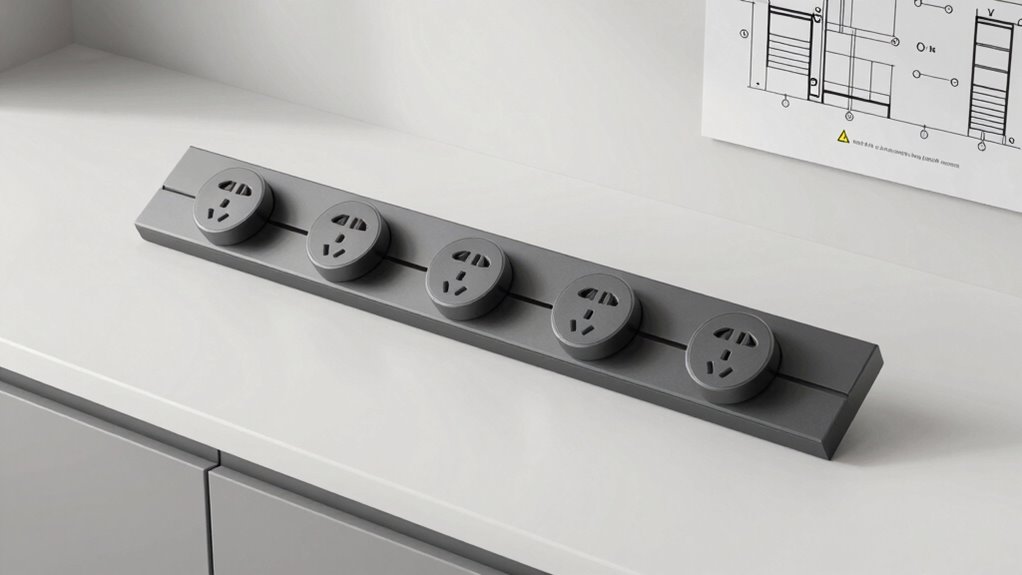
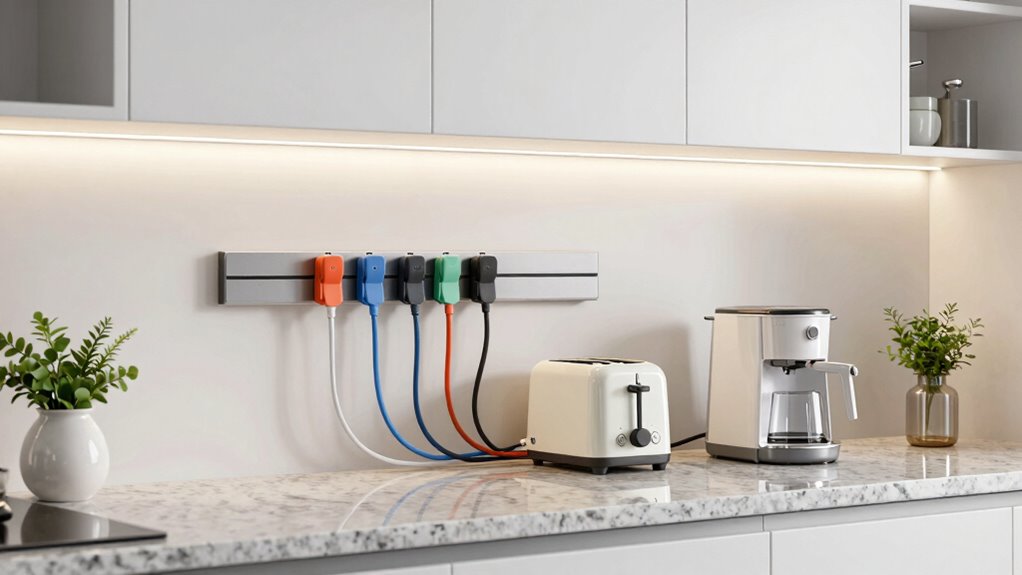
Whether you’re remodeling your kitchen or just upgrading your appliances, choosing the right outlet is crucial for safety and convenience. The first step is understanding appliance compatibility. Not all outlets are created equal, and selecting the wrong type can lead to issues like insufficient power, damage to your appliances, or even electrical hazards. For example, high-powered appliances such as your microwave, dishwasher, or refrigerator often require dedicated outlets with specific amperage ratings. Making sure that your outlets match the power needs of your appliances prevents overloads and keeps your kitchen running smoothly. Check the appliance labels or manufacturer instructions for voltage and amperage recommendations before installing new outlets. This way, you avoid the risk of underpowering or overloading your outlets, which can cause malfunctions or dangerous sparks. Ensuring appliance compatibility is an essential step to prevent costly repairs and safety issues down the line. Additionally, understanding electrical ratings can help you select outlets that meet current safety standards and avoid potential hazards. Properly assessing electrical requirements during installation can help ensure your outlets are suitable for your specific appliances and usage. Being aware of electrical standards can also provide peace of mind and ensure compliance with local building codes.
As an affiliate, we earn on qualifying purchases.
Frequently Asked Questions
How Do I Choose the Right Outlet Type for My Kitchen?
To choose the right outlet type for your kitchen, consider your appliance compatibility and outlet placement. You want outlets that support your appliances’ power needs, like GFCI outlets for safety near sinks. Think about where you’ll place the outlets for easy access without clutter. Match the outlet type to your appliances’ requirements and plan placement strategically to *guarantee* convenience and safety, avoiding overloads or inaccessible spots.
Are There Safety Concerns With Using Multiple Kitchen Outlets?
Sure, go ahead and plug everything in—what’s the worst that could happen? Electrical safety is no joke, especially with outlet overloading lurking around. Using multiple kitchen outlets can be safe if you avoid daisy-chaining and overloads. Just remember, more outlets mean more chances to trip a circuit or cause sparks. Stay smart, distribute your gadgets wisely, and don’t turn your kitchen into a fireworks show.
What Is the Typical Lifespan of Kitchen Outlets?
Kitchen outlets typically last 15 to 20 years, depending on outlet durability and wiring standards. You can extend their lifespan by ensuring proper installation and regular inspections. Faulty wiring or frequent overloads can shorten their life, so it is crucial to stay vigilant. Upgrading outdated outlets to modern, code-compliant versions also helps prevent electrical issues, keeping your kitchen safe and functional for years to come.
Can I Install Outlets Myself or Should I Hire a Professional?
You can install outlets yourself if you’re comfortable with electrical work, but for cooking safety and proper appliance placement, hiring a professional is often the best choice. Incorrect installation can lead to electrical hazards or damage to your appliances. A licensed electrician ensures outlets are correctly placed, grounded, and up to code, giving you peace of mind and a safer kitchen environment. When in doubt, it’s wise to consult an expert.
How Do I Troubleshoot Outlet Issues in My Kitchen?
To troubleshoot kitchen outlet issues, start by checking for GFCI protection—press the reset button on any tripped GFCI outlets, especially those near sinks or water sources. make certain outlets are correctly placed, avoiding overcrowding or improper wiring. Test outlets with a voltage tester or multimeter. If outlets still don’t work after these steps, it’s wise to consult a professional electrician to prevent safety hazards or further damage.
As an affiliate, we earn on qualifying purchases.
Conclusion
Now that you’ve got this kitchen outlet guide, you’re all set to avoid confusion and make smart choices from the get-go. Remember, a little planning now can save you from a headache later—like trying to fix a faulty wire in a castle’s dungeon. Keep this guide handy, and you’ll be cooking with confidence, not chaos. After all, a well-equipped kitchen is the crown jewel of any home, and your outlets are the secret knights guarding your culinary kingdom.
As an affiliate, we earn on qualifying purchases.
As an affiliate, we earn on qualifying purchases.
Fall Picks
fall essentials
As an affiliate, we earn on qualifying purchases.