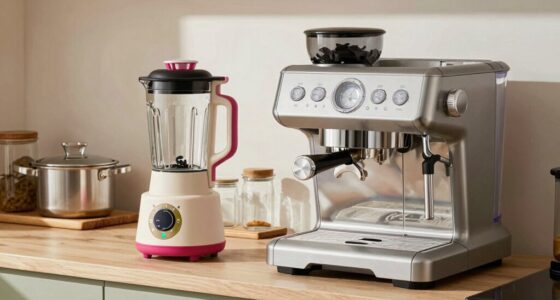

To understand appliance spec sheets, focus on key details like energy efficiency ratings, annual energy costs, and technical specs such as dimensions, capacity, and voltage. Ignore marketing buzzwords and look for certifications that show safety and eco-friendliness. Check the brand reputation through warranties and reviews, and guarantee features match your needs. If you keep these tips in mind, you’ll be better equipped to choose the right appliance. Keep exploring to learn more helpful tips.
Key Takeaways
- Focus on objective technical specifications like dimensions, capacity, and energy ratings rather than marketing claims.
- Compare energy efficiency ratings and estimated annual costs to evaluate long-term savings.
- Check for certifications and warranties that indicate quality and safety standards.
- Review size, weight, and compatibility details to ensure the appliance fits your space and infrastructure.
- Use the spec sheet to analyze features critically, avoiding marketing jargon and emphasizing practical relevance.

When shopping for appliances, understanding the spec sheets can feel overwhelming, but mastering them is vital for making informed decisions. These sheets contain the technical details you need to evaluate whether an appliance meets your needs, especially when it comes to energy efficiency and brand reputation. These details tell you how much power the appliance uses and how efficiently it operates. A more energy-efficient model might cost more upfront but can save you money on utility bills over time. Pay attention to the estimated annual energy cost, which is often listed on the spec sheet, to compare different models easily. This figure gives you a clear idea of the ongoing expenses, helping you balance initial purchase price against long-term savings.
Next, consider the brand reputation. The spec sheet may include information about the manufacturer’s warranty, customer support, or certifications that hint at quality and reliability. Well-known brands tend to have more reliable customer service and better build quality, which can influence your satisfaction and the appliance’s lifespan. While brand reputation isn’t always reflected directly on the spec sheet, researching the manufacturer beforehand can save you from choosing a model prone to issues or poor after-sales support. Additionally, understanding how energy efficiency ratings are calculated can help you interpret these figures more accurately and make better comparisons. Familiarity with such metrics can also help you identify models that truly deliver on their energy-saving promises.
Other vital details include the appliance’s dimensions and capacity to guarantee it fits your space and meets your household needs. Look at the technical specifications like voltage, weight, and features—these impact installation and usability. For appliances like refrigerators or washing machines, capacity is essential; knowing the cubic feet or load size helps you pick a model that suits your household size. Moreover, understanding the technical specifications can help you identify appliances that are compatible with your existing setup and avoid surprises during installation. Being aware of these details ensures that your purchase aligns with your home’s infrastructure and your daily routines. Recognizing space requirements early on can prevent the hassle of returns or modifications later.
Lastly, don’t ignore additional features or certifications that might be listed, such as noise levels, smart technology compatibility, or safety standards. These can add value but aren’t always immediately obvious from the marketing claims. Comparing these details across different models allows you to make a choice rooted in facts rather than fancy descriptions. Gaining insight into these additional features or certifications can help you select appliances that provide better user experience and adhere to safety or environmental standards. Understanding the criteria for certifications can further guide you toward environmentally friendly and safe options.
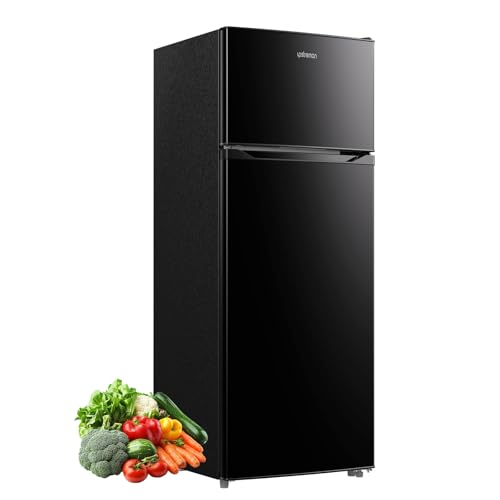
Upstreman 7.7 Cu.Ft. Refrigerator with Freezer Double Door Fridge
- Compact Size with Large Capacity: 21x21x56 inches, 7.7 cu. ft.
- Spacious Freezer and Fridge: 1.5 cu. ft. freezer, 6.2 cu. ft. fridge
- Adjustable Temperature Settings: Range from 28.4°F to 48.2°F and -9.4°F to 14°F
As an affiliate, we earn on qualifying purchases.
As an affiliate, we earn on qualifying purchases.
Frequently Asked Questions
How Do I Compare Specs Across Different Brands Effectively?
To compare specs across brands effectively, focus on key features like energy efficiency, capacity, and dimensions. Check brand reputation for quality and reliability, and read user reviews for real-world performance insights. Don’t get swayed by marketing jargon—directly compare the specifications listed. This approach helps you make an informed choice based on factual data and experiences, ensuring you select an appliance that truly meets your needs.
What Should I Prioritize in a Spec Sheet for Energy Efficiency?
You should prioritize energy consumption and efficiency ratings on the spec sheet. Look for models with lower energy consumption figures—measured in kilowatt-hours (kWh)—to save on utility bills. Check efficiency ratings like ENERGY STAR certification, which indicates the appliance meets high energy efficiency standards. These details help you find appliances that are cost-effective and environmentally friendly, ensuring you choose a product that performs well without wasting energy.
Are Higher Wattage Appliances Always Better?
Higher wattage appliances aren’t always better, as they often use more energy and might cost more to operate, regardless of their energy ratings. Instead, look for appliances with good energy ratings, which indicate efficiency, and consider the brand reputation for durability and support. A lower wattage appliance with a solid energy rating can perform just as well, saving you money and energy in the long run.
How Important Are Warranty Details on Spec Sheets?
Warranty details matter more than you might think; studies show only 60% of consumers review warranty info thoroughly. They provide clarity on parts and labor coverage, saving you unexpected costs. When reading spec sheets, prioritize warranty importance and specification clarity. A clear warranty indicates manufacturer confidence, while vague terms could hide future expenses. Don’t overlook these details—they’re essential for making informed, cost-effective appliance choices.
Can I Rely Solely on Spec Sheets for Appliance Performance?
You shouldn’t rely solely on spec sheets for appliance performance because they often highlight ideal conditions and may not reflect real-world use. Instead, consider the brand reputation and customer reviews to get a clearer picture of how the appliance performs over time. These sources provide practical insights that specs alone can’t offer, helping you make a more informed decision and avoid surprises after your purchase.

Auertech 35 lbs Washing Machine, Fully Automatic Portable Washer with LED Display, 12 Wash Cycles, 8 Water Levels, Large Capacity Washer and Spin Dryer Combo with Drain Pump for Apartment, Home
- Large Capacity for Family Laundry: Handles loads for 3-6 people
- Multiple Wash Cycles & Water Levels: 12 wash cycles and 8 water levels
- Powerful 420W Motor: Deep cleaning with high-speed spin
As an affiliate, we earn on qualifying purchases.
As an affiliate, we earn on qualifying purchases.
Conclusion
By mastering how to read appliance spec sheets, you can confidently choose the right appliances without falling for marketing tricks. Remember, the average household spends over $2,000 annually on energy bills—so understanding efficiency ratings can save you a lot in the long run. When you decode those specs, you’re not just making smarter purchases; you’re also helping your wallet and the environment. Take control, and turn specs into savings!
As an affiliate, we earn on qualifying purchases.
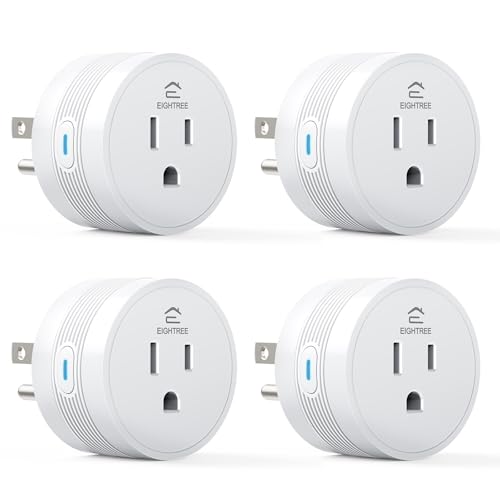
EIGHTREE 15A Smart Plug, Wi-Fi & Bluetooth Smart Outlet for High-Power Home Appliances, Works with Alexa & Google Home, Easy Setup, Timer & Remote Control, FCC & ETL Certified, 2.4GHz Wi-Fi Only
- High-Load Capacity: Supports devices up to 15A
- Easy Bluetooth & Wi-Fi Setup: Quick connection without hub
- Voice Control Compatibility: Works with Alexa & Google Home
As an affiliate, we earn on qualifying purchases.
As an affiliate, we earn on qualifying purchases.