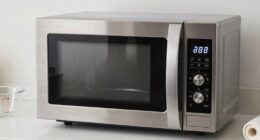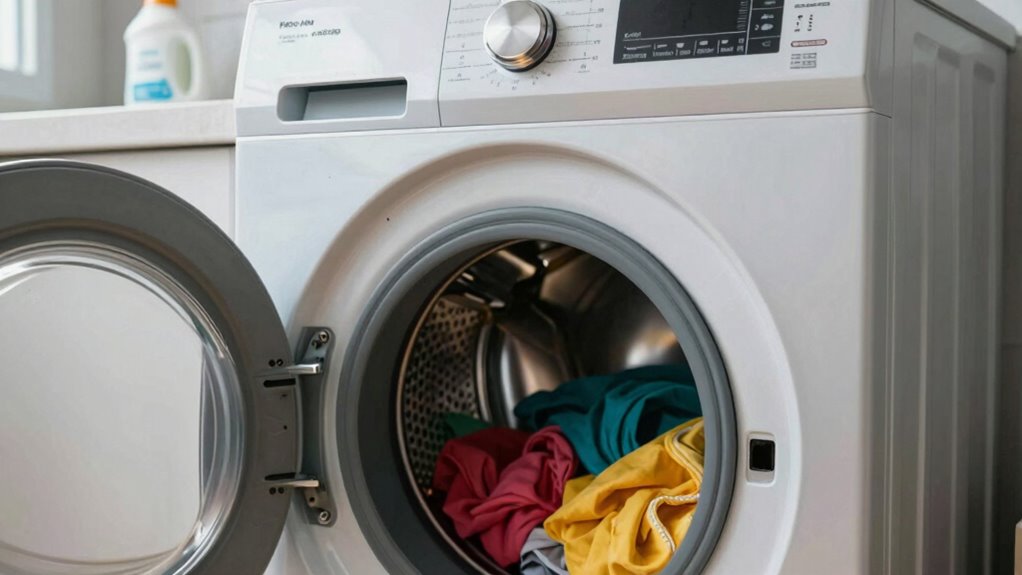

Some appliances run louder than expected because of aging insulation, worn mechanical parts, or lack of maintenance. If your appliance is older, it may naturally produce more noise due to deteriorated soundproofing or loose components. Normal operation often involves consistent sounds, but a sudden increase or unusual noise signals issues like worn belts or bearings. Understanding what’s typical helps you decide if maintenance or soundproofing could make a difference—if you want to discover more, keep exploring.
Key Takeaways
- Poor sound insulation or damaged panels can amplify appliance noise beyond normal levels.
- Worn belts, bearings, or motors cause increased noise during operation.
- Sudden or unusually loud sounds often indicate mechanical issues or insulation deterioration.
- Regular maintenance, including cleaning and tightening parts, keeps appliances operating quietly.
- Some noise during normal operation is expected depending on appliance type and design.
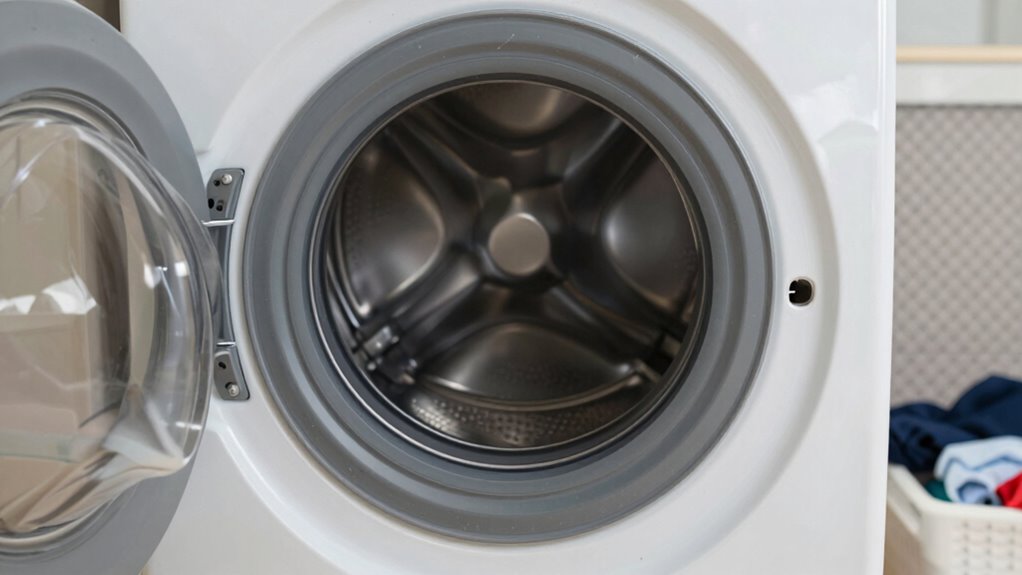
Have you ever wondered why your appliances sometimes sound louder than usual? It can be pretty unsettling, especially when you’re trying to enjoy a quiet home. Often, the noise level isn’t just random; it’s linked to how well your appliances are insulated against sound and whether they’re properly maintained. Understanding these factors can help you determine when a loud appliance is normal and when it signals a problem.
Sound insulation plays an important role in how loud an appliance seems. If your washer or dishwasher isn’t well insulated, vibrations and mechanical noises can echo through the cabinets and walls, amplifying the sound. Modern appliances often come with soundproofing features to minimize noise, but older models might lack effective insulation. If you notice that your appliance suddenly becomes louder, it could be that the insulation has deteriorated or shifted, allowing more noise to escape. Improving sound insulation—like adding mats or panels around noisy appliances—can considerably reduce the perceived loudness and make your home more comfortable. Additionally, soundproofing techniques can be employed to further reduce noise from appliances that are prone to louder operation.
Poor insulation can cause appliances to sound louder by amplifying vibrations and mechanical noises.
Apart from sound insulation, appliance maintenance is vital. Over time, components like belts, bearings, or motors can wear out or loosen, resulting in louder operation. For example, a washing machine with worn-out drum bearings might make pounding sounds during cycles, or a refrigerator with a failing fan motor could produce more noise than usual. Regularly inspecting and maintaining your appliances helps keep them running smoothly and quietly. Cleaning filters, tightening loose parts, and lubricating moving components can prevent many noise issues. Ignoring maintenance not only leads to louder operation but can also cause appliances to work harder than they should, increasing the risk of breakdowns. Furthermore, proper maintenance ensures your appliances operate efficiently and quietly over time. Understanding the sound insulation and maintenance needs of your appliances can help you identify when noise is a normal part of operation and when it indicates a potential issue.

Dynamat Xtreme Architectural Utility Pak 24 – Sound Deadener Sheets – Soundproofing Material for Home – Noise Insulator and Vibration Control – Noise Barrier for Home Appliances – Made in USA
Reduces Unwanted Noise, Heat & Vibration: Dynamat Xtreme reduces unwanted noise produced by vibrating sheet metal in dishwashers,…
As an affiliate, we earn on qualifying purchases.
As an affiliate, we earn on qualifying purchases.
Frequently Asked Questions
Can Loud Appliances Indicate a Safety Hazard?
Loud appliances can sometimes indicate a safety hazard, especially if unusual vibrations cause excessive noise. Vibration causes parts to loosen or wear out, which might lead to damage or electrical issues. Poor sound insulation can amplify these sounds, making the appliance seem louder. If your appliance suddenly becomes much louder or vibrates intensely, it’s wise to turn it off and consult a professional to prevent potential safety risks.
Do Appliance Noises Vary by Brand or Model?
Yes, appliance noises can vary by brand and model due to differences in design, motor strength, and insulation. Brand consistency often influences how loud a device is, as manufacturers aim for specific sound levels. Model variations also play a role, with newer models usually being quieter thanks to improved technology. So, when choosing appliances, consider these factors, especially if noise levels impact your comfort or convenience.
How Often Should I Service Noisy Appliances?
You should service noisy appliances at least once a year to maintain their performance and address any issues causing excessive noise. Regular maintenance routines help detect worn parts or loose components early, reducing noise and preventing breakdowns. Incorporate noise mitigation strategies, like tightening fittings or replacing worn bearings, during servicing. If the noise persists or worsens, consider professional inspection to guarantee everything functions smoothly and safely.
Are Louder Appliances Less Energy-Efficient?
Louder appliances aren’t necessarily less energy-efficient, but higher noise levels can sometimes indicate underlying issues, like worn components or motor strain, which might impact efficiency. If your appliance runs louder than usual, it could be using more energy to compensate for these problems. Regular maintenance helps guarantee noise levels stay normal and efficiency isn’t compromised, so keep an ear out for unusual sounds and address them promptly.
What Are Signs of Imminent Appliance Failure?
You’ll notice odd vibrations or strange noises, which signal impending failure. Vibration analysis helps pinpoint issues before breakdowns happen, while neglected lubrication needs can cause parts to grind and overheat. If your appliance suddenly feels shaky or sounds louder despite normal use, it’s time to check these signs. Ignoring them risks costly repairs or complete failure. Regular maintenance, including lubrication and vibration checks, keeps your appliances running smoothly longer.

Funmit W10435302 & W10447783 Washer Bearing Tool Kit and Tub Seal Replacement for Whirlpool Cabrio and Maytag Bravos XL Washers, Repair Noisy, Shaking, Leaking, UL/OL Error Issues
Prefect Compatibility – Our W10435302 bearing kit perfectly fit for Whirlpool Cabrio, Kenmore Oasis and Maytag Bravos XL…
As an affiliate, we earn on qualifying purchases.
As an affiliate, we earn on qualifying purchases.
Conclusion
Understanding why your appliances run louder can help you spot when something’s truly wrong. Remember, occasional louder operation is often normal—like a dishwasher during a heavy cycle. Notably, studies show that appliances can be up to 20% louder during peak loads, which is expected. So, if your washer or fridge sounds louder than usual, it might just be working harder, not necessarily malfunctioning. Keep an ear out, and you’ll better know when to call for repairs.

GE Appliances Refrigerator Evaporator Fan Motor WR60X26866, WR60X26033
This evaporator fan motor (part number WR60X26866) is for refrigerators.
As an affiliate, we earn on qualifying purchases.
As an affiliate, we earn on qualifying purchases.
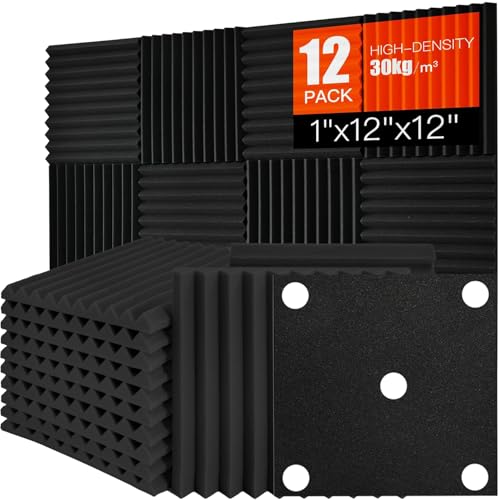
Saiqiang Acoustic Foam Panels Sound Absorbing 12 Pack – 1" X 12"X 12" Sound Proof Panels Noise Reducing for Walls, High Density Sound Deadening Panels Black Wedge for Studio Recording & Office & Home
High Density Acoustic Foam -Crafted from premium high-density polyurethane foam with a density of 30 kg/m³, these panels…
As an affiliate, we earn on qualifying purchases.
As an affiliate, we earn on qualifying purchases.