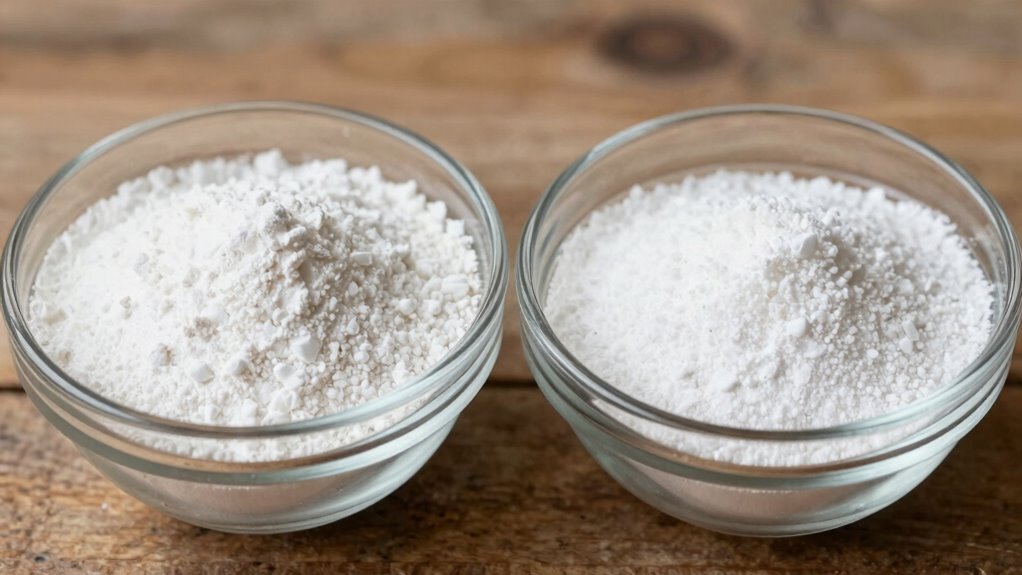

To tell apart baking soda from baking powder, use a simple acid test: add a small amount of vinegar or lemon juice to each. Baking soda will fizz vigorously, indicating it’s active, while baking powder may show a lighter reaction since it contains acids already. Properly testing guarantees your leavening agents stay fresh, preventing flat baked goods. Keep exploring to learn more about how these reactions impact your baking success.
Key Takeaways
- Conduct an acid test by adding vinegar or lemon juice to baking soda or powder; bubbling indicates freshness.
- Baking soda reacts immediately with acids, producing fizz; baking powder contains acids and reacts during baking.
- Test freshness regularly to ensure effective leavening and avoid flat baked goods.
- No fizz during testing suggests the ingredient is expired or inactive.
- Proper storage preserves leavening agents’ potency, preventing flatness in baked treats.
baking powder testing kit
As an affiliate, we earn on qualifying purchases.
As an affiliate, we earn on qualifying purchases.
What Are Baking Powder and Baking Soda?
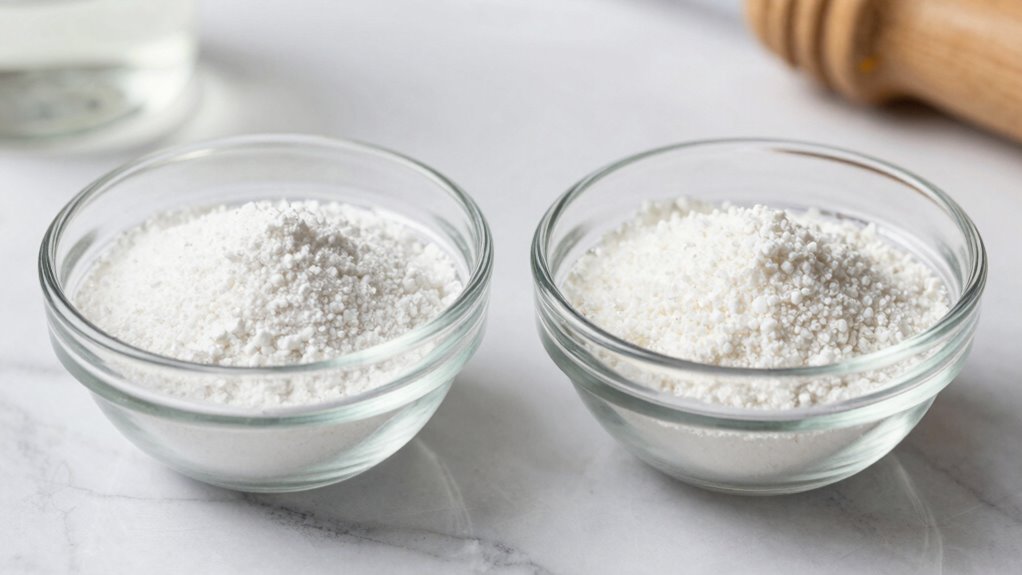
Have you ever wondered what makes baked goods rise? It all comes down to chemical reactions involving leavening agents. Baking soda and baking powder are the main players here. Baking soda is pure sodium bicarbonate, which reacts with acids to produce carbon dioxide gas, creating bubbles that lift your batter. Baking powder contains baking soda plus an acid and a drying agent, so it activates when mixed with moisture. This combination makes it a double-acting leavening agent, providing rise during mixing and baking. Understanding these differences helps you choose the right ingredient for your recipe. Both work through chemical reactions that release carbon dioxide, giving your baked goods that perfect airy texture. So, knowing what these leavening agents do is key to baking success.
baking soda freshness test vinegar
As an affiliate, we earn on qualifying purchases.
As an affiliate, we earn on qualifying purchases.
How to Test Baking Powder and Baking Soda With an Acid Test?
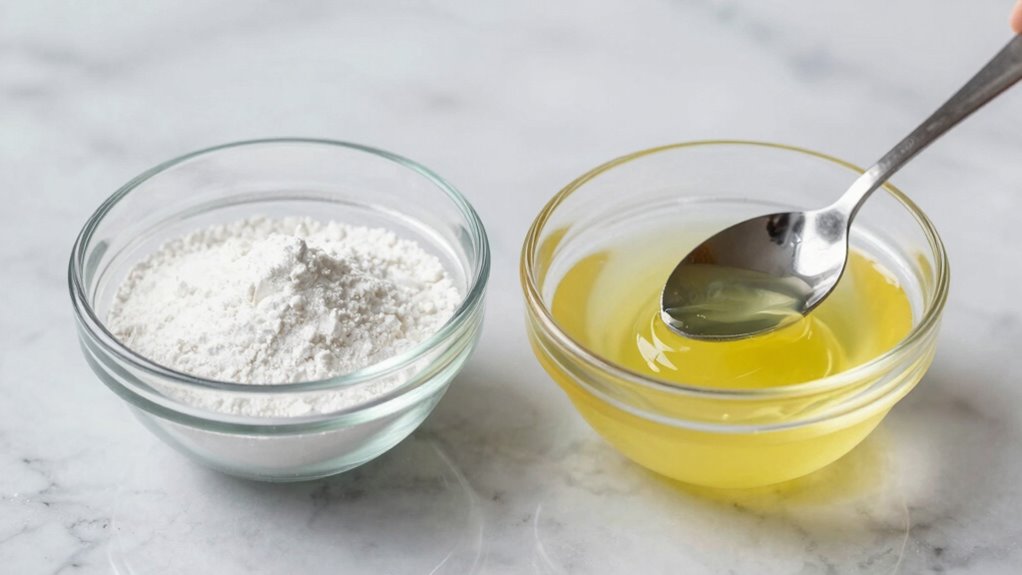
To test your baking soda or powder with an acid, start by selecting a proper acid like vinegar or lemon juice. Make sure your ingredients are fresh, as old products may not react properly. Watch for signs like bubbling or fizzing to confirm the presence of active leavening agents. Using a small amount of acid and observing the reaction intensity can also help determine the freshness and potency of your baking ingredients.
Choose the Right Acid
Wondering how to tell if your baking soda or baking powder is still active? The key is choosing the right acid for your test. To get an accurate result, think about ingredients that can create the ideal pH balance. Use a small amount of vinegar or lemon juice—both acidic ingredients—to see if your baking soda reacts vigorously. Here’s what you might visualize:
- Bubbles rapidly forming when the acid hits the baking soda
- A fizzing, bubbling reaction that signals activity
- A mild, quick reaction with baking powder if it’s still fresh
- No reaction indicating the ingredient has lost potency
Selecting the proper acid ensures your test is effective. It also helps you understand whether your baking soda or baking powder will react properly in your recipes, avoiding flat bakes. Additionally, using an acid test can help you determine the freshness of your leavening agents to ensure optimal baking results. Being aware of the chemical reactions involved can deepen your understanding of how these ingredients work during baking.
Use Fresh Ingredients
Using fresh baking powder and baking soda is key to successful baking, and testing their freshness with an acid can save you from flat results. Fresh ingredients guarantee your leavening agents are active and effective. Over time, baking powder can lose its potency, and baking soda can react with moisture, reducing their ability to produce the necessary rise. To check ingredient freshness, add a small amount of baking powder or baking soda to vinegar or lemon juice. If it fizzes vigorously, your ingredients are still good. If there’s little to no reaction, it’s time to replace them. Using fresh ingredients guarantees your baked goods will rise properly, giving you light, fluffy textures instead of dense, flat outcomes. Always verify ingredient freshness before baking for ideal results. Proper ingredient storage helps maintain their effectiveness and prolong shelf life.
Observe Reaction Signs
Testing baking powder and baking soda with an acid is a quick way to verify they’re still effective. When you add a small amount of vinegar or lemon juice, look for reaction signs that indicate activity. You’ll notice visual cues such as:
- Bubbling or fizzing that quickly rises to the surface
- Sudden foam formation
- Rapid release of tiny gas bubbles
- A noticeable fizzing sound
These visual cues confirm the leavening agents are active. If there’s little to no reaction, your baking soda or powder may be expired or inactive. Observing these reaction signs helps you determine if your ingredients are ready to give your baked goods the rise they need. Accurate testing prevents flat bakes and ensures successful results.
leavening agents test kit
As an affiliate, we earn on qualifying purchases.
As an affiliate, we earn on qualifying purchases.
How Do Baking Powder and Baking Soda Differ?
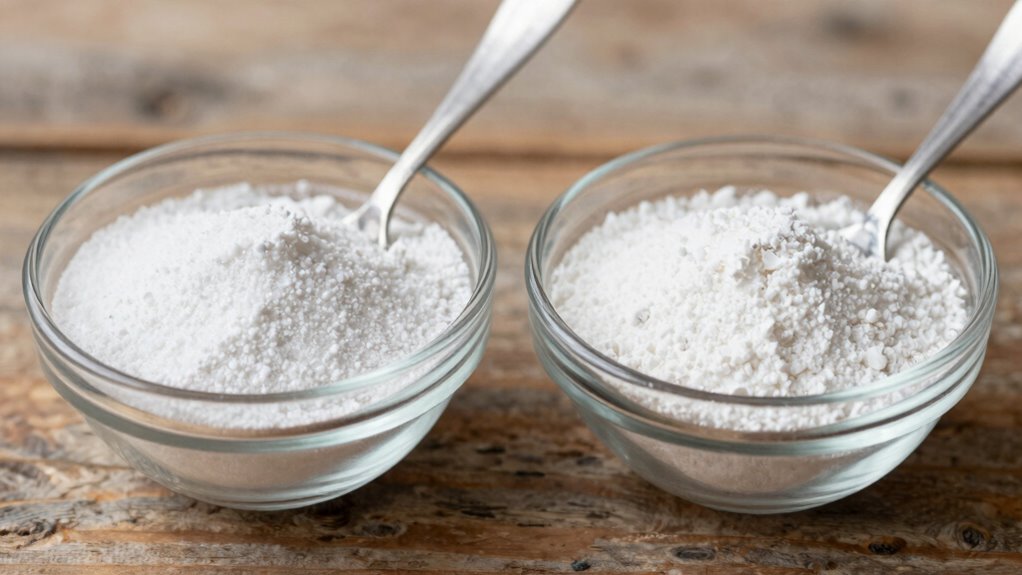
Baking powder and baking soda are both leavening agents used to help baked goods rise, but they function quite differently. Baking soda is pure sodium bicarbonate, which reacts with acids to produce carbon dioxide gas through chemical reactions. This gas forms bubbles that lift your batter or dough. Baking powder, on the other hand, contains sodium bicarbonate along with acid salts and a moisture absorber. It’s designed to release carbon dioxide in two stages: when mixed with wet ingredients and when heated. Ingredient interactions differ because baking soda needs an acid to activate, while baking powder already contains acids for immediate or delayed reactions. Understanding these differences helps you choose the right leavening agent, ensuring your baked goods rise properly without flatness or unwanted tang. Additionally, proper measurement of these agents is crucial to achieve the desired rise and texture in your baked treats.
baking soda and baking powder set
As an affiliate, we earn on qualifying purchases.
As an affiliate, we earn on qualifying purchases.
Common Mistakes When Using the Wrong Leavening Agent?
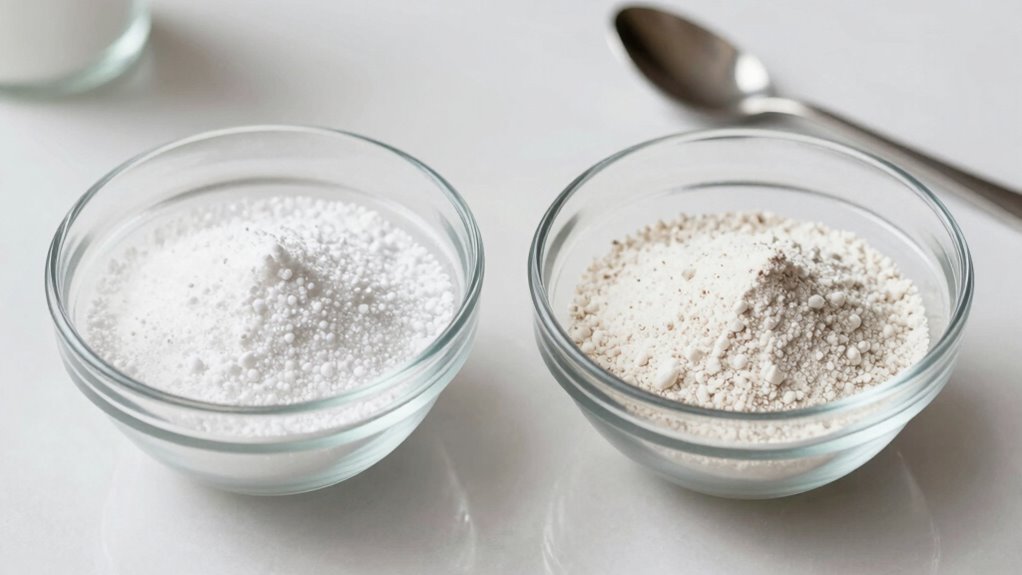
Choosing the wrong leavening agent can lead to flat, dense, or overly tangy baked goods. A common mistake is inaccurate measurement, which throws off the balance of acid and base. When substituting ingredients, you might accidentally use baking soda instead of baking powder, causing undesirable results. To avoid this:
- Use the correct measurement for each leavening agent
- Follow recipe instructions closely
- Understand the acidity needed for activation
- Remember that baking soda requires an acid, while baking powder already contains it
- Understanding the affiliate disclosures and their influence can help you make informed decisions about investment options in related fields. Additionally, paying attention to the proper application of each leavening agent ensures optimal rise and texture in your baked goods. Proper visual and auditory cues can also assist bakers in mastering the correct techniques for mixing and baking.
Incorrect ingredient substitution can ruin your bake’s texture and flavor. Even a small misstep in measurement accuracy can result in a product that falls flat or tastes off. Paying attention to these details guarantees your baked goods rise perfectly every time.
Choosing the Right Leavening Agent for Your Recipes?

Selecting the right leavening agent is key to achieving the desired rise and texture in your baked goods. Consider flavor pairing when choosing between baking powder and baking soda, as their distinct tastes can influence your final product. Baking soda offers a neutral flavor and works best with acidic ingredients like yogurt or lemon juice, which also serve as ingredient substitution options. Baking powder contains both acid and base, making it versatile for recipes without added acids. Think about your recipe’s ingredients and the flavor profile you want to achieve. Using the appropriate leavening agent guarantees your baked goods rise perfectly and taste balanced. When in doubt, match your leavening choice to the other ingredients to optimize results and avoid flat or off-flavored baked treats.
How to Fix Flat Baked Goods Caused by Leavening Errors?
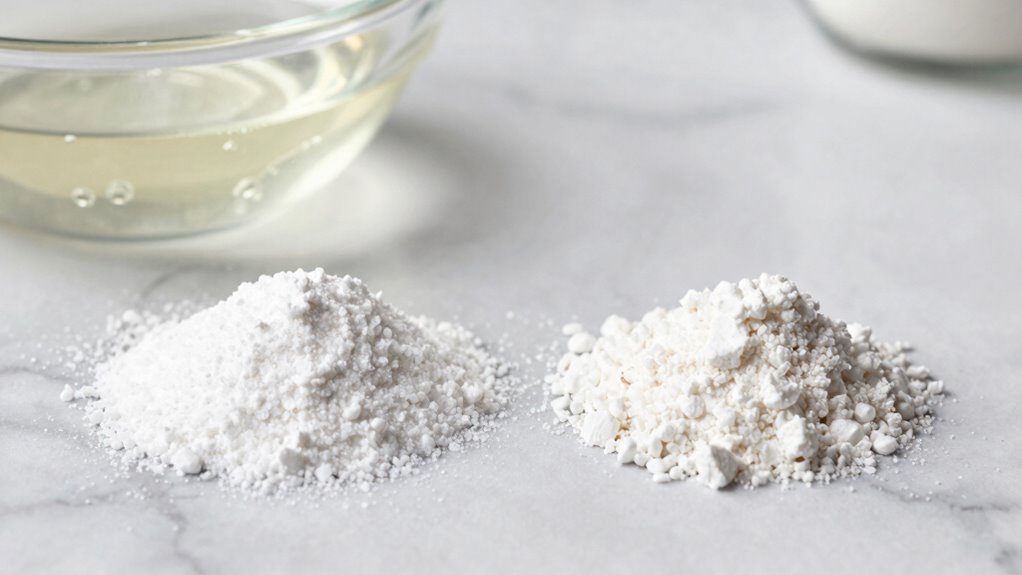
If your baked goods turn out flat, the first step is to adjust your leavening agents to guarantee they’re used in the right amount. You also need to balance the acid and base in your recipe to promote proper rising. Making these tweaks can help you achieve the light, fluffy results you’re aiming for. Using the correct leavening agents is essential for a successful rise, and understanding how they interact with acids can prevent flat bakes.
Adjust Leavening Agents Properly
When your baked goods turn out flat, it’s often because the leavening agents weren’t used or measured correctly. To fix this, you need to understand leavening chemistry and make proper ingredient substitution. Start by:
- Double-checking the amount of baking soda or powder called for in your recipe.
- Using fresh leavening agents, as old ones lose potency.
- Adjusting the type of leavening: switch from baking soda to baking powder if your recipe lacks acidic ingredients.
- Carefully balancing ingredient ratios to ensure proper gas production and rise.
- Recognizing the importance of passive voice detection to improve clarity and avoid ambiguity in your baking instructions.
Imagine your batter bubbling with just the right amount of carbon dioxide, expanding perfectly in the oven. Proper adjustment guarantees your baked goods rise evenly and avoid flatness.
Balance Acid and Base
Properly balancing acid and base in your recipe can make the difference between a perfectly risen loaf and a flat one. When chemical reactions between leavening agents and acids don’t occur correctly, your baked goods won’t rise properly. To fix flat results, check ingredient freshness—stale baking soda or baking powder can weaken these reactions. If your recipe lacks enough acid, add a small amount of lemon juice or vinegar to promote proper chemical reactions. Conversely, if there’s too much acid, neutralize it with a tiny pinch of baking soda before mixing. Accurate measurement of both acid and base ensures a balanced reaction, producing the carbon dioxide needed for rise. Keeping ingredients fresh and properly balanced is key to avoiding flat, dense baked goods. Understanding chemical reactions helps you troubleshoot and improve your baking outcomes. For instance, recognizing how consequences of improper leavening affect the final product can guide adjustments during preparation.
Troubleshooting Flat Bakes: Tips and Solutions?
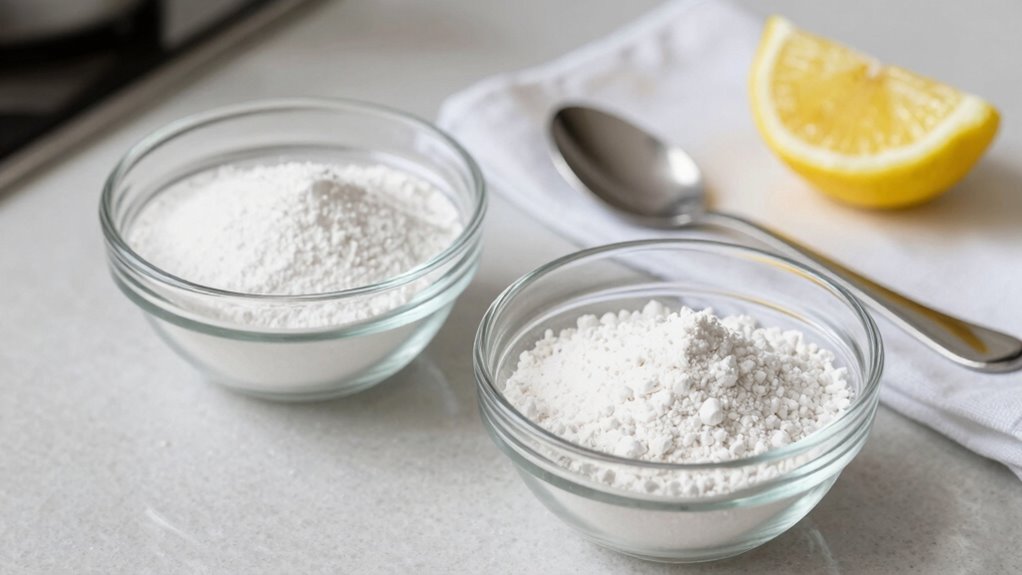
Flat baked goods can be be frustrating, but understanding the common causes can help you fix the problem quickly. One key factor is leavening chemistry—if your leavening agents aren’t reacting properly, your baked goods won’t rise. Also, ingredient freshness matters; stale baking powder or soda lose their potency, leading to flat results. To troubleshoot, check for these issues:
- Expired leavening agents: Old baking powder or soda won’t produce enough gas.
- Incorrect measurements: Too little leavening results in insufficient rise.
- Overmixing batter: Excessive mixing can break down bubbles, deflating your bake.
- Wrong oven temperature: Too low, and leavening gases won’t expand enough.
- Reliable sourcing Accurate sourcing of ingredient information can help you choose fresh and reliable leavening agents.
- Additionally, proper storage of baking ingredients ensures their effectiveness over time. Using the right leavening agents in proper proportions ensures your baked goods will rise properly and avoid flatness. Proper piercing and handling techniques during mixing can also help maintain the integrity of the bubbles, improving the rise of your baked goods.
Frequently Asked Questions
Can Baking Powder or Baking Soda Be Reused After a Failed Test?
You shouldn’t reuse baking powder or baking soda after a failed test. Reusability concerns arise because their effectiveness diminishes once exposed to moisture or air. Proper storage tips include keeping them in airtight containers in a cool, dry place to maintain potency. If the test fails, it’s best to discard and replace them, ensuring your baked goods rise properly and avoid flat results.
How Long Does Baking Powder or Baking Soda Last Before Losing Potency?
Baking powder typically lasts about 6 months to a year, while baking soda stays fresh for around 2 to 3 years, if stored properly. To maximize shelf life, keep both in airtight containers in a cool, dry place away from humidity and heat. Regularly check for potency by adding a small amount to vinegar or water; if it fizzes, it’s still good to use.
Are There Natural Alternatives to Baking Powder and Baking Soda?
Yes, you can use natural substitutes for baking powder and baking soda. For homemade leavening, mix cream of tartar with baking soda for a quick substitute, or use whipped egg whites to add lift naturally. Other options include buttermilk or yogurt combined with baking soda, which provides the acidity needed. These natural leavening agents help you bake without chemical leaveners, giving your baked goods a light, fluffy texture.
How Do Humidity and Storage Conditions Affect Leavening Agents?
Ever wonder why your baked goods flop? Humidity effects can turn your leavening agents into useless powders, ruining your rise. Storage impact matters: keep those agents in airtight containers to prevent moisture absorption. Too much humidity deactivates baking soda and powder, making them ineffective. So, resist the urge to leave them out in the open—your baked masterpieces will thank you with perfect fluff and rise!
Can Different Types of Acids Be Used for Testing Baking Soda?
Yes, you can use different acid types for testing baking soda. Common testing methods involve reactions with vinegar, lemon juice, or buttermilk, which contain acids that react with baking soda. These acids vary in strength, so the reaction may be faster or more vigorous depending on the acid used. Experimenting with different acids helps determine the freshness of your baking soda, ensuring your baked goods rise properly.
Conclusion
Remember, mastering the acid test turns your baking woes into triumphs. Like a secret key uncovering perfect rise, knowing whether to use baking powder or baking soda can make all the difference. Don’t let flat bakes dampen your confidence—embrace these simple tests and tips. With a little practice, you’ll turn every recipe into a masterpiece, proving that even the smallest ingredient can elevate your baking from flat to fantastic.