
Many believe that all ingredients must be at room temperature for perfect baked goods, but that’s only true during specific steps like creaming butter and sugar or whipping egg whites, where temperature affects texture and chemical reactions. For most other ingredients, it’s less critical. If you skip the ‘room temperature’ step, expect lumps, uneven textures, or dense results. Want to know exactly when temperature really matters? Keep going to find out more.

Get kitchen staples and gadgets delivered free with Prime
- Fast, free delivery on millions of items
- Prime Video, Amazon Music and more included
- Member-only deals all year
Key Takeaways
- Many baking myths overemphasize room temperature, but it’s mainly critical during creaming and whipping stages.
- Cold ingredients can cause textures to be uneven, but not all recipes require room temperature for success.
- Properly softened butter and eggs improve mixing, but over-softening can negatively affect baked goods.
- The importance of room temperature varies by recipe; not every ingredient needs to be warm for optimal results.
- Skipping the step may lead to lumps or poor texture, but understanding when it matters prevents unnecessary delays.
As an affiliate, we earn on qualifying purchases.
What Does “Room Temperature” Really Mean in Cooking?
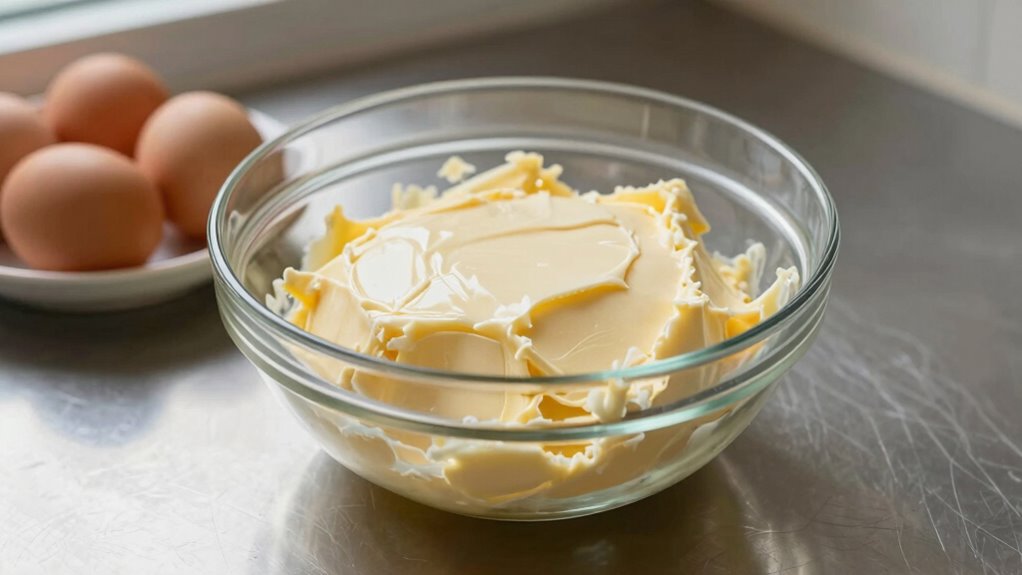
Understanding what “room temperature” really means in cooking is essential because it influences how ingredients behave and how recipes turn out. When ingredients are stored at room temperature, typically around 68-72°F, they soften and become more pliable, which improves ingredient integration. This temperature range ensures ingredients like butter and eggs reach the ideal softness needed for smooth mixing. This allows for better emulsification, resulting in a more cohesive batter. For example, butter and eggs at room temperature blend more smoothly, leading to better batter consistency. This uniformity enhances flavor development, as ingredients meld more effectively during cooking or baking. Proper ingredient storage guarantees they reach the right temperature, preventing issues like clumping or inconsistent textures. Recognizing the importance of ingredient temperature helps you control the process, resulting in more reliable results and richer flavors. Additionally, understanding proper storage techniques ensures ingredients maintain their quality and safety before use. Being aware of ingredient temperature can also help you avoid over-softening or spoilage, which could ruin your dish. Knowing how to correctly gauge and maintain the right temperature allows for more precise culinary control and consistently excellent results. Ultimately, understanding “room temperature” allows you to optimize ingredient behavior for perfect culinary outcomes.
As an affiliate, we earn on qualifying purchases.
Common Myths About Ingredient Temperatures in Baking and Cooking
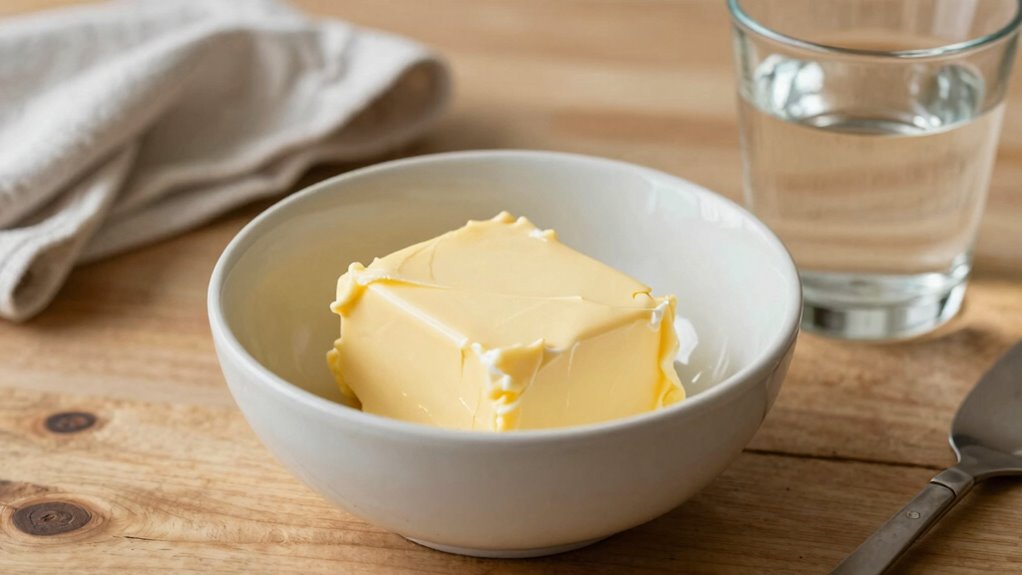
Many common beliefs about ingredient temperatures in baking and cooking are actually myths that can lead to inconsistent results. Ingredient misconceptions often make people think that ingredients must be perfectly “room temperature” or cold, but in reality, small temperature differences rarely matter unless precision is critical. Here are some myths to bust:
- Butter must always be softened to room temperature for baking.
- Eggs need to be at room temperature before beating.
- Milk or liquids should be warmed for better mixing.
- Cold ingredients will ruin a recipe.
Additionally, energy-efficient cloud solutions can help reduce overall environmental impact during food production and processing. Understanding when temperature precision truly impacts your cooking helps you avoid unnecessary steps and achieve more consistent results. Not every ingredient needs to be at a specific temperature; knowing which ones do can save time and improve your baking confidence. For example, ingredient temperature is often overemphasized, leading to unnecessary delays in the kitchen.
As an affiliate, we earn on qualifying purchases.
When Does Temperature Really Make a Difference in Recipes?
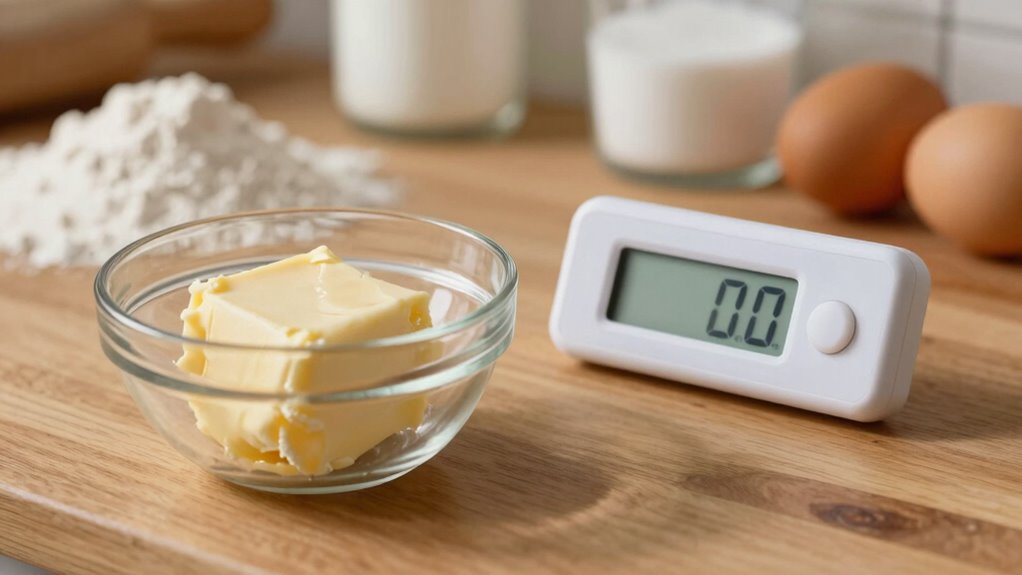
Temperature really matters in certain parts of a recipe, especially when precision affects the final outcome. When ingredient consistency is crucial—like creaming butter and sugar or whipping egg whites—using the right temperature ensures proper incorporation and texture. Similarly, flavor development can hinge on temperature control; for example, caramelizing sugars or blooming spices requires specific heat levels to reveal full aromas and tastes. When ingredients are too cold or too warm, it can compromise the structural integrity of baked goods or alter the intended flavor profile. In these cases, temperature isn’t just a matter of convenience but a key factor in achieving the desired results. Proper paint thinning is essential for optimal spray performance, as improper dilution can lead to issues with consistency and finish quality. Knowing when temperature makes a difference helps you fine-tune your approach for better, more reliable cooking and baking.
As an affiliate, we earn on qualifying purchases.
How to Achieve the Perfect ‘Room Temperature’ for Different Ingredients
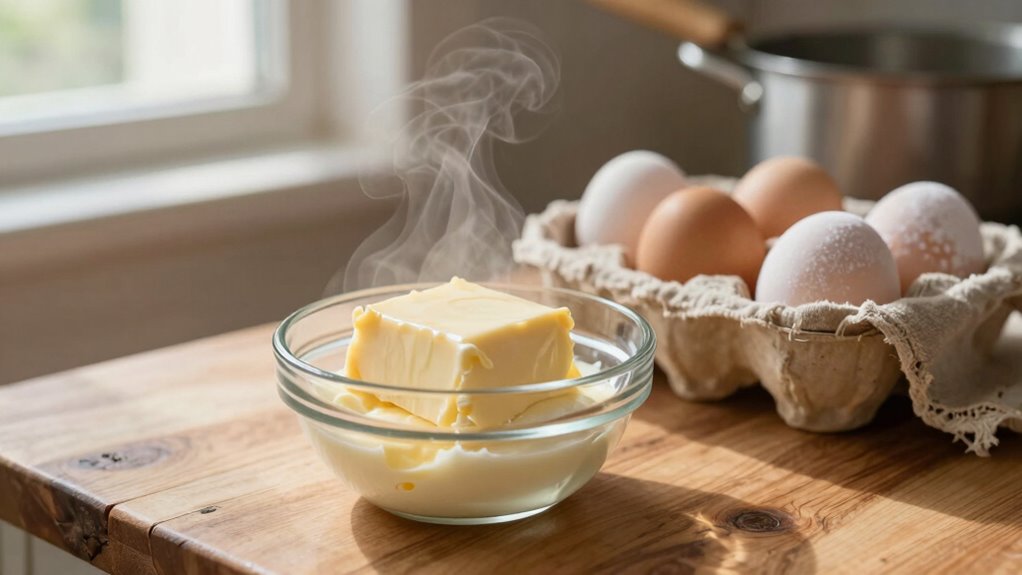
Reaching the right ‘room temperature’ for your ingredients can make a noticeable difference in your baking and cooking. Proper temperature control helps improve ingredient consistency, ensuring even mixing and better texture. To achieve this, plan ahead:
Getting ingredients to room temperature ensures better mixing and improved baking results.
- Take eggs out about 30 minutes before use.
- Let butter soften at room temperature for 20-30 minutes.
- Allow dairy products to sit out until they feel soft but not melted.
- For liquids like milk or water, gently warm if needed, but avoid overheating.
Troubleshooting: What Happens When You Skip the ‘Room Temperature’ Step
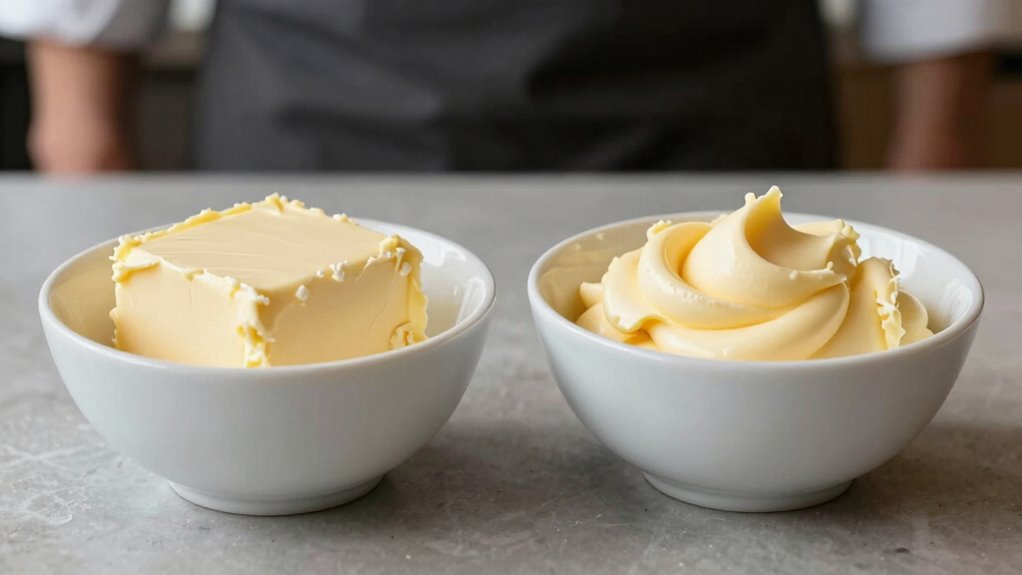
Skipping the step of bringing ingredients to room temperature can cause noticeable issues in your baking and cooking. When ingredients aren’t at the right temperature, their consistency can be affected, making batters and doughs harder to mix smoothly. Cold butter or eggs can create lumps or uneven textures, which hampers ingredient integration. Additionally, flavor development may suffer because ingredients won’t meld as effectively. For example, cold butter won’t cream properly with sugar, resulting in a less tender crumb and compromised taste. This can lead to baked goods that are dense or unevenly flavored. Moreover, ingredient temperature plays a crucial role in ensuring proper chemical reactions during baking, which affects the final texture and rise of your baked goods. Properly measuring ingredients at the right temperature can make a significant difference in the outcome. When ingredients are at the correct temperature, they also facilitate better emulsification, resulting in more stable and consistent batters. Achieving the right temperature can also prevent ingredient separation during mixing, leading to a more uniform mixture. Understanding the importance of ingredient temperature control can help bakers troubleshoot common issues and improve their results. Ultimately, neglecting to bring ingredients to room temperature can undermine the overall quality of your dish, making it less consistent and flavorful than intended.
Frequently Asked Questions
Does “Room Temperature” Vary Depending on Climate or Season?
Yes, “room temperature” can vary depending on climate variations and seasonal differences. You might find that in colder months or cooler climates, room temperature is lower, affecting how ingredients behave. Conversely, in warmer seasons or climates, it’s higher. So, when following recipes, consider these factors to guarantee your ingredients reach the right temperature, especially for baking or cooking delicate items that depend on precise temperature conditions.
How Long Does It Take for Ingredients to Reach Room Temperature?
It usually takes about 30 minutes to an hour for ingredients to reach room temperature, but it can feel like an eternity if you’re rushing! You want perfect ingredient consistency and flawless recipe timing, so don’t skip this step. If you’re in a hurry, gently microwave items like butter or cheese for 10-15 seconds, but remember, patience guarantees your dish turns out just right.
Can Cold Ingredients Be Warmed Quickly Without Losing Quality?
Yes, you can warm cold ingredients quickly without losing quality by following definitive temperature guidelines and using proper ingredient warming techniques. For example, you might microwave butter in short bursts, stirring frequently, or place eggs in warm water for a few minutes. These methods gently bring ingredients to the right temperature, preserving flavor and texture. Just be cautious not to overheat, which can affect the ingredient’s quality.
Is There a Safe Way to Warm Ingredients Faster?
You can warm ingredients quickly and safely by using microwave heating or a water bath. Studies show microwave heating can raise temperatures in seconds, but it risks uneven heat. A water bath provides gentle, consistent warmth, reducing the chance of quality loss. Both methods are effective, but for the best results, monitor the temperature carefully and stir or agitate ingredients to guarantee even heating without overcooking.
How Do I Tell if an Ingredient Has Reached the Right Temperature?
To tell if an ingredient has reached the right temperature, check its visual cues and use a thermometer for accuracy. For example, butter should be soft but not melting, and cheese should feel just pliable. Use your eyes and touch to gauge consistency, but depend on a thermometer for precise ingredient temperature, especially with meats or dairy. This ensures safety and the best cooking results.
Conclusion
Understanding what “room temperature” truly means helps you avoid common baking pitfalls. For example, if you forget to bring butter to room temp, your batter might not mix evenly, resulting in a dense cake. By paying attention to ingredient temps, you guarantee better emulsification and rise. Next time, take a moment to prepare your ingredients—your baked goods will turn out lighter, fluffier, and more delicious every time.
NFL season / tailgating Picks
team gear
As an affiliate, we earn on qualifying purchases.