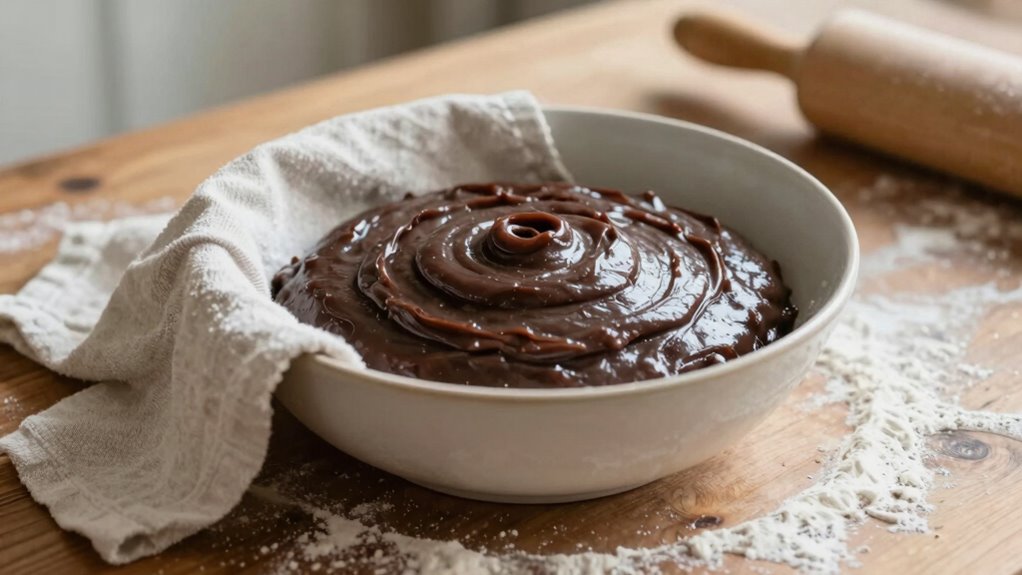

Many home bakers skip the essential resting step, which can ruin your cookies’ texture and flavor. Resting allows the dough to hydrate fully, develop richer flavors, and prevents excessive spreading during baking. It also gives you better control over how your cookies turn out, ensuring they stay thick and chewy rather than flat or crispy. If you want your cookies to truly impress, understanding the benefits of resting is key—you’ll discover how to take your baking to the next level.

Get kitchen staples and gadgets delivered free with Prime
- Fast, free delivery on millions of items
- Prime Video, Amazon Music and more included
- Member-only deals all year
Key Takeaways
- Many home bakers skip resting, missing out on improved dough cohesion and flavor development.
- Skipping resting often leads to cookies that spread too much and lack structure.
- Resting enhances ingredient hydration, resulting in better texture and appearance.
- Without resting, cookies may be overly flat, crispy, or unevenly baked.
- Resting allows for ingredient adjustments and ensures more consistent, attractive results.
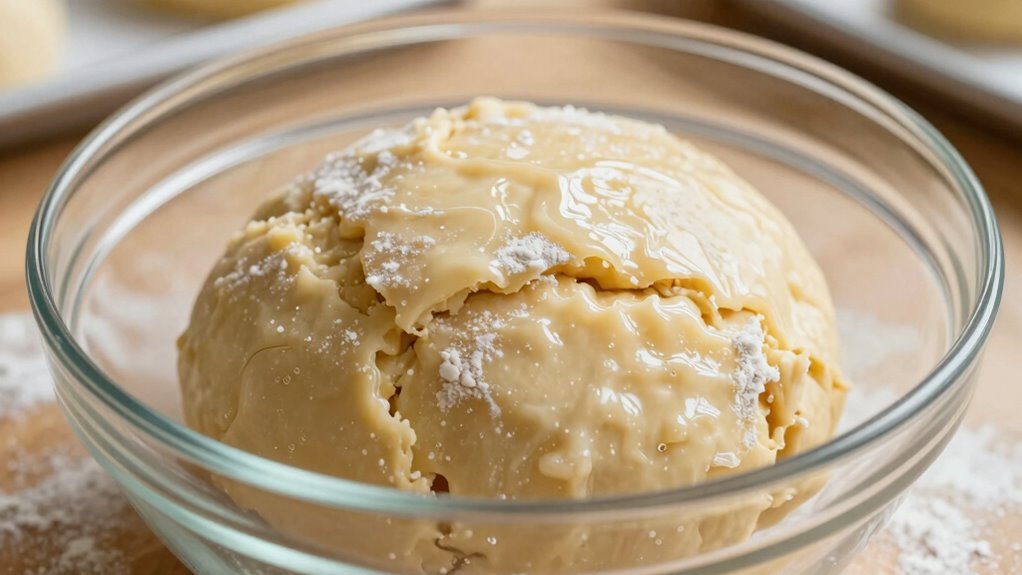
Resting cookie dough is an essential step that many bakers overlook, but it considerably improves the final product. When you take the time to rest your dough, you’re allowing the ingredients to meld and the flavors to develop, resulting in cookies that taste richer and have better texture. One vital aspect of this resting period involves controlling the baking temperature when you eventually bake the cookies. By chilling the dough, you slow down the spread during baking, which helps maintain a desirable thickness and shape. If you skip this step, your cookies might turn out flatter and less structured, even if your oven temperature is perfectly calibrated. Additionally, the resting process allows the flour to hydrate fully, creating a more cohesive dough and resulting in cookies with a better crumb. This hydration process can take anywhere from 30 minutes to several hours, depending on your recipe. The longer the dough rests in the fridge, the more the flavors intensify, and the less likely your cookies will spread excessively in the oven. This is especially important if you’re using ingredients like brown sugar, which benefits from a longer rest to maximize moisture and flavor. Many home bakers skip this step because they’re keen to see their cookies baked or they underestimate its importance. But the truth is, skipping resting can lead to cookies that lack depth in flavor, have uneven spreading, or are too flat and crispy. Properly rested dough allows you to fine-tune your baking temperature by giving you more control over how the cookies develop during baking. Moreover, resting the dough also helps improve ingredient quality by allowing you to assess whether your ingredients are still at their peak. Resting the dough can also help reduce cookie spreading, resulting in a more uniform appearance. In addition, proper resting can help improve the overall texture by allowing gluten development to balance out. This process also enhances the flavor profile of your cookies, making each bite more satisfying. Incorporating a proper resting period also provides an opportunity to adjust your ingredients if needed, ensuring the best possible outcome. Ultimately, taking the extra time to rest your cookie dough ensures a more consistent, flavorful, and visually appealing result—something worth the few extra minutes in your baking routine.
As an affiliate, we earn on qualifying purchases.
Frequently Asked Questions
How Long Should I Let Cookie Dough Rest for Optimal Flavor?
You should let your cookie dough rest for at least 30 minutes to an hour for maximum flavor development and moisture redistribution. During this time, flavors deepen and ingredients meld together, creating a richer taste. Resting also helps improve texture, making your cookies chewier and more uniform. Don’t rush this step — giving your dough proper rest ensures your cookies are more flavorful and have a better overall quality.
Can Skipping the Resting Step Affect Cookie Texture?
Skipping resting ruins your cookie’s texture, no doubt. Resting lets flavors develop and enhances texture by allowing the dough to hydrate fully and the gluten to relax. Without this step, cookies turn out flat, crumbly, or overly chewy—hardly the perfect bite. So, if you want cookies that taste better and feel just right, don’t skip the resting. Your taste buds will thank you for the improved flavor development and texture!
Is Resting Necessary for All Types of Cookie Dough?
Resting isn’t necessary for all cookie dough types, but it’s highly beneficial for flavor development and dough fermentation. When you let the dough rest, you give the flavors time to meld and develop richer, deeper notes. Resting also allows the gluten to relax, resulting in better texture. While some quick recipes skip this step, taking the time to rest your dough generally improves both flavor and texture, making your cookies even better.
Does Resting Dough Improve Cookie Dough Handling?
Resting cookie dough definitely improves handling by increasing dough elasticity, making it easier to shape and less sticky. Plus, resting allows flavors to develop fully, resulting in richer, more complex cookies. When you let the dough sit, gluten relaxes, giving you better control and a smoother texture. Skipping this step can lead to tougher cookies and difficulty in shaping, so taking the time to rest your dough is well worth it.
Can I Refrigerate Dough Instead of Resting at Room Temperature?
Think of refrigerating dough as giving it a spa day—it’s just as beneficial. Yes, you can refrigerate instead of resting at room temperature. Refrigeration benefits include firming up the dough and developing flavors. It also helps control dough temperature, making handling easier and cookies more consistent. Just make sure you wrap it tightly so it doesn’t dry out, and give it at least an hour for best results.
reusable cookie dough storage box
As an affiliate, we earn on qualifying purchases.
As an affiliate, we earn on qualifying purchases.
Conclusion
Skipping the resting step isn’t just a small oversight—it’s like leaving a masterpiece unfinished, robbing your cookies of their full potential. When you neglect this essential pause, you’re sacrificing the rich, complex flavors and perfect texture that only time can reveal. Resting transforms your cookie dough from mere ingredients into a symphony of taste and tenderness. So next time, give your dough the respect it deserves—your taste buds will thank you with every heavenly bite.
As an affiliate, we earn on qualifying purchases.
As an affiliate, we earn on qualifying purchases.
NFL season / tailgating Picks
team gear
As an affiliate, we earn on qualifying purchases.