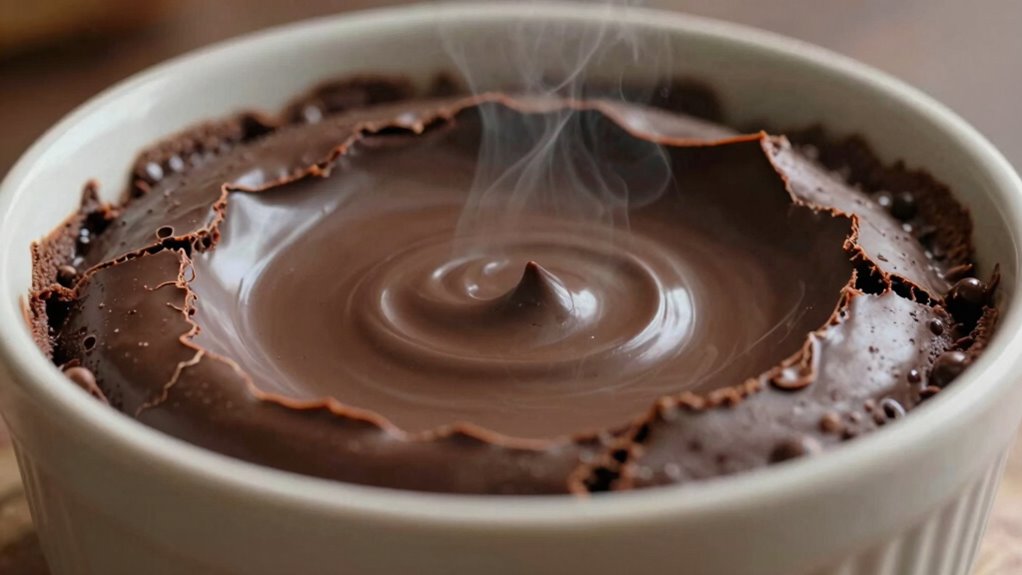

If you overheat chocolate or fruit in the microwave, your soft treats can turn rubbery and lose their smooth, tender texture. Rushing the process or using high power causes fat separation in chocolate and overcooks fruit, leaving them tough or grainy. To avoid this, melt in short bursts and stir frequently, paying close attention to temperature. Keep practicing, and you’ll discover how to master gentle heating for perfect, soft desserts—more tips await you.

Get kitchen staples and gadgets delivered free with Prime
- Fast, free delivery on millions of items
- Prime Video, Amazon Music and more included
- Member-only deals all year
Key Takeaways
- Over-microwaving chocolate causes fat separation, resulting in rubbery or grainy textures.
- Heating fruit too long breaks down sugars, leading to tough, rubbery consistency.
- Using high power settings without short intervals increases risk of overcooking and rubberiness.
- Neglecting frequent stirring during melting or cooking allows uneven heat, causing undesirable textures.
- Rushing the process or ignoring proper timing prevents achieving smooth, tender treats.
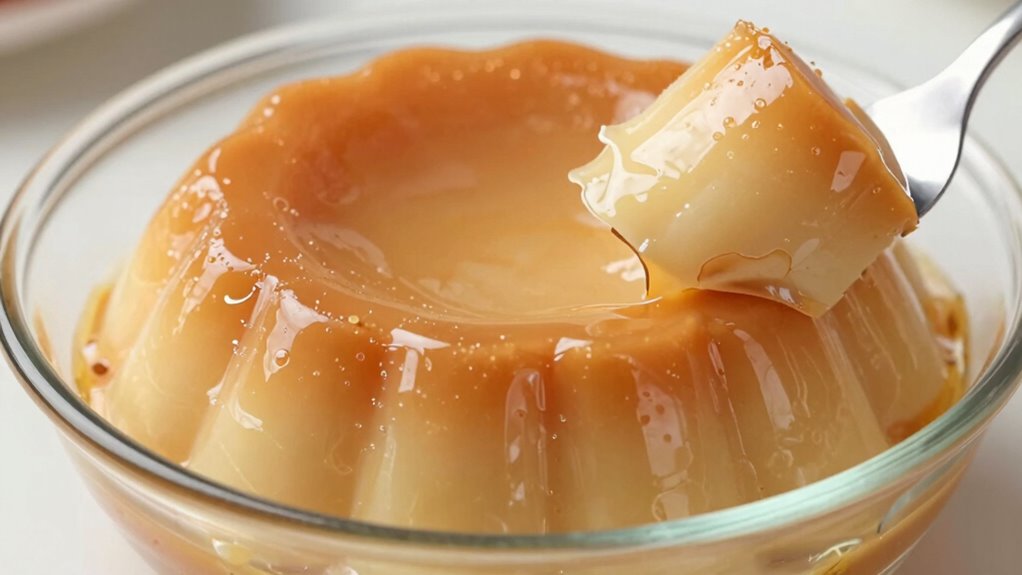
Microwave desserts can be quick and satisfying, but one common mistake can turn your treat into a gooey mess. When you’re rushing to satisfy a sweet craving, it’s easy to overlook the importance of timing and technique, especially when melting chocolate or preparing fruit. If you don’t watch carefully, your chocolate ganache can seize or become grainy, and your fruit can overcook, losing its natural sweetness through excess caramelization. These missteps often lead to rubbery textures that ruin what should be a delightful dessert.
One of the most frequent errors is over-microwaving chocolate. When making a chocolate ganache or melting chocolate chips, it’s tempting to cook it in one go. Instead, you should heat it in short bursts, stirring in between. Overheating causes the fat to separate, resulting in a sticky, rubbery consistency instead of the smooth, glossy finish you want. This is especially true for delicate ganache, which relies on precise melting and emulsification. Proper technique ensures the chocolate remains silky and fluid, perfect for drizzling or filling. Understanding microwave heat effects on fats and sugars can help prevent these issues. Additionally, using a microwave-safe container and monitoring the temperature can significantly improve your results.
Microwave chocolate in short bursts, stirring often, to prevent seizing and achieve a silky, glossy finish.
Fruit caramelization is another area where microwave mistakes happen. You might think that cooking fruit longer will intensify its flavor, but overdoing it can lead to undesirable textures. Microwave heat accelerates caramelization, so you need to keep a close eye. Excessive heat causes the natural sugars in fruit to break down too much, turning the fruit mushy or rubbery with a tough exterior. To avoid this, set short intervals and check frequently. This way, you preserve the fruit’s tenderness and enhance its natural sweetness without overcooking.
The key to avoiding these mistakes lies in understanding how microwave heating affects different ingredients. Both chocolate and fruit require gentle, controlled heat. When making a chocolate ganache, adding cream gradually and stopping at the right moment keeps everything smooth. For fruit, a quick burst of microwave heat followed by stirring helps develop flavor without overdoing it. Paying attention to the process prevents the dreaded rubbery texture that often results from overcooking or overheating. Remember, microwave power levels can vary greatly and influence cooking outcomes, so adjusting your settings accordingly is essential.
Additionally, understanding the effects of microwave heat on ingredients can help you better manage cooking times and avoid common pitfalls. Ultimately, your goal is to harness the microwave’s speed without sacrificing quality. By managing heat carefully and paying close attention, you can create luscious chocolate ganache and perfectly caramelized fruit every time. Remember, patience and precise timing are your best tools. With practice, you’ll avoid the common microwave dessert mistake and enjoy soft, flavorful treats that look as good as they taste.
microwave chocolate melting bowl
As an affiliate, we earn on qualifying purchases.
As an affiliate, we earn on qualifying purchases.
Frequently Asked Questions
How Can I Prevent My Dessert From Becoming Rubbery?
To prevent your dessert from becoming rubbery, avoid overcooking it in the microwave. Use short, even bursts and check often to keep the texture just right. Incorporate flavor enhancement techniques like a splash of vanilla or a pinch of salt to boost taste. For presentation tips, serve your dessert immediately or garnish it with fresh fruit or whipped cream, which adds visual appeal and balances textures, making your treat more inviting.
What Is the Best Microwave Setting for Melting Desserts?
You should set your microwave to a low or medium-low setting, around 30-50% power, to guarantee gentle melting. This slow approach prevents rapid heat, which can cause sugar crystallization and ruin texture preservation. By avoiding high power, you give your dessert time to melt evenly, keeping it tender and smooth. Patience is key—don’t rush, or you’ll risk rubbery, overcooked treats instead of perfectly luscious, melt-in-your-mouth delights.
Are There Alternative Methods to Microwave Desserts Safely?
Yes, you can try alternative methods like using a double boiler or stovetop gentle heat to melt desserts safely. When experimenting, consider flavor pairing to enhance richness and presentation tips to make your treats more appealing. These methods prevent rubbery textures, allowing better control over melting. Plus, they keep desserts evenly heated, preserving their flavor and appearance, making your sweet creations both delicious and visually stunning.
How Does Ingredient Temperature Affect Dessert Texture?
Like a delicate dance, ingredient temperature directly influences dessert texture and stability. When ingredients are too cold, your dessert may turn dense or gummy; too warm, and it risks becoming overly soft or unstable. To avoid this, guarantee ingredients are at room temperature before mixing. Proper temperature control helps your dessert hold its shape, maintain a pleasing consistency, and prevents unwanted rubberiness or runniness, making your sweet creation perfect every time.
Can Overcooking in the Microwave Cause Rubberiness?
Yes, overcooking in the microwave can definitely cause rubberiness in your desserts. When you microwave for too long, the heat can break down the structure of the ingredients, making them tough and chewy. To avoid this, follow microwave safety guidelines and monitor cooking times carefully. Also, store your desserts properly to maintain freshness and prevent overcooking during reheating, which can further affect texture.
microwave-safe dessert container
As an affiliate, we earn on qualifying purchases.
As an affiliate, we earn on qualifying purchases.
Conclusion
So, next time you’re microwaving a sweet treat, remember that rushing can turn your dessert into a rubbery disappointment. Think of your microwave as a delicate dance partner—too much pressure and the rhythm falters. By paying attention to timing and power, you’ll turn your dessert into a perfectly tender masterpiece, not a stubborn rubber ball. Keep these tips in mind, and your treats will always shine, right from the microwave to your taste buds.
microwave fruit caramelization tool
As an affiliate, we earn on qualifying purchases.
As an affiliate, we earn on qualifying purchases.
silicone spatula for melting chocolate
As an affiliate, we earn on qualifying purchases.
As an affiliate, we earn on qualifying purchases.
Columbus Day / Indigenous Peoples' Day Picks
long weekend sales
As an affiliate, we earn on qualifying purchases.