To prevent pie crust shrinkage, focus on chilling your dough sufficiently to relax gluten and firm the fats. Wrap it tightly and chill for at least 30 minutes to an hour before rolling out. Avoid overworking the dough and handle it gently to maintain its shape. Proper chilling helps reduce shrinkage during baking, ensuring a flakier, more even crust. Keep exploring to learn the best techniques for perfecting your pie crust every time.
Key Takeaways
- Chill the dough for at least 30 minutes to relax gluten and firm fats, reducing shrinkage during baking.
- Wrap the dough tightly in plastic or store in an airtight container to prevent moisture loss and uneven chilling.
- Extend chilling beyond 30 minutes for wetter dough to promote even hydration and better fat solidification.
- Avoid overworking or handling the dough after chilling, which can activate gluten and cause contraction.
- Use proper rolling techniques and handle the chilled dough gently to maintain shape and prevent shrinkage.
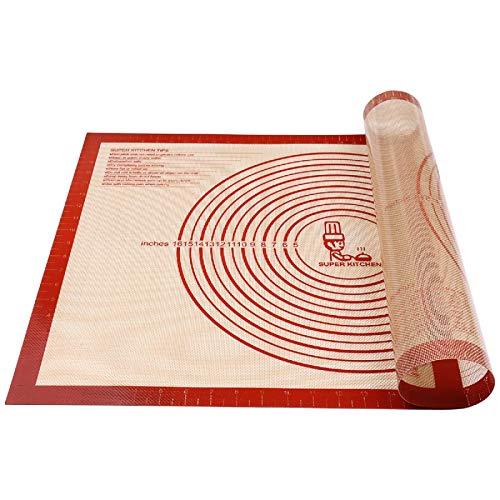
Non-slip Silicone Pastry Mat Extra Large with Measurements 28''By 20'' for Silicone Baking Mat, Counter, Dough Rolling, Oven Liner,Fondant/Pie Crust By Folksy Super Kitchen Red
Premium Safe Silicone:We attach great importance to the health of our customers.So we offer the premium food grade…
As an affiliate, we earn on qualifying purchases.
As an affiliate, we earn on qualifying purchases.
Why Resting and Chilling Your Pie Dough Helps Prevent Shrinkage
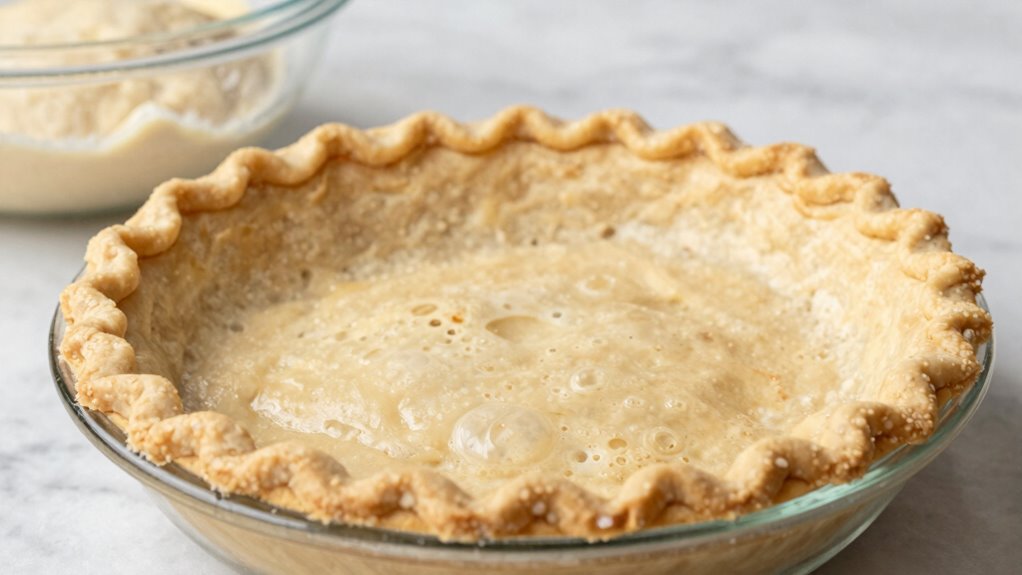
Resting and chilling your pie dough is essential because it allows the gluten to relax and the fat to firm up. When you give the dough time to rest, you reduce dough elasticity, which minimizes the tendency to shrink during baking. This step helps prevent overdeveloped gluten, which can make the crust tough and prone to shrinking. Chilling also solidifies the fat, creating a flaky texture and maintaining the dough’s shape. As the gluten development slows, the dough becomes less elastic, so it doesn’t pull away from the sides of the pan or shrink as it bakes. Proper rest and chill time give you better control over the final crust’s size and texture, ensuring a professional-looking, tender pie. Additionally, proper dough handling plays a crucial role in preventing shrinkage and achieving a perfect crust. Incorporating the right resting techniques can further enhance the dough’s stability and performance during baking, and understanding gluten relaxation can help you optimize your process for the best results. For optimal results, it’s also helpful to understand the effects of temperature on dough behavior during chilling.

Reynolds Kitchens Quick Cut Plastic Wrap, 225 Square Feet
CLING WRAP WITH SLIDE CUTTER-Contains one roll of Reynolds Quick Cut Plastic Wrap with slide cutter, measuring 225…
As an affiliate, we earn on qualifying purchases.
As an affiliate, we earn on qualifying purchases.
What Are the Best Techniques to Chill Your Pie Crust Effectively?
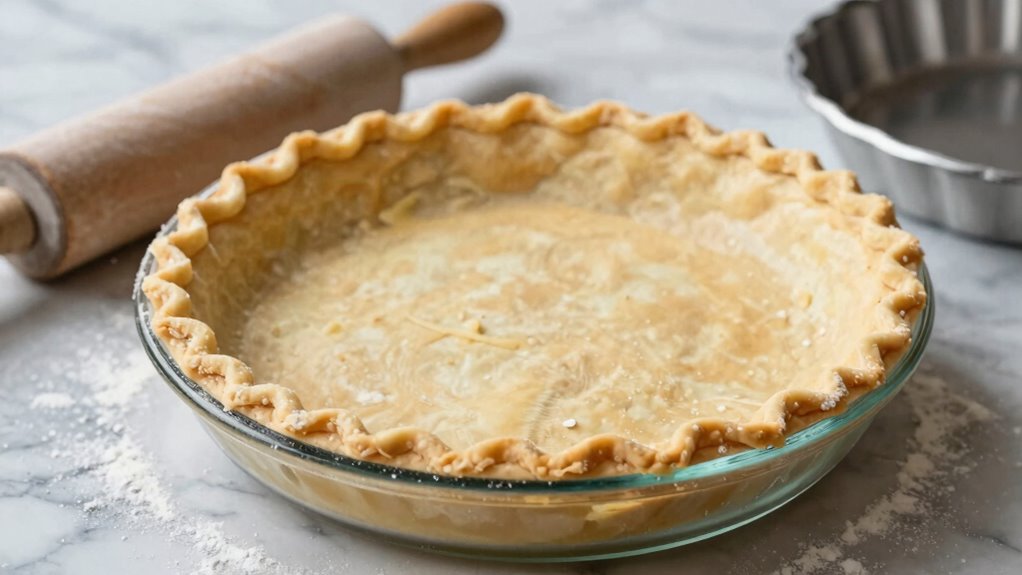
To chill your pie crust effectively, start by wrapping the dough tightly in plastic wrap or placing it in an airtight container. This prevents moisture loss and helps maintain its structure. Before blind baking, chilling the crust ensures it stays firm and shrinks less during baking. For decorative edges, chilling helps keep intricate designs intact and prevents warping. Use a flat surface to evenly chill the dough, which promotes uniform temperature and consistency. If you’re short on time, you can partially blind bake the crust after chilling to set the shape and reduce shrinkage further. Proper chilling also allows the fats in the dough to firm up, making handling easier and preserving your detailed, beautiful edges. Additionally, maintaining proper ventilation considerations during chilling can help prevent moisture buildup that might affect the crust’s texture. Ensuring your workspace has good airflow can further aid in controlling humidity levels around your dough. Using a refrigerator with optimal temperature settings can improve the overall chilling process and prevent unnecessary moisture absorption. Employing proper dough handling techniques can contribute to a more consistent crust outcome. When you understand how dough consistency impacts the final product, you can adjust your methods accordingly for the best results. Following these techniques results in a flakier, more stable crust.

Evelots 2-Pack 10-Inch Airtight Food Storage Container with Lid – Portable Carrier for Pies, Cakes, Cupcakes & More – BPA-Free Clear Plastic – Secure & Easy Transport
SET OF 2 SPILL-PROOF CARRIER – Designed with a secure seal to lock in freshness and prevent spills,…
As an affiliate, we earn on qualifying purchases.
As an affiliate, we earn on qualifying purchases.
How Long Should You Chill Pie Dough to Prevent Shrinkage?
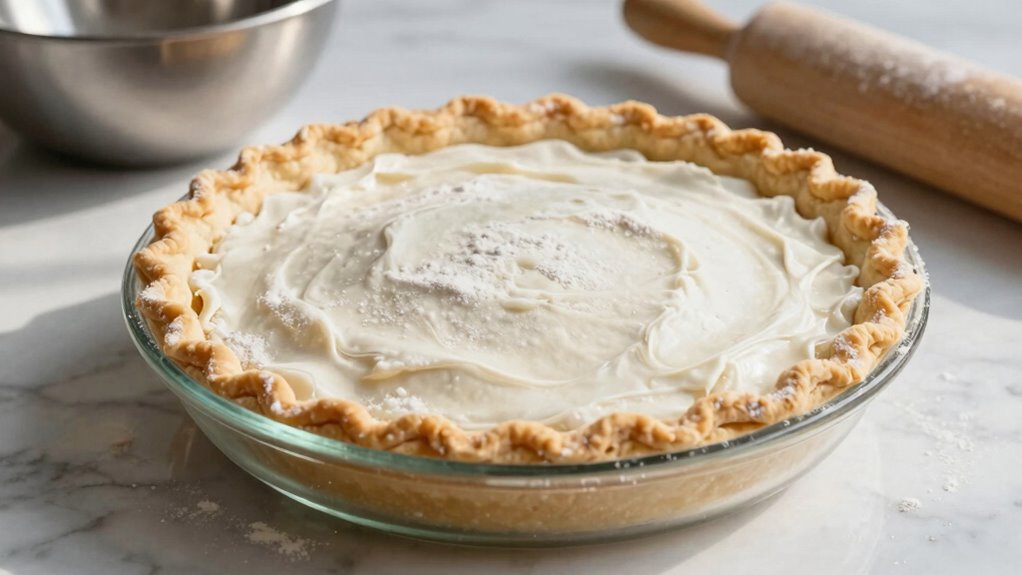
Chilling your pie dough for the right amount of time is essential to prevent shrinking during baking. Typically, 30 minutes to an hour is sufficient, but dough hydration can influence this—drier dough may need less time, while wetter dough benefits from longer chilling. Proper chilling allows the gluten to relax and the fat to firm up, reducing shrinkage. Keep your oven temperature in mind; a hot oven can cause rapid crust contraction if the dough isn’t well chilled. If you’re working with high hydration dough, aim for at least an hour of chilling to ensure the moisture is evenly distributed and the dough is firm enough to hold its shape. Additionally, understanding the role of gluten development can help you better control dough elasticity and shrinkage. Resting time is also crucial, as it allows the dough to relax further and improves handling. For best results, ensure the dough is wrapped tightly to prevent dryness, which can affect the dough consistency. Moreover, allowing the dough to undergo a proper chilling process can also improve its overall texture and prevent excessive shrinking during baking. Adequate chilling time also helps prevent overworking the dough, which can lead to toughness and shrinking. Overall, a minimum of 30 minutes is usually enough, but extending to an hour gives better results.
FARBERWARE Classic Wood Rolling Pin, 18-Inch Hardwood Dough Roller for Baking Pizza, Pies, Pastry and Cookies, Ergonomic Handles, Kitchen Essential
PREMIUM HARDWOOD CONSTRUCTION: Built from moisture-resistant hardwood for lasting durability and a smooth rolling surface that delivers consistent…
As an affiliate, we earn on qualifying purchases.
As an affiliate, we earn on qualifying purchases.
Common Mistakes That Cause Pie Crust Shrinkage: and How to Avoid Them
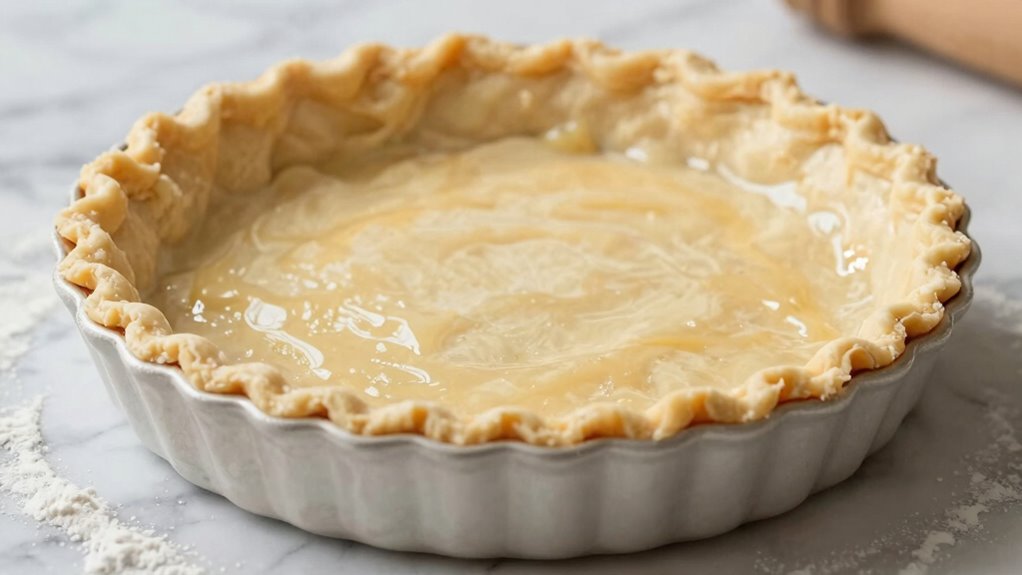
One common mistake that leads to pie crust shrinkage is overworking the dough, which activates too much gluten and makes the crust tough and prone to contracting during baking. To avoid this, watch out for:
- Overmixing ingredients, which develops gluten and toughens the crust.
- Handling the dough too much, causing uneven rolling and uneven thickness.
- Applying too much pressure when rolling, leading to an irregular shape that shrinks unevenly.
- Skipping the chill time, which helps relax gluten and solidify fat, preventing shrinkage during baking.
Tips for Baking and Handling Your Pie to Keep the Shape and Flakiness
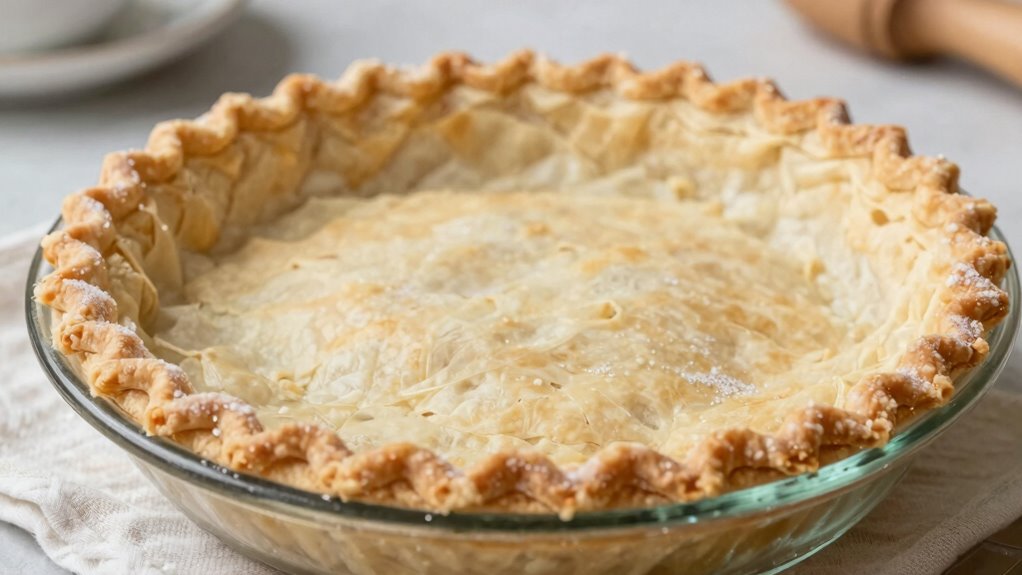
Properly handling your pie during baking is essential to maintain its shape and achieve that perfect flaky texture. To do this, ensure your dough has good elasticity, which helps it stretch without tearing or shrinking. When rolling out, handle the dough gently to avoid overworking it, which can lead to excessive gluten development and tough crusts. Keep your dough cold and avoid unnecessary kneading to preserve elasticity. When transferring the dough to your pie dish, gently lift and fit it without stretching, preventing deformation. During baking, use a pie shield or foil edges to protect the crust from over-browning. Proper handling reduces the risk of shrinkage, maintains the desired shape, and promotes flaky layers for a professional finish. Additionally, resting your dough properly allows the gluten to relax, further minimizing shrinkage during baking. Ensuring the dough is at the right temperature before handling also helps prevent piercing or tearing, which can compromise the crust’s integrity. Paying attention to dough elasticity during preparation is vital for achieving a beautifully shaped and flaky pie crust. Using a chilling period for your dough can significantly improve its handling qualities and final texture. Incorporating a brief resting period after rolling can also help the dough stay intact during transfer and baking.
Frequently Asked Questions
Can Over-Chilling Pie Dough Negatively Affect Its Texture?
Yes, over-chilling pie dough can negatively affect its texture. When you chill the dough for too long, dough elasticity decreases, making it harder to roll out smoothly. Excessive chilling duration can lead to a dry, brittle crust that cracks easily. To avoid this, keep an eye on the chilling time, and don’t let it go longer than recommended. Proper chill time guarantees a tender, flaky crust without sacrificing elasticity.
Does the Type of Fat Used Influence Pie Crust Shrinkage?
Yes, the type of fat influences pie crust shrinkage. Butter, with its high water content, can cause more shrinkage, but it adds flavor enhancement and flaky layers. Shortening, being more stable, reduces shrinkage but offers less flavor. Using a mix of fats balances these effects, giving you a crust that shrinks less while still being flavorful. So, choose your fat type based on your desired texture and taste.
Is It Necessary to Blind Bake Before Filling to Prevent Shrinkage?
Yes, you should blind bake your crust before filling to guarantee crust stability and prevent shrinkage. Blind baking involves pre-baking the crust partially or fully, which helps set the shape and reduces the chance of shrinking once filled. This step is especially important for preventing a soggy bottom or uneven edges, giving you a crisp, sturdy crust that holds up well, even with moist fillings.
How Does Humidity Impact the Effectiveness of Chilling Your Pie Dough?
Humidity effects can be a game-changer when chilling your pie dough. High humidity introduces extra moisture, making the dough sticky and harder to handle, which can hinder proper moisture control. Conversely, low humidity helps the dough stay firm, ensuring it chills evenly and prevents shrinkage. To get the best results, keep your environment cool and dry, and consider chilling your dough in a moisture-controlled space for perfect, flaky crust every time.
Can Using a Metal Versus Glass Pie Dish Affect Crust Shrinkage?
Using a metal pie dish can reduce crust shrinkage because metal conducts heat more efficiently than glass, leading to quicker, more even baking. This rapid heat transfer helps set the crust’s structure early, minimizing shrinkage during baking. Glass dishes, on the other hand, heat more slowly and unevenly, which might cause the crust to contract or shrink. So, if you want less shrinkage, opt for a metal dish for better heat conduction.
Conclusion
Now that you know the secret to preventing pie crust shrinkage, imagine the perfect, flaky crust you’ll create every time. But beware—skipping these chilling steps or rushing the process can still sabotage your masterpiece. Will your next pie turn out flawless, or will a simple mistake undo all your efforts? Stay attentive, follow these tips, and access the full potential of your baking skill. The perfect crust is just a chill away—are you ready to discover it?