Mold under your electric kettle lid happens when moisture gets trapped inside after use, especially if you don’t clean and dry the lid thoroughly. Residual water, combined with warmth, creates a perfect environment for spores to grow. To prevent this, clean your kettle regularly, dry it thoroughly, and store it in a dry place with the lid off. Keep exploring for effective tips to keep your kettle mold-free and safe.
Key Takeaways
- Mold develops on electric kettle lids due to moisture, heat, and lack of regular cleaning, creating ideal growth conditions.
- Residual water and damp areas inside the lid promote mold formation, often indicated by fuzzy spots or odd odors.
- Prevent mold by cleaning the lid weekly with vinegar or baking soda solutions and drying thoroughly after each use.
- Store the kettle in a dry, ventilated space with the lid off when not in use to reduce moisture buildup.
- Regular inspection and timely replacement of damaged lids or kettles help maintain hygiene and prevent mold growth.
Why Is Mold Growing Under Your Kettle Lid? (And Why Should You Care?)

Mold tends to grow under your kettle lid because moisture and heat create the perfect environment for it to thrive. When you neglect proper kitchen hygiene, residue and dampness build up, providing mold with the ideal conditions to develop. Poor appliance maintenance, like not regularly cleaning your kettle or wiping down the lid area, allows mold spores to settle and spread unnoticed. This not only affects the cleanliness of your kitchen but can also impact your health. Mold under the lid can lead to unpleasant odors and potential respiratory issues. Staying vigilant with regular cleaning and ensuring your kettle is dry after use helps prevent mold growth. Additionally, understanding the role of moisture and heat in mold development can help you better prevent its formation. Trusted appliance maintenance practices are essential to keep your electric kettle mold-free and safe to use.
How Does Water Residue Cause Mold in Electric Kettles?

Water residue left inside your electric kettle creates the perfect environment for mold to develop because it provides moisture that mold spores need to grow. When water accumulates and isn’t cleaned properly, moisture retention occurs in hidden areas like the lid or spout, encouraging mold growth. This lingering water creates a damp environment ideal for mold spores to thrive over time. Mold can develop quickly in these moist zones, especially if you don’t dry your kettle thoroughly after use. Additionally, inadequate maintenance can allow mold to establish itself more easily in the hard-to-reach areas, making it harder to fully eliminate. Regularly inspecting and cleaning the internal components helps prevent moisture buildup and mold formation. Incorporating proper cleaning techniques can further reduce the risk of mold development and ensure your kettle stays hygienic. Ensuring good ventilation and drying, especially after cleaning, also helps prevent the buildup of residual moisture that fosters mold growth. Proper air circulation around the kettle after use can aid in more effective drying and mold prevention.
How Can You Tell If Your Kettle Lid Has Mold? (Signs to Watch For)
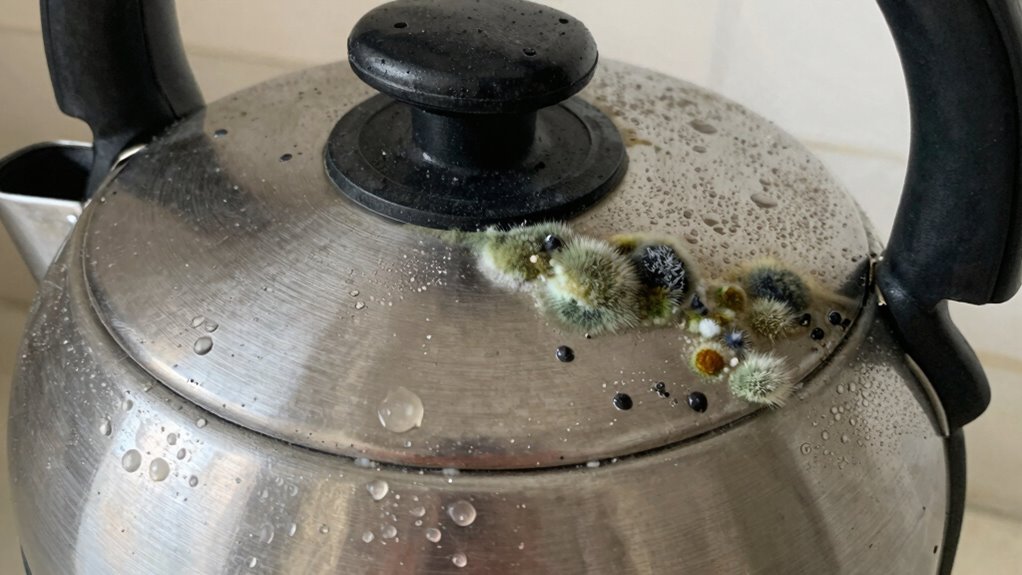
You might notice mold if you see fuzzy spots or discoloration on your kettle lid. An unusual smell or taste when using the kettle is also a red flag. Keep an eye out for these signs to catch mold early and keep your kettle safe. Regular maintenance can help prevent mold buildup by reducing moisture accumulation and ensuring proper cleaning body hygiene practices. Additionally, inspecting your kettle lid frequently can help identify early signs of mold before it becomes a larger issue. Using moisture control methods like drying the lid thoroughly after cleaning can further prevent mold growth. Proper kettle maintenance routines, including descaling and regular cleaning, are essential in avoiding mold formation. Following proper air purifier maintenance dos and don’ts, such as cleaning filters regularly and avoiding harsh chemicals, can also contribute to a cleaner environment around your appliances.
Visible Mold Growth
One of the clearest signs that your kettle lid has mold is the appearance of fuzzy, discolored patches on its surface. These patches may be green, black, or white and often look like spotty growths. If you notice any of these, it’s a strong indication of mold presence. To prevent mold, regular cleaning techniques are essential. Pay close attention to crevices and seams where moisture can hide. Look for the following signs:
- Fuzzy or slimy spots
- Discoloration or dark patches
- Unusual surface texture
- Persistent stains despite cleaning
- Visible growth that seems to spread
Addressing visible mold early helps avoid health risks and keeps your kettle safe. Proper mold prevention and effective cleaning techniques are key to maintaining a mold-free lid. Additionally, understanding nanotechnology applications can provide insights into innovative cleaning solutions that might eventually help prevent such issues. For example, some advanced coatings utilize nanotechnology to create antimicrobial surfaces, which could offer long-term protection against mold development. Exploring these emerging technologies can lead to more effective and durable mold prevention strategies. Incorporating antimicrobial coatings into kettle design may further reduce the risk of mold formation over time.
Unusual Odor or Taste
A sudden, strange odor or taste when using your kettle often signals mold growth inside the lid or its crevices. If your hot beverages develop an unusual smell or flavor, it’s a clear sign to check for mold. These odors can be stubborn, but proper mold prevention techniques and regular cleaning can eradicate them. To address the issue, thoroughly clean the lid with vinegar or baking soda to eliminate odor-causing bacteria. Avoid using harsh chemicals that might damage your kettle. Regular maintenance and drying after each use help prevent mold buildup. If you notice persistent odors despite cleaning, consider replacing the lid or seeking professional advice. Staying vigilant for these signs helps ensure your kettle remains safe, odor-free, and functioning properly.
What Are the Health Risks of Mold in Your Electric Kettle?

Mold in your electric kettle can pose serious health risks, especially if you’re exposed frequently. Breathing in mold spores or coming into contact with moldy surfaces can cause respiratory issues or skin irritation. It’s important to understand these dangers so you can take steps to keep your kettle clean and safe. Regularly inspecting and preventing mold growth is key to maintaining a healthy appliance and environment. Understanding kettle maintenance practices can help reduce the likelihood of mold developing. Affiliate disclosures help provide transparency about product recommendations that can aid in maintaining your appliance and health. Additionally, improper water heating practices can contribute to mold formation by creating damp, warm environments conducive to mold growth.
Health Hazards of Mold
Have you ever wondered about the health risks lurking inside your electric kettle? Mold in your kettle can pose serious health hazards if not properly addressed. Breathing in mold spores may cause allergic reactions or respiratory issues, especially if you have asthma or sensitivities. Consuming water contaminated with mold can lead to stomach upset, nausea, or infections. To ensure your health safety, mold prevention is key—regular cleaning and drying help stop mold growth before it starts. Ignoring mold buildup can result in long-term health problems, so it’s essential to stay vigilant. Be mindful of signs of mold and act quickly to remove it, protecting yourself and your family from potential health hazards. Mold growth can occur if the kettle is not properly maintained, emphasizing the importance of routine inspections and cleaning. Additionally, moisture accumulation provides an ideal environment for mold development, making consistent drying crucial. Regular maintenance not only prevents mold but also extends the lifespan of your kettle by avoiding corrosion and damage.
Breathing and Skin Risks
Breathing in mold spores from your electric kettle can cause respiratory irritation and worsen allergy symptoms. Prolonged exposure to mold spores increases breathing hazards, especially if you have asthma or sensitivities. Mold can also affect your skin, leading to rashes or irritation upon contact. To understand these risks better, consider this table:
| Risk | Symptoms | Prevention Tips |
|---|---|---|
| Respiratory issues | Coughing, wheezing, allergies | Regular cleaning, ventilation |
| Skin irritation | Rashes, redness | Avoid touching moldy surfaces |
| Mold spores in air | Breathing difficulties | Use dehumidifiers, mold remover |
| Allergic reactions | Sneezing, itchy eyes | Wear protective gear |
| Long-term risks | Chronic respiratory problems | Address mold promptly |
Stay vigilant—mold spores pose serious breathing hazards and skin risks.
How to Clean Mold Off Your Electric Kettle Lid (Step-by-Step)

If you notice mold developing on your electric kettle lid, it’s important to clean it thoroughly to prevent health risks and keep your appliance in good condition. Proper cleaning helps maintain kitchen hygiene and ensures your kettle functions efficiently. Start by unplugging the kettle and removing the lid. Mix equal parts white vinegar and water, then soak a soft cloth or sponge in the solution. Wipe the lid thoroughly, paying attention to moldy areas. For stubborn spots, use a soft brush or toothbrush. Rinse with clean water and dry completely before reassembling. Regular cleaning prevents mold buildup, supporting good appliance maintenance and hygiene.
Regularly clean your electric kettle lid with vinegar to prevent mold and ensure appliance hygiene.
- Use vinegar or baking soda for natural cleaning
- Avoid abrasive scrubbers that damage surfaces
- Clean regularly to prevent mold recurrence
- Dry all parts thoroughly after cleaning
- Store the kettle with the lid off when not in use
How Can You Prevent Mold Growth in Your Kettle? (Easy Tips)
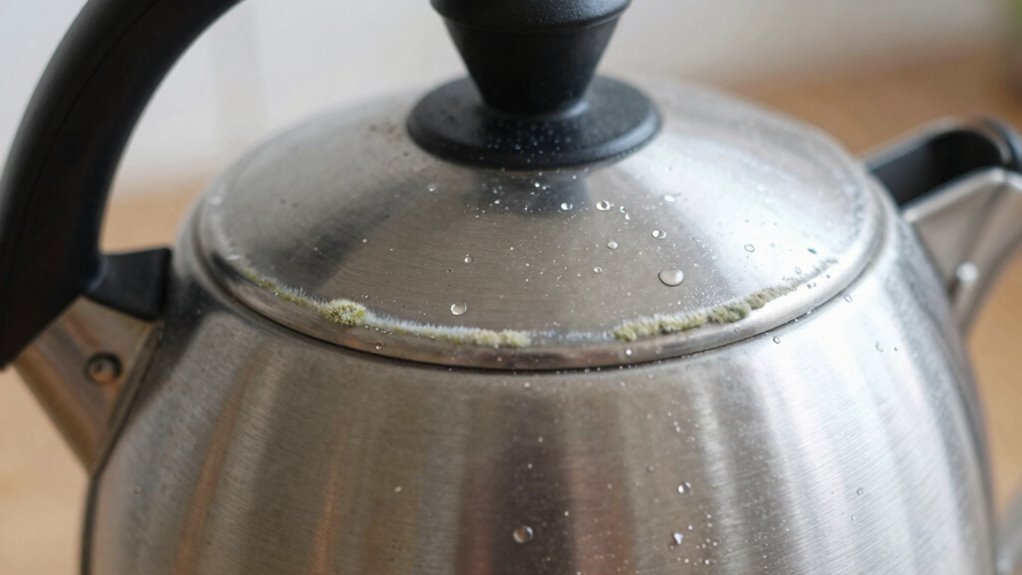
To prevent mold from developing in your kettle, maintaining a regular cleaning routine is essential. Use effective cleaning tips like descaling weekly and wiping down the interior and lid after each use. Make certain you dry all parts thoroughly before storing to prevent moisture buildup. Proper storage practices also matter—avoid leaving water inside the kettle for extended periods and keep it in a dry, well-ventilated place. If your kettle has a lid, regularly inspect and clean it to prevent mold spots. Using fresh water each time and avoiding excess moisture helps reduce mold growth. Consistent cleaning and proper storage are simple yet effective strategies to keep your kettle mold-free and ensure its longevity.
How to Maintain Your Kettle and Keep Mold Away Long-Term

Maintaining your kettle properly over the long term is essential to prevent mold buildup and guarantee it functions efficiently. Regular kettle maintenance helps keep mold prevention effective and extends its lifespan. To do this, always empty and dry the kettle after each use, especially the lid and spout. Descale periodically to remove mineral deposits that can harbor mold spores. Use a mixture of vinegar and water for deep cleaning, focusing on the lid and interior surfaces. Keep the exterior dry and clean to avoid mold growth around the base. Additionally, ensure the kettle is stored in a dry, well-ventilated area. These simple steps promote healthy kettle maintenance and mold prevention, saving you from potential health issues and costly replacements.
- Empty and dry after each use
- Regular descaling
- Deep clean with vinegar solution
- Wipe exterior and lid thoroughly
- Store in a dry, ventilated space
When Is It Time to Replace Your Kettle to Avoid Mold Problems?

Even with regular cleaning and maintenance, there comes a point when your kettle may no longer be a safe or effective option. If mold persists despite efforts or the kettle shows signs of damage, it’s time to replace it. Consider the kettle material; plastic kettles are more prone to mold buildup in seams and lid design. Stainless steel or glass models resist mold better but still require upkeep. Here’s when to decide:
| Sign | Reason |
|---|---|
| Persistent mold despite cleaning | Material or lid design traps moisture |
| Cracked or damaged lid or body | Mold can hide in crevices or seams |
| Frequent malfunctions or corrosion | Indicates replacement is safer |
Replace your kettle to guarantee safety, hygiene, and peak performance.
Frequently Asked Questions
Can Using Distilled Water Prevent Mold Growth in Electric Kettles?
Yes, using distilled water can help prevent mold growth in your electric kettle. Since distilled water has low mineralization, it reduces the chances of mineral deposits that can harbor microbial growth. Regularly cleaning your kettle and avoiding stagnant water also help prevent mold. Switching to distilled water minimizes the nutrients microbes need, making it less likely for mold to develop and ensuring your kettle stays clean and safe to use.
Does the Type of Kettle Material Affect Mold Development?
You notice the kettle’s interior, and the material influence on mold susceptibility becomes clear—stainless steel resists mold better than plastic, which can trap moisture and create a breeding ground. The smooth, non-porous surface of metal discourages mold growth, unlike porous materials that absorb water. So, choosing a kettle with durable, non-porous material helps prevent mold, keeping your water clean and your kettle fresh over time.
How Often Should I Deep Clean My Kettle to Prevent Mold?
You should deep clean your kettle at least once a month to prevent mold. Regular cleaning removes mineral deposits and mold spores, ensuring a hygienic environment. If you notice any buildup or mold, increase cleaning frequency. Proper drying after each use also helps mold prevention. Consistent maintenance keeps your kettle safe, odor-free, and working efficiently, so make cleaning a regular part of your routine to avoid mold growth.
Are There Specific Cleaning Products Best for Mold Removal?
You need the best of the best to tackle stubborn mold! For mold removal, use mold resistant cleaners or natural disinfectants that are safe and effective. These products cut through mold like a hot knife through butter, ensuring your kettle stays spotless. Always check labels to confirm they’re safe for your kettle’s material. Regular cleaning with these solutions keeps mold at bay and your kettle sparkling clean.
Can Mold in the Lid Affect the Taste of My Boiled Water?
Yes, mold in the lid can affect the taste of your boiled water. Mold spores can contaminate the water, leading to an unpleasant flavor and potential health risks. When mold grows in the lid, it may release spores into the water during boiling. To prevent this, regularly clean the lid thoroughly and make sure it stays dry, reducing the chance of water contamination and mold growth that could alter your water’s taste.
Conclusion
Don’t let mold take over your kettle like an unwelcome guest lurking in hidden corners. By staying vigilant, cleaning regularly, and drying thoroughly, you keep mold at bay and guarantee every sip is pure and safe. Think of your kettle as a trusted friend—treat it well, and it’ll serve you with warm, healthy water without uninvited mold shadows. Keep it clean, and let your daily routine sparkle with freshness!