
TL;DR

Get kitchen staples and gadgets delivered free — and shop member deals
- Fast, free delivery on millions of items
- Access to Prime Big Deal Days deals on October 6–7
- Prime Video, Amazon Music and more included
A Good Housekeeping report featuring pest experts recommends locating where mice enter and travel, then placing suitable traps near those areas. Sealing gaps, removing food and nesting materials, and checking garages can help reduce the chance of mice returning. The report warns against glue traps and household use of rodenticides.
A Good Housekeeping report featuring pest experts advises homeowners who find signs of mice to identify entry points and nesting areas before setting traps, rather than placing them at random. The guidance also stresses sealing openings and removing food and nesting opportunities to make a return less likely, while warning against glue traps and rodenticides used in the home.
Signs of mice can include droppings, gnaw marks, shredded nesting material and noises in walls or ceilings after dark. Dan DiClerico, director of the Home Improvement and Outdoor Lab at the Good Housekeeping Institute, says droppings are often the first indication. The report describes mouse droppings as dark, rice-shaped pieces about a quarter-inch long. Kitchens and pantries are common places to check for food debris and damaged packaging.
Before placing traps, homeowners should look for routes mice may use, including basements, attics, crawlspaces and gaps near windows, doors, pipes, wires and drains. DiClerico says mice can fit through holes about a quarter-inch across. Cindy Mannes, a spokesperson for the National Pest Management Association, advises locating where mice are entering or nesting because traps placed without a clear target may be ineffective.
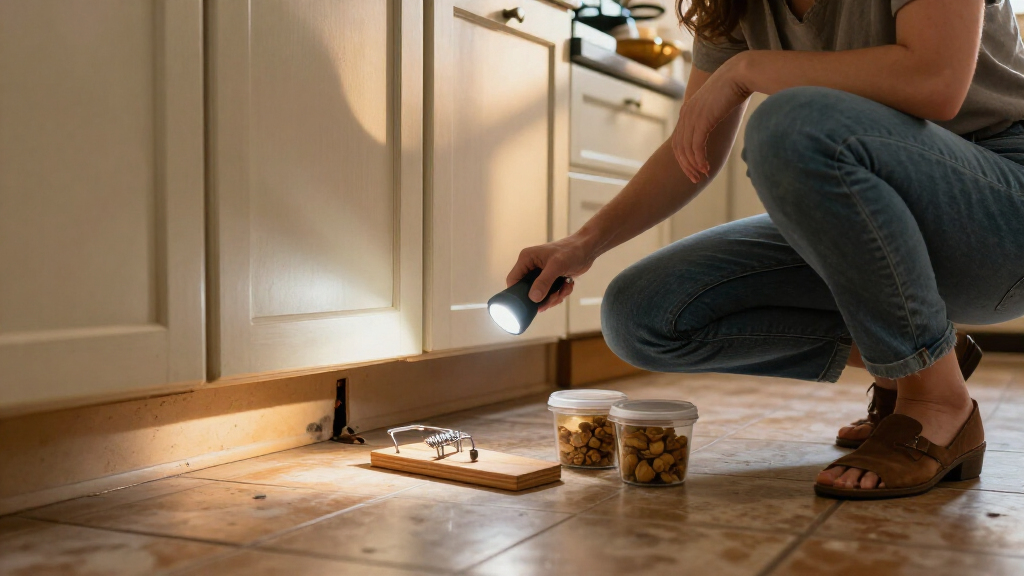
The report recommends snap traps and electric traps, set in areas where mice travel, such as along walls or behind trash cans. It says traps need bait; peanut butter is a common choice, with options including nuts, seeds, chocolate or meat. Good Housekeeping does not recommend glue traps, citing the inhumane way they kill mice, and warns against using rodenticides such as zinc phosphide inside homes because of accidental-poisoning risks, particularly to children.
Reducing Health and Home Risks
Mice can create more than a nuisance: they may contaminate food and surfaces, damage household materials and chew electrical wiring. The report cites the Centers for Disease Control and Prevention on the risk of diseases spreading through contact with rodent waste, contaminated food or air. People do not necessarily need to be bitten to face exposure; touching waste and then touching the eyes or mouth can also pose a risk.
Addressing the problem early matters because rodents can reproduce quickly. The report says the Building Performance Institute notes that a female mouse may have up to eight litters a year, with as many as 100 young. That figure describes reproductive potential, not a guarantee that every mouse will produce that number of offspring. Evidence of one mouse may warrant checking for additional activity.
Prevention also protects vehicles and stored belongings. Mice may shelter in garages and under car hoods, where they can chew wires. The report says rodent tape, treated with components also found in chili peppers, can help protect problem areas, but it does not present tape as a substitute for dealing with entry points or an existing infestation.
As an affiliate, we earn on qualifying purchases.
How to Spot Mouse Activity
Mice are generally active at night, making sounds after dark one possible clue. Dr. Jim Fredericks, a board-certified entomologist and senior vice president of public affairs at the National Pest Management Association, says nighttime noises in walls or ceilings can indicate an infestation. Other clues include droppings, gnawed materials and shredded paper or fabric used for nests.
Homeowners can inspect pantry shelves, food boxes, baseboards and openings around utility lines. The expert guidance frames trapping as one part of a broader response: removing access to food and closing gaps are central to reducing the likelihood that mice will return. The supplied report excerpt does not provide a complete list of sealing materials or every prevention step, so those specifics should not be inferred from it.
“Living with mice isn’t just unsettling, it can make your home less healthy.”
— Dan DiClerico, director of the Home Improvement and Outdoor Lab at the Good Housekeeping Institute
As an affiliate, we earn on qualifying purchases.
What the Advice Cannot Establish
The source material offers general expert guidance, not a diagnosis of any particular home. It does not establish how many mice are present when a homeowner spots one, where they are nesting, or whether a do-it-yourself trapping plan will resolve a specific infestation. The report says a sighting may mean there are more mice, but the extent of activity depends on the circumstances.
The supplied material also does not state a publication date, provide outcome data comparing trap types, or set out a complete protocol for cleaning rodent waste. People who find extensive contamination, persistent activity or damage may need advice tailored to their home; the excerpt does not specify when professional treatment is required or what service would involve.
sealing gaps around windows and doors
As an affiliate, we earn on qualifying purchases.
As an affiliate, we earn on qualifying purchases.
Inspect, Trap and Close Gaps
The recommended next steps are to inspect likely entry and nesting areas, place traps where activity is evident, and check for gaps that can be sealed. Homeowners should also remove accessible food and nesting materials, inspect garages and monitor for fresh droppings or gnawing. The report’s advice treats prevention as an ongoing part of managing the problem, not a step to take only after trapping.
If signs continue or the source of the activity is unclear, the supplied report does not prescribe a specific follow-up service. Its guidance supports reassessing the entry points and trap locations; any further action should account for household members, pets and the extent of contamination.
As an affiliate, we earn on qualifying purchases.
Key Questions
What are common signs of mice in a house?
Look for dark, rice-shaped droppings, gnaw marks, shredded paper or fabric, food debris and noises in walls or ceilings after dark. These signs can point to activity, but they do not establish how many mice are present.
Where should mouse traps be placed?
First look for entry points and places where mice travel or nest. The report recommends setting traps in likely activity areas, such as along walls or behind trash cans, rather than scattering them randomly.
Which traps does the report recommend?
It discusses snap traps and electric traps and does not recommend glue traps. It also warns against using rodenticides such as zinc phosphide in homes because of accidental-poisoning risks, especially for children.
How can homeowners reduce the chance mice return?
Inspect and close small gaps, remove accessible food and nesting materials, and check garages and other possible shelter areas. The report says mice may fit through openings about a quarter-inch wide.
Source: rss
Fall Picks
fall essentials
As an affiliate, we earn on qualifying purchases.