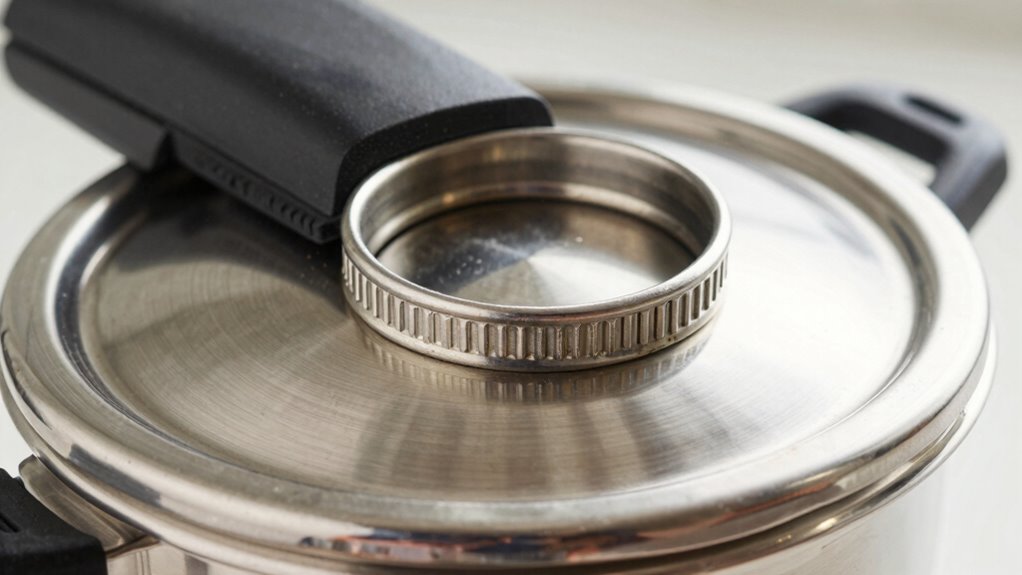

To safely deodorize your pressure cooker’s sealing ring, start by removing it and washing it with warm, soapy water. Soak it in a mixture of vinegar or baking soda solution for about 15 minutes to neutralize odors. Use a soft brush or cloth to remove residue, then rinse thoroughly and dry completely. Proper cleaning and storage help prevent bad smells, so follow these steps carefully to keep your cooker fresh—more tips lie ahead.
Key Takeaways
- Remove the sealing ring and clean it thoroughly with warm, soapy water, paying attention to crevices and contact points.
- Soak the ring in a vinegar-water solution or baking soda paste for 15 minutes to neutralize odors.
- Rinse the ring well, then dry completely before reassembling to prevent mold and residual smells.
- Store the ring in a well-ventilated, dry area, preferably loosely in breathable containers, to prevent moisture buildup.
- Regularly inspect and clean the ring after each use, replacing it if odors persist or signs of damage appear.

Think Crucial Instant Pot Sealing Ring Cleaner Deodorizer – 63–94 Uses, 98% Savings vs Leading Brands – Beta-Cyclodextrin Formula – Compatible w/Ninja Foodi – 8oz
- Effective Odor Removal: Breaks down odors in 45 minutes
- Cost-Effective: 94 uses per bottle at $0.20 each
- Wide Compatibility: Fits all major pressure cooker brands
As an affiliate, we earn on qualifying purchases.
As an affiliate, we earn on qualifying purchases.
Why Does My Pressure Cooker Sealing Ring Smell Bad?
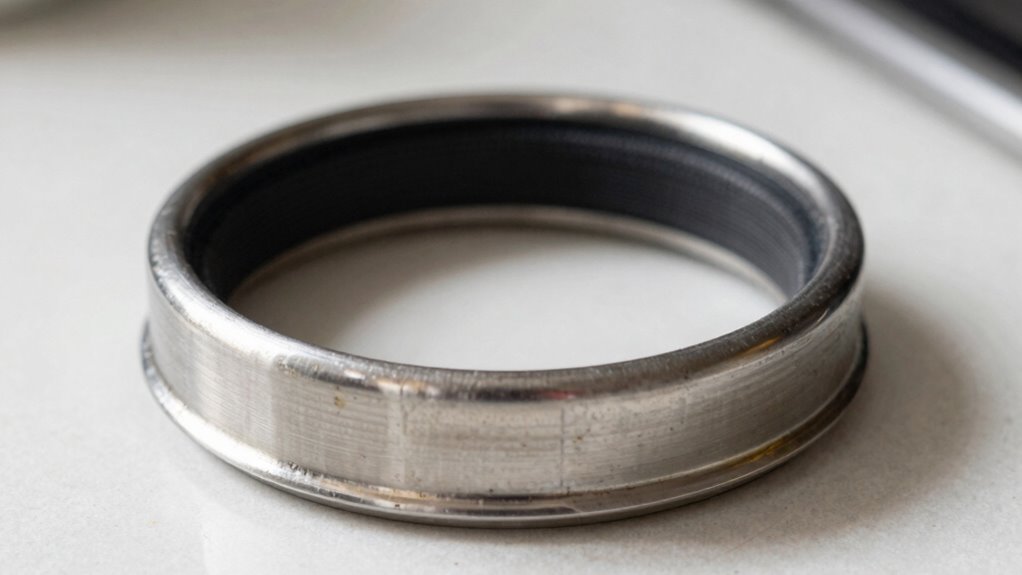
If your pressure cooker’s sealing ring develops a bad smell, it’s usually because bacteria, mold, or food residues have built up over time. These buildup issues can lead to sealing problems, causing odors to linger. A common cause is that food particles get trapped in the ring’s crevices, creating a breeding ground for bacteria. Performing a pressure test can help identify sealing issues that might allow odors to escape or develop. If the ring isn’t sealing properly, it can trap moisture and residues, intensifying the smell. Regularly inspecting and cleaning the ring prevents bacteria and mold growth. Additionally, understanding the food science behind odor formation can help you better address and prevent these issues. For example, using appropriate cleaning methods and products designed for pressure cooker seals ensures thorough sanitation. Proper cleaning techniques can also break down residue buildup, which is essential for odor control. Incorporating proper ventilation practices can further reduce residual moisture that contributes to odor development. Moreover, choosing the right cleaning tools can make a significant difference in removing residue effectively. Remember, a well-maintained sealing ring not only eliminates bad odors but also ensures your pressure cooker functions safely and efficiently.

2 Pack Sealing Ring 8qt for Instant Pot Sealing Ring 8 Quart, Premium Silicone Gasket Replacement Seal for Instanpot 8qt, Perfect Seal Pressure Cooker Sealing Ring Accessories for Instapot 8 Quart
- Perfect Fit for 8-Quart Instant Pot: Compatible with various 8QT models
- Includes 2 Sealing Rings: Separate sweet and savory dishes
- Premium Food-Grade Silicone: High temperature resistant and BPA-free
As an affiliate, we earn on qualifying purchases.
As an affiliate, we earn on qualifying purchases.
Common Causes of Odor in Pressure Cooker Sealing Rings
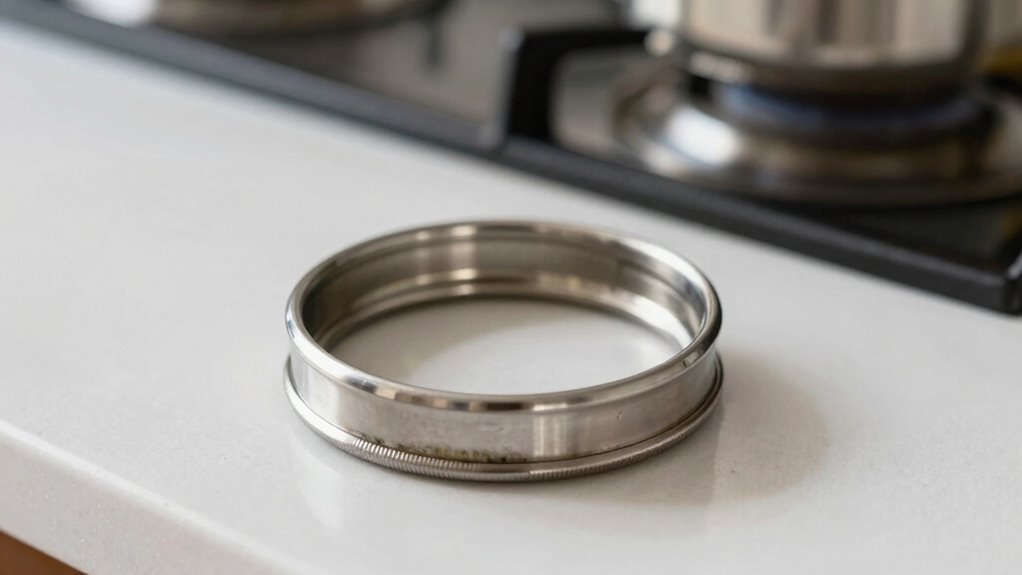
Residue buildup from food spills or cooking can cause unpleasant odors to develop in your sealing ring. Mold and mildew growth also thrive in damp, leftover moisture, creating musty smells. Identifying these common causes is key to keeping your pressure cooker fresh and odor-free. Additionally, using appropriate cleaning methods can help eliminate persistent smells and maintain the integrity of the sealing ring. Regular maintenance and proper storage can prevent odor-causing bacteria from forming on the ring’s surface. Ensuring the sealing ring is completely dry after cleaning can also prevent mold growth and keep odors at bay. Employing proper storage techniques can further reduce the chances of odor development. Incorporating professional cleaning techniques can further enhance odor removal and prolong the lifespan of your sealing ring.
Residue Buildup and Spills
Over time, leftover food particles, grease, and spills can accumulate around the sealing ring, creating a breeding ground for bacteria and odors. Food residue from cooking or splatters can cling to the ring, especially if spills aren’t cleaned promptly. If you neglect spill cleanup, these residues build up and emit unpleasant smells. Regularly inspect and wipe down the sealing ring after each use to prevent residue buildup. Use warm soapy water or vinegar solutions to thoroughly clean the ring and remove any lingering food particles. Ensuring proper spill cleanup keeps the sealing ring dry and free of debris, reducing odor risks. Maintaining this simple routine helps your pressure cooker stay fresh, odor-free, and safe for future use. Additionally, understanding how residue buildup affects your pressure cooker can help you take proactive steps to prevent odors before they start.
Mold and Mildew Growth
Mold and mildew thrive in damp, dark environments, making the sealing ring of your pressure cooker an ideal breeding ground if it’s not properly dried and maintained. If you neglect to dry the sealing ring thoroughly after cleaning or cooking, mold growth can develop quickly. This not only causes unpleasant odors but can also pose health risks. To prevent mildew, always verify the ring is completely dry before storing it away. Regularly inspect for any signs of mold or mildew, especially if you notice a musty smell. Proper mildew prevention involves cleaning the ring with a vinegar solution or gentle soap, then drying it thoroughly. Ensuring your pressure cooker’s components are free from residual moisture is a key step in preventive maintenance, which helps extend the lifespan of your appliance. Additionally, storing the sealing ring in a well-ventilated area can help reduce moisture buildup. Incorporating proper storage practices and ensuring good air circulation can significantly decrease the chances of mold growth. Using aroma oil diffusers in your kitchen can also help keep the air fresh and discourage mold growth. Staying vigilant helps keep your pressure cooker fresh, safe, and odor-free. Proper storage practices are essential for maintaining the sealing ring’s condition and preventing future odors.
2 Pack Sealing Ring 8qt for Instant Pot Sealing Ring 8 Quart, Premium Silicone Gasket Replacement Seal for Instanpot 8qt, Perfect Seal Pressure Cooker Sealing Ring Accessories for Instapot 8 Quart
- Perfect Fit for 8-Quart Instant Pot: Compatible with various 8QT models
- Includes 2 Sealing Rings: Separate sweet and savory dishes
- Premium Food-Grade Silicone: High temperature resistant and BPA-free
As an affiliate, we earn on qualifying purchases.
As an affiliate, we earn on qualifying purchases.
How to Prepare Your Pressure Cooker for Deodorizing

Before you start deodorizing your pressure cooker, it’s important to prepare it properly. First, verify the stove is turned off and completely cooled to maintain stove safety. Remove the sealing ring carefully, noting its material type—silicone, rubber, or other—to avoid damage during cleaning. Check the gasket for cracks or deformities, replacing it if necessary. Clean the cooker’s interior, lid, and sealing surface thoroughly to eliminate residues that could trap odors. With the sealing ring removed, you can focus on cleaning its groove and contact points. This preparation ensures that your deodorizing process is effective and safe, preventing any damage to sensitive sealing ring materials and maintaining the overall safety of your pressure cooker. Additionally, understanding device vulnerabilities can help you identify potential risks and ensure your pressure cooker remains secure during maintenance. Being aware of material sensitivities can guide you in choosing the safest cleaning methods to preserve the integrity of your sealing ring. Proper handling and awareness of pressure cooker safety guidelines are essential to prevent accidents during the deodorizing process. Recognizing common odor sources can also help you address the root causes of lingering smells effectively. Moreover, inspecting for build-up or residue can prevent future odor issues and ensure your cooker functions optimally.
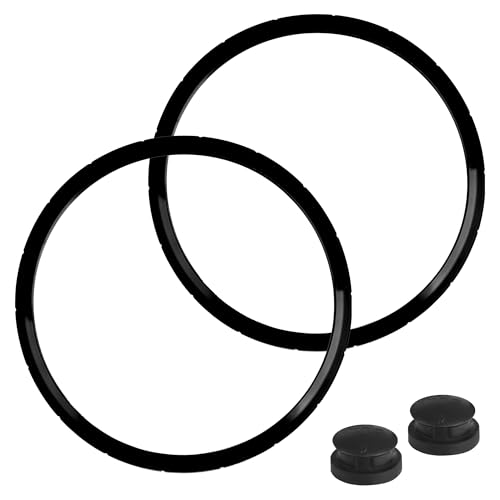
09936 Pressure Cooker Sealing Ring, Fit for Presto Model 6 Quart
- Package Includes: 2 Sealing Rings and 4 Over-pressure Plugs
- Compatibility: Fits Presto 6 and 4 Quart Canners
- Material: Food-grade silicone, heat resistant
As an affiliate, we earn on qualifying purchases.
As an affiliate, we earn on qualifying purchases.
The Best Ways to Clean Residues From Your Sealing Ring Safely

To keep your sealing ring fresh and odor-free, use gentle cleaning methods that won’t damage the material. You can also try natural deodorizing techniques, like soaking it in vinegar or baking soda solutions. These simple steps help remove residues safely and keep your pressure cooker smelling clean. Additionally, selecting high-quality safety glasses for protection during cleaning can prevent accidental splashes or injuries. Incorporating juice extraction techniques such as soaking in vinegar can effectively eliminate lingering odors, leveraging natural acids to break down residues.
Gentle Cleaning Techniques
Cleaning your sealing ring gently is key to removing residues without damaging it. Use eco-friendly solutions like a mixture of baking soda and water or vinegar and water for a safe, effective clean. These DIY remedies are gentle on the material and help break down lingering odors or stains. To start, create a paste with baking soda and a little water, then apply it carefully using a soft cloth or sponge. Alternatively, soak the ring in a solution of vinegar and water for about 15 minutes. Avoid harsh chemicals or abrasive scrubbing, which can compromise the ring’s integrity. Gentle cleaning preserves the sealing ring’s elasticity and longevity while ensuring it stays fresh and odor-free. Regular, careful maintenance helps prevent smells from building up again.
Natural Deodorizing Methods
Natural deodorizing methods are an effective way to eliminate stubborn odors from your sealing ring without relying on harsh chemicals. By using simple ingredients like baking soda, vinegar, or lemon juice, you can safely refresh your sealing ring while maintaining cooking safety. Baking soda acts as a gentle abrasive that absorbs odors, so sprinkle it on the ring and let it sit for a few hours before rinsing. Vinegar’s natural acidity breaks down residues that cause smells, but ensure your sealing ring material can handle it without damage. Lemon juice provides a fresh scent and neutralizes odors naturally. Always check your sealing ring’s material compatibility before applying these methods to prevent deterioration, ensuring your pressure cooker remains safe and odor-free for every use.
Natural Methods to Deodorize Your Pressure Cooker With Baking Soda and Vinegar
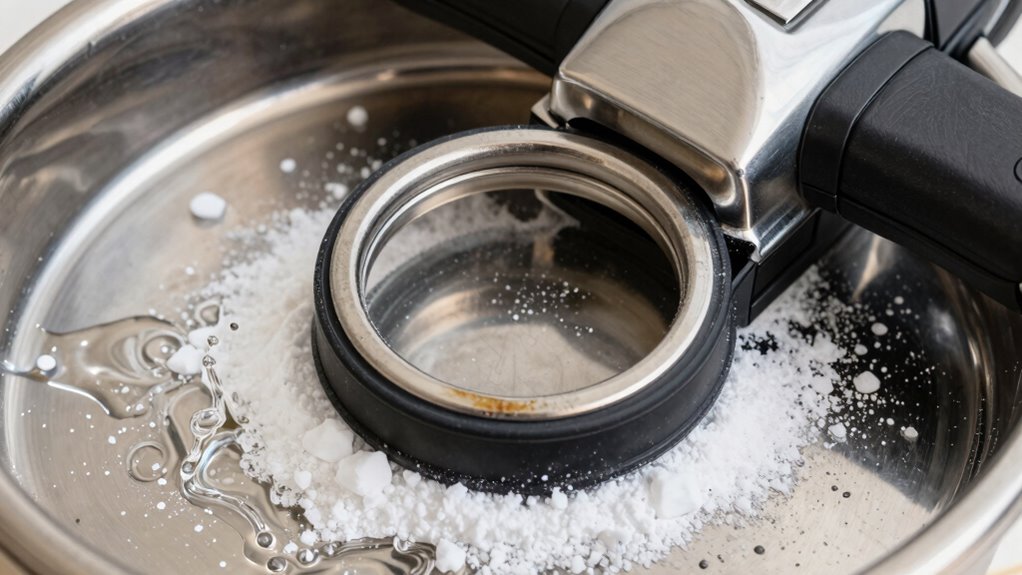
When your pressure cooker develops a stubborn smell, using simple household ingredients like baking soda and vinegar can effectively eliminate odors. Baking soda works as a natural deodorizer by neutralizing acids and absorbing smells, while vinegar’s acidity helps break down lingering residues that contribute to foul odors. To boost pressure cooker hygiene, start by rinsing the sealing ring and interior with a mixture of vinegar and water. For stubborn smells, sprinkle baking soda inside the cooker, add vinegar, then let it sit for 15-20 minutes. Afterward, scrub gently with a soft brush, paying attention to sealing ring materials, which can trap odors. Rinse thoroughly to remove any residues, ensuring your pressure cooker remains fresh and odor-free.
Are Commercial Cleaners Safe for Your Pressure Cooker? What You Should Know

While commercial cleaners can seem like a quick fix for stubborn pressure cooker odors, it’s important to guarantee they’re safe for your specific appliance. Not all commercial cleaning products are designed for cookware, and some may contain harsh chemicals that could damage the sealing ring or internal components. Always check the label for instructions and whether the product is safe for use on pressure cookers. Chemical safety is crucial; using cleaners not intended for kitchen appliances might introduce residues or fumes that could contaminate your food or cause damage over time. Instead, opt for cleaners specifically formulated for cookware, or stick to natural remedies. Prioritizing safety helps ensure your pressure cooker remains in top condition and free from unwanted odors.
Tips to Prevent Odor Buildup in Your Pressure Cooker Sealing Ring

To keep odors from building up, you need to clean your sealing ring regularly using proper techniques. Make sure to remove and wash the ring thoroughly after each use, paying attention to any crevices. Additionally, maintaining your pressure cooker with routine checks helps prevent odor-causing residue from accumulating.
Proper Cleaning Techniques
Regularly cleaning your pressure cooker’s sealing ring is essential to prevent odor buildup. Use warm, soapy water and a soft brush or cloth to scrub the ring thoroughly after each use. For seasonal cleaning, remove the ring and soak it in a mixture of vinegar and water for 15-20 minutes to eliminate lingering odors. Dry it completely before reinstalling. When storing your pressure cooker, guarantee the sealing ring is clean and dry to prevent mold or odors from developing. Store the ring loosely in a breathable container or with the lid off to allow airflow. These proper cleaning techniques and storage tips help keep your sealing ring fresh and odor-free, ensuring your pressure cooker remains safe and effective for every use.
Regular Maintenance Practices
Maintaining your pressure cooker’s sealing ring is key to preventing unpleasant odors from developing over time. Regular maintenance involves consistent cleaning and proper storage practices. You should clean the ring after each use or at least once a week if used frequently, using warm soapy water. When storing, ensure the ring is completely dry and stored in a cool, dry place away from direct sunlight to prevent mold and odors. To make this easier, follow these tips:
| Cleaning Frequency | Storage Practices |
|---|---|
| After every use or weekly | Keep in a ventilated area, not sealed in plastic |
| Use mild soap and water | Avoid storing in damp environments |
| Check for residue regularly | Place the ring in a breathable container |
When Should You Replace Your Pressure Cooker Sealing Ring? Signs to Watch For
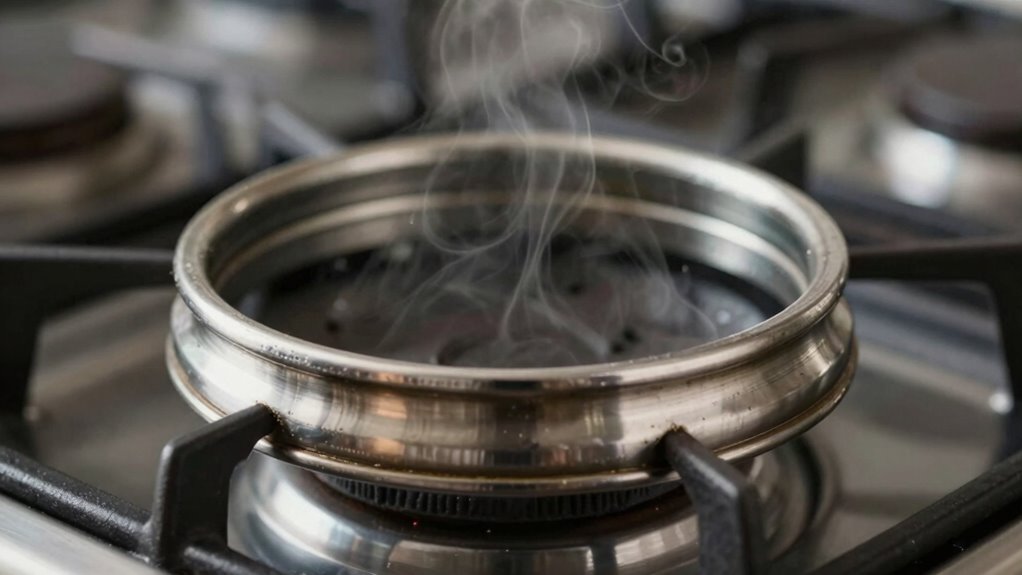
Your pressure cooker’s sealing ring needs replacement when you notice persistent odors, cracks, or warping. If odor detection becomes difficult despite cleaning, it’s a sign the ring isn’t sealing properly, and bacteria may be lingering. Cracks or tears compromise the seal, risking safety and efficiency. Warping indicates the ring no longer fits snugly, leading to leaks and possible pressure loss. Regular inspection helps catch these issues early. Don’t ignore these signs—delaying sealing ring replacement can cause safety hazards and worsen odors. If you experience ongoing smell problems despite cleaning, it’s time to replace the sealing ring. Keeping an eye on these signs ensures your pressure cooker remains safe, effective, and odor-free. Proper maintenance and timely replacement are key to its long-term performance.
Long-Term Maintenance Tips for a Fresh-Smelling Pressure Cooker
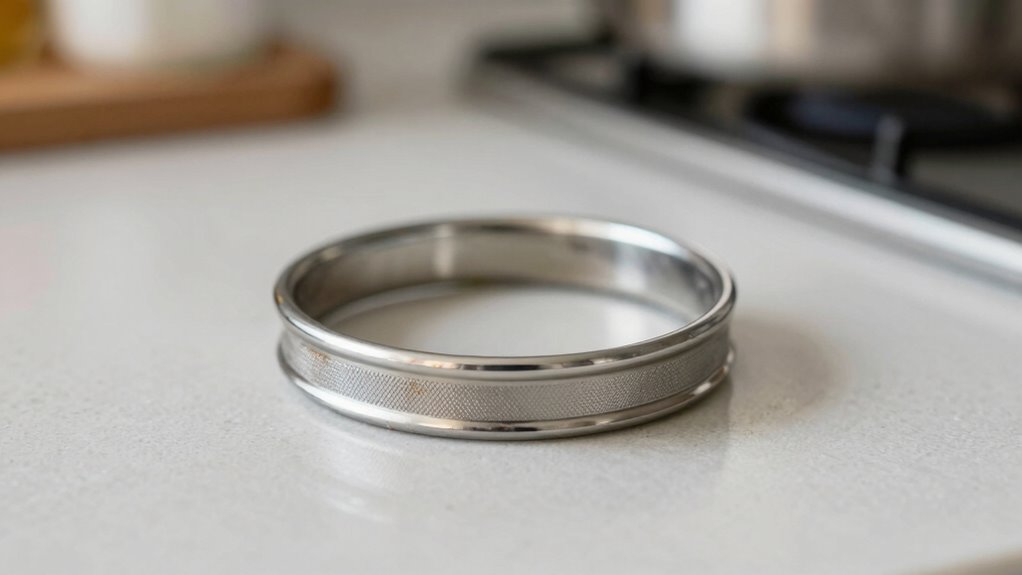
To keep your pressure cooker smelling fresh over time, adopting a consistent maintenance routine is key. After each use, clean the sealing ring thoroughly with warm, soapy water to remove lingering cooking odors. Make sure to dry it completely before storing to prevent mold or unpleasant smells. Use proper storage solutions, like keeping the sealing ring in a breathable container or a paper bag, to avoid trapping moisture and odors. Regularly inspect the ring for signs of wear or odor buildup, and replace it if necessary. Avoid storing the pressure cooker with food remnants or strong-smelling ingredients inside, as this can cause lingering odors. Following these tips helps maintain a fresh smell and prolongs the lifespan of your pressure cooker’s sealing ring.
Troubleshooting Persistent Odors: Expert Advice and Next Steps
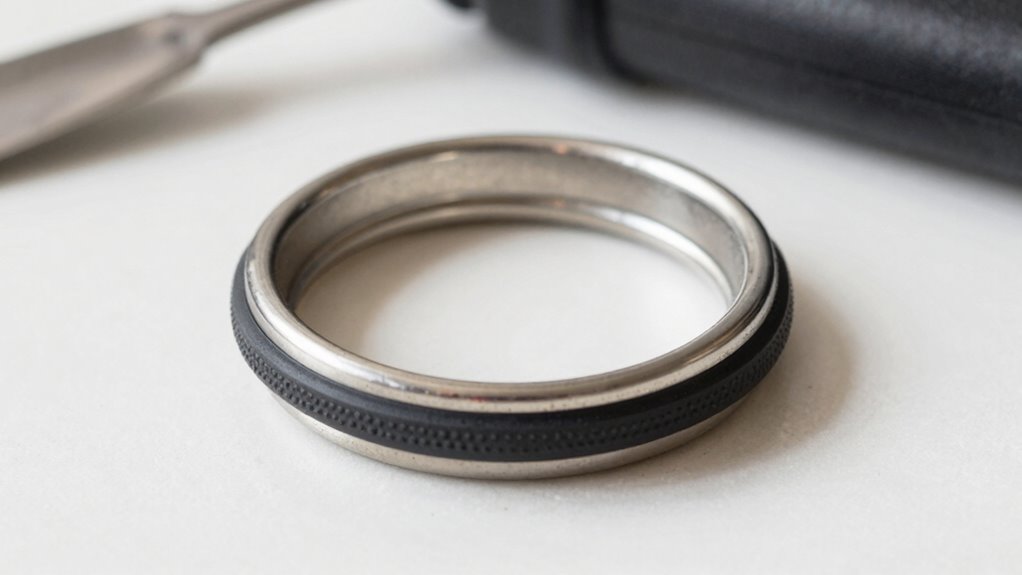
Persistent odors in your pressure cooker can be frustrating, but addressing them requires a systematic approach. First, inspect the sealing ring for damage or wear, as certain sealing ring materials may trap odors more easily. If the smell persists, try thoroughly cleaning the ring with baking soda and vinegar, ensuring no residue remains that could harbor odors. Remember, cooking safety is paramount, so always check that the sealing ring fits properly and isn’t compromised. If odors still linger despite cleaning, consider replacing the sealing ring with a new one compatible with your cooker. Proper maintenance and timely replacement of sealing ring materials help prevent persistent smells and ensure safe, effective cooking every time.
Frequently Asked Questions
Can Dishwasher Cleaning Remove All Sealing Ring Odors Effectively?
Dishwasher cleaning can help reduce sealing ring odors, but it might not remove all smells completely. Its effectiveness depends on how often you clean your dishwasher and the cleaning cycle you choose. To get better results, regularly wash the sealing ring with soap and water, and occasionally run a cleaning cycle with vinegar or baking soda. Combining these methods guarantees a fresher, odor-free sealing ring.
Are There Specific Scents or Ingredients to Avoid When Deodorizing?
Avoid aromatic adverse agents like strong chemical cleaners and overpowering fragrant essential oils. These ingredients can damage the sealing ring’s material or leave lingering scents that are tough to eliminate. Instead, opt for mild, natural solutions like baking soda or vinegar. Stick to safe, simple substances that deodorize without damaging, ensuring your pressure cooker stays safe, scent-free, and ready for your next culinary creation.
How Often Should I Replace My Pressure Cooker Sealing Ring?
You should replace your pressure cooker sealing ring every 12 to 18 months, depending on its sealing ring lifespan and usage frequency. Keep an eye out for signs like cracks, persistent odors, or a loose fit, which indicate it’s time for a replacement. Regularly inspecting your sealing ring helps guarantee safety and peak performance, preventing leaks and maintaining pressure. Follow this schedule for peace of mind and efficient cooking.
Is It Safe to Leave the Sealing Ring Soaking in Vinegar?
Did you know that vinegar is a natural deodorizer? Yes, but soaking your sealing ring in vinegar isn’t always safe. Vinegar soaking can weaken rubber over time, risking leaks or damage. For safety considerations, limit vinegar contact and avoid prolonged soaking. Instead, wipe the ring with a vinegar-diluted cloth or soak it briefly, then rinse thoroughly. This keeps it fresh without compromising its integrity.
Can Improper Sealing Cause Persistent Odors Even After Cleaning?
Yes, improper sealing can cause persistent odors even after cleaning because it affects sealing integrity, allowing residual odors to linger. When the seal isn’t tight, moisture and food particles can get trapped, promoting odors. To fix this, check that the sealing ring fits properly and replace it if damaged. Regularly cleaning and ensuring a good seal help eliminate residual odors and prevent them from returning.
Conclusion
To keep your pressure cooker smelling fresh, clean it regularly, deodorize it naturally, and replace the sealing ring when needed. Stay vigilant for signs of wear, maintain good hygiene, and use simple remedies like baking soda and vinegar. By doing so, you’ll prevent odors, prolong your cooker’s lifespan, and enjoy delicious meals without worry. Consistent care, mindful maintenance, and timely replacements make all the difference in keeping your pressure cooker clean, fresh, and ready to cook.