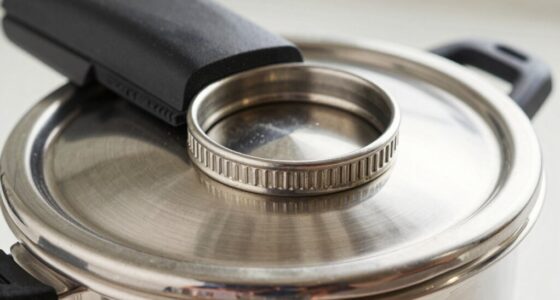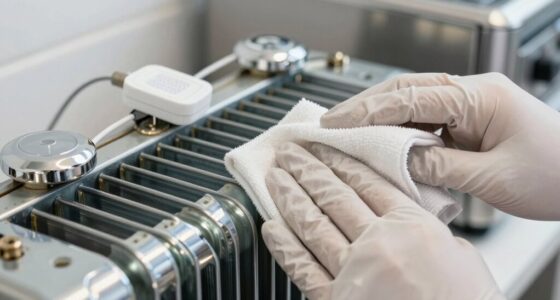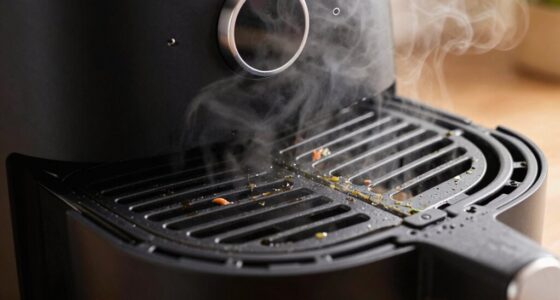

Mineral scale buildup inside your appliances insulates heating elements, making it harder for them to transfer heat efficiently. As a result, your appliances take longer to reach the desired temperature, causing them to feel slower over time. The deposits also cause parts to work harder, reducing overall performance. If you’re curious about how to prevent this and keep your appliances running smoothly, there’s more to discover about effective maintenance techniques.

Get kitchen staples and gadgets delivered free — and shop member deals
- Fast, free delivery on millions of items
- Access to Prime Big Deal Days deals on October 6–7
- Prime Video, Amazon Music and more included
Key Takeaways
- Mineral scale insulates heating elements, reducing heat transfer efficiency and causing appliances to work harder and slower.
- Scale buildup increases cycle times as appliances struggle to reach desired temperatures.
- Deposits create barriers that hinder water flow, reducing overall appliance performance.
- Insulating deposits cause longer heating and cleaning cycles, making appliances feel slower over time.
- Reduced efficiency from mineral buildup leads to slower operation and decreased cleaning effectiveness.

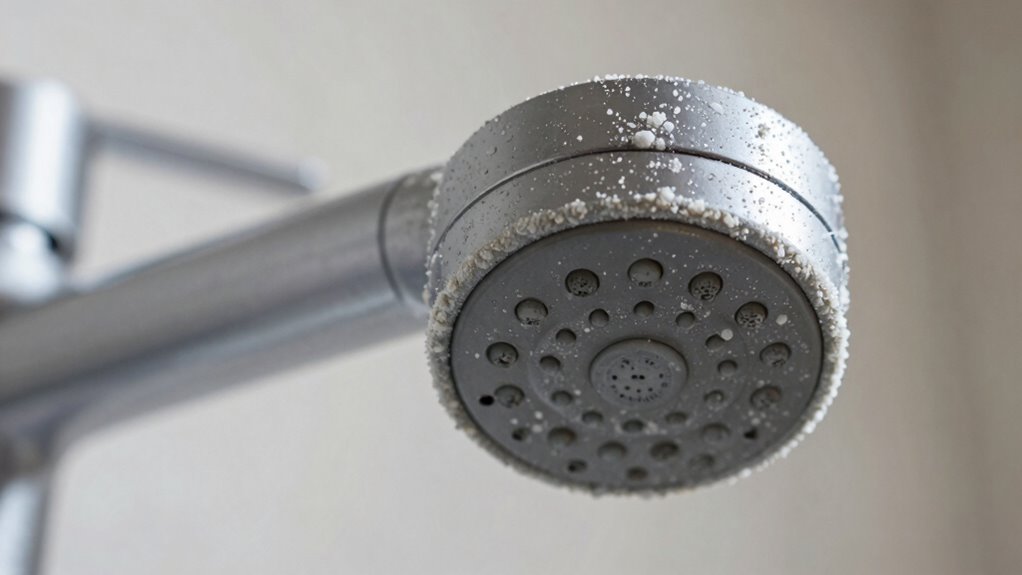
Have you ever noticed white, chalky deposits on your appliances after a while? That’s mineral scale forming from the minerals in your water, and it’s a common issue if you have hard water. Water hardness refers to the concentration of dissolved minerals, mainly calcium and magnesium, which can build up over time inside your appliances like dishwashers, washing machines, and even coffee makers. This buildup isn’t just unsightly; it actually affects how well your appliances perform. As mineral scale accumulates, it insulates heating elements and clogs smaller water passages, making your appliances work harder to do the same job. That’s why you might start feeling like your dishwasher or washing machine is taking longer to complete cycles or isn’t cleaning as thoroughly as before.
Mineral scale from hard water can impair appliance performance and efficiency over time.
The problem with mineral scale isn’t just about appearance. It’s a direct result of poor appliance maintenance in the face of ongoing water hardness. When minerals settle on heating elements, they create a barrier that prevents efficient heat transfer. This means your appliances need more time and energy to reach the desired temperature, which slows down their operation. Over time, this inefficiency compounds, leading to increased energy bills and a shorter lifespan for your appliances. If you overlook these deposits, they can also cause parts to wear out faster or even break down completely, forcing you to replace costly components or entire units. Addressing mineral scale early can significantly extend the life of your appliances and maintain their efficiency. Implementing water softening solutions can be an effective way to prevent buildup and keep your appliances running smoothly.
To prevent this slowdown, regular appliance maintenance becomes essential. Using descaling agents or water softeners can help reduce the mineral content in your water, minimizing scale formation. Many appliances now come with built-in water softening features, but if yours doesn’t, you might want to evaluate external solutions. Routine cleaning with vinegar or commercial descalers can also remove existing deposits before they cause significant damage. Additionally, understanding your water’s hardness level can help you determine the best approach for prevention and maintenance. Being aware of the potential for mineral buildup can motivate you to stay on top of cleaning routines and prevent long-term damage. Keep an eye on your appliances’ performance; if you notice longer cycle times or less effective cleaning, it’s time to take action before the buildup causes permanent harm.
Ultimately, understanding how water hardness impacts your appliances highlights the importance of proactive maintenance. The more you address mineral scale early, the better your appliances will perform over the years. Remember, the key isn’t just cleaning once in a while, but adopting a consistent maintenance routine that tackles mineral deposits before they turn into a bigger problem. This way, your appliances will stay faster, more efficient, and last longer, saving you money and hassle in the long run.
As an affiliate, we earn on qualifying purchases.
Frequently Asked Questions
How Can I Prevent Mineral Scale Buildup in My Appliances?
To prevent mineral scale buildup, you should consider water softening systems, which reduce minerals like calcium and magnesium that cause scale. Installing filters can also trap these minerals before they reach your appliances. Regular maintenance, such as descaling and cleaning, helps keep appliances running smoothly. By combining water softening and filter installation, you’ll minimize mineral deposits, ensuring your appliances stay efficient and last longer over time.
Are There Specific Cleaning Products Effective Against Mineral Scale?
Think of mineral scale as a stubborn mountain clinging to your appliances. You’ll find eco-friendly solutions like vinegar or citric acid work wonders, gently dissolving buildup without harming the environment. For tougher deposits, commercial cleaners designed specifically for mineral scale can be effective, but always choose eco-conscious options. Regularly using these products keeps your appliances running smoothly, preventing that sluggish feeling and preserving their longevity—like clearing a path through a dense, mineral-filled forest.
Does Mineral Scale Affect All Types of Appliances Equally?
Mineral scale affects most appliances, but its impact varies based on water hardness and appliance design. You might notice slower performance in devices like dishwashers, washing machines, or water heaters because mineral buildup hampers efficiency. Hard water causes more scale, making appliances work harder and feel slower over time. Regular cleaning and water softening can help maintain appliance efficiency and prevent mineral scale from causing significant issues.
How Often Should I Descale My Appliances to Prevent Slowdown?
You should descale your appliances every 1 to 3 months, depending on your water hardness. Regular water softening helps reduce mineral buildup, which can cause appliances to slow down over time. Keep an eye on their performance, and if you notice a slowdown, amplify your descaling frequency. Proper maintenance ensures your appliances run efficiently and last longer, saving you time and money in the long run.
Can Mineral Scale Damage Appliances Permanently?
Yes, mineral scale formation can cause permanent damage to your appliances. Over time, it’s like a relentless army of tiny crystals attacking your appliances, leading to appliance corrosion and inefficiency. If ignored, scale buildup can clog essential components, cause overheating, and even break your appliance beyond repair. Regular descaling is vital to prevent this damage, because once mineral scale embeds deep, it’s almost impossible to reverse, leaving your appliances permanently harmed.
As an affiliate, we earn on qualifying purchases.
Conclusion
Just like a slow-dripping faucet, mineral scale steadily builds, quietly blocking your appliances’ efficiency. It’s a silent sentinel, a reminder that neglect allows small issues to grow into barriers. To keep things flowing smoothly, you must clear away this invisible fortress. Regular maintenance is your key to revealing the true potential beneath the surface—restoring the heart of your appliances and ensuring they run with the vigor of a freshly opened valve. Don’t let mineral scale be the anchor that holds you back.
As an affiliate, we earn on qualifying purchases.
As an affiliate, we earn on qualifying purchases.
NFL season / tailgating Picks
team gear
As an affiliate, we earn on qualifying purchases.