To avoid ruining your coffee and food, start by choosing the right grind size—aim for a fine, powdery texture to guarantee proper extraction. Make sure your machine is well-calibrated and preheated, so water temperature remains consistent within 195°F to 205°F. Adjust your settings gradually and practice to achieve reliable results. Mastering these basics can dramatically improve your espresso, and if you keep going, you’ll uncover even more tips for perfecting your brew.

Get kitchen staples and gadgets delivered free — and shop member deals
- Fast, free delivery on millions of items
- Access to Prime Big Deal Days deals on October 6–7
- Prime Video, Amazon Music and more included
Key Takeaways
- Use the correct grind size—aim for a fine, powdery texture to prevent under- or over-extraction.
- Regularly calibrate your machine to maintain consistent water temperature and pressure.
- Preheat your equipment thoroughly before brewing to ensure stable temperature and optimal extraction.
- Monitor and adjust water temperature within the recommended 195°F to 205°F range for balanced flavor.
- Practice and make small adjustments over time to develop consistent, high-quality espresso shots.
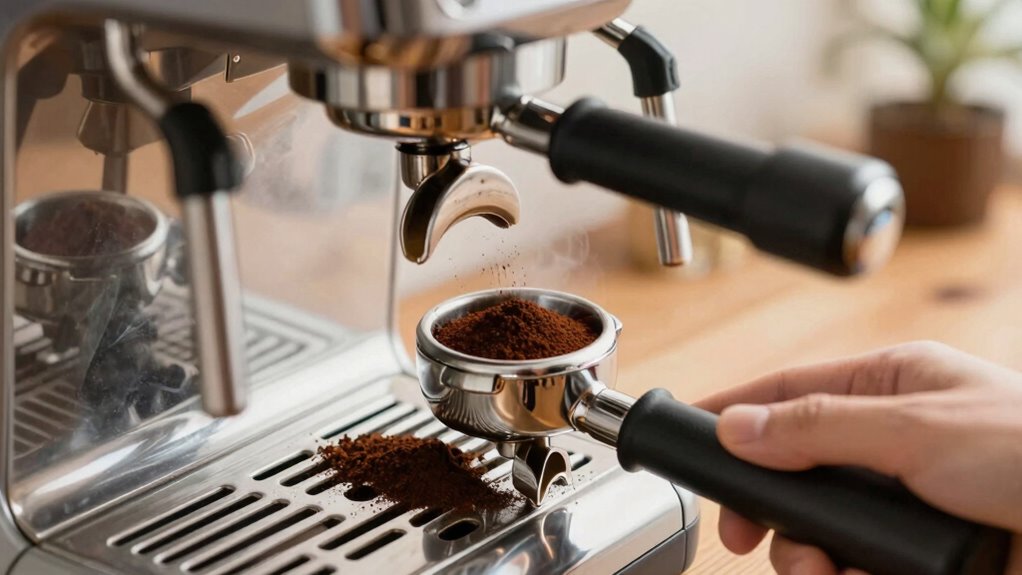
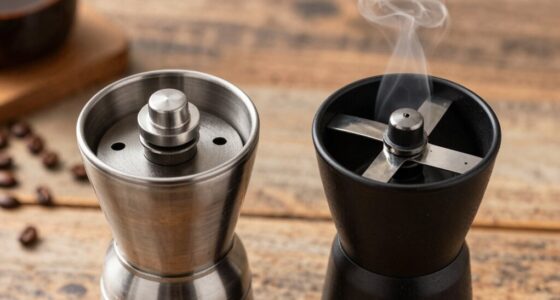
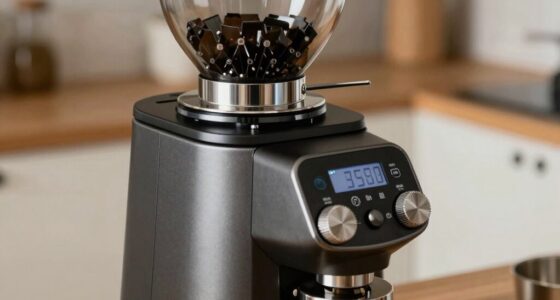
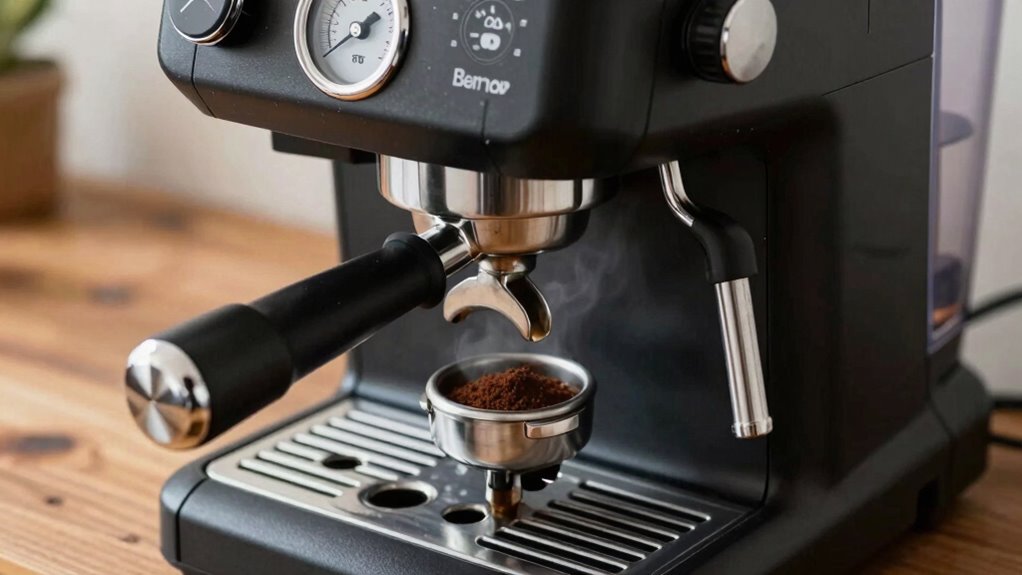
Starting with an espresso machine can be exciting, but it’s easy to make mistakes that affect your coffee’s quality. One of the most common errors beginners make involves not paying attention to grind size. If your grind is too coarse, the water will flow through too quickly, resulting in a weak, under-extracted shot that lacks flavor and body. Conversely, if the grind is too fine, the water will struggle to pass through, leading to over-extraction, bitterness, and a bitter, harsh taste. Finding the right grind size is essential because it directly influences extraction. You want a consistency similar to powdered sugar—fine but not so powdery that it clogs your machine’s filter basket. Adjusting your grinder and experimenting with different settings helps you dial in the perfect grind for your specific beans and machine. Proper machine calibration ensures consistent results and helps you avoid common beginner mistakes.
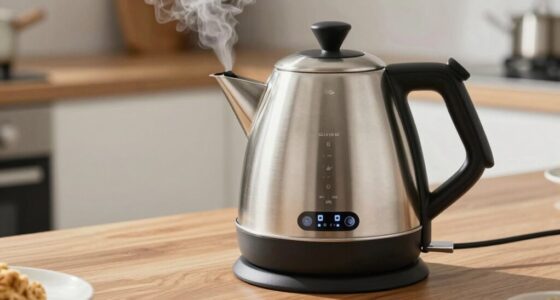
Another critical aspect often overlooked is water temperature. Your espresso machine needs to heat water to about 195°F to 205°F for best extraction. If the water is too cold, your coffee will be under-extracted, tasting sour, weak, or flat because the flavors don’t develop fully. On the other hand, water that’s too hot can cause over-extraction, leading to a burnt or bitter flavor profile. Making sure your machine maintains a stable and correct water temperature is essential. Many beginners neglect to preheat their equipment, which can cause temperature fluctuations and inconsistent results. It’s a good idea to run hot water through the machine before brewing to bring everything up to the right temperature. Additionally, using a thermometer or a machine with temperature control helps you keep the water within the ideal range, giving you a more balanced and flavorful shot.
Combining the right grind size with proper water temperature creates a foundation for great espresso. If either element is off, your whole brew suffers. Take the time to calibrate both: grind just fine enough to slow the water’s flow without clogging it, and make sure your machine is heated properly before you start brewing. Keep in mind that different beans and roasts may require slight adjustments, so don’t be afraid to tweak these settings as you gain experience. Remember, consistency is key, and with practice, you’ll learn how to balance these factors for the perfect shot. Starting with these basics ensures you won’t ruin your coffee before it even begins, setting the stage for more advanced techniques down the line.
As an affiliate, we earn on qualifying purchases.
Frequently Asked Questions
How Often Should I Descale My Espresso Machine?
You should descale your espresso machine every 1 to 3 months, depending on your water hardness and usage. Regular descaling helps maintain machine longevity and guarantees the best coffee flavor. If you notice slower water flow or strange tastes, it’s time to descale sooner. Following the recommended descaling frequency prevents mineral buildup, extends your machine’s life, and keeps your espresso tasting fresh every time.
What’s the Ideal Grind Size for Espresso?
You should aim for a fine grind size for espresso, but don’t worry if it takes some adjustment. The ideal grind size facilitates proper espresso extraction; too fine can cause over-extraction, and too coarse results in weak flavor. Start with a slightly finer setting and adjust as needed. Remember, small grind size adjustments make a big difference, helping you achieve that perfect shot every time.
How Do I Maintain Consistent Water Temperature?
To maintain consistent water temperature, focus on water temperature calibration and thermostat adjustment. You should regularly check your machine’s temperature using a thermometer and fine-tune the thermostat if needed. Many machines have adjustable thermostats—consult your user manual for specific instructions. Keep your machine in a stable environment, avoid frequent power cycling, and give it time to heat up fully before brewing. These steps guarantee your espresso stays perfectly consistent.
Can I Use Regular Tap Water for Brewing?
You can use regular tap water, but beware—unfiltered water may harm your machine and ruin your brew’s flavor. The secret lies in water filtration; it enhances taste and prevents mineral buildup that could damage your espresso machine. Don’t risk inferior water—invest in a good filter or use bottled water for better taste and longevity. Your perfect espresso depends on this simple, yet essential step.
What’s the Best Way to Clean Coffee Oils From the Machine?
To clean coffee oils from your machine, follow a regular cleaning routine that includes flushing with water and using a descaling solution. This helps remove oil buildup, ensuring your espresso tastes fresh. You should also disassemble removable parts and scrub with a soft brush periodically. Avoid harsh chemicals, and always rinse thoroughly afterward. Consistent cleaning prevents oil buildup and keeps your machine functioning properly, delivering better-tasting coffee every time.
digital thermometer for espresso
As an affiliate, we earn on qualifying purchases.
As an affiliate, we earn on qualifying purchases.
Conclusion
Avoid these beginner mistakes, and you’ll be well on your way to brewing perfect espresso. Remember, even experienced baristas make errors; a study shows that 70% of new espresso enthusiasts struggle with the same pitfalls. But don’t get discouraged—each mistake is a chance to learn. With patience and practice, you’ll enjoy rich, flavorful shots that make all your efforts worthwhile. Keep experimenting, and soon, espresso brewing will feel like second nature!
espresso machine calibration tools
As an affiliate, we earn on qualifying purchases.
As an affiliate, we earn on qualifying purchases.
As an affiliate, we earn on qualifying purchases.
Fall Picks
fall essentials
As an affiliate, we earn on qualifying purchases.