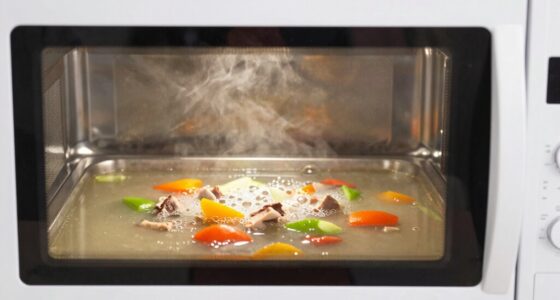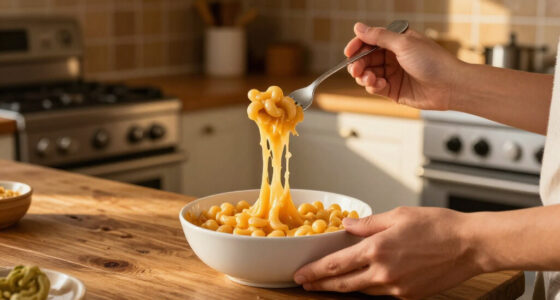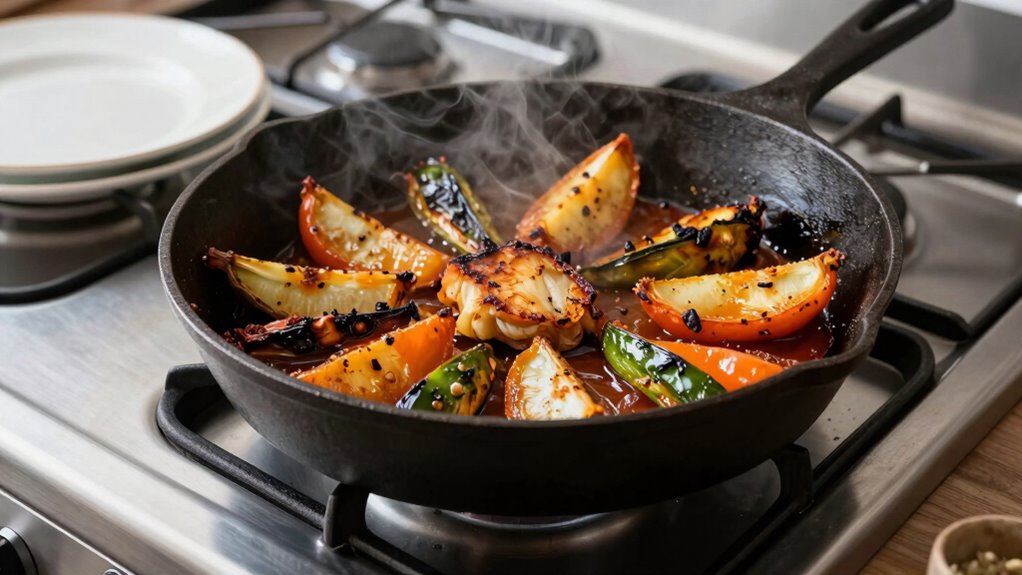

To reheat leftovers without turning them rubbery or soggy, use gentle, even heat and keep moisture levels in check. Cover dishes with foil in the oven or add a splash of water before microwaving to maintain moisture. Reheat meats and roasted veggies uncovered for a crispy texture. Stir soups and stews frequently and use a thermometer to guarantee safety. With these tips, you’ll restore your leftovers perfectly—discover more ways to perfect your reheating technique below.

Get kitchen staples and gadgets delivered free — and shop member deals
- Fast, free delivery on millions of items
- Access to Prime Big Deal Days deals on October 6–7
- Prime Video, Amazon Music and more included
Key Takeaways
- Add a splash of water or broth before reheating rice or pasta to maintain moisture.
- Cover dishes during reheating to trap steam and prevent dryness or sogginess.
- Reheat meats and vegetables uncovered briefly to preserve crispness.
- Use gentle, medium heat with frequent stirring to avoid overcooking and texture loss.
- Reheat soups and stews slowly on low heat to prevent ingredient breakdown and rubbery textures.
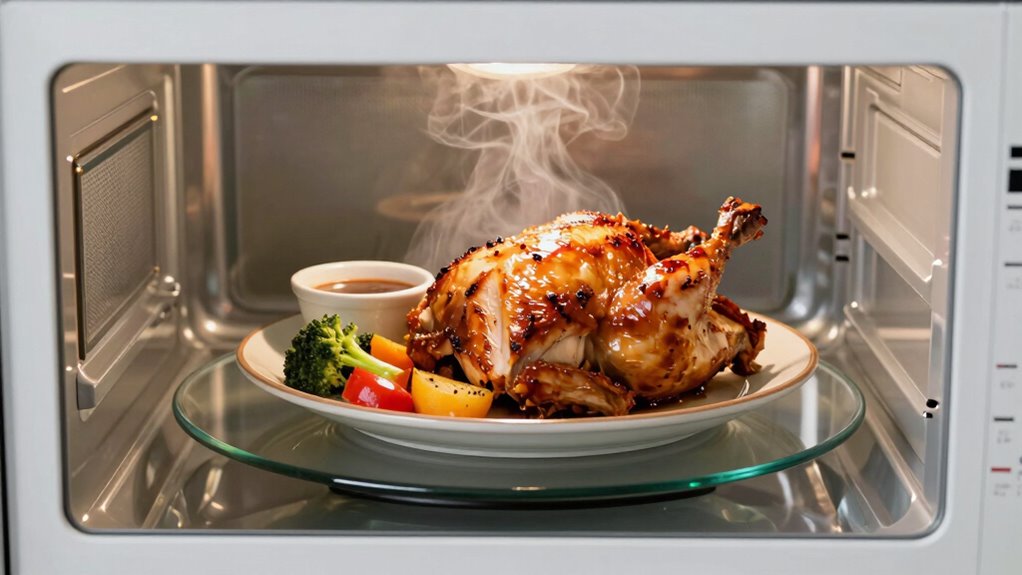
Reheating leftovers might seem simple, but doing it properly guarantees your food stays safe and tastes just as good as when it was first cooked. To achieve this, you need to pay attention to food safety and proper storage from the start. Proper storage is essential because it prevents bacteria growth and keeps your leftovers fresh. Use airtight containers or proper wrapping to seal in moisture and prevent contamination. Store leftovers in the fridge within two hours of cooking, and consume them within three to four days to maintain their quality and safety.
Proper storage and quick refrigeration keep leftovers safe and delicious.
When reheating, aim for even heating. Uneven reheating can leave cold spots where bacteria can survive, risking foodborne illness. Use a microwave with a turntable or stir the food halfway through to ensure heat disperses evenly. If reheating on the stove, stir frequently and keep the heat at medium to prevent the food from burning or drying out. For oven reheating, cover the dish with foil to trap moisture and heat it slowly, preventing the food from becoming rubbery or soggy. Using a thermometer can help confirm that food reaches at least 165°F (74°C), the safe temperature to kill bacteria.
To avoid the dreaded rubbery or soggy texture, pay close attention to moisture levels. For dishes like rice or pasta, adding a splash of water before reheating can help restore moisture. Covering the dish during reheating traps steam, which rehydrates the food and preserves its original texture. For meats and roasted vegetables, reheating at a moderate temperature and uncovered for the last few minutes can help maintain their crispness. When reheating soups or stews, use a gentle simmer rather than high heat to prevent breakdown of ingredients and overcooking. Additionally, understanding proper reheating techniques ensures your leftovers retain their quality and safety. Incorporating appropriate reheating methods can also prevent common issues like turning food rubbery or soggy. Being mindful of food safety practices during reheating is crucial to avoid potential health risks. It’s also helpful to allow leftovers to cool properly before refrigerating, as this step further reduces the risk of bacterial growth and preserves food quality.
As an affiliate, we earn on qualifying purchases.
Frequently Asked Questions
Can I Reheat Leftovers Multiple Times Safely?
Yes, you can reheat leftovers multiple times, but you should prioritize food safety and follow reheating guidelines. Each time you reheat, make certain the food reaches an internal temperature of 165°F to kill bacteria. Keep leftovers refrigerated, store them properly, and avoid reheating more than two or three times. This helps prevent foodborne illness and maintains quality, so always reheat leftovers thoroughly and promptly.
What’s the Best Way to Reheat Fried Foods?
Think of reheating fried foods like a vintage jukebox—timeless if done right. To keep that crispy texture, use an oven or air fryer at 375°F, avoiding the microwave which causes sogginess and oil absorption. Place the fried items on a wire rack to allow excess oil to drip away. This method restores crunch, prevents sogginess, and keeps your fried favorites tasting freshly made.
How Do I Reheat Rice Without It Becoming Hard?
To reheat rice without it becoming hard, use gentle reheating techniques that preserve its texture. Place the rice in a microwave-safe bowl, sprinkle a little water over it, and cover with a damp paper towel. Microwave in short intervals, stirring between sessions. Alternatively, reheat on the stovetop with a splash of water or broth, stirring frequently. This approach guarantees even heat and helps maintain the rice’s moisture and tenderness.
Can I Reheat Leftovers in a Microwave and Oven the Same Day?
Yes, you can reheat leftovers in both the microwave and oven on the same day. Just guarantee microwave safety by using microwave-safe containers and covering the food to prevent splatters. For oven techniques, preheat properly and use oven-safe dishes, covering the leftovers with foil to retain moisture. Both methods are quick and effective, so choose based on the type of food and your preferred reheating style.
How Do I Store Leftovers to Maintain Texture?
In the age of digital kitchens, you can preserve food’s texture by using proper food storage techniques. Wrap leftovers tightly in airtight containers or plastic wrap to prevent moisture loss or absorption. Store them in the coldest part of your fridge, ideally within two hours of cooking. Proper storage minimizes texture changes, keeps flavors fresh, and helps maintain the original quality, ensuring your leftovers taste just as good when reheated.
As an affiliate, we earn on qualifying purchases.
Conclusion
Mastering the art of reheating leftovers is like wielding a culinary superpower—you’ll transform yesterday’s scraps into a feast so divine, it could revive a somnolent soul or halt time itself. With a little patience and the right technique, your reheated dishes will never suffer the fate of rubbery despair or soggy ruin again. Instead, they’ll emerge reborn, bursting with flavor and texture so exquisite, even the most discerning gourmet will bow in admiration.
As an affiliate, we earn on qualifying purchases.
airtight food storage containers
As an affiliate, we earn on qualifying purchases.
As an affiliate, we earn on qualifying purchases.
Fall Picks
fall essentials
As an affiliate, we earn on qualifying purchases.