TL;DR

Get kitchen staples and gadgets delivered free with Prime
- Fast, free delivery on millions of items
- Prime Video, Amazon Music and more included
- Member-only deals all year
The FDA issued a warning letter to Rama Food Manufacture Corp. after inspections found sanitation deficiencies, pest activity and inadequate controls for bacterial growth and toxin formation at two California facilities. The source report does not identify affected products, describe any illnesses or recall, or provide the inspection dates and detailed findings.
The Food and Drug Administration has issued a warning letter to Rama Food Manufacture Corp., a rice noodle manufacturer in Ontario, California, after inspections found sanitation deficiencies and pest activity at two facilities. The agency also cited inadequate controls for bacterial growth and toxin formation, raising concerns about the company’s food-safety practices; the available report does not say whether products were recalled or whether anyone became ill.
The FDA’s findings, as summarized by Food Safety News, include inadequate controls for bacterial growth and toxin formation, as well as sanitation problems and pest activity. The report does not provide the specific observations behind those findings, identify the bacteria or toxins involved, or explain which production processes or products were affected.
The company is identified as Rama Food Manufacture Corp., based in Ontario, California. The FDA’s warning concerns conditions at two facilities, but the source material does not name the sites or give the dates of the inspections or the letter. It also does not include a statement from the manufacturer or a detailed account of the agency’s requested corrective actions.
Food Safety News says businesses generally have 15 days to respond to FDA warning letters. That is a general description of the agency’s process; the source does not confirm when this letter was sent or set out Rama Food Manufacture’s response deadline. Warning letters may be posted weeks or months after being sent, and portions of letters can be redacted, the report says.
Food Safety Controls Under Review
The cited issues matter because food manufacturers need effective sanitation and process controls to limit contamination and prevent conditions that can support bacterial growth or toxin formation. The FDA findings indicate that inspectors identified problems at more than one company facility, though the available information is not detailed enough to assess the specific risks to consumers or determine whether any product was unsafe.
A warning letter is an FDA enforcement communication, not by itself evidence that consumers have been sickened or that a recall has been ordered. Readers should distinguish the agency’s reported inspection findings from any conclusion about actual exposure: the source material provides no illness reports, product names, distribution details or recall information. Those omissions mean the consumer impact cannot be established from this report alone.
For the company, the letter calls for a response to the agency’s concerns. Whether the issues are corrected, and whether regulators seek further action, depends on information not included in the report. The development is relevant to shoppers and food businesses because it concerns the controls used to produce a widely consumed staple, while the public record provided here leaves the product-level details unknown.
Products Worth Considering
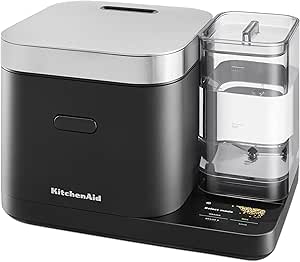
KitchenAid 8-Cup Grain and Rice Cooker with Integrated Scale, Black Matte

Cuisinart Chef's Classic 7-Piece Stainless Steel Cookware Set

Traeger Pro 22 Wood Pellet Grill and Smoker, 572 sq. in.
As an affiliate, we earn on qualifying purchases.
How FDA Warning Letters Work
The FDA sends warning letters to entities under its jurisdiction as part of its enforcement activities. According to the Food Safety News report, companies generally have 15 days to respond. The report also notes that letters may appear publicly weeks or months after they are sent, so publication date alone does not establish when the underlying inspection or agency action occurred.
Warning letters are often issued after companies have had time to address problems, the report says, and some portions of letters may be redacted from public view. In this case, the available source summarizes the agency’s broad concerns but does not reproduce detailed observations or the company’s response. That limits what can be said about the timeline, the company’s efforts to correct conditions, and the precise scope of the findings.
“The FDA has issued a warning letter to a California rice noodle manufacturer after inspections found inadequate controls for bacterial growth and toxin formation, sanitation deficiencies and pest activity at two facilities.”
— Food Safety News, summarizing the FDA action
Inspection Details Still Unreported
The source material does not give the inspection dates, the date the FDA sent the warning letter, or the detailed observations that led to it. It also does not identify specific products, explain whether production was halted, describe corrective measures, or provide a response from Rama Food Manufacture.
There is no information in the report about illnesses, contamination testing, product distribution or a recall. The FDA’s findings should not be treated as confirmation that a particular product reached consumers or caused harm. It is also unclear whether the company has already addressed the cited deficiencies or whether further agency action is being considered.
Company Response and FDA Follow-Up
Under the process described by Food Safety News, the company is expected to respond to the FDA’s warning letter, generally within 15 days. The source does not establish when Rama Food Manufacture received the letter, so a specific response deadline cannot be determined from the available information.
Further clarity may come from the company’s response, additional FDA records or follow-up reporting about corrective actions and inspections. Until those details are available, the status of the cited problems and any effect on products or consumers remain unknown.
Key Questions
Why did the FDA warn Rama Food Manufacture?
The FDA’s findings, as summarized by Food Safety News, included sanitation deficiencies, pest activity and inadequate controls for bacterial growth and toxin formation at two facilities.
Were any rice noodles recalled?
The source report does not mention a recall, identify affected products or say whether any products were distributed. It does not establish whether a recall is planned.
Did the report link the company to illnesses?
No illnesses are reported in the supplied material. The FDA findings described there concern inspection observations and do not, on their own, show that consumers became ill.
When must the company respond?
Food Safety News says businesses generally have 15 days to respond to FDA warning letters. The report does not give the letter’s date or confirm Rama Food Manufacture’s specific deadline.
What happens after the company responds?
The source does not describe the FDA’s next steps in this case. The agency may review the response and any corrective actions, but whether it will conduct follow-up inspections or take further action is not stated.
Source: foodsafetynews.com