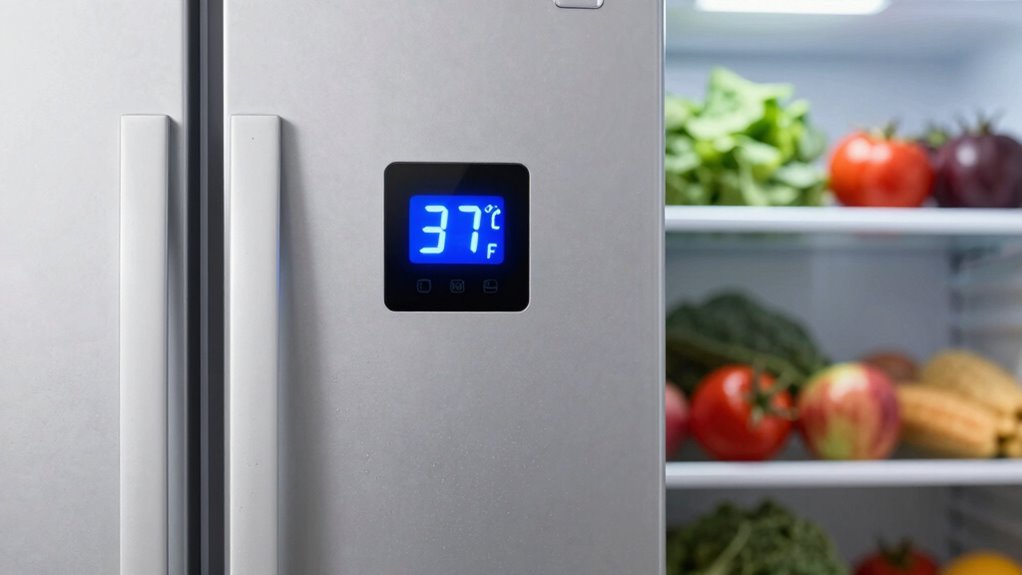
Setting your fridge temperature too warm or too cold can quietly cause trouble over time. If you keep it above 38°F, bacteria can grow, leading to spoiled food and potential health risks. Setting it too cold—below 35°F—may freeze items unnecessarily and waste energy. Both extremes can strain your appliance, reducing its lifespan and increasing energy costs. To avoid these issues, maintaining the right temperature is key. Keep exploring to discover how proper settings can protect your food and save you money.

Get kitchen staples and gadgets delivered free — and shop member deals
- Fast, free delivery on millions of items
- Access to Prime Big Deal Days deals on October 6–7
- Prime Video, Amazon Music and more included
Key Takeaways
- Setting the temperature too warm (above 38°F) promotes bacteria growth and food spoilage unnoticed.
- A temperature that’s too cold (below 35°F) can freeze and damage fresh produce and dairy.
- Frequent temperature fluctuations due to incorrect settings can cause appliance stress and inefficiency.
- Relying solely on the built-in thermostat without a thermometer may lead to unnoticed unsafe temperatures.
- Ignoring proper calibration and adjustments can silently reduce refrigerator lifespan and increase energy costs.
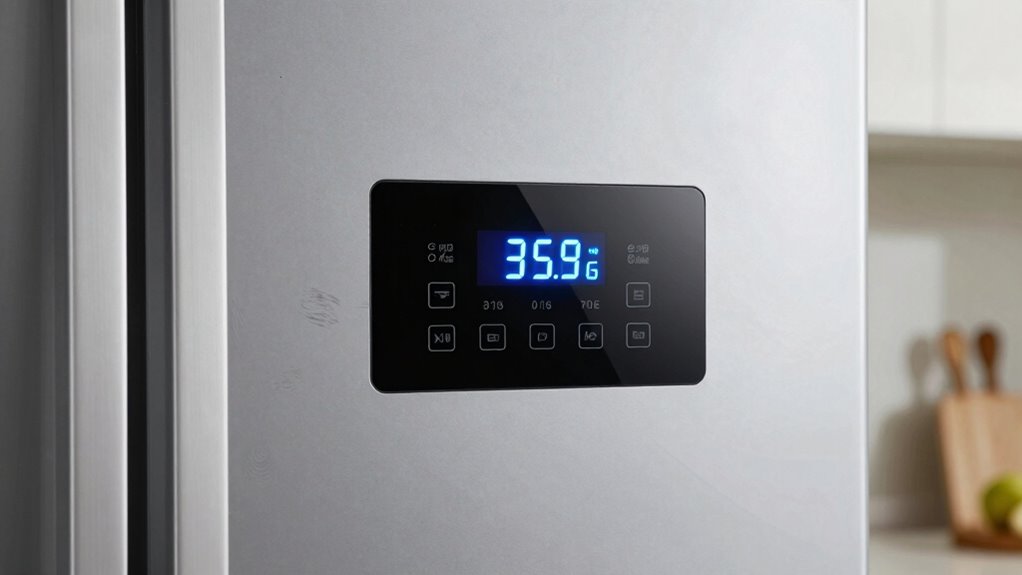
Have you ever wondered if your fridge is set to the right temperature? It’s a common question, but one that’s easy to overlook. Many people leave their refrigerator at the default setting or guess, not realizing how much that small adjustment can impact energy efficiency and food preservation. The right temperature isn’t just about keeping your food cold; it’s about maximizing your appliance’s performance without wasting energy or risking spoilage.
When your fridge is set too warm, it might save you a few bucks on your energy bill in the short term, but it causes more harm than good. A higher temperature means your food isn’t being kept at a safe level, increasing the risk of bacteria growth and spoilage. Plus, your fridge has to work harder to keep items cool, which actually reduces its energy efficiency. The compressor runs more frequently, consuming more electricity and putting unnecessary strain on the appliance. Over time, this can lead to faster wear and tear, potentially shortening the lifespan of your refrigerator.
On the other hand, setting the temperature too cold isn’t a smart solution either. While it might seem like a good way to prevent food from spoiling, it can actually damage your groceries. Some items, like produce or dairy, can freeze or lose their texture if the temperature is too low. This not only wastes food but also leads to unnecessary energy consumption, as the fridge uses more power to maintain that colder setting. Finding the right balance is key: a temperature that preserves your food effectively without wasting energy or causing damage. A proper temperature regulation ensures your food remains fresh and safe without overexerting your appliance. Regularly monitoring and adjusting your fridge’s temperature can help you avoid these issues before they become serious problems.
Experts recommend setting your fridge between 35°F and 38°F (1.7°C to 3.3°C). This range provides a suitable environment for food preservation while maximizing energy efficiency. When you keep your fridge within these limits, you help prevent spoilage, reduce energy costs, and extend the life of your appliance. It’s a simple adjustment that pays off in the long run, especially as you aim to keep your food fresh and your utility bills low. Additionally, understanding the importance of proper temperature control can help you make informed decisions about your appliance’s settings.
Regularly checking and adjusting your fridge’s temperature is one of the easiest ways to guarantee it’s working efficiently. Use a thermometer to get an accurate reading—don’t rely solely on the built-in thermostat. Proper temperature control plays a crucial role in maintaining food safety and energy conservation. Being aware of how temperature fluctuations can affect the performance of your refrigerator can help you troubleshoot issues early. By maintaining the proper temperature, you’re not only protecting your groceries but also making a smart choice for your energy consumption. It’s a small step that makes a big difference in the overall health of your food and your wallet.
digital refrigerator thermometer
As an affiliate, we earn on qualifying purchases.
As an affiliate, we earn on qualifying purchases.
Frequently Asked Questions
How Often Should I Check My Fridge’s Temperature?
You should check your fridge’s temperature at least once a month to guarantee energy efficiency and proper food storage. Use a thermometer to verify it stays between 37-40°F (3-4°C). Regular checks help prevent spoilage and save energy. Follow storage tips like not overcrowding and keeping the door closed to maintain a consistent temperature. Consistent monitoring keeps your fridge running efficiently and your food fresh longer.
What Are the Signs of a Malfunctioning Thermostat?
Like a false prophet, a faulty thermostat can mislead your fridge into malfunction. Signs include inconsistent temperatures, frequent cycling, or food spoiling faster than usual. You might notice the thermostat calibration is off, or a faulty sensor isn’t responding properly. These issues signal a malfunction that needs attention, as ignoring them can compromise your food’s freshness and lead to costly repairs. Check your thermostat regularly to prevent these silent problems.
Can a Fridge Be Too Cold Without Freezing Food?
Yes, your fridge can be too cold without freezing food. When the temperature’s too low, it can cause food spoilage and reduce energy efficiency, leading to higher electricity bills. You might notice fruits and vegetables freeze or develop ice crystals, even if the food isn’t frozen solid. Adjusting the thermostat to the recommended setting helps prevent spoilage, maintains ideal freshness, and keeps your fridge running efficiently.
Does Door Frequency Affect Fridge Temperature Stability?
Yes, frequent opening and closing your fridge door can disrupt temperature stability. It’s ironic—your efforts to keep things fresh actually cause fluctuations. Every time you open the door, warm air enters, challenging door insulation and forcing the compressor to work harder. Proper humidity control and good door insulation help maintain consistent temperatures, but overuse cancels these efforts, making your fridge less efficient and risking food spoilage despite your best intentions.
What’s the Ideal Temperature for a Freezer?
You should set your freezer to 0°F (-18°C) for ideal food safety and energy efficiency. Keeping it at this temperature guarantees frozen items stay preserved and prevents bacteria growth. It also minimizes energy use because the freezer doesn’t work harder than necessary. Regularly check the temperature with a thermometer to maintain consistency and avoid food spoilage, ultimately saving you money and ensuring your food stays safe.
refrigerator temperature controller
As an affiliate, we earn on qualifying purchases.
As an affiliate, we earn on qualifying purchases.
Conclusion
Finding the right fridge temperature is like tuning a delicate instrument—you might not notice the discord until it’s too late. Keep it too warm, and spoiled food becomes your unwelcome guest; too cold, and your groceries risk freezer burn. Strike a balance, and your fridge hums along quietly, a fortress of freshness. Remember, a well-set fridge isn’t just a convenience; it’s the silent guardian of your food’s longevity and your peace of mind.
fridge temperature calibration tool
As an affiliate, we earn on qualifying purchases.
As an affiliate, we earn on qualifying purchases.
As an affiliate, we earn on qualifying purchases.
Halloween Picks
halloween
As an affiliate, we earn on qualifying purchases.