🔍 Read the full analysis: Mondeghili: Milan's Meatballs Of Genius Leftovers on Mad Tasting

Get kitchen staples and gadgets delivered free with Prime
- Fast, free delivery on millions of items
- Prime Video, Amazon Music and more included
- Member-only deals all year
TL;DR
Mondeghili are small Milanese meatballs made with cooked beef, bread softened in milk, egg, grated cheese and seasonings, then coated in breadcrumbs and pan-fried. The dish reflects cucina povera, the practice of making a satisfying meal from leftovers; exact family recipes vary, and the name’s link to Spanish “albondigas” is commonly described as probable rather than certain.
Mondeghili, small Milanese meatballs made from cooked beef and other leftovers, offer a way to turn meat from an earlier meal into a distinct dish. A traditional mixture combines the meat with bread softened in milk, egg, grated cheese and seasonings, then coats the shaped pieces in breadcrumbs and pan-fries them. The result is associated with cucina povera—humble cooking based on making practical use of available ingredients—and is recognized among Lombardy’s traditional food products.
The defining feature is that mondeghili start with cooked meat, rather than the raw ground beef commonly used for other meatballs. Leftover boiled beef or roast beef is finely minced or chopped, then mixed with bread soaked in milk. Egg helps bind the mixture, while grated Grana Padano or Parmigiano-Reggiano, parsley, garlic, salt and pepper provide flavor. Some household versions also include mortadella or another cooked meat.
The mixture is formed into small balls or slightly flattened patties, rolled in breadcrumbs and browned in a skillet using butter, oil or a combination. The coating becomes crisp as the center remains soft. Recipes do not follow one universal size or ratio: the amount of bread needed depends on the meat’s moisture and leanness, and family and restaurant methods vary.
A practical home method is to add the softened bread gradually, stopping when the mixture holds its shape without feeling wet. If it is sticky, a brief chill can make shaping easier; if a test patty cracks, a little more soaked bread may help. If it slumps, breadcrumbs or chilling may firm it. Frying in batches lets the pieces brown without crowding the skillet, and they should be turned gently until the outside is browned and the centers are hot.
Mondeghili Meatballs from leftovers
These small Milanese meatballs turn cooked beef and bread into a crisp-coated, tender-centered dish. Their varied recipes share a practical idea: give leftovers a new life.
From leftovers to a new dish
The method transforms meat from an earlier meal rather than repeating it as-is.
Use leftover boiled or roast beef.
Add bread softened in milk, egg, cheese and seasonings.
Shape, roll in breadcrumbs and pan-fry until browned and hot inside.
A flexible Milanese tradition
Cucina povera makes satisfying food from available ingredients.
Regional specialty
Mondeghili are recognized among Lombardy’s traditional food products and served as an antipasto in Milan.
No single formula
Family and restaurant recipes vary in shape, ratios, additions and frying fat.
The name’s possible route
The dish’s history is clearer than the exact origin of its name.
- The name is linked to Spanish “albondigas,” meaning meatballs.
- Accounts connect the proposed route with Milan’s history under Spanish rule.
- The linguistic route is described as probable, not conclusive.
- Some people also use the name mondeghini.
Cooking and serving
Small adjustments help the mixture hold its shape and brown evenly.
- Add softened bread gradually until the mixture is shapeable.
- Fry in batches and turn gently; diners can ask restaurants how they prepare theirs.
- Common allergens include milk, egg and wheat. Check labels and prevent cross-contact.
A Second Life for Cooked Beef
For readers, the dish is both a regional specialty and a practical way to use cooked beef. Rather than serving a reheated roast or boiled beef as another main course, cooks can mince it, bind it with bread and egg, and fry it in small portions. That approach makes leftovers the starting point of a new preparation, not simply a smaller repeat of the original meal.
The method also explains why there is room for variation. The meat on hand, how dry it is, and what a cook has in the kitchen can affect the mixture and seasoning. Butter, oil or both may be used for frying, while additions such as mortadella depend on the recipe. The consistent idea is the transformation of already-cooked meat into a crisp-coated, tender-centered dish.
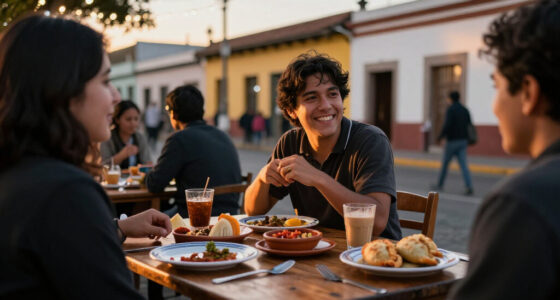
Mondeghili are served as an antipasto in Milan and can also be found on trattoria menus. Their recognition among Lombardy’s traditional food products places them within the region’s food heritage, as well as the everyday practice of using what is available. For visitors, ordering them offers a chance to encounter a local preparation; for home cooks, the recipe provides an option when cooked beef remains after a meal.
Products Worth Considering

Vitamix 5200 Blender with 64 oz Container, Black

Cuisinart Caskata PerfecTemp 1.7-Liter Electric Kettle, Cordless with 1500W Fast Heat-Up and 6 Preset Temperatures

KitchenAid Artisan Series 5-Quart Tilt-Head Stand Mixer, Dried Rose
As an affiliate, we earn on qualifying purchases.
A Milanese Dish With Varied Recipes
The dish is rooted in cucina povera, a term for humble cooking shaped by practical use of ingredients. In this case, cooked beef, stale bread, milk, egg and cheese can be brought together in a new form. The combination is familiar across home cooking: bread softens and stretches the meat mixture, while egg helps it hold together and breadcrumbs create the exterior coating.
The name is commonly linked to the Spanish word albondigas, meaning meatballs. Milan spent part of its history under Spanish rule, and accounts of mondeghili often suggest that the term entered Milanese dialect through that historical contact. The proposed linguistic route is generally described as likely, not definitively established. Some people also use the name mondeghini.
There is no single required shape or family formula in the material available. A cook may make round meatballs or flatten them slightly; restaurants may choose their own proportions and frying fat. Those differences do not change the central distinction: mondeghili are made from cooked meat and are coated and pan-fried.
Where Recipes and Origins Differ
The source does not establish a single standard recipe, including exact ingredient ratios, meatball size or cooking fat. It also does not provide a dated announcement or new policy about the dish; the development here is a report describing a traditional food and a practical preparation. The account of mondeghili’s place among Lombardy’s traditional food products is supplied by the source material, without further detail on the recognition process.
The name’s connection to Spanish albondigas is presented as a common historical explanation, but the source explicitly leaves the linguistic route uncertain. The account does not establish one definitive sequence by which the word entered Milanese dialect. Individual restaurants’ ingredients and methods may also differ, so the name alone does not guarantee a precise recipe.
Making or Ordering Mondeghili
There is no scheduled next milestone reported. At home, cooks can start with leftover boiled or roast beef, chop it finely and add the milk-softened bread gradually so the mixture remains firm enough to shape. Frying a small test piece before forming the whole batch can help identify whether the mixture needs more bread or breadcrumbs. In Milan, diners can look for mondeghili or mondeghini on antipasto menus and ask the restaurant how it prepares them.
Food safety and allergens matter when making the dish. Keep cooked beef refrigerated and use chilled ingredients while preparing the mixture; fry the meatballs until their centers are hot, then refrigerate leftovers within two hours. The usual recipe contains common allergens including milk, egg and wheat; cheese and bread products may contain additional ingredients. Gluten-free bread and crumbs can be used for a wheat-free adaptation, although the texture may change. Check product labels and avoid cross-contact for anyone with an allergy.
Key Questions
What are mondeghili?
Mondeghili are small Milanese meatballs made from cooked beef mixed with bread softened in milk, egg, cheese and seasonings. They are coated in breadcrumbs and pan-fried.
What meat is used in mondeghili?
The traditional base described here is cooked beef, such as leftover boiled beef or roast beef. Some versions also include mortadella or another cooked meat.
Why are mondeghili associated with leftovers?
They reflect cucina povera, or humble cooking: cooked meat and bread from an earlier meal become the base of a new dish rather than being served again in the same form.
Is the name mondeghili definitely derived from Spanish?
The name is commonly linked to Spanish albondigas, meaning meatballs, in accounts that refer to Milan’s history under Spanish rule. The proposed route is described as probable, not conclusively established.
What allergens may be in mondeghili?
Common ingredients include milk, egg and wheat, including wheat in bread and breadcrumbs. Check ingredient labels and prevent cross-contact when preparing food for someone with an allergy. Gluten-free bread and crumbs may change the texture.
Source: Mad Tasting