🔍 Read the full analysis: Sunday Brasato: Beef In Amarone For A November Finale on Mad Tasting

Get kitchen staples and gadgets delivered free with Prime
- Fast, free delivery on millions of items
- Prime Video, Amazon Music and more included
- Member-only deals all year
TL;DR
Mad Tasting has published a practical guide to brasato, a slow-braised beef dish associated with Veneto, using Amarone della Valpolicella or another dry, full-bodied red. It recommends a well-marbled braising cut, several hours of gentle cooking and checking tenderness rather than relying on a fixed cooking time.
Mad Tasting has published a November cooking guide to brasato, a slow-braised beef dish paired with Amarone della Valpolicella or another dry, full-bodied red. The guide focuses on choosing a suitable roast and keeping the braise gentle for several hours, offering home cooks a plan for a weekend meal rather than a fixed, guaranteed cooking time.
The guide recommends chuck, brisket or another cut intended for braising, ideally with marbling and connective tissue. These cuts can soften during long, moist cooking; a lean steak is less suited to the method and may dry out. For more even cooking, the source favors a compact, evenly shaped roast and suggests asking a butcher for a piece sized for the intended group.
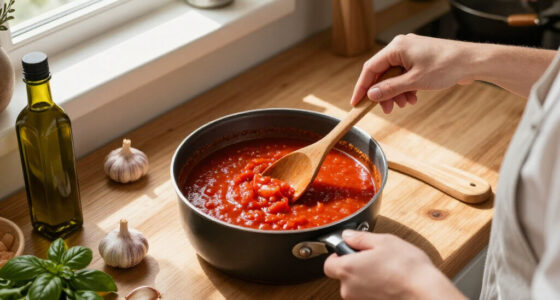
Its cooking outline begins by drying, seasoning and browning the beef in a heavy pot, working in batches so the meat browns rather than steams. Onion, carrot and celery are softened in the same pot, followed by garlic and herbs such as rosemary or bay. Wine and stock are then added around the roast; the meat need not be fully submerged.
The covered pot can cook on the stovetop or in a low oven. Mad Tasting advises keeping the liquid at a barely active simmer, not a hard boil, and says the beef is ready when a fork meets little resistance. After resting, it can be sliced across the grain while excess fat is skimmed from the sauce. The guide says to allow several hours for browning, braising, resting and finishing, with the cut and its shape affecting the total time.
Sunday Brasato Beef in Amarone
Mad Tasting’s November guide shows how to plan a slow-braised Veneto-inspired Sunday meal. Choose a braising cut, keep the heat gentle and judge doneness by tenderness.
Choose the right roast
Marbling and connective tissue help beef soften during long, moist cooking.
Chuck or brisket
Choose a cut intended for braising, ideally compact and evenly shaped.
Lean steak
A lean cut is less suited to several hours of braising and may dry out.
Build a savory sauce
Amarone adds concentrated dark-fruit character, but it is not required.
- Amarone della Valpolicella
- Another dry, full-bodied red
- Brown beef in batches
- Add vegetables, herbs, wine and stock
- Keep the roast partly above the liquid
Cook low and slow
Use a covered pot on the stovetop or in a low oven; a hard boil can work against tender results.
Dry, season and brown in a heavy pot, working in batches.
Soften vegetables, add aromatics and liquid, then cover and simmer gently.
Cook for several hours and use a fork: the beef is ready when it meets little resistance.
Finish and serve
Rest the beef, slice across the grain and skim excess fat from the sauce.
A Slow Roast for Sunday
The guide gives readers a practical way to plan a long-cooking November meal without treating the recipe like a timed shortcut. Its central advice is to use a cut suited to braising and judge doneness by tenderness rather than assuming a set number of hours will work for every roast. That distinction matters because two pieces with the same weight can cook differently if their thickness and shape differ.
It also offers a flexible approach to the wine. Amarone is presented as one option for a dark, fruit-forward sauce, not as a requirement for successful brasato. The source says a dry, full-bodied red can be used instead, which may make the dish more accessible to cooks who do not want to open a costly bottle for a pot that will simmer for hours.
For serving, the guide points to polenta, potatoes or bread as accompaniments that can catch the sauce. The result is a menu framework as much as a cooking method: readers can choose the wine and side dishes while keeping the key technique—slow heat and a suitable cut—consistent.
Products Worth Considering

De'Longhi Classic Signature Espresso Machine with Adjustable Milk Frother

Vitamix 5200 Blender with 64 oz Container, Black

Cuisinart Caskata PerfecTemp 1.7-Liter Electric Kettle, Cordless with 1500W Fast Heat-Up and 6 Preset Temperatures
As an affiliate, we earn on qualifying purchases.
Brasato and Veneto Wine
Brasato means braised meat and describes a cooking method used across variations in Italian cooking. Mad Tasting frames this version around Veneto, the region near Verona associated with Amarone della Valpolicella. The source explains that Amarone is made from partially dried grapes and can bring concentrated dark-fruit aromas and a rich feel to the sauce, while remaining a dry wine.
In the pot, the wine cooks alongside browned beef, vegetables and herbs. The guide describes it as adding depth rather than acting as a sweet glaze; the meat and aromatics are intended to keep the finished sauce savory. If the sauce tastes too heavy, it suggests adding a small amount of wine vinegar or lemon at the table, tasting as it is added.
Amarone is not presented as essential. A suitable substitute is a dry red that the cook would also drink, with enough body to pair with beef. A full-bodied Valpolicella or another structured red may work, although the source notes that the sauce will taste different. It also advises against assuming that a rare or expensive bottle is needed for the recipe.
““Brasato is beef slowly cooked with wine and aromatics until the meat turns fork-tender.””
— Mad Tasting
Timing Depends on the Roast
The source does not provide a single dependable cooking time or a full tested recipe with exact ingredient quantities. It says the total duration varies with the cut, size, shape and cooking vessel, so readers should not treat a clock time as proof that the roast is ready. The guide recommends following a tested recipe’s time and temperature instructions and using tenderness as the practical finish cue.
It also does not specify a universal internal temperature for this braised roast. Its advice is to use a food thermometer for guidance appropriate to the cut and recipe. The source does not report a specific recipe test, reader results or a comparison of wines, so its suggestions are presented as cooking guidance rather than measured findings.
Plan the Braise and Serving
For cooks following the guide, the next step is to choose a braising roast and allow several hours for the full process. Select Amarone or a different dry, full-bodied red, then brown the beef, build the vegetable and herb base, and keep the covered pot at a low simmer. Check the roast periodically and use a fork to judge when it has become tender.
After cooking, rest the beef before slicing across the grain, then skim and, if needed, gently reduce the sauce. Serve with polenta, potatoes or bread. The source offers no announced follow-up or new development; its advice is a seasonal guide for readers preparing a November Sunday supper.
Key Questions
What cut of beef is best for brasato?
Mad Tasting recommends chuck, brisket or another cut labeled for braising. Cuts with marbling and connective tissue are suited to the long, moist cooking method; a lean steak may dry out.
Does brasato require Amarone?
No. The guide suggests Amarone della Valpolicella for its concentrated dark-fruit character, but says another dry, full-bodied red can be used. The sauce will have a different flavor.
How long should the beef braise?
The source advises setting aside several hours but gives no universal finish time. The cut, its shape and size, and the pot can affect cooking; the beef is ready when a fork meets little resistance.
What should I serve with beef in Amarone?
The guide suggests polenta, potatoes or bread, all suitable for serving with the braising sauce.
How should I keep the braise from turning tough?
Brown the beef, then cook it covered at a low, gentle simmer rather than a hard boil. Check periodically and follow a tested recipe’s time and temperature guidance instead of relying on a fixed clock time.
Source: Mad Tasting